



31 Dec A Complete Guide to Foldable Container House Prices and Budgeting
Table of Contents
- 1 Key Takeaways
- 2 Foldable Container House Prices Overview
- 3 Key Factors Affecting Folding Container House Prices
- 4 Supplier and Type Comparison
- 5 Budgeting for a Foldable Container House
- 6 Money-Saving Tips and Negotiation
- 7 FAQ
- 7.1 How long does it take to set up a foldable container house?
- 7.2 Can you live in a foldable container house year-round?
- 7.3 What permits do you need for a foldable container house?
- 7.4 Are foldable container houses safe in storms or earthquakes?
- 7.5 Can you customize the inside of your foldable container house?
You will pay between $15,000 and $23,000 for a 40-foot expandable foldable container house in 2024. The price can change for many reasons. Size, location, customization, materials, and energy efficiency all matter.
|
Factor |
Description |
|---|---|
|
Size |
Bigger units cost more. They need more materials and work. |
|
Location |
Where you live changes labor and material costs. |
|
Customization |
Special features make the price go up. |
|
Materials |
Better materials cost more but last longer. |
|
Energy Efficiency |
Good insulation and energy-saving choices cost more at first. They help you save money later. |
As you read, think about how much space you need. Think about what is most important for your budget. Try to find ways to avoid extra costs and save money.
Key Takeaways
-
You will pay $15,000 to $23,000 for a basic 40-foot foldable container house in 2024. The price changes with size, location, and how you customize it.
-
Think about every cost, like land, permits, and utilities. Hidden costs can show up, so include them in your budget.
-
Pick your materials carefully. Better materials cost more at first, but they can help you save money later on repairs and energy bills.
-
Look at quotes from many suppliers. This helps you get the best price and lets you ask for lower prices.
-
Make a clear budget plan. Write down all costs and keep track of your spending so you do not get surprised during your project.
Foldable Container House Prices Overview
Basic Folding Container House Prices
Folding container house prices can be very different. Basic models usually cost from $20,000 to $40,000. Some single-container homes start at $10,000. They can go up to $50,000. Bigger homes with more containers can cost $50,000 or even $200,000. These prices do not cover land or foundation. You need to plan for those costs too.
Most basic folding container house prices include the main parts. You get a strong frame, walls, and roof. The inside has a simple layout. The price often covers the bedroom, kitchen, and bathroom. Here is what you usually get:
|
Feature |
Description |
|---|---|
|
Structural design |
Strong frame, walls, and roof built to last. |
|
Space layout |
Smart use of space for living, sleeping, and cooking. |
|
Functional zoning |
Separate areas for bedroom, kitchen, and bathroom. |
|
Aesthetic design |
Simple finishes inside and outside, sometimes with modern style. |
You may pay more for upgrades or special features. Prices go up if you want better insulation or fancy flooring. High-end fixtures also cost extra.
Expandable and Custom Options
Expandable and custom folding container house prices change a lot. If you want a home that unfolds for more space, it costs more. Bigger homes need more containers, so the price goes up. Custom designs also add to the cost. You might want a special layout or cool materials. Advanced technology makes the price higher.
You can pick many custom options. Outside upgrades include new paint or cladding like bamboo or metal. Inside changes let you choose your own flooring and kitchen fixtures. Decorations are up to you. Eco-friendly materials and energy-saving systems help you save money later. Smart technology, like automatic lights or climate control, adds comfort but costs more.
|
Customization Type |
Description |
|---|---|
|
Exterior Customization |
Paint, cladding, and design changes for curb appeal. |
|
Interior Customization |
Flooring, fixtures, and personal touches for comfort. |
|
Sustainable Customization |
Eco-friendly materials and energy-saving systems. |
|
Technological Integrations |
Smart home features for convenience and efficiency. |
When you look at prices for expandable and custom models, think about what you need. Bigger homes and tricky layouts cost more. Standard designs are cheaper. Custom features and advanced systems make prices higher.
Price Per Square Foot
Price per square foot helps you compare folding container house prices. Most prefab or custom homes cost $120 to $400 per square foot. The price depends on size, design, and materials. Basic models cost less per square foot. Custom homes with special features cost more.
Price per square foot does not cover everything. You need to plan for extra costs. These can include:
-
Materials for upgrades or changes
-
Labor for installation and finishing
-
Transportation to your site
-
Permits from local authorities
-
Inspections to meet safety rules
Ask suppliers for a full breakdown of folding container house prices. This shows what is included and what costs extra. Careful planning helps you avoid surprises and stick to your budget.
Tip: Always check what is included in the folding container house prices. Ask about extra costs before you decide.
Key Factors Affecting Folding Container House Prices

Many things can change the price of foldable container houses. Knowing these things helps you make better choices. It also helps you avoid being surprised by costs. Here are the main things that change the price of modular container homes:
Size and Layout
The size and layout of your house matter a lot. Bigger homes need more stuff and more work. If you want a special layout, it can cost more. Many homes use folding or modular designs. You can pick a simple setup or add things like a terrace or roof garden. The table below shows some layout choices:
|
Layout Option |
Description |
Cost Range |
|---|---|---|
|
Folding Structure |
Opens and closes fast with strong hinges |
N/A |
|
Modular Design |
Rooms you can change, like bedrooms or a study |
N/A |
|
Basic Configuration |
Has water, power, and maybe a bathroom or kitchen |
N/A |
|
Terrace and Roof |
Add terraces or roof gardens for nicer living |
N/A |
|
Changes with size and materials |
$100,000 – $250,000 |
Materials and Build Quality
The materials you choose change the price and how long your house lasts. Galvanized steel frames do not rust and last a long time. They cost more at first. Sandwich panels keep your house warm and strong. These cost more but save money later. Good build quality is important too. Strong frames and safe stacking cost more but keep you safe.
|
Material Type |
Durability Features |
Cost Influence |
|---|---|---|
|
Galvanized Steel Frames |
Do not rust, last a long time |
Cost more at first, save on repairs |
|
Sandwich Panels |
Keep house warm, make it strong |
Cost more at first, save energy and give comfort |
Customization and Upgrades
Customization lets you make your house how you want it. You can pick colors, layouts, and sizes. More choices mean higher prices. Upgrades like new wiring, plumbing, or smart home systems cost extra. For example, new wiring can cost $600–$2,300. Plumbing can cost $1,500–$15,000. Better insulation costs $4–$16 per square foot. Flooring, doors, and windows also change the price. Picking many upgrades makes the price go up fast. Always think about which upgrades are most important to you.
Location and Delivery
Where you live changes the total price. Shipping costs depend on how far your house must travel. How your house gets delivered also matters. For example, shipping to the United States or Australia can cost $2,000–$4,800. Local roads and delivery problems can add more fees. These things can surprise you if you do not plan ahead.
-
Shipping costs change with distance and how it is delivered.
-
Local roads and delivery problems can add more fees.
Supplier Differences
Different suppliers use different materials, workers, and services. Some use strong steel frames and good insulation. Others use cheaper materials to lower the price. Skilled workers and good delivery can also change the price. Some suppliers give extra services or more choices, which can make your house better but cost more.
|
Cost Component |
Description |
|---|---|
|
Better materials make the price higher |
|
|
Labor Costs |
Skilled workers cost more but do better work |
|
Transportation Fees |
Good delivery can help you save money |
|
Add-On Services |
Extra features and choices make the final price go up |
Tip: Always ask your supplier for a full list of what you get. This helps you compare what changes the price of modular container homes and pick the best one for you.
Supplier and Type Comparison
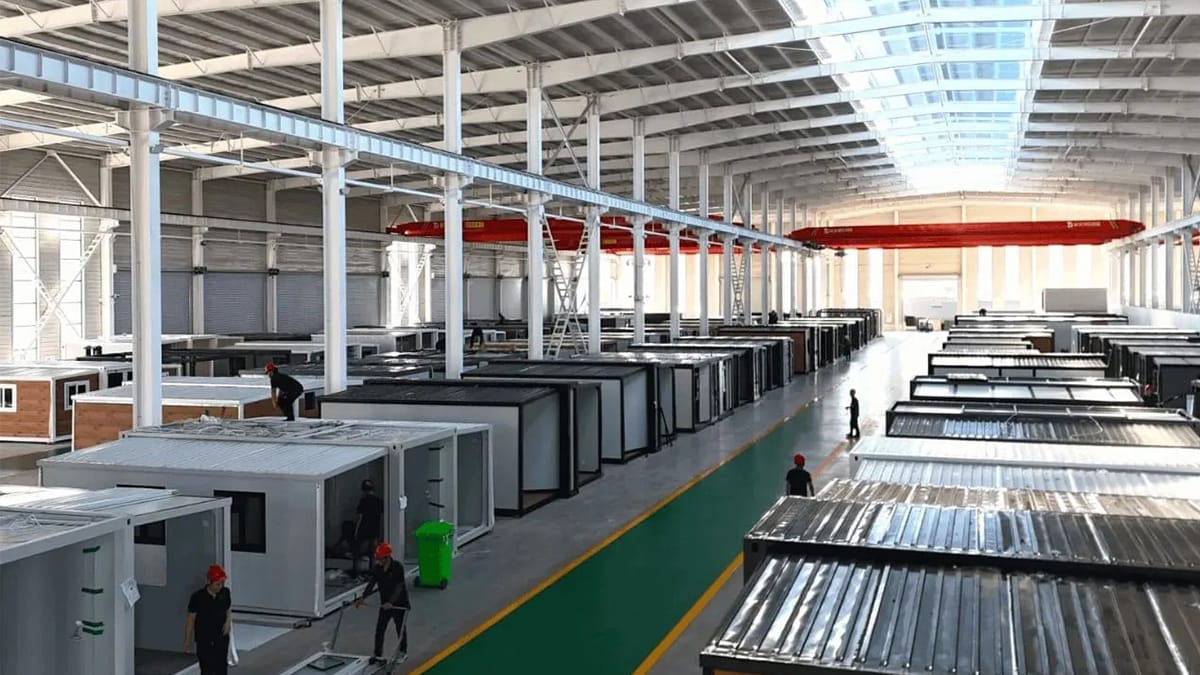
Major Brands vs. Local Suppliers
You can pick major brands or local suppliers. Major brands give strong warranties and tested designs. They offer more choices for layouts and upgrades. Local suppliers often have lower prices and deliver faster. It is easier to talk with them about your needs. Major brands may charge more for shipping and installation. Local suppliers might use materials that suit your climate.
Tip: Ask both major brands and local suppliers for a full price list. Compare what each includes in their offer.
New vs. Used Folding Container Houses
You can buy a new or used folding container house. New homes have the latest features and better energy efficiency. Used homes cost less and help you save money. Some used homes are ready to move in. Used homes might have problems with structure or insulation. You should check for damage before you buy.
Here is a table to help you compare:
|
Disadvantages |
|
|---|---|
|
Prefabricated |
Not always good for recycling |
|
Easy to transport |
Possible structural problems |
|
Predictable costs |
|
|
Recyclable |
|
You should look at a used container house carefully. Check for rust, leaks, or weak spots. Ask for repair records if you can.
International vs. Domestic Options
You can buy a foldable container house from another country or from a local supplier. International options give you more styles and sometimes lower prices. You need to pay extra for shipping, customs, and insurance. Domestic options make delivery easier and faster. You may avoid import taxes and get better support.
Here is a table showing common international expenses:
|
Expense Type |
Description |
Cost Range |
|---|---|---|
|
International Shipping Costs |
Shipping by distance |
|
|
Installation Costs |
On-site setup |
$200 – $1,500 |
|
Duties and Customs Clearance |
Import taxes |
3% – 12% of total price |
|
Additional Commissioning Costs |
Plumbing, electrical, site prep |
$300 – $1,000 |
|
Shipping Insurance |
Covers shipping damage |
1% – 3% of goods’ value |
Note: Always ask for a full breakdown of costs before you buy from overseas. This helps you avoid surprises and plan your budget.
Budgeting for a Foldable Container House

Estimating Total Costs
You should know the total cost before you start. Make a list of every part of your project. Think about the price of containers, site work, permits, and utilities. Add costs for insulation, plumbing, and electrical systems. Always ask contractors for quotes on installation.
Here are steps to help you figure out the total cost:
-
Pick a design that uses space well. Simple designs help you save money.
-
Stay away from tricky layouts. Extra cutting and joining cost more.
-
Choose materials that balance quality and price. Good work affects the final cost.
-
Check your site. Removing trees or hard-to-reach places can raise costs.
-
Look up prices for flooring, wall finishes, and cabinets for your space.
-
Add costs for insulation, plumbing, and electrical systems.
-
Get quotes from contractors for installation and finishing.
Tip: Write down every cost you expect. This helps you see the total cost and avoid surprises later.
Hidden and Extra Expenses
Many people forget about hidden costs when planning. You must look past the basic price of the container home. Some costs show up later. These can include:
-
Permit fees from local offices
-
Utility hookups for water, electricity, and sewage
-
Site work like grading, tree removal, or clearing land
-
Transportation and delivery charges, especially for faraway places
-
Insurance for shipping and installation
-
Inspection fees for safety codes
-
Repairs or upgrades after delivery
Plan for extra costs if you want upgrades. Better insulation, smart home systems, or custom finishes add to the price. Always ask your supplier for a full list of costs.
Note: Save part of your budget for surprise costs. This keeps your money safe and helps you stay on track.
Financing and Payment Options
You have different ways to pay for your foldable container house. Financing helps you spread out the cost and manage your budget. Here are common choices:
-
Traditional bank loans, like personal loans or home improvement loans
-
Manufacturer financing, including in-house programs and leasing
-
Government grants and help for energy-saving or affordable homes
-
Peer-to-peer lending, which connects you with other lenders
You need to meet certain rules for most loans. Lenders often want a credit score of 620 for regular mortgages. Personal loans may accept scores between 610 and 640. Special loans work best if you have a good score and low debt. Make sure your container home sits on a permanent base and talk to a contractor about your plans.
Here is a table showing typical interest rates and loan terms:
|
Financing Option |
Interest Rates |
Loan Terms |
|---|---|---|
|
Personal Loans |
Higher than traditional |
Shorter repayment terms |
|
Specialized Container Home Loans |
Varies by lender |
Flexible terms |
|
Home Equity Loans or HELOCs |
Lower than personal |
Longer repayment terms |
|
FHA and VA Loans |
Lower down payments |
Strict property requirements |
|
Manufacturer or Builder Financing |
Higher than traditional |
Varies by builder |
Tip: Compare financing options before you choose. This helps you find the best fit for your budget and goals.
Creating a Budget Plan
You need a clear budget plan to control costs. Start by setting a realistic budget. Include every cost, like containers, site work, permits, and utilities. Use your money wisely so you do not spend too much.
Follow these steps to make your budget:
-
List all expected costs, including hidden and extra ones.
-
Set a maximum budget for each part of the project.
-
Look for budget-friendly choices, like affordable containers from local sellers or online.
-
Compare prices for materials and hire workers during slow times.
-
Try DIY for simple jobs to save on labor.
-
Make your design simple to lower material and building costs.
-
Track your spending as the project goes on.
Tips for budgeting and saving money: Use budget-friendly materials but keep good quality. Find affordable containers at ports or shipping companies. Make your design simple to keep costs low.
You can change your budget as you go. This helps you manage costs and protect your money. Careful budgeting gives you more control and helps you reach your goals.
Remember: Good budgeting makes your container home project easier and safer. You save money and avoid stress from surprise costs.
Money-Saving Tips and Negotiation
Reducing Folding Container House Costs
You can save money by planning ahead. Compare prices from different suppliers. This helps you find good deals. Pick simple designs that use space well. Fewer custom features cost less. Use recycled materials if you can. These materials are cheaper and help the planet. Choose energy-efficient insulation and windows. This lowers your utility bills over time.
Tip: Ask suppliers for a full price list. This helps you compare prices and spot hidden fees.
Negotiating with Suppliers
Negotiating can help you save money. Try these steps when talking to suppliers:
-
Learn the words used in the industry. This helps you talk clearly.
-
Do not take the first offer. Always ask for a better deal.
-
Get quotes from many suppliers. This gives you more power.
-
Have a deposit ready to show you are serious.
-
Look for extra perks, like free delivery or upgrades.
Note: Comparing prices from many suppliers gives you more power when you negotiate.
Efficient Design and Sustainable Practices
Smart design and green choices help you save money now and later. The table below shows how smart choices lower costs:
|
Aspect |
Benefit |
|---|---|
|
Production Cost |
Smart design lowers building expenses. |
|
Maintenance Cost |
|
|
Labor Cost |
Simple builds save on worker fees. |
You can save more by using recycled materials and small layouts. These homes keep heat in and cold out. You spend less on energy. Lower energy use means smaller bills. Foldable container houses need little fixing, so repairs cost less. Over time, these choices make your home cheaper and help the planet.
Tip: Compare prices of folding container houses with smart designs. This helps you find options that save money and help the environment.
You now know the main factors that affect foldable container house prices. You understand how to plan your budget and spot hidden costs. Careful planning helps you avoid surprises and get the best value. Use this guide to compare options and make smart choices.
-
Review your needs and set a clear budget.
-
Contact suppliers for detailed quotes.
-
Use a budgeting checklist to track expenses.
Tip: Start your project with a clear plan. This helps you save money and reach your goals.
FAQ
How long does it take to set up a foldable container house?
You can set up most foldable container houses in one to three days. The time depends on your site and the design you choose. Some homes need extra work for plumbing or electricity.
Can you live in a foldable container house year-round?
Yes, you can live in a foldable container house all year. Good insulation and heating help you stay comfortable in any season. Ask your supplier about options for cold or hot climates.
What permits do you need for a foldable container house?
You need building permits from your local government. Some areas ask for extra permits for plumbing or electricity. Always check rules before you buy or build.
Are foldable container houses safe in storms or earthquakes?
Foldable container houses use strong steel frames. Many models can handle storms and earthquakes. Ask your supplier for safety ratings and choose upgrades for extra protection.
Can you customize the inside of your foldable container house?
You can pick your own flooring, paint, and fixtures. Some suppliers let you change the layout or add smart home features. Custom choices may cost more.