


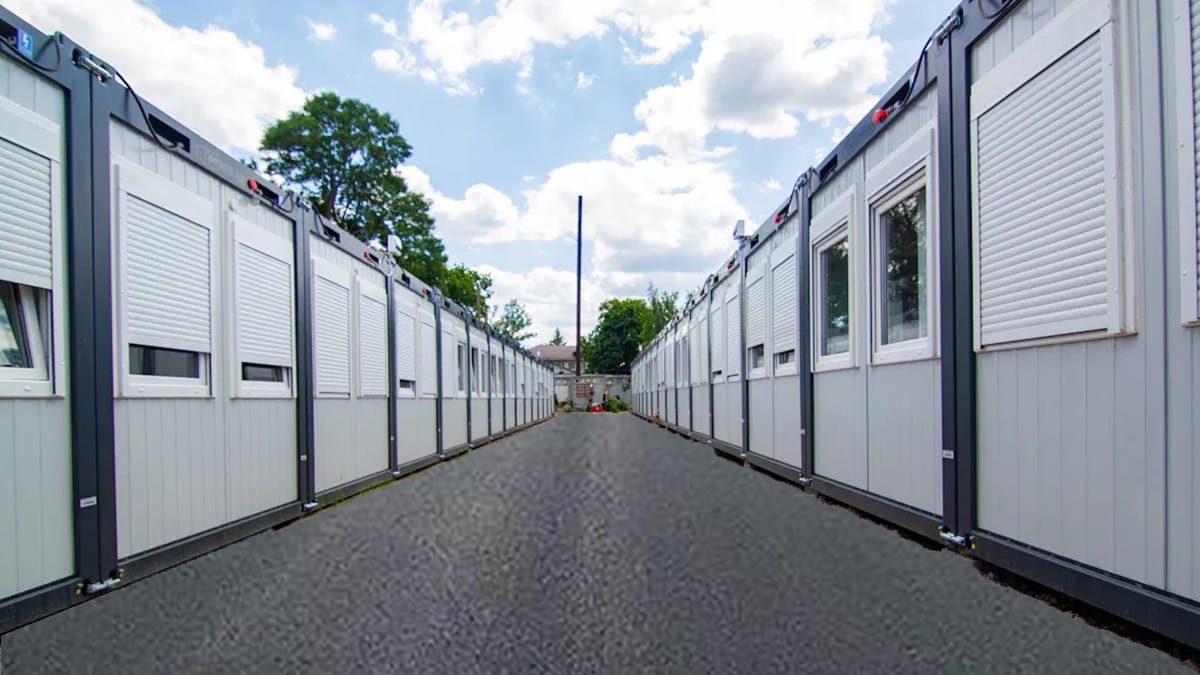
04 Dec A Complete Guide to Expandable Prefab Folding Container Houses
Table of Contents
- 1 Key Takeaways
- 2 What Is a Prefab Folding Container House
- 3 How Expandable Container Houses Work
- 4 Installation Steps for Expandable Container Houses
- 5 Benefits of Expandable Container Houses
- 6 Choosing the Right Expandable Model
- 7 Cost and Buying Considerations for Expandable Container Houses
- 8 What to Expect Before and After Buying
- 9 FAQ
You will see that an expandable prefab folding container house sets up fast. It gives you a flexible space to live in. This prefab folding container house has an expandable design. You can put it together or move it easily when you need to. The global market for prefab folding container house solutions is growing quickly. It may be worth $10.99 billion in 2025. Experts think it will grow by 10.8% each year until 2032.
Application/Use Case | Description |
|---|---|
Housing Solutions | Portable homes for building sites and faraway places. |
Disaster Relief | Fast shelter for emergencies and tough weather. |
Commercial Purposes | Offices or stores that can be temporary or permanent. |
Flexibility and Customization | Living spaces you can change and kitchens that save energy. |
Mobility | Simple setup and moving for businesses in many places. |
You can use a prefab folding container house in many ways. Expandable prefab choices help with homes, businesses, or emergencies.
Key Takeaways
Expandable prefab folding container houses are fast to set up. You can make a place to live or work in just a few hours.
These homes are easy to move and can be used in many ways. They are good for homes, offices, and emergency shelters.
You save money because they cost less at first and use less energy. This makes expandable container houses a smart way to spend money.
These homes are good for the environment because they use eco-friendly materials. They can also use green technology like solar panels.
You can change your space to fit what you want. You can pick the size, layout, and features you need.
What Is a Prefab Folding Container House
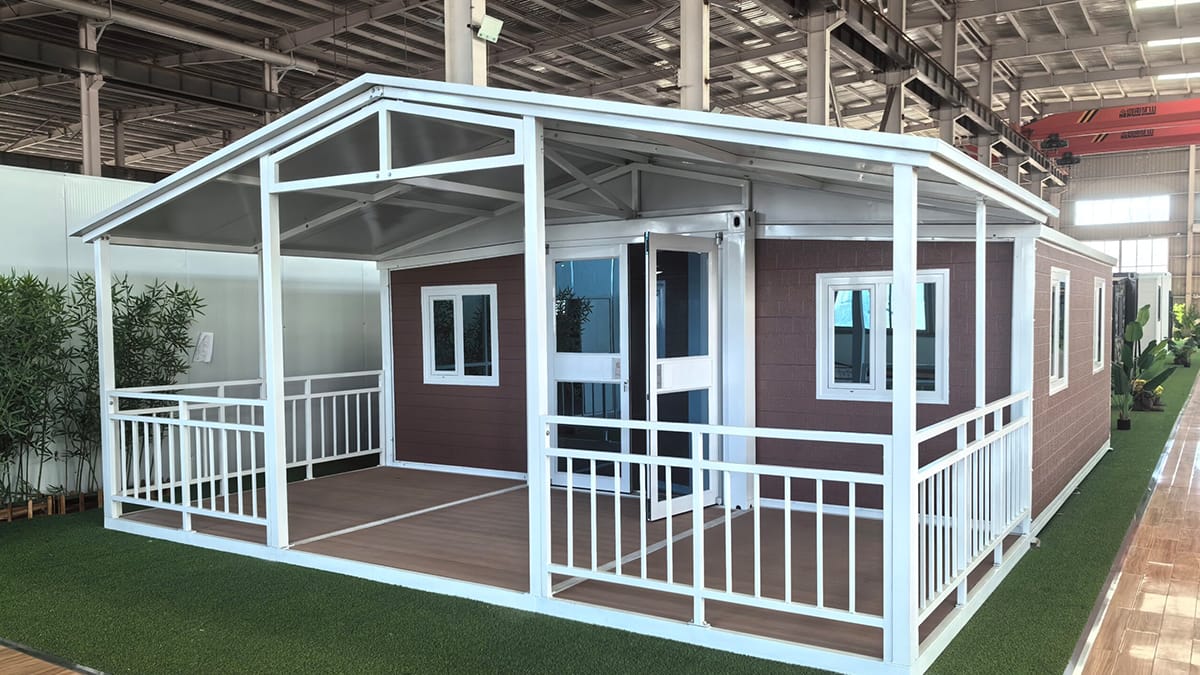
Prefab folding container homes are a new way to make houses fast. You can use them for living, working, or as emergency shelter. These houses set up quickly and can move to new places. The expandable design lets you fold and unfold the house. This gives you more choices and makes things easier. Folding houses work for many things. You can use them as offices, guest cabins, or for disaster relief. They use strong materials and smart design. This helps you stay comfortable and safe.
Key Features
Prefab folding container homes have many important features. These features make them different from other portable homes.
Feature | Description |
|---|---|
Durability | The house uses strong steel. It can handle bad weather and lasts a long time. |
Adaptability | You can change the inside to fit your needs. The design matches your lifestyle. |
Structural Integrity | The steel frame keeps the house stable and safe. It is strong at important joints. |
Foldable Mechanism | Hinges and locks help you fold and unfold the house. This makes setup easy. |
Insulation | The house has thermal insulation. It keeps the temperature nice and saves energy. |
Applications | You can use these houses for homes, businesses, or temporary places to stay. |
Folding container homes are good for cheap living.
You can set up quick houses for shops or offices.
Foldable container houses work well in disaster areas.
You can make schools or clinics with prefab folding houses.
Tip: You can make your living space bigger in just a few hours. The folding design helps you move and build the house fast. This saves you time and work.
Differences from Standard Container Homes
Expandable container houses are not the same as regular shipping container homes. They are different because of the materials, how they are built, and their design.
Factor | Prefab Modular Container Homes | Shipping Container Homes |
|---|---|---|
Materials | These homes use the best materials for strength and long life. | Shipping container homes use old containers. They need lots of changes. |
Construction Methods | They are built off-site and put together fast, sometimes in weeks. | Shipping container homes need big changes to be safe to live in. This takes longer. |
Cost | You pay more at first for good quality. But it costs less than building a regular house. | You pay less at first, but fixing and keeping them costs more. |
Sustainability | These homes use eco-friendly materials and save energy. | Shipping container homes reuse old containers. But changes can use more energy. |
Customization | You can pick the design and features you want. | Shipping container homes have limits because of their shape. |
Comfort and Quality | You get a modern home with good insulation and nice things. | Shipping container homes can feel uncomfortable unless you upgrade them. |
Expandable container houses are easy to move to new places.
You can change the design for offices, homes, or shelters.
They save energy and help you pay less for bills.
You can use folding houses for guest cabins or emergencies.
You can set up these houses much faster than regular homes.
Note: Expandable container houses are quick to set up and easy to change. You can build your prefab home fast and pick the layout you want.
Folding container homes give you more choices than regular shipping container homes. The expandable design helps you make comfy, energy-saving spaces with less work. You can pick the size, layout, and features that fit your life. Expandable container houses help you enjoy modern living anywhere.
How Expandable Container Houses Work
Structure and Materials
Expandable container houses have a strong frame for safety. The frame uses galvanized steel or corten steel. These metals stop rust and protect from bad weather. The walls use aluminum composite panels. These panels are light and tough. You can move the house easily because of them. For insulation, you get glass wool, polyurethane, or rock wool. These keep your house warm in winter and cool in summer. The floor uses marine-grade plywood. This plywood does not get damaged by water. It is strong and lasts a long time. Inside, you can pick drywall or insulated panels. These make the walls smooth. The roof uses corrugated metal sheets. This makes the house sturdy and keeps out rain. Windows and doors have metal frames. This gives extra strength. Protective coatings like electro-galvanization or polyurethane topcoats help the house last longer.
Component Type | Material Description |
|---|---|
Steel Framework | Galvanized steel or corten steel for durability and rust resistance. |
Aluminum Composite Panels | Lightweight and rust-resistant panels for external cladding. |
Insulation Materials | Glass wool, polyurethane, and rock wool for thermal resistance and fire retardance. |
Plywood Flooring | Marine-grade plywood for strength and moisture resistance. |
Drywall or Insulated Panels | Used for interior wall finishing based on customer preferences. |
Roofing Materials | Corrugated metal sheets for lightweight and strong roofing. |
Windows and Doors | Metal-framed options for durability and customization. |
Protective Coatings | Electro-galvanization or polyurethane topcoats for corrosion resistance. |
Folding and Expansion Mechanism
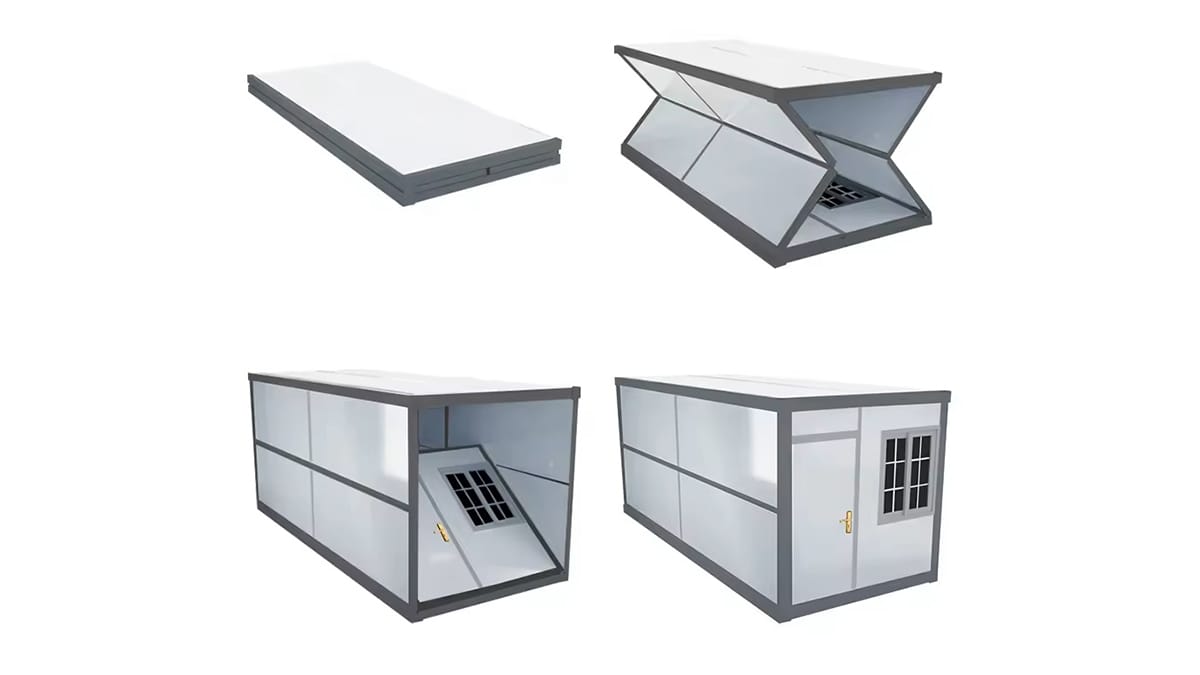
You can fold the house to a small size. It gets down to about one-fourth its full height. This makes it easy to move and store. To set it up, you unlock special parts. Then you unfold the walls or pull out telescoping frames. You do not need many tools. You can finish setting up in less than ten minutes. The design uses strong steel frames and tough corners. Your house stays safe even if you stack units. Insulation, wiring, and plumbing work in both folded and open states. Some models use hydraulic systems or sliding rails. These help you set up the house smoothly. The folding and expansion system lets you change your space fast and safely.
Foldable containers flatten for easy transport.
Expansion uses locking mechanisms and telescoping frames.
High-quality models use marine-grade steel and weatherproof seals.
Built-in systems stay functional in both folded and expanded forms.
Hydraulic systems and sliding rails make setup simple.
Tip: You can make your living space bigger in minutes. This design is great for quick setup.
Space-Saving Design
Expandable container houses use smart ideas to give you more room. The flat roof design adds headroom and looks nice. You can turn a small unit into a big area in a few hours. The strong, weatherproof structure keeps you safe and dry. You can set up your house anywhere. Many models have smart home features and green building options. Some have fancy interiors. You can connect more units to make a bigger space. This design makes your house flexible for any use.
Feature | Description |
|---|---|
Maximizes interior space while providing a stylish aesthetic. | |
Easy Expansion | Transforms a compact space into a spacious environment in a matter of hours. |
Weatherproof Structure | Ensures safety and security, enhancing the usability of the space. |
Note: Expandable container houses mix function and style. You get a space that fits your life and looks good.
Installation Steps for Expandable Container Houses
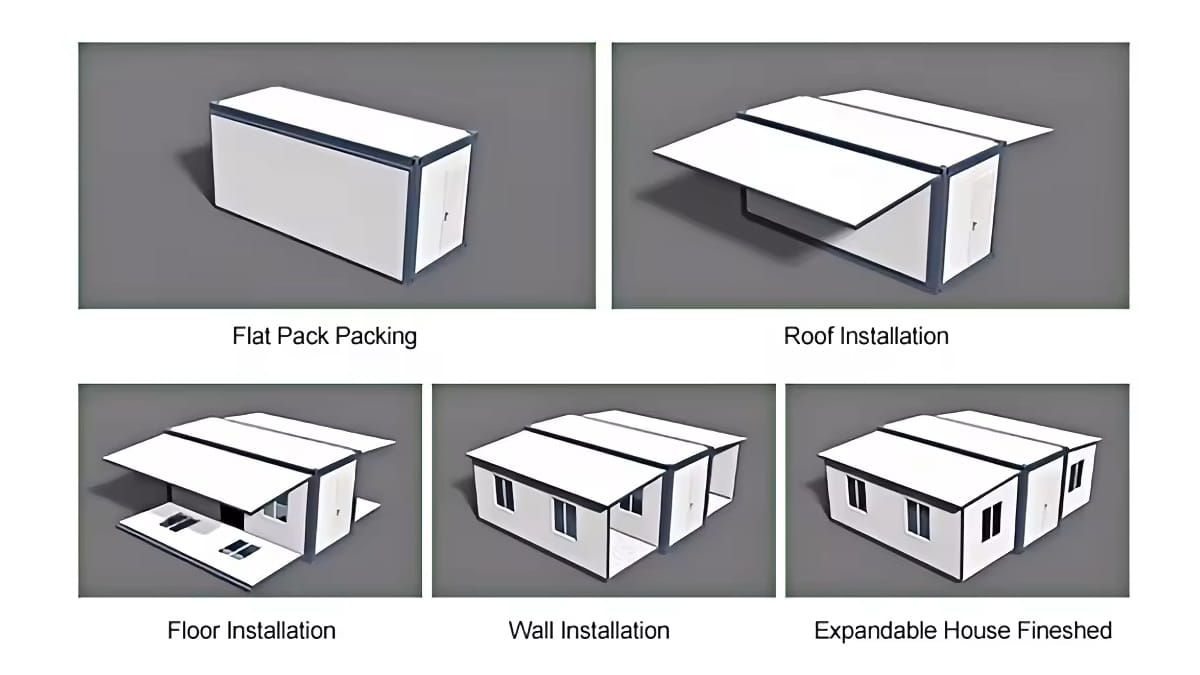
Setting up an expandable container house has a few main steps. First, you get the site ready. Then, you receive the house. Next, you put it together. Last, you connect the utilities. Each step helps you make a safe and comfy space. The design lets you change things easily.
Site Preparation and Foundation
You need a strong base for your house. This keeps it steady and safe. Here are the steps for getting the site ready:
Pick a good spot and check the soil. Make sure trucks and workers can get there.
Get permits and look at local rules. This stops problems later.
Clear the land. Take away plants, rocks, and trash. Make the ground flat.
Choose the best foundation. You can use concrete, piers, or strips. Pick what works for your area and needs.
Put in utility lines before the house comes. Plan for water, power, and sewage.
Make sure trucks can reach the site.
Check the site one last time before the house arrives.
Tip: A strong base keeps your house safe. Getting the site ready fast helps the whole job go quicker.
Delivery and Unpacking
Expandable container houses come ready to set up fast. You get quick delivery and easy unpacking. Here is what you should know:
Source | Delivery Time |
|---|---|
Source 1 | 7 days |
Source 2 | Minimum 35 days after advance payment |
Most sellers offer quick setup. Five workers can set up a house in about ten minutes. The house comes flat-packed. This makes moving it easy. When it arrives, check the box for damage. Open it and look at all the parts. Put panels and hardware in order for easy building.
Note: The folding design lets you move and unpack the house fast. You save time and spend less on workers.
Assembly and Expansion
You can build and expand your house with simple tools. The modular design makes it easy. Follow these steps for a smooth build:
Step | Description |
|---|---|
1 | The house comes flat-packed, ready to build. |
2 | Unfold the walls and lock them. |
3 | Secure the roof. |
4 | Two people can finish in less than an hour. |
The folding design lets you open the house and lock the walls.
Secure the roof to keep out rain and wind.
Connect panels and make sure they fit tight.
You do not need big machines. Two people can finish in under an hour.
Hook up water and power.
Tip: The modular design lets you make your space bigger fast. You can add more houses or change the setup when you want.
Securing and Utility Setup
After building, you need to make the house safe and connect utilities. This step keeps your house working well.
Make sure the house can handle more units later.
Check local rules and building codes. This stops legal trouble.
Plan your money for all parts of the build.
Set up utility lines early. This stops costly changes later.
Use panels you can remove for pipes and wires. This makes fixing things easy.
Seal any holes in the steel walls. This keeps out bad weather.
All systems must follow local rules for easy permits.
Think about space lost from thick walls.
Note: Good utility setup and strong connections keep your house safe and comfy. Planning ahead makes upgrades easier.
You can finish setting up an expandable container house quickly. The flexible design and smart features help you make a space that fits you. Careful site work, fast delivery, easy building, and safe utilities make the job smooth and quick.
Benefits of Expandable Container Houses
Fast Installation
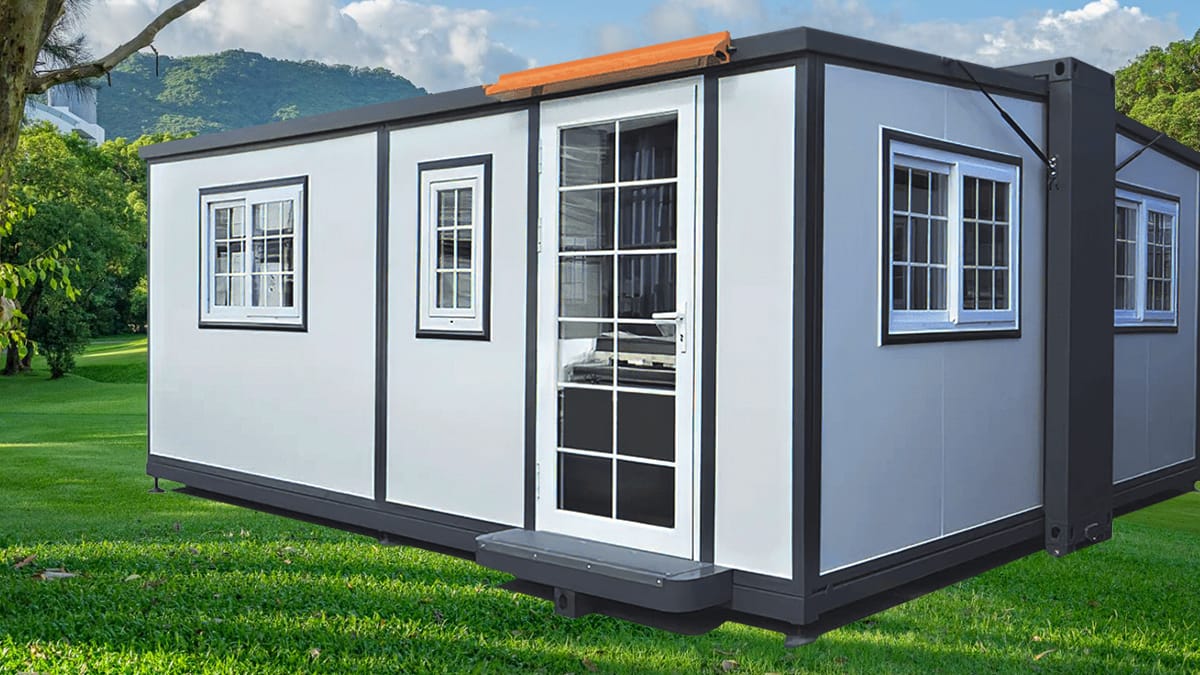
You can set up an expandable container house very fast. The design lets you build a flat pack home in just 8 hours. Regular building takes weeks or months. You save lots of time and skip long waits. The house comes ready to put together, so you do not need big machines. You get a useful space quickly. This helps you start living or working sooner.
A basic container home can be built in weeks.
Fancy container homes may take months to finish.
Expandable homes are quick and easy to set up.
Tip: Pick an expandable house if you want to save money and time.
Flexibility and Portability
Expandable container houses let you move and change your home easily. The smart design makes moving simple. You can take your home to new places without trouble. These houses work for short stays, living off the grid, or helping in emergencies. You can change the inside and features to fit your needs. You can make your space work for you. Expandable homes help you live in a modern and green way.
You can move your house to new places.
The smart design works for many living styles.
You can change the inside for different needs.
Cost Savings
Expandable container houses help you save money on your home. You pay less for building and workers. The design uses cheap materials that are easy to get. You spend less on bills because the house saves energy. Expandable homes are a good choice for people who want to save money. You pay less for repairs and upkeep.
Benefit | Description |
|---|---|
Lower Initial Cost | You spend less to buy and build your home. |
Reduced Labor Cost | Fast setup means you need fewer workers. |
Energy Efficiency | You pay less for heating and cooling. |
Sustainability
Expandable container houses help you live in a green way. The design uses earth-friendly materials and makes less trash. You need 80% fewer new materials than regular homes. You can add solar panels and collect rainwater. Good insulation keeps your home comfy and uses less energy. The small design helps you make less pollution. You get a green home that fits your life.
Earth-friendly materials make less trash.
Smart design lets you add solar panels and green upgrades.
You use less energy for heating and cooling.
Living green is easy with expandable homes.
The design helps you live in a better way.
Note: Expandable container houses mix green living, smart design, and money-saving choices for a better future.
Choosing the Right Expandable Model
Size Options (10ft, 20ft, 30ft, 40ft)
You can pick from different sizes for your mobile expandable prefab house. The most common sizes are 20ft, 30ft, and 40ft expandable container houses. Each size gives you a different amount of space. The 40ft expandable container houses have the most room. They are great for families or groups. The table below shows how much each size expands and the space you get:
Size Option | Expanded Dimensions (mm) | Compressed Dimensions (mm) | Usable Area (m²) |
|---|---|---|---|
20ft Expandable | 5900 × 6454 × 2480 | 5900 × 2200 × 2480 | 38.07 |
30ft Expandable | 9000 × 6160 × 2480 | 9000 × 2200 × 2480 | 55.4 |
40ft Expandable | 11800 × 6160 × 2480 | 11800 × 2200 × 2480 | 74.34 |
Think about how much space you want before you pick a size. If you want a tiny home, a smaller size is good. If you need lots of room, pick the 40ft expandable container house.
Intended Use and Layout
How you plan to use your expandable modular home changes the design and layout. You can use expandable container houses for living, working, or as emergency shelter. Each use needs a different setup. The table below helps you match your needs to the right design:
Intended Use | Layout Considerations |
|---|---|
Residential | Needs comfort and privacy for you and your family. |
Office | Should help you work and collaborate with others. |
Emergency Shelter | Must set up fast and provide basic needs for safety. |
Pick a living space that fits your life. If you want a home, choose a design with bedrooms and a kitchen. For an office, look for open spaces and places to meet. Emergency shelters need simple layouts for quick setup.
Customization and Room Count
You can change your mobile expandable prefab house in many ways. There are over 80 ways to customize your expandable container house. You can add rooftop decks, garage doors, and special outside walls. You can also pick how many rooms you want and the inside style. The table below shows how the number of rooms changes your living space:
Room Count | Description |
|---|---|
1 Room | Good for a studio, office, or guest room. |
2 Rooms | Works for a small family or vacation spot. |
3 Rooms | Fits a family of four or gives extra space for work. |
4 Rooms | Best for bigger families or modular housing solutions. |
You can design the inside with furniture, kitchen and bathroom pieces, and decorations that make your space cozy. Fast setup and pre-installed electricity and plumbing make things easy. You get lots of design choices for your expandable container house. The 40ft expandable container houses let you make a big, green, and custom living space.
Tip: Pick a design that fits your needs. You can make your expandable container house simple or fancy.
Cost and Buying Considerations for Expandable Container Houses
Price Factors
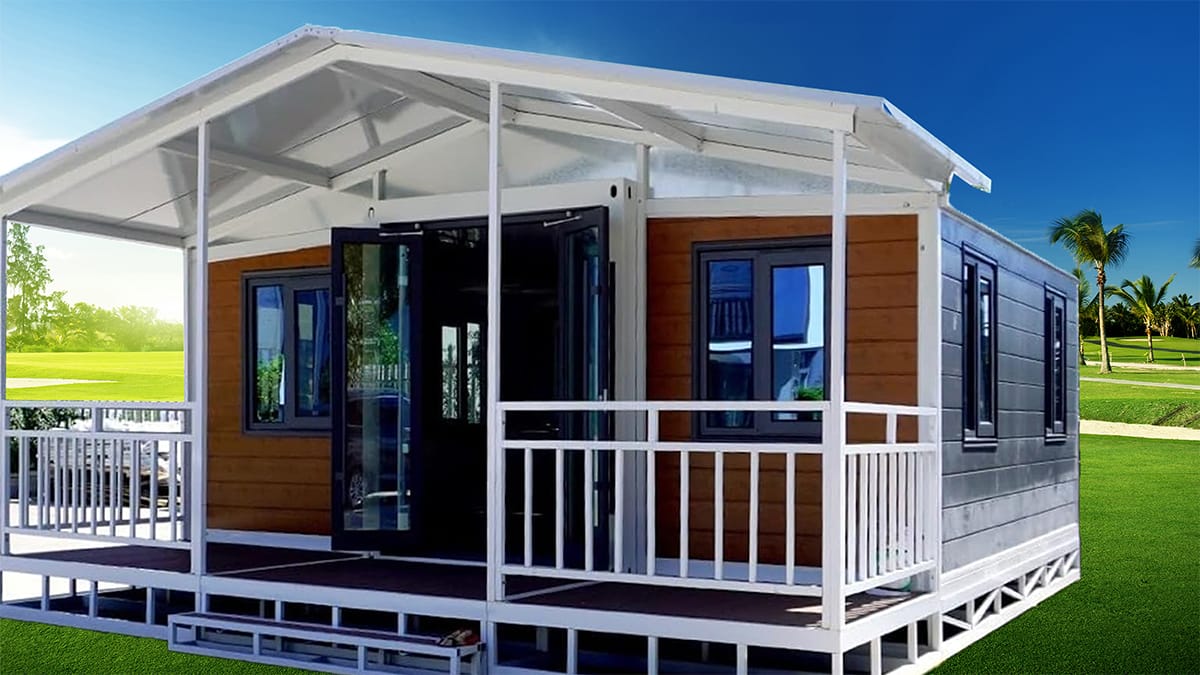
When you think about the price of an expandable container house, you need to look at a few things. The materials, size, and features all change how much you pay. Bigger houses with special designs cost more money. If you want things like solar panels or smart home technology, you will pay extra. Where you live matters too, because moving the house and getting the land ready adds to the price. If lots of people want these houses, prices can go up or down.
Factor | Description |
|---|---|
Materials | The kind and quality of materials, like steel and insulation, can make the house cost more or less. |
Size and Design | Bigger and fancier houses need more stuff and work, so they cost more. |
Location | Getting the land ready, moving the house, and local rules can change the total price. |
Additional Features | Things like solar panels and smart home tech make the house better but also cost more. |
Market Demand | If many people want these houses, prices can rise, but more sellers can make prices drop. |
Tip: Always check the house’s structure, insulation, and systems before you buy. A good expandable house uses strong materials and smart design.
Financing Options
There are different ways to pay for your expandable container house. If you put your house on a strong base and hook up utilities, you can get a regular mortgage. You need a credit score of at least 620 for this. Personal loans are good for smaller houses and need a score between 610 and 640. Government-backed loans, like USDA or FHA, are easier to get and need less money down. Seller financing means you work out a deal with the seller and can set your own payment plan.
Regular mortgages need a strong base and utility hookups.
Personal loans do not need anything to back them up and are approved fast.
Government loans need less money down and have easy rules.
Seller financing lets you make your own deal, but you should check it carefully.
Building Codes and Permits
You have to follow local rules when you put in an expandable container house. These rules say what your house can look like, how big it can be, and what kind of base it needs. You need to check how close your house is to the edge of your land. Some places have rules about plants and making the house easy for everyone to use. You must put in smoke detectors and follow rules for plumbing and electricity. The house must be strong enough for wind and snow. Energy rules mean you need good insulation and windows.
Regulation Type | Description |
|---|---|
Appearance | Rules about color, style, and outside materials. |
Accessibility | Rules for making the house easy for people with disabilities. |
Size | Limits on how big the house is and how many bedrooms it has. |
Site Offsets | How far the house must be from the edge of your land and other buildings. |
Foundation | Rules for the type and height of the base. |
Landscaping | Rules about what plants or trees you can remove. |
Means of Egress | Rules for exits and hallways. |
Fire and Smoke Protection | Rules for smoke and carbon monoxide alarms. |
Electrical, Mechanical, and Plumbing | Rules for how these systems are put in. |
Energy Conservation | Rules for windows, insulation, and energy-saving appliances. |
Structure | Rules for wind, snow, and making the house strong. |
Note: Local, county, and state rules can be different. Always ask your city before you start building.
Supplier and Warranty
Pick a supplier who answers fast and delivers on time. Find a company that lets you change the design and uses CAD or BIM services. A good supplier gives a warranty for the house, electrical, and plumbing. Most warranties last three years. They do not cover damage from using the house wrong or from natural disasters. After-sales help is important, so read what other buyers say before you buy.
Criteria | Description |
|---|---|
Response Time | Two hours or less means good customer service. |
On-Time Delivery Rate | Ninety-eight percent or more means they deliver on time. |
Reorder Rate | Forty percent or more means customers are happy and buy again. |
Customization Support | CAD/BIM services help you change the layout. |
Warranty Coverage | Check how long the warranty lasts, what it covers, and if you get help. |
After-Sales Support | Read reviews to see if the company helps after you buy. |
Tip: A good supplier helps you get a strong, green expandable house with a good warranty.
What to Expect Before and After Buying
Pre-Purchase Checklist
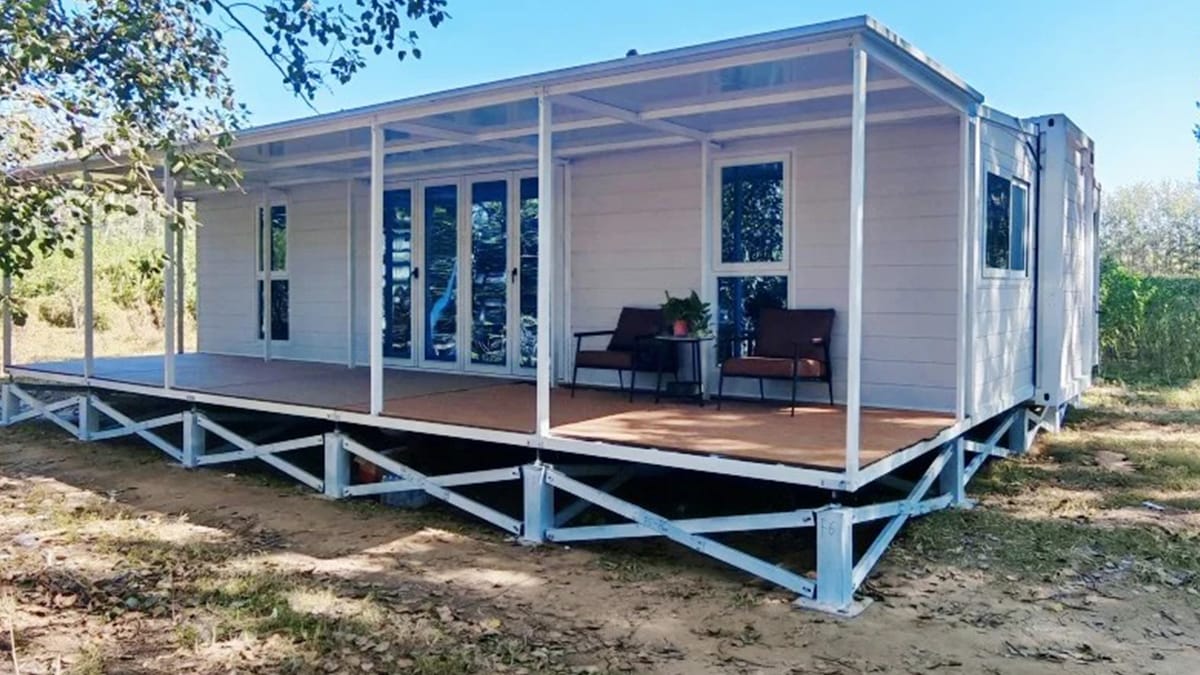
Before you buy an expandable container house, you should check some important things. A checklist helps you avoid trouble and pick the best design for you.
Look at the frame for rust or dents. Make sure nothing weakens the structure.
Check if the insulation works well. Good insulation keeps your home cozy and saves energy.
Make sure plumbing and electrical systems are safe. They must follow local rules.
Find out about local laws and permits. You need the right paperwork.
Think about using recycled and eco-friendly materials. This makes your home better for the planet.
Tip: Inspect everything carefully. This helps you choose a house that fits your life and local rules.
Post-Installation Care
After you set up your expandable container house, you need to take care of it. Simple steps keep your house safe and comfortable.
Check the roof and seams often. Fix leaks or damage fast.
Add sealants and coatings when needed. This stops rust and water problems.
Remove leaves and trash from the roof. Water can cause trouble if it pools.
Clean inside and outside often. Dirt can hurt the design.
Make sure window and door seals are tight. Good seals save energy.
Look at the foundation for cracks or shifting. A strong base keeps your house steady.
Check plumbing and electrical systems often. This keeps everything working well.
Use rust-proof paint and safe materials for repairs. This helps you live green.
Keep pests away and let air move well. Moisture and bugs can harm your house.
Common Issues and Solutions
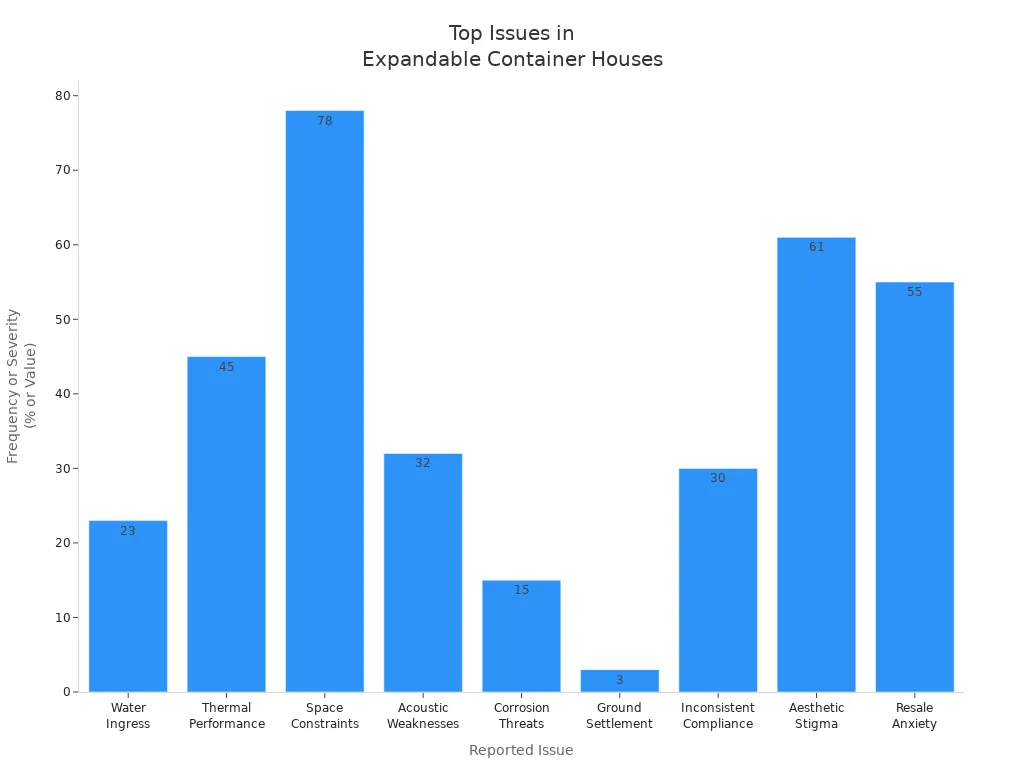
Expandable container houses can have some problems. You can fix most issues with regular care and smart choices.
Issue | Solution |
|---|---|
Water Ingress | Seal joints and check after heavy rain. |
Thermal Performance | Add better insulation and use energy-saving HVAC. |
Space Constraints | Pick a design with more headroom or connect more units. |
Acoustic Weaknesses | Use soundproof panels for more comfort. |
Corrosion Threats | Use rust-proof coatings and check homes near the coast often. |
Ground Settlement Issues | Build on a strong base and check for shifting. |
Inconsistent Compliance | Work with local officials to follow all rules. |
Aesthetic Stigma | Change the outside look to match your style. |
Resale Anxiety | Keep up with care and write down upgrades to keep value. |
Note: You can stop most problems by picking a strong design, caring for your house, and planning for a green future.
You get lots of good things with an expandable prefab folding container house. The expandable design lets you set up your house fast. You can change the space and move it easily. You also get a home that is good for the planet and fits what you want. Before you buy, do these steps:
Decide why you need the house and pick the best design.
Look at the materials and insulation to make sure they last.
Check what you can change to make your house special.
Plan how you will get, build, and upgrade your house later.
Learn about suppliers and see what warranty and help they offer.
Tip: Spend time looking at different models and features. This helps you make a home that fits your life.
FAQ
How does an expandable container house work?
You open the walls and roof to make more space. The expandable design helps you set up your home fast. You can move the house easily. You can also change the layout to fit what you want.
Can you customize the design of an expandable container house?
You can pick the layout and how many rooms you want. You can choose finishes and add things like decks or more windows. The expandable design lets you make your home fit your style and needs.
Is an expandable container house sustainable?
You use less material with this kind of house. The expandable structure helps you save energy. You can add solar panels and rainwater systems for a green home.
What are the main benefits of the expandable design?
You can set up the house fast and move it easily. The design lets you change the layout when you need to. You save time and money. You can make your space bigger as your needs change.
How do you maintain an expandable container house?
You should check the roof and walls often. Clean the house and look for leaks. The expandable design makes fixing things easy. You can change panels or add new features without much work.