19 Oct Is It Cheaper to Build or Buy Prefab House?
Table of Contents
If you want to know if it is cheaper to build or buy a modular home, you are not alone. Many people look for a cost-effective route when starting the home building process. Recent data shows prefab homes can save you money, but you need to look at the final price tag, not just the sticker price. When you build a house or choose to buy a modular home, you should consider every cost. Take a look at these big expenses:
Cost Category | |
|---|---|
Site preparation | $20,000–$50,000+ |
Foundation | $6,000–$30,000+ |
Utilities hookups | $6,500–$30,000+ |
Installation & assembly | $10,000–$50,000+ |
Permits & fees | $1,500–$7,500 |
Finishes & customization | $30–$60/sq ft |
Comparing all these steps helps you find the true cost and make the smartest choice for building a home.
Key Takeaways
Modular homes usually cost less to build than regular houses. You can save up to 53% on starting costs. Think about all costs like land, permits, and utilities. This helps you know the real price of your home. Modular homes can be finished much faster than regular homes. You can move in after weeks, not months. Monthly costs for modular homes are usually lower. This includes insurance and property taxes. You can save money over time. Customization can make costs go up. Plan your budget well and pick standard features for better value.
Cost Comparison
Upfront Cost
When you compare the first costs, modular homes are cheaper. Modular homes cost less for each square foot than regular houses. Here is what you might pay:
Single-section modular homes: $78.60 per sq. ft.
Multi-section modular homes: $86.71 per sq. ft.
Site-built houses: $168.86 per sq. ft.
You can save up to 53 percent with modular homes. This is a big savings if you want to spend less money.
Let’s look at the main costs you pay at the start for both types:
Cost Category | Estimated Cost Range |
|---|---|
Land and Site Development | $10,000 to $100,000+ |
Utility Hookups | $1,500 to $20,000+ |
Permits, Fees, and Inspections | $1,000 to $5,000+ |
Foundation Work | $6,000 to $50,000+ |
Assembly and Labor | $15,000 to $70,000+ |
You should plan for each cost before you build your house. Modular homes often have lower labor costs because they are built in a factory. You also wait less time for your house to be finished. This can help you save money on places to stay or store your things.
Ongoing Cost
After you move in, you still have to pay for things each month. Modular homes and regular houses have different costs for repairs, insurance, and taxes. Here is a quick look:
Type of Home | Insurance Costs | |
|---|---|---|
Manufactured Homes | Usually lower because they are smaller and built with new methods, but you might need repairs more often. | Insurance can cost less, but it is sometimes harder to get. |
Traditional Homes | Costs can change a lot depending on age, weather, and materials; you need to save money each year for repairs. | Easier to get insurance, and you have more choices. |
You might pay less for insurance and taxes with modular homes. Here are the average monthly costs:
Home Type | Average Monthly Insurance Cost | |
|---|---|---|
Traditional Home | $250 | $100 |
Prefab Home | $50 | $50 |
Modular homes can help you save money every month. Building in a factory keeps the house safe from bad weather and damage. You can fix just one part of a modular home instead of the whole thing. This makes repairs cheaper. Some insurance companies do not know much about modular homes, so prices can change based on where you live.
Hidden Cost
Hidden costs can surprise you if you do not plan ahead. Both modular and regular houses have extra costs that show up while building. Here is a table with some common hidden costs:
Hidden Cost Type | Estimated Cost Range |
|---|---|
Land Development Costs | $1,000 to $5,000 |
Permit and Inspection Fees | $500 to $5,000 |
Insurance | $1,500 to $5,000 annually |
Utility Upgrades | $2,000 to $10,000 |
Site Access and Terrain Issues | $5,000 or more |
Additional Financing Costs | $1,000 to $3,000 |
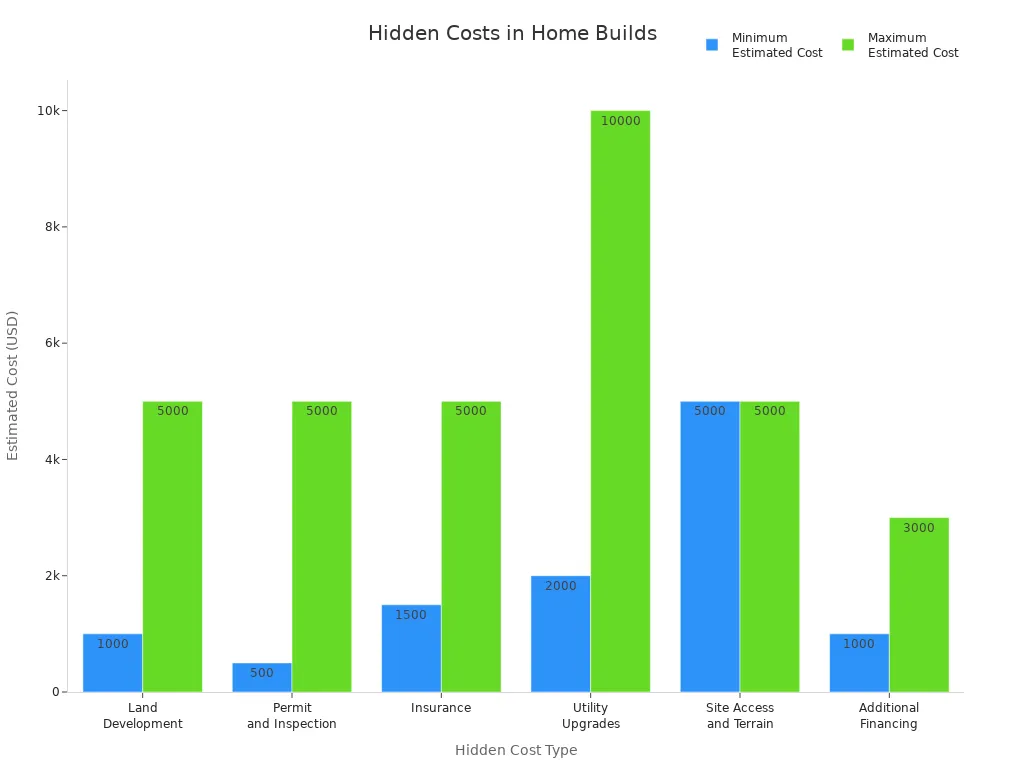
You may need to pay more for land work, better utilities, or special permits. If your land is hard to get to or rough, the price goes up fast. Getting a loan can also make your total cost higher. Always ask about these costs before you buy or build a house.
Tip: Make a list of all possible costs before you start. This helps you avoid surprises and keeps your spending under control.
Modular Homes vs Building Houses
Cheaper to Build
Modular homes cost less to build than regular houses. This is because they are made in a factory. Workers build inside, so weather does not slow them down. They finish homes faster and make fewer mistakes. Rain or snow does not stop the work.
Here is a table that shows the price difference:
Home Type | Average Cost |
|---|---|
Modular Homes | |
Traditional Houses | $323,000 |
You save about $83,000 with modular homes. That is almost 26% less money. This big savings comes from a few things:
Factor | Explanation |
|---|---|
Homes are built inside, so weather does not cause problems. | |
Bulk purchasing of materials | Factories buy lots of supplies at once, so they pay less. |
Reduced waste | Modular homes use only what they need, so there is less trash. |
Predictable building process | You do not get surprise costs from weather or missing workers. |
You also save money on labor. Modular homes need fewer workers and less time. The work is faster and better organized. In some places, labor costs are high, so this helps a lot. If you want to spend less, modular homes are a smart pick.
Tip: Ask your builder how much work is done in the factory. More factory work means you pay less for labor and waste.
Construction Time
Most people want to move in quickly. Modular homes are ready much faster than regular houses. Once the modules arrive, they can be finished in a few days. Regular houses can take months or even half a year.
Here are the steps for each type:
Step | Traditional Build | Modular Home |
|---|---|---|
Planning | Custom layout finished on-site | Floor plan picked or designed first |
Construction | Built outside, open to weather | Built in a factory, safe from weather |
Site Preparation | Starts after building begins | Happens while modules are built |
Delivery and Assembly | Not needed | Modules brought and put together on-site |
Final Inspections | After all building is done | After assembly |
This is what you can expect for time:
Modular homes can be finished in three days after modules arrive.
Regular houses take about 32 weeks to build.
Modular homes can cut build time by 60-70%.
You can move into a modular home in weeks, not months.
Finishing faster saves you money. You pay less for workers. You do not need to rent another place for long. Modular homes are not just cheaper—they are also quicker to finish.
Note: Moving in sooner means you save money on storage or renting another place.
When you compare modular homes and regular houses, you get lower cost, less waiting, and less stress. Modular homes help families get a new house fast and for less money.
Cost of Modular Homes
When you look at the cost of modular homes, you see more than just the price tag. The total cost includes the home itself, transportation, land, and zoning. Each part can change what you pay in the end.
Transportation Fees
You need to move modular homes from the factory to your land. This step adds to the cost of modular homes. The cost depends on how far your house travels, the size of the modules, and the route. If your land sits far from the factory or in a city, you might pay more. Most people spend between $5,000 and $15,000 for transportation. Some pay even more if the route is tricky.
Here is a quick look at common transportation costs:
Service/Item | Estimated Cost |
|---|---|
Basic Transportation (Short) | $1,000 – $3,000 |
Basic Transportation (Long) | $3,000 – $10,000 |
Dismantling and Preparation | $300 – $1,500 |
Setup and Assembly | $500 – $2,500 |
Permits and Fees | $100 – $1,000 |
Insurance Coverage | $100 – $300 |
Specialized Equipment | $500 – $2,000 |
Tip: Ask your builder for a full breakdown of transportation fees before you buy. This helps you plan for the real cost of modular homes.
Land and Zoning
The cost of modular homes also depends on land and zoning. You need to buy land, and the cost of land changes a lot by location. Some places charge more for land near cities or good schools. You also need to check zoning rules. These rules tell you what kind of homes you can place on your land.
Here are some zoning rules that can affect the cost of modular homes:
Lot size: Some counties want bigger lots for modular homes.
Setback rules: You must keep your house a certain distance from roads or property lines.
Utility requirements: You may need to connect to city water or power.
Community appearance: Some places want homes to look a certain way.
Check this table for common zoning impacts:
Impact Type | Description |
|---|---|
Zoning Laws | Decide what type of homes you can build on your land. Some places limit modular homes. |
Minimum Home Size | Some areas set a minimum size for your house. |
Foundation Requirements | Local rules may require a certain type of foundation. |
Setback Requirements | You must place your house a set distance from the road or property line. |
The cost of modular homes can go up if you need special permits or must change your plans to fit local rules. Always check the cost of land and zoning before you buy. This helps you avoid surprises and keeps your budget on track.
Affordability Factors
 Customization
 Customization
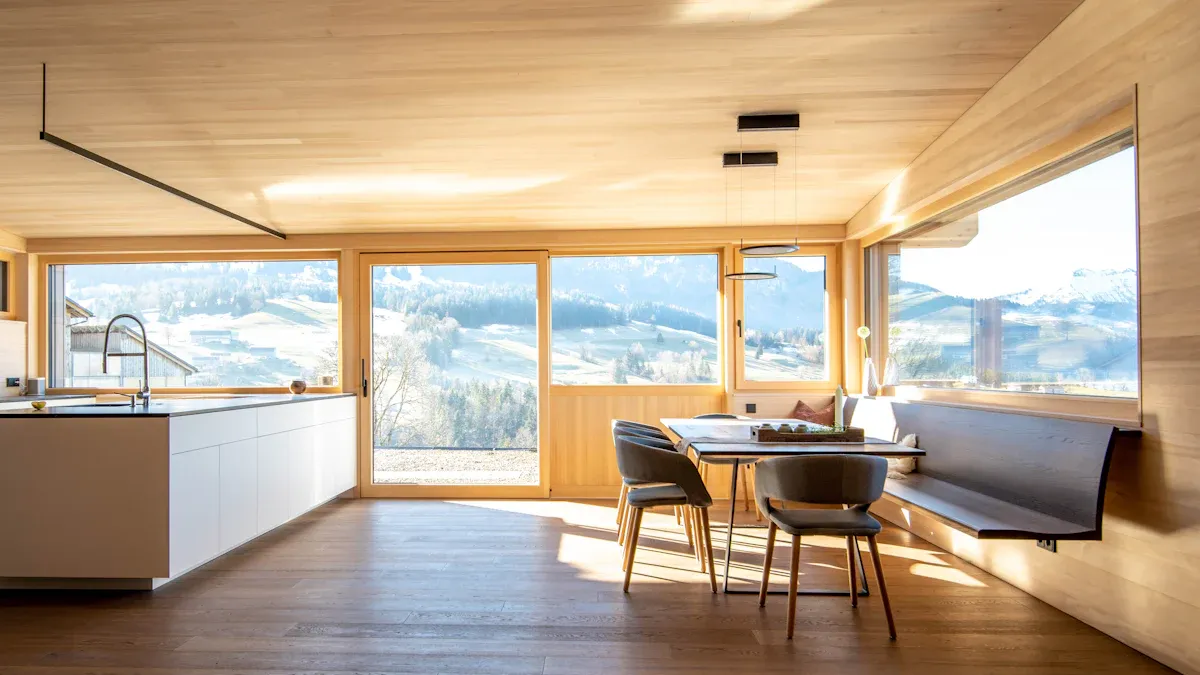
If you want to change your modular home, it can cost more. Picking a basic design saves money. Adding special rooms or fancy finishes makes the price go up. Builders charge extra for new plans or special parts. Basic modular homes give you good value for the price. If you want a garage or more space, you will pay more.
Customization Option | Cost Estimate (per square foot) |
|---|---|
Garage | |
Deck | Varies |
Basement | Varies |
Landscaping | Varies |
Modular homes are most affordable if you choose standard features. If you want extras, ask your builder how much each one costs.
Financing
There are different ways to pay for modular homes. You can use personal loans, FHA loans, or VA loans. Personal loans have fixed rates but higher interest. FHA loans let you pay less up front, but you must follow rules. VA loans are for veterans and have lower interest rates. These choices help you keep your payments steady.
Personal Loans: Fixed rates, higher interest.
FHA Loans: Lower down payments, fixed rates, stricter rules.
VA Loans: Lower interest rates for veterans.
Some government grants can help you pay less. The Advanced Prefabricated Zero Carbon Homes program gives money for energy-saving homes. The Capital Magnet Fund helps people with low incomes buy modular homes.
Grant Name | Description |
|---|---|
Advanced Prefabricated Zero Carbon Homes | $15M for zero-carbon modular homes, helps with energy efficiency and cost. |
Capital Magnet Fund | Grants for low-income housing and modular home financing. |
Location
Where you build your modular home changes the price. In places like California and New York, homes cost more. This is because of higher pay for workers and strict rules. In Texas or Georgia, land and building cost less. If your land is far from the factory, moving your home costs more. Local rules and how many people want homes can also change the price.
Factor | Influence on Cost and Availability |
|---|---|
Regional Labor Rates | Changes total cost for modular homes. |
Transportation Costs | Long distances increase cost. |
Local Building Codes | Stricter codes raise cost and affect quality. |
Material Availability | Local supply impacts cost and quality. |
Land Costs | Varies by region, affects affordability. |
Market Demand | High demand increases cost. |
Check local rules and prices before you buy a modular home. This helps you get the best deal and good quality.
Tip: Ask your builder about local costs and grants. Planning ahead can help you save money and make your home more affordable.
Pros and Cons
Prefab Home Value
When you look at the pros and cons of modular homes, you see many reasons why people choose them. Modular homes often have a lower cost up front, but they also hold their value well over time. In fact, modular homes can appreciate in value just like traditional homes. Over a 10-year period, you can expect modular homes to gain value if you pick a good location and keep your home in great shape.
You get strong value from modular homes because they must meet the same building codes as site-built homes. Builders use high-quality materials and modern designs. This helps your home last longer and need less maintenance. Here are some things that help modular homes keep their value:
Modular homes have lower maintenance needs.
Energy-efficient designs save you money and add value.
Recyclable materials help your home keep its value.
Location matters a lot for resale value.
Quality materials and custom features boost final sale prices.
Well-maintained homes always hold value better.
Upgrades like new windows or modern finishes increase value.
Good craftsmanship from trusted builders makes a big difference.
If you want a home that saves you money and keeps its value, modular homes are a smart choice. You get a good balance of cost and value, which is a big part of the pros and cons.
Tip: Take care of your modular home and add energy-saving upgrades. This helps your home keep its value for years.
Traditional Build Value
Traditional homes also have their own pros and cons. Many people think site-built homes always have more value, but that is not always true. Over the past 20 years, both modular and traditional homes have appreciated at almost the same rate—about 5% each year. From 2000 to 2024, site-built homes went up by 212.6%, while modular homes rose by 211.8%. This shows that both types of homes can give you strong value growth.
Traditional homes sometimes cost more to build and maintain. You may pay more for repairs and updates. Still, you can find value in traditional homes if you pick a good location and keep your home in top shape. The resale value depends on things like:
The quality of materials and finishes
How well you maintain your home
The location and local market
Custom features and upgrades
If you want a home with a long history and classic style, traditional homes offer strong value. Just remember to weigh the pros and cons, including the higher cost and upkeep.
Note: Both modular and traditional homes can give you great value. The best choice depends on your needs, budget, and how much work you want to put into your home.
Choosing the Best Option
Budget Assessment
 Budget Assessment
You want to make sure your money goes as far as possible. Start by looking at your total budget. Think about how much you can spend right now and what you can pay each month. Modular homes often cost less up front, so you might get more space for your money. You also save on labor and building time. If you want to move in quickly, modular homes help you avoid long waits and extra rent.
Make a list of all your costs. Include land, permits, transportation, and setup. Don’t forget about ongoing bills like taxes and insurance. Modular homes usually have lower monthly costs, which helps you save over time. If you want to add custom features, check how much each upgrade will cost. Some upgrades can make modular homes more expensive, so plan ahead.
Tip: Write down your must-haves and nice-to-haves. This helps you see where you can save and where you want to spend more.
Personal Needs
Your home should fit your life. Modular homes give you many choices, but you need to think about what matters most to you. Ask yourself a few questions before you decide:
How much space do you need? If you have a big family or want extra rooms, make sure the home fits everyone.
What design do you like? Modular homes come in many styles, but some traditional builds offer more custom options.
Does your lifestyle need special features? If you work from home, you might want a quiet office. If you love to cook, look for a bigger kitchen. Families with kids may need more bedrooms or a play area.
Modular homes work well for many people. They are fast, flexible, and can be built almost anywhere. If you want a home that matches your style and needs, modular homes give you lots of options. Traditional homes might suit you if you want full control over every detail, but modular homes make it easy to get started and move in fast.
Note: Think about your daily routine and future plans. The right choice will make your life easier and happier.
Prefab homes can help you save money, especially where homes cost a lot. You should think about if the home fits your land and local rules. Customizing your home is important if you want special features. Prefab homes are finished faster than regular homes. Make sure you can get insurance and a loan for your home. If you live where wildfires happen, prefab homes can meet safety rules. Take time to list what you need most. Pick the home that fits your budget and how you want to live.
Key Consideration | Details |
|---|---|
Site Compatibility | Builders need to check if their system works with the land. |
Customization | It is important to have design choices, especially if you must rebuild in a certain space. |
Timeline and Delivery | You need clear details about how long building and delivery will take. |
Insurance and Financing | You must have the right papers for loans and insurance to show you follow building codes. |
Cost Considerations | Prefab homes can cost about the same as regular homes in expensive places. |
Built for Fire Zones | Prefab homes can help you follow fire safety rules if you live where wildfires are common. |
Tip: Make a list of what you need before you choose a home. This helps you pick the best one for your family.
FAQ
What is the main reason prefab homes cost less?
Prefab homes cost less because builders make them in factories. This saves time and cuts down on mistakes. You pay less for labor and materials. You also avoid weather delays.
Can you customize a modular home?
Yes, you can pick layouts, finishes, and extras. Some builders offer many choices. If you want special features, ask your builder about the cost before you decide.
Do prefab homes last as long as traditional homes?
Prefab homes can last just as long as traditional homes. Builders use strong materials and must follow building codes. If you take care of your home, it will last for many years.
Is it hard to get a loan for a modular home?
You can get a loan for a modular home. Some banks may ask for extra paperwork. FHA and VA loans work for many buyers. Ask your lender what you need to qualify.
Will a prefab home go up in value?
Prefab homes can go up in value like traditional homes. Location, upkeep, and upgrades matter most. If you keep your home in good shape, you can build equity over time.