


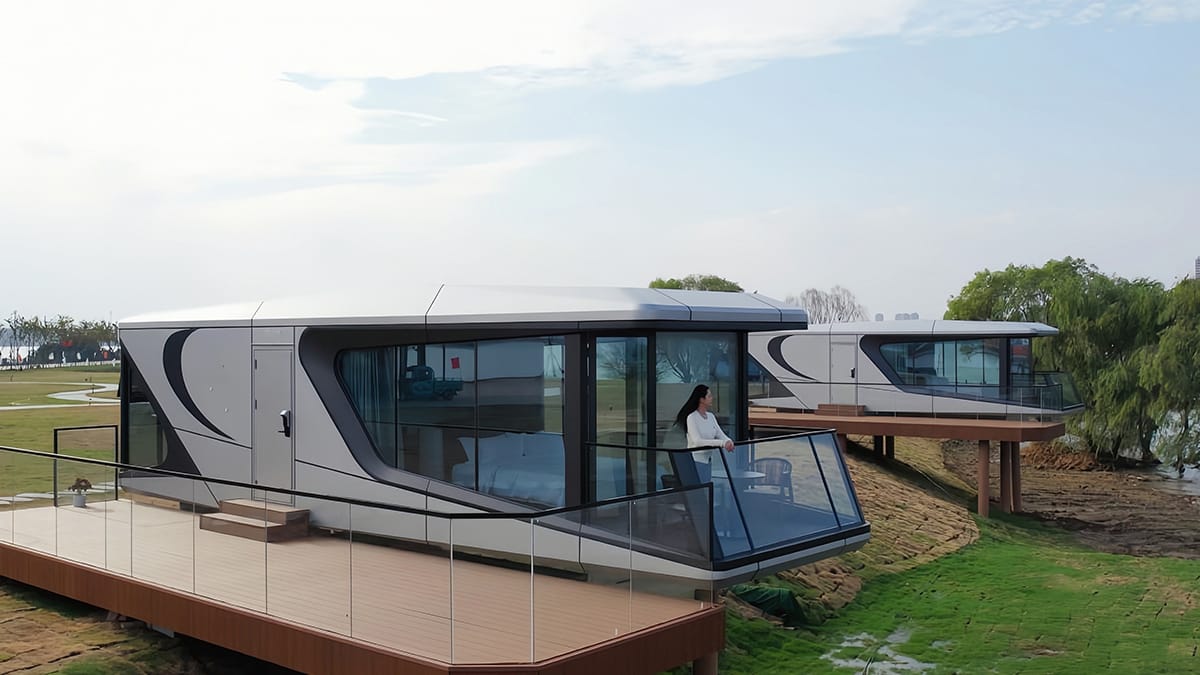
11 Oct A Guide to Modern Modular House Choices
Table of Contents
Are you interested in modular house options that match your style and schedule? You can choose from modern styles or warm, classic designs. Modular homes allow you to change layouts and finishes, meaning you can get your home quickly. Builders finish modular house options in weeks, not months. Look at these facts:
Modular homes accounted for 3% of single-family builds in 2023.
The Northeast and Midwest had a 5% market share.
Multifamily modular builds increased to 7%.
Aspect | Modular Homes | Traditional Construction |
|---|---|---|
Construction Speed | Done in weeks | Needs months |
Design Flexibility | Not as flexible |
Key Takeaways
Modular homes are built fast. You can move in after a few weeks, not months.
You can pick your own floor plans. You can choose finishes and layouts. This helps you match your lifestyle.
Modular homes usually cost less than regular homes. This helps you save money.
These homes have eco-friendly features. They use good insulation and solar panels. This makes them use less energy.
Look up local builders. Visit model homes. This helps you find the best modular home for you.
Modular House Options
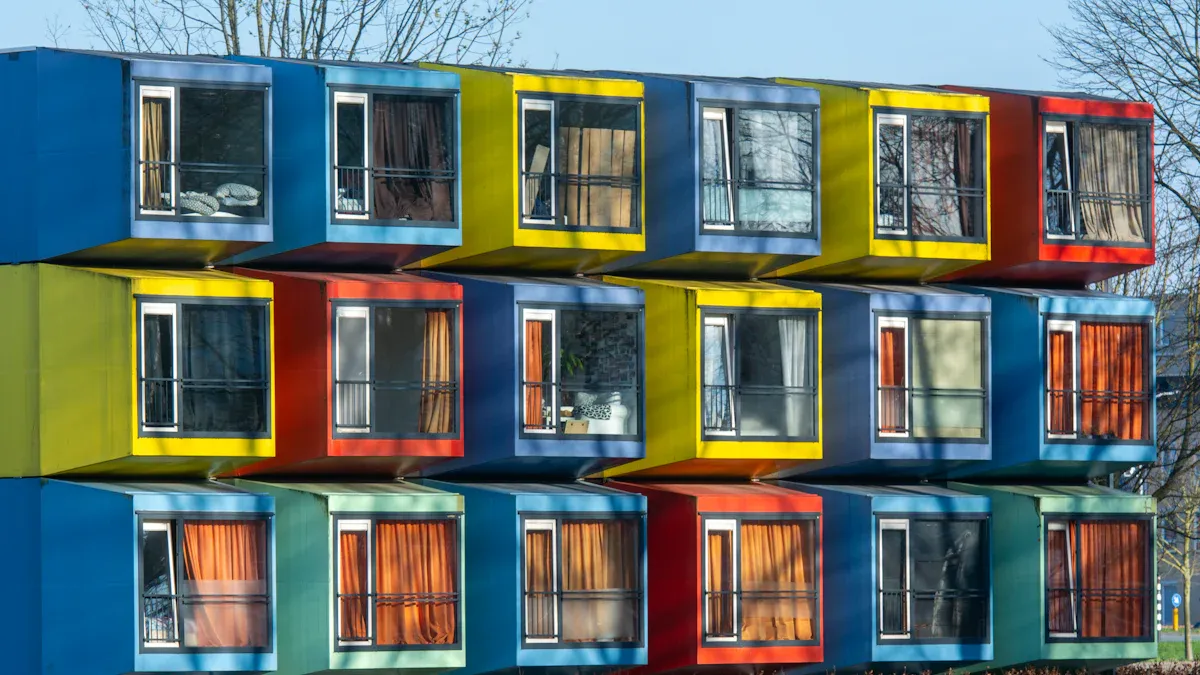
What Are Modular Homes
You may ask how modular homes are not like regular houses. Modular homes are made in pieces at a factory. Workers bring the pieces to your land and put them together. This way of building is called modular home construction. Your house follows strict building rules. It often has better standards than homes built on-site. Local governments treat modular homes like regular houses. You can get a normal mortgage for them.
Here’s a simple look at what modular homes are and how they compare:
Evidence Description | Explanation |
|---|---|
Modular Home construction is more exacting than that found in ‘Site-built’ homes. | Modular homes follow stricter rules, so you know they are good quality. |
Municipalities do not differentiate between modular and site-built homes. | You get the same legal rights and ways to pay as other homes. |
Modular homes are erected on a permanent engineered foundation system. | Your home sits on a strong base, just like a regular house. |
Modular homes are considered real property and financed with mortgages. | You can buy a modular home with the same loans as a site-built home. |
When you look at modular house options, you will see many types. Each type has special features and lets you change things. See this table for what you can pick:
Type of Modular Home | Description |
|---|---|
Panelized Homes | Wall panels and roof parts are made before, so building is fast and you can change the design. |
Pre-Cut Homes | Parts are cut at the factory and put together on-site, saving money and helping the planet. |
Manufactured Homes | These homes are built in a factory, follow HUD rules, and cost less. |
Others | Includes tiny homes, ADUs, and prefab parts for quick and green living. |
You can find modular house options in almost every state. Prices go from $160,000 to $320,000. The average price is $240,000. States like Texas, Louisiana, and Oklahoma have cheaper modular homes for all budgets. Some places focus on saving energy. Others help you save money with sales. If you want a prefab home that costs less, you have many choices.
Tip: You can change your modular home’s floor plan, finishes, and layout. This lets you make a space that fits your life.
Benefits of Modular Living
Picking modular house options gives you lots of good things. You save time and money. You get a home that lasts. Here are the main benefits:
Affordability: Modular homes cost less because factories build them quickly.
Quick Construction: You move in sooner. Most modular homes are ready in weeks.
Customizable Designs: You choose the floor plan, finishes, and features you like.
Energy Efficiency: Modular homes use tight building and good insulation, so you pay less for utilities.
Durability: These homes are made to travel and be put together, and they often follow strong building codes.
Here’s how modular homes compare to regular homes:
Aspect | Modular Homes | Traditional Homes |
|---|---|---|
Construction Time | 6-12 Weeks | |
Cost | Lower, fixed cost | Variable, higher cost |
Some people think modular homes cannot be changed or are not good quality. That is not true. Experts say modular homes let you be creative and make changes. Modular homes often have the same or better quality than regular homes.
Misconception | Expert Response |
|---|---|
Limited Design Flexibility | Modular homes fit many styles. |
Inferior Quality | Modular homes meet or beat regular standards. |
Lack of Customization | You can change your modular home to fit your needs. |
You get a home that costs less, is built fast, and is easy to change. Modular house options let you control your space, whether you want a small home or a big family house.
Prefabricated Home Options
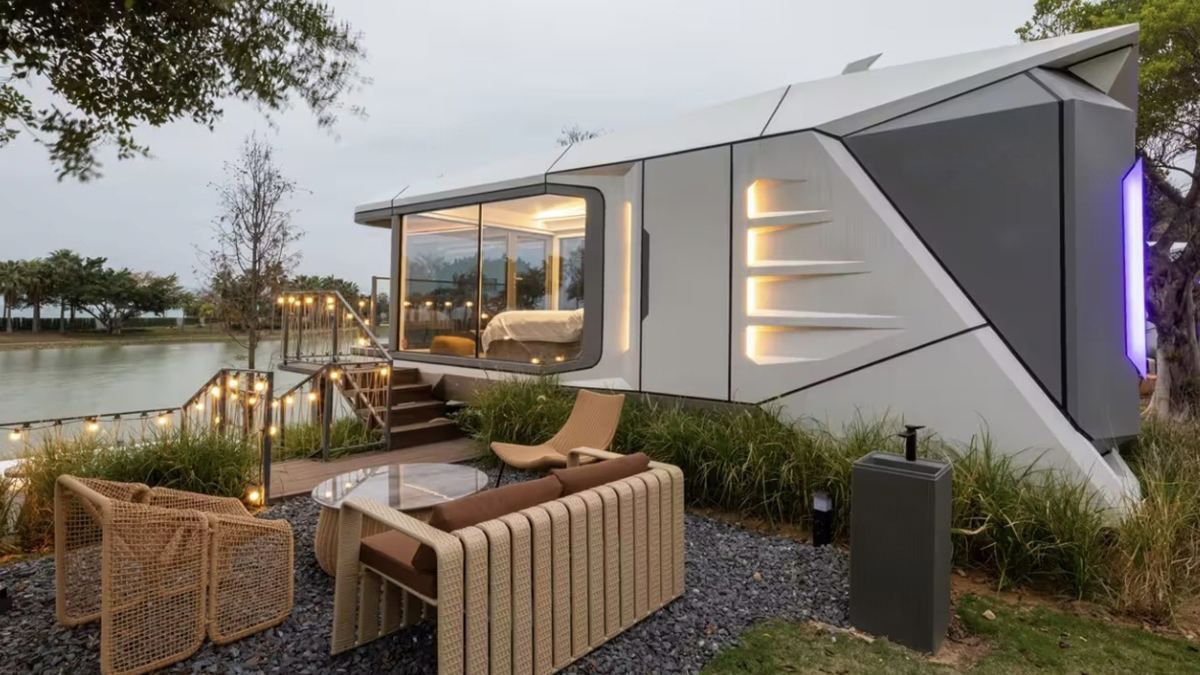 When you look at prefabricated home options, you will see many choices. Each prefab construction method has its own good points for price, speed, and being green. Let’s look at the most popular types so you can pick what works for you.
Capsule Tiny Home
Capsule tiny homes are very popular in 2024. These homes are small but feel bigger inside. They use smart layouts and furniture that does more than one thing. This helps you live well in a small space. Most capsule tiny homes use earth-friendly materials and clean energy. You will pay less for utilities because of good insulation and smart tech. Many young people like these homes because they are cheap and easy to change. The tiny house market is growing fast, and capsule tiny homes are leading.
Feature | Capsule Tiny Homes | Traditional Tiny Homes |
|---|---|---|
Width | 10.5 feet | 8 feet |
Height | 7 feet 10.5 inches standing height | 8.5-9.5 feet tall |
Durability | Up to 50 years | 20-30 years |
Energy Efficiency | Advanced thermal insulation, lower costs | Often lacks energy-efficient features |
Affordability | Affordable entry into real estate market | Higher costs for traditional construction |
Tip: Capsule tiny homes are easy to care for and save you money.
Panelized Construction
Panelized construction is fast and lets you make changes. Wall panels and roof parts are built in a factory and sent to your land. Skilled workers make these panels carefully, so your home is built quickly. You can pick your design, finishes, and where to build. The outside of your home can be put up in just a few days. This is much faster than building the old way.
Making panels in a factory makes them better quality.
Putting them together on-site is quick and needs fewer workers.
You have lots of ways to change your home.
You can build almost anywhere you want.
This way saves time and cuts down on mistakes.
Advantages of Panelized Construction | Disadvantages of Panelized Construction |
|---|---|
Plenty of customization options | Potential for higher costs than modular |
Flexible site selection | More homeowner involvement |
Efficiency |
|
One point of contact |
|
Note: You may need to help more with the build, and it can cost more than modular homes. Still, panelized construction gives you speed and control.
Modular Construction
Modular construction is a top choice for prefab homes. Parts of your home are made in a factory and then brought to your land. This way is known for being strong and lasting a long time. Modular homes can stand up to bad weather and last for many years. The housing market treats modular homes like regular houses, so they keep their value.
Modular construction uses wood, steel, or concrete for strength.
Wood is light, easy to use, and good for the planet.
Steel is very strong and can handle tough weather.
Concrete makes the home steady and safe in earthquakes.
Properties | Durability Impact | |
|---|---|---|
Wood | Light, moderately strong, easy to manipulate, biodegradable, good insulator | Gains strength with heat, sustainable, minimizes waste |
Steel | Strong, ductile, non-combustible, can be treated to prevent corrosion | Very strong, survives critical weather conditions, reusable |
Concrete | Heavy, labor-intensive, relies on reinforcement for tensile strength | Designed for stability, can be anchored for seismic loads |
You can find modular homes in most states, and they are a great pick for people who want a quick and sturdy home.
Timber Frame Homes
Timber frame homes use wood from forests that are managed well. This helps nature and looks nice. Timber keeps your home warm in winter and cool in summer. You can save up to 30% on energy bills compared to normal homes. If you take care of them, timber frame homes can last over 100 years.
Timber frame homes use wood that grows back.
They help animals and plants live better.
Wood keeps your home comfy all year.
Using the sun can lower heating and cooling bills.
Timber takes in carbon dioxide, which helps the earth.
Construction Method | Initial Cost Range | Long-term Cost Benefits |
|---|---|---|
Timber Frame Homes | Higher than stick frame | Energy savings can offset initial costs |
Stick Frame Construction | Lower initial cost | Less energy-efficient over time |
“Timber-frame homes can last more than 100 years if you care for them and use good wood.”
SIPS Construction
SIPS means Structural Insulated Panels. These panels have foam inside that keeps your home warm or cool. SIPS can cut your heating and cooling bills in half. The panels are made in a factory, so there is less waste. Homes with SIPS stay comfy in any weather.
SIPS can lower your heating and cooling bills by half.
The panels keep the temperature steady inside.
High R-values mean you pay less for energy.
Less waste on-site is better for the earth.
Advantages of SIPs | Limitations of SIPs |
|---|---|
High load-bearing capacity | Potential moisture issues |
Energy efficiency and airtightness | Requires proper HVAC sizing |
Fewer support members needed | Risk of mold growth if not managed |
Ductility and flexibility under stress |
|
Log Homes
Log homes are strong and look natural. New log homes use better ways to seal and fasten logs, so they last longer. You can pick from different trees and styles, like handcrafted or timber frame. Many companies sell log home kits with everything you need. Log homes follow strict building rules and high standards.
Characteristic | Description |
|---|---|
Modern Construction Techniques | Engineering principles with specific crafting, sealing, and fastening techniques. |
Variety of Tree Species | Different types of trees for construction, impacting aesthetics and durability. |
Different Styles | Manufactured, handcrafted, half-log, and timber frame options. |
Package Sales | Packages include logs and other necessary components. |
Building System | Recognized building system that complies with local building codes. |
Code of Ethics | Strict ethical standards and construction manuals for builders. |
Options for Construction | Shell construction or full turnkey options, depending on customer needs. |
Insulated log cabins keep the inside temperature steady and use less energy. You get the beauty of wood with new insulation and double windows.
Insulated log cabins keep the inside comfy.
They use less energy.
Wood and new building ways stop heat from escaping.
Container Homes
Container homes use old shipping containers to make cool and cheap houses. You can live in the city or the country. In cities, container homes save space and look modern. You can move them or use them on rooftops. In the country, they fit in with nature and work well off-grid with solar power and rainwater. You can make your home bigger if you need more space.
Setting | Popular Uses | Description |
|---|---|---|
Urban | Space Efficiency | Container homes provide compact living solutions ideal for city dwellers. |
Urban | Modern Aesthetics | Their industrial look enhances the urban landscape. |
Urban | Mobility | Easily transportable, offering flexibility for city residents. |
Urban | Rooftop Retreats | Incorporate green spaces in dense urban areas. |
Rural | Harmony with Nature | Designed to blend with the natural landscape. |
Rural | Off-Grid Living | Ideal for sustainable living with solar power and rainwater harvesting. |
Rural | Expandability | Allows for growth and additional structures as needs change. |
Rural | Peace and Quiet | Provides a tranquil retreat from urban life. |
Hybrid | Urban-Rural Balance | Offers a lifestyle that combines urban convenience with rural tranquility. |
Hybrid | Work-From-Anywhere | Serves as both urban workspaces and rural retreats. |
Hybrid | Creative Design | Can be tailored to meet specific lifestyle needs. |
Community | Urban Communities | Can be part of co-living developments fostering collaboration. |
Community | Rural Gatherings | Can serve as social hubs for community events. |
Container homes cost less than regular modular homes. They use recycled materials, so they are better for the planet.
Aspect | Container Homes | Traditional Homes |
|---|---|---|
Cost | Generally more affordable due to repurposed materials and reduced construction time. | Typically more expensive due to complex construction processes and ongoing maintenance costs. |
Environmental Impact | Lower impact due to the use of repurposed shipping containers and potential for eco-friendly features. | Larger footprint due to traditional materials and higher energy consumption during construction. |
If you want a home that is flexible, cheap, and good for the earth, container homes are a great choice.
There are many prefabricated home options for you. Each prefab method has something special, whether you want speed, to help the planet, or a cool look. Take your time and choose what fits you best.
Sustainability and Performance
 Eco-Friendly Features
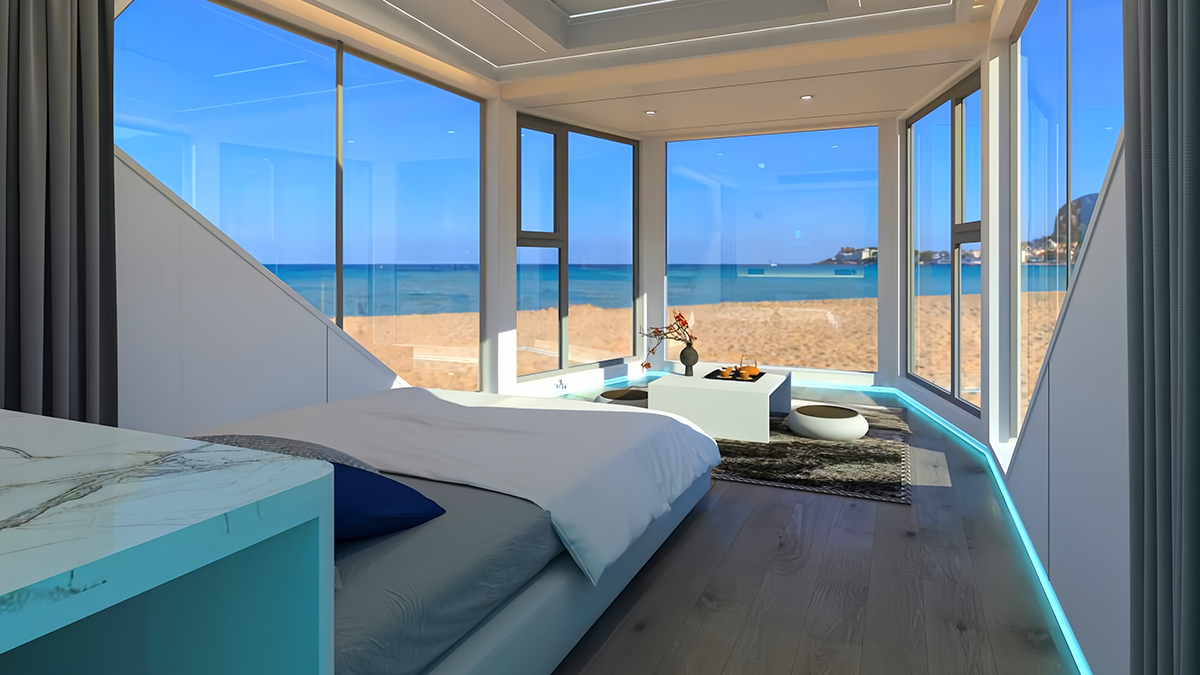 Eco-Friendly Features
You want your new home to help the earth and save money. Modern prefab homes have many eco-friendly features. These features make your home healthier and more comfy. Here are some common choices:
Eco-Friendly Feature | Description |
|---|---|
Advanced Insulation | Keeps your home warm in winter and cool in summer. You do not need as much heating or cooling. |
Solar Panels | Give clean energy. Sometimes they power the whole house. |
Energy-Efficient Windows | Stop heat from leaving or coming in. They keep rooms at a steady temperature. |
Low-Flow Fixtures | Use less water in sinks and showers. This helps you waste less water. |
Rainwater Harvesting Systems | Collect rainwater for things like watering plants. |
Recycled Steel | Is strong and lasts a long time. It helps hold up your house. |
Reclaimed Wood | Looks old and cool. It means you do not need new wood. |
Bamboo | Grows fast and can be used in many ways. |
Non-Toxic Paints | Have fewer bad chemicals. They make the air inside safer. |
Efficient Ventilation | Keeps air fresh. It stops mold and too much moisture. |
Tip: If you want a home with no carbon, pick prefab homes with solar panels and recycled stuff.
Energy Efficiency
You can pay less for bills and help the planet with energy-saving homes. Modular homes use better insulation and smart ways to build. Your home stays comfy in every season. Here is how modular homes compare to regular houses:
Feature | Modular Homes | Traditional Site-Built Homes |
|---|---|---|
Energy Star® Certification | Many modular homes get this rating | Most regular homes do not get it |
HVAC System Efficiency | Heating and cooling systems work well. They are the right size and sealed tight. | Often not set up the best way |
Construction Quality | Built with tight seals and care | Quality can change a lot |
Insulation Quality | Uses good insulation | Often just meets basic rules |
Temperature Control | Keeps rooms at even temperatures | Not as good at keeping rooms comfy |
You get better comfort and use less energy. Prefab homes help you save money and meet high standards.
Climate Resilience
You want your home to be safe from storms, heat, and cold. Prefab homes use smart designs to make them strong. Builders use good materials and tight building methods. These choices help your home last longer and protect you from bad weather.
Modular homes can change or grow if you need more space.
You can move or rebuild them if the weather gets worse.
Homes built for climate are ready for the future. You get a house that keeps your family safe and can change when needed.
Choosing Your Modular Home
Assessing Needs
You want a home that fits your life. Start by thinking about what you need and what you can afford. Make a list of your must-haves and nice-to-haves. Here are some things to check:
Figure out your budget. Look at your income and expenses.
Keep your debt-to-income ratio below 40%. This helps you get better mortgage terms.
Plan for a down payment. Around 20% of the home’s price is a good goal.
Check your credit score. Scores above 700 make loan approval easier.
Pick a manufacturer with a good reputation. Ask for reviews and visit model homes.
Work with the builder to customize your design.
Make sure your land is ready for delivery and assembly.
Schedule regular maintenance for things like HVAC and plumbing.
Read the warranty and keep all paperwork.
Tip: Write down your needs before you talk to a builder. This helps you stay focused and avoid surprises.
Budget and Financing
You have several ways to pay for your new home. Each option has its own rules and benefits. Here’s a quick look at the most common choices:
Financing Option | Key Features |
|---|---|
Traditional Mortgages | Competitive rates, requires higher down payment (20%+), strong credit score needed. |
Construction Loans | Short-term bridge loan, covers entire project, higher interest rates, requires progress inspections. |
FHA Loans | Lower down payment (as low as 3.5%), good for first-time buyers, minimum credit score required. |
VA Loans | No down payment, competitive rates, for veterans and active-duty military personnel. |
USDA Loans | Low to no down payment, for rural areas, residency restrictions apply. |
Prefab construction can help you save money because the process is faster and more predictable. You can talk to lenders who know about prefab construction and modular homes. They can guide you through the steps.
Customization
You can make your home unique. Modular homes let you pick floor plans, finishes, and features. You might want a bigger kitchen, extra windows, or special flooring. Builders offer lots of choices. You can even change the layout to fit your family.
Prefab construction gives you flexibility. You can add smart home tech, energy-saving appliances, or eco-friendly materials. Ask your builder about upgrades and options. Make sure your choices fit your budget.
Note: Customizing your home makes it feel special. Take your time and explore all the options.
Regulations and Permits
You need to follow local rules before you build. Every city and county has its own permits and codes. Check with your local building department. Ask about zoning, setbacks, and utility connections.
Some places have extra rules for prefab construction. You might need special inspections or paperwork. Your builder can help you with permits and approvals. Always get everything in writing.
Tip: Start the permit process early. This keeps your project on track and avoids delays.
Building Process
Design and Planning
You start your modular home journey with design and planning. This part feels exciting because you get to shape your future space. Here’s how you move through the main steps:
Choose a Design and a Builder
You look at floor plans and styles. You pick a builder who matches your vision.Select a Location and Prepare the Site
You find land that fits your needs. You make sure the site is ready for building.Customize Your Home
You add personal touches. You select finishes, colors, and features.Review and Finalize Plans
You check every detail. You make sure the plans fit your lifestyle.
You can also start by acquiring land and working with your builder on custom design plans. This step gives you control and lets you dream big.
Tip: Ask your builder for advice on layouts and upgrades. You can save time and avoid mistakes.
Permitting
You need permits before building starts. Local rules keep your project safe and legal. You visit your city or county office to get the right paperwork. Your builder often helps with this step. You check zoning, setbacks, and utility connections. You make sure everything matches local codes.
Permitting for modular homes usually moves faster than for traditional builds. You get clear instructions and support from your builder. You avoid delays by starting early.
Step | What You Do |
|---|---|
Apply for Permits | Submit forms and plans |
Schedule Inspections | Meet with local officials |
Get Approval | Wait for the green light |
Delivery and Assembly
Factory-built homes arrive on your site ready to go. You watch as workers place modules on the foundation. The assembly takes days, not months. You see your home come together quickly.
You get a stress-free experience. The builder handles most of the work. You check progress and ask questions. You move in sooner and enjoy your new space.
Note: Modular homes save you time and energy. You get quality and speed without the hassle.
You have lots of choices with modular and prefabricated homes. Each option gives you flexibility, quick building, and eco-friendly features. Think about what matters most to you—your budget, your style, and how green you want your home to be.
Visit model homes in your area.
Talk to builders who know modular designs.
Compare prices and features.
Tip: Write down your top needs before you start. This helps you find the perfect home faster.
FAQ
What is the difference between modular and manufactured homes?
Modular homes follow local rules and sit on strong bases. Manufactured homes follow federal HUD rules and often use steel frames. You can get regular loans for modular homes. Manufactured homes may have other loan choices.
How long does it take to build a modular home?
You can move in after 4 to 8 weeks once building starts. Getting permits and site work might take a few more weeks. This is much faster than building a regular house.
Can I customize my modular home?
Yes! You can pick the floor plan, finishes, and features. Many builders let you change the layout or add rooms. You can choose special materials too. Your home will match your style and needs.
Are modular homes energy efficient?
Most modular homes use tight building and good insulation. You save money on heating and cooling bills. Many homes have Energy Star® appliances and eco-friendly upgrades.
Do modular homes hold their value?
Modular homes usually keep their value like regular houses. Where you live, how you care for your home, and market changes matter. If you look after your home, its value can go up over time.