


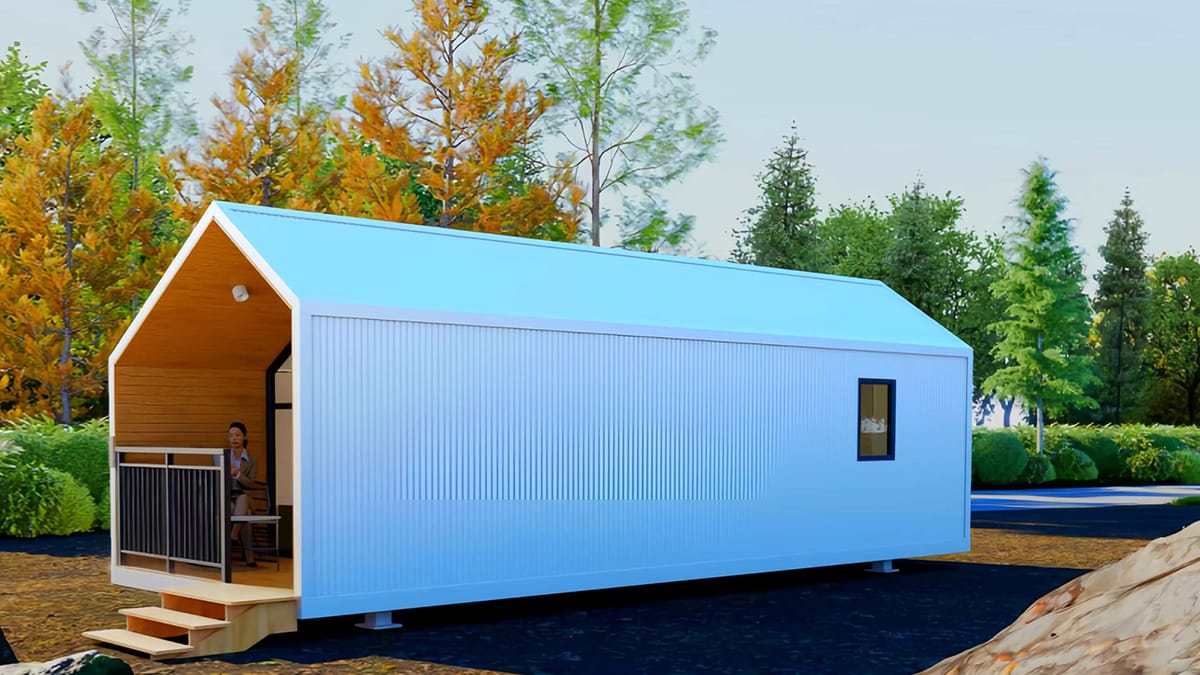
16 Oct Prefab House Lifespan Is Ideal for Business or Living
Table of Contents
You may ask if a prefab house lasts long for your business or home. The answer is yes. Prefab House Lifespan meets what you expect.
Many prefab homes last 30 to 50 years. This is the same as regular houses.
Modular homes can last 50 years or more. This happens if you take good care of them.
You get strong homes, good value, and many choices for business and living. You can feel sure about picking this option!
Key Takeaways
Prefab homes can last 30 to 60 years. Some can last over 75 years with good care. Using strong materials and smart designs helps prefab houses last longer. Checking and fixing your prefab home often is important. This helps your prefab home last a long time. Prefab houses work well for living or business. They are a smart choice. Prefab homes save energy. This means you pay less each month. You save money for many years.
Prefab House Lifespan
Average Lifespan
When you look at prefab homes, you might ask how long they last. The answer is pretty good. Most prefab houses can last 30 to 60 years. If you take care of your house, it can last over 75 years. Some modular prefab homes last 50 years or more. This depends on how well they are built and the materials used. It also depends on how well you keep up with repairs.
Prefab homes usually last 30 to 60 years, based on materials.
With good care, some prefab homes last over 75 years.
You should also think about where your house is. Weather, climate, and house size can change how long it lasts. For example:
Things like energy use and greenhouse gases can affect prefab house lifespan.
Prefab buildings can last up to 100 years, but some parts may need fixing after 20-30 years.
How your house is moved and what it is made from matters a lot.
Here’s a quick look at how climate can change prefab house lifespan:
Climate Type | Insulation Level | Embodied Impacts (%) |
|---|---|---|
Tropical | Low | Significant (up to 60%) |
Mediterranean | Medium | Significant (up to 60%) |
EU Continental | High | Lower than heavyweight conventional |
You can see that insulation and climate are important. If you live where weather is rough, you need to take extra care of your house.
Tip: Doing regular checks, like looking at the roof and pipes, helps your prefab house last longer.
Comparison to Traditional Homes
Some people think brick homes always last longer, but that is not always true. With good care, prefab homes can last 50 to 150 years. That means prefab house lifespan can be as long as regular houses.
Prefab homes can last 50 to 150 years with good care, just like regular homes.
A well-kept modular home can last 50 to 100 years or more, like traditional homes.
Some studies say modular homes can last 100 to 150 years with strong materials, sometimes longer than regular homes.
Prefab homes last long because builders use strong materials and smart designs. Many companies use steel frames that do not burn or get eaten by bugs. Some even use recycled steel or special materials that fix themselves when broken.
“The steel frame is the main part of the homes for Transcend Communities because metal does not burn and bugs do not eat it,” Goodjohn says. “We are making a home that will last longer and save energy.”
You also get new technology in prefab homes. Some use materials that can handle fire, earthquakes, and storms better than old homes. This means your prefab house lifespan can stay high, even in bad weather.
If you want a home that lasts a long time, a prefab house is a good choice. You get a strong home that can help your family or business for many years.
Types of Prefab Homes
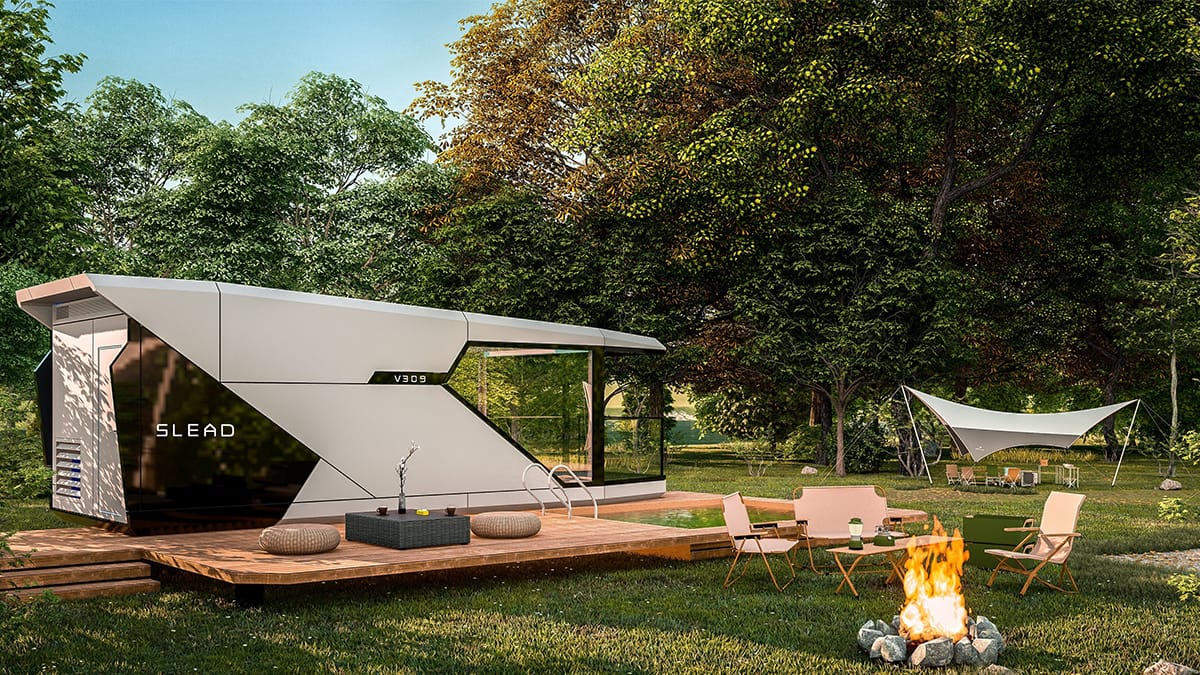 Prefab homes come in different types. Each one has its own style, build process, and lifespan. Let’s look at the main types you can choose for your business or living needs.
Modular
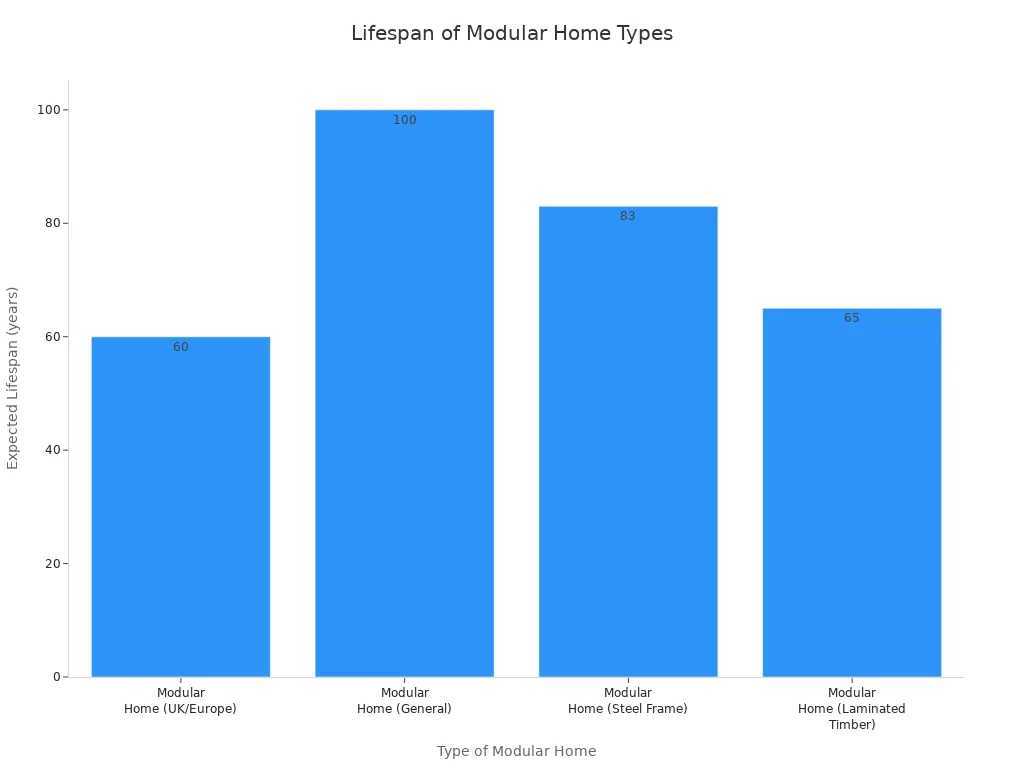
You might hear about modular homes the most. A modular house is built in sections at a factory. Workers then bring these sections to your land and put them together. This method makes the modular house strong and quick to build. You can expect a modular house to last 50 to more than 100 years if you take care of it. In the UK and Europe, the modular home lifespan is at least 60 years. Some modular houses use steel frames or laminated timber, which can make them last even longer. The modular home lifespan for steel frame types can reach 83 years. If you want a modular house that feels like a regular home, this is a great choice.
Panelized
A panelized modular house uses large wall panels made in a factory. Workers bring these panels to your site and put them together. This type of modular house goes up fast and gives you lots of design choices. The modular home lifespan for panelized homes is usually 40 to 60 years. You get a solid modular house that stands up well to weather if you keep up with repairs.
Manufactured
A manufactured modular house is built almost fully in a factory. Workers then move the whole modular house to your land. These homes cost less and go up fast. The modular home lifespan for manufactured types is about 30 to 55 years. You can use a manufactured modular house for living or business, but it may not last as long as other modular types.
Steel Frame
Steel frame modular houses stand out for their strength. Builders use steel for the main frame, so your modular house does not attract termites or rot. A steel frame modular house can last 75 years or more. With good care, some steel frame modular homes last over 100 years. You just need to keep the steel dry and clean. Many people pick a steel frame modular house for its long modular home lifespan and low upkeep.
Here’s a quick look at how long each type of modular house can last:
Type of Home | Expected Lifespan |
|---|---|
Modular Home (UK/Europe) | At least 60 years |
Modular Home (General) | 50 to more than 100 years |
Modular Home (Steel Frame) | 83 years |
Modular Home (Laminated Timber) | 65 years |
Tip: If you want a modular house that lasts the longest, pick a steel frame modular house. It can handle tough weather and needs less repair.
How Long Do Prefab Homes Last
Key Factors
You might wonder how long do prefab homes last when you look at different options. The answer depends on several important things. If you want your prefab house to last a long time, you need to think about what goes into the build and where you put it.
Let’s break down the main factors that affect how long do prefab homes last:
Key Factor | Description |
|---|---|
Material Quality | High-grade materials lead to longer-lasting structures. |
Design and Engineering | Well-designed buildings that resist environmental factors tend to have longer lifespans. |
Location and Environment | Harsh climates can accelerate deterioration, impacting the overall lifespan of the building. |
You get the best results when you choose strong materials. Cold-formed galvanized steel is a popular choice. It stands up to rust and keeps your home sturdy. If you use steel, your prefab house can last much longer, even in tough places.
Prefab homes built with high-quality materials and smart engineering can handle storms, heat, and cold. For example, the Transcend Series homes are made to fight climate change and natural disasters. In Colorado, builders designed a prefab home with a tight air barrier and strong insulation. This home stands up to heat waves and freezing winters.
Location matters too. If you put your prefab home in a harsh climate, like Alaska or Northern Canada, you need to plan for snow, ice, and wind. In Alaska, prefab homes showed a 65% reduction in work needed after arrival. They kept families warm and handled heavy snow just like regular houses. In remote areas, prefab homes can be moved quickly, even with ice roads or helicopters. This helps you build faster and safer, no matter the weather.
You also need to follow good building standards. If you meet local codes, your prefab home will last longer. Regular checks and repairs help keep your house strong. So, how long do prefab homes last? With the right materials, smart design, and good location, you can expect your prefab home to last 30 to 60 years or more.
Tip: Always ask about the materials and design before you buy. This helps you know how long do prefab homes last in your area.
Maintenance Impact
You play a big part in how long do prefab homes last. If you take care of your home, you can add many years to its life. Regular maintenance keeps your prefab house safe and comfortable.
Here’s what you can do to make sure your prefab home lasts:
Schedule inspections twice a year. Catch problems early.
Check the roof for damage. Clean gutters to stop water leaks.
Seal air leaks. This keeps your home warm and dry.
Inspect the foundation. Look for cracks and make sure air flows well.
Check plumbing for leaks. Fix pipes before they break.
Service heating and cooling systems. Keep them running smoothly.
Clean and inspect siding. Repaint or seal when needed.
Trim plants and trees. Make sure water drains away from your house.
Fix moisture problems fast. Ventilate and dry out wet spots.
Keep records of repairs. This helps you track what you’ve done.
Regular upkeep is key. For example, SIP homes (structural insulated panel homes) need you to reseal joints and use good exterior finishes. If you do this, you can make your prefab home last much longer. SIP homes need more care than regular houses, but they can stay strong if you keep up with maintenance.
Evidence Type | Description |
|---|---|
Maintenance Impact | Regular inspections and upkeep are crucial for preserving the longevity of SIP homes. |
Comparison | SIP homes require more proactive maintenance compared to traditional homes, which can deteriorate due to moisture and draughtiness. |
Maintenance Actions | Resealing joints and applying suitable exterior finishes significantly enhance durability. |
If you live in a place with harsh weather, you need to check your prefab home more often. In tough climates, prefab homes can last 8 to 15 years without much care. If you keep up with repairs, you can stretch that lifespan much further.
So, how long do prefab homes last? If you follow these steps, you can enjoy your prefab home for decades. You get peace of mind and a safe place to live or work.
Note: Good maintenance is your best tool for making sure your prefab home lasts as long as possible.
Business and Living Uses
Commercial Examples
You can use prefab houses for many business needs. Many companies choose them for offices, retail shops, or even small hotels. You might see a coffee shop built from a modular unit. Some schools use prefab buildings for extra classrooms. Construction firms often set up prefab offices on job sites. These buildings go up fast, so you can start your business sooner.
Prefab houses work well for rental properties, too. You can set up a group of units and rent them out as vacation cabins or long-term apartments. Many business owners like that these buildings last 30–60 years or more with good care. This means you get a strong return on your investment. You do not have to worry about rebuilding every few years.
Tip: If you want to grow your business, you can add more prefab units as your needs change.
Residential Examples
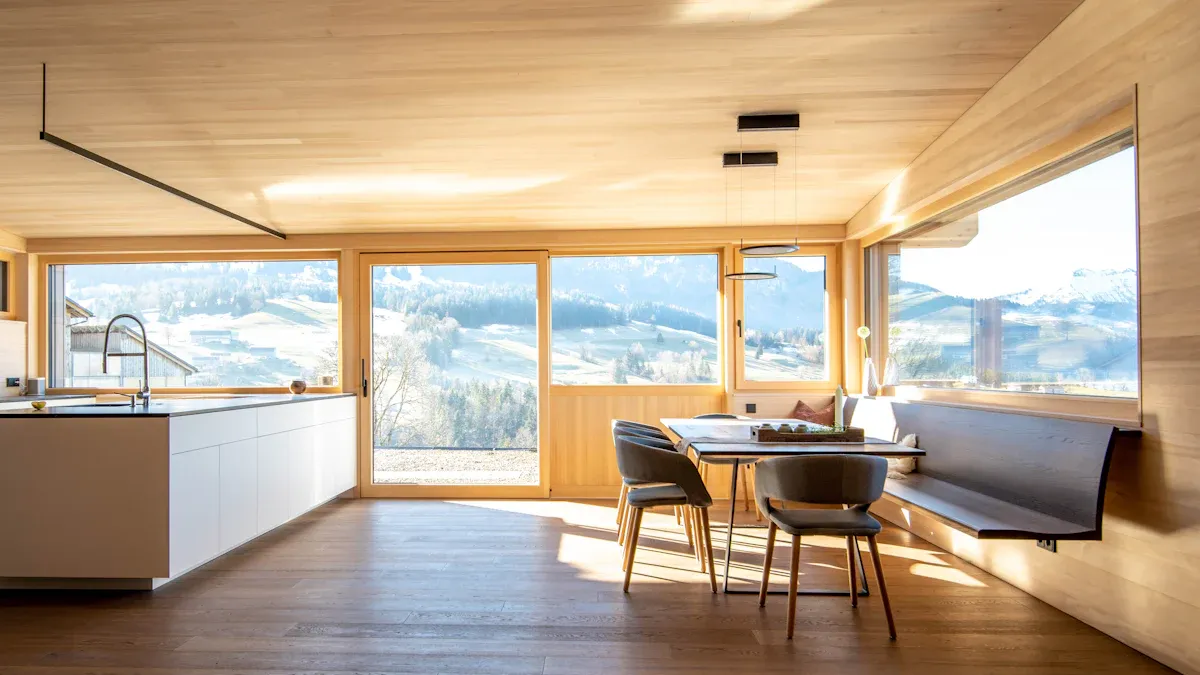
Prefab houses make great homes for families, singles, or retirees. You can pick a small, cozy house or a large, modern design. Many people use prefab homes as their main house. Others choose them for vacation homes or guest houses.
You might want a home that is easy to maintain. Prefab houses offer that. They stand up to weather and daily use. With regular upkeep, your home can last for decades. Some families pass their prefab homes down to the next generation.
Here are some ways prefab houses support long-term living and investment:
You get a home that lasts 30–60 years or more.
You can use it as a family home, rental, or guest house.
The strong build means fewer repairs and lower costs over time.
You help the environment by choosing a sustainable option.
Prefab houses give you flexibility. You can move them if you need to. You can also upgrade or expand them as your family grows. This makes them a smart choice for both living and business.
Durability Concerns
Myths vs. Facts
Some people say a prefabricated house is weak. That is not true. Let’s look at some common myths and the real facts:
Some people think a prefabricated house uses poor materials. Builders actually use strong supplies like advanced insulation and certified roofing panels.
You might hear that a prefabricated house does not last long. These homes are built in factories, so they avoid moisture problems that hurt regular homes.
Another myth says a prefabricated house loses value over time. Since the 1990s, new technology helps these homes keep or even grow in value.
You can trust a prefabricated house to handle tough weather. Here is how these homes stay strong:
Feature | Durability Benefit |
|---|---|
Handles stress better and lasts longer | |
Seismic resilience | Meets or beats earthquake safety codes |
Hurricane-zone standards | Stays strong against high winds and flying debris |
Modular design | Survives harsh weather, just like traditional homes |
Did you know? Many prefabricated houses are made to handle earthquakes and hurricanes. You get safety and peace of mind.
Maintenance Tips
You want your prefabricated house to last many years. Taking care of it is important. Here are some easy steps you can follow:
Check your prefabricated house often. Look at the foundation, windows, and roof for damage.
Keep water away. Make sure water drains well and paint stays fresh to stop wood from rotting.
Use moisture-resistant paint. Follow the manufacturer’s instructions for best results.
Ventilate your prefabricated house. Good ventilation keeps moisture out and helps the house stay strong.
Check your prefabricated house before each season. Fix small problems early so weather changes do not cause big issues.
Tip: Regular checks and quick fixes help your prefabricated house stay safe, comfortable, and valuable for years.
Investment Value
Cost vs. Lifespan
When you look at prefab homes, you want to know if they are worth your money. You get a lot for what you pay. Prefab houses often cost less to run each month. You save money because these homes use high insulation and need less fixing over time. That means you keep more cash in your pocket.
You spend less on heating and cooling because prefab homes hold in heat and cold better.
You do not have to fix things as often, so you save on repairs.
Many prefab homes keep their value or even go up in price because they are energy efficient and easy to care for.
Modular homes do not lose value faster than regular houses.
If you choose one of the best prefab companies, you get a home that lasts for decades. You do not have to worry about your house falling apart or losing value quickly.
Long-Term Benefits
Owning a prefab house gives you big savings over time. Let’s see how the costs stack up:
Expense Type | Traditional Home | Prefab Home | |
|---|---|---|---|
Energy Costs | $200 | $150 | $50 |
Maintenance Costs | $200 | $100 | $100 |
Property Taxes | $250 | $50 | $200 |
Insurance Costs | $100 | $50 | $50 |
Total Monthly Expenses | $900 | $500 | $400 |
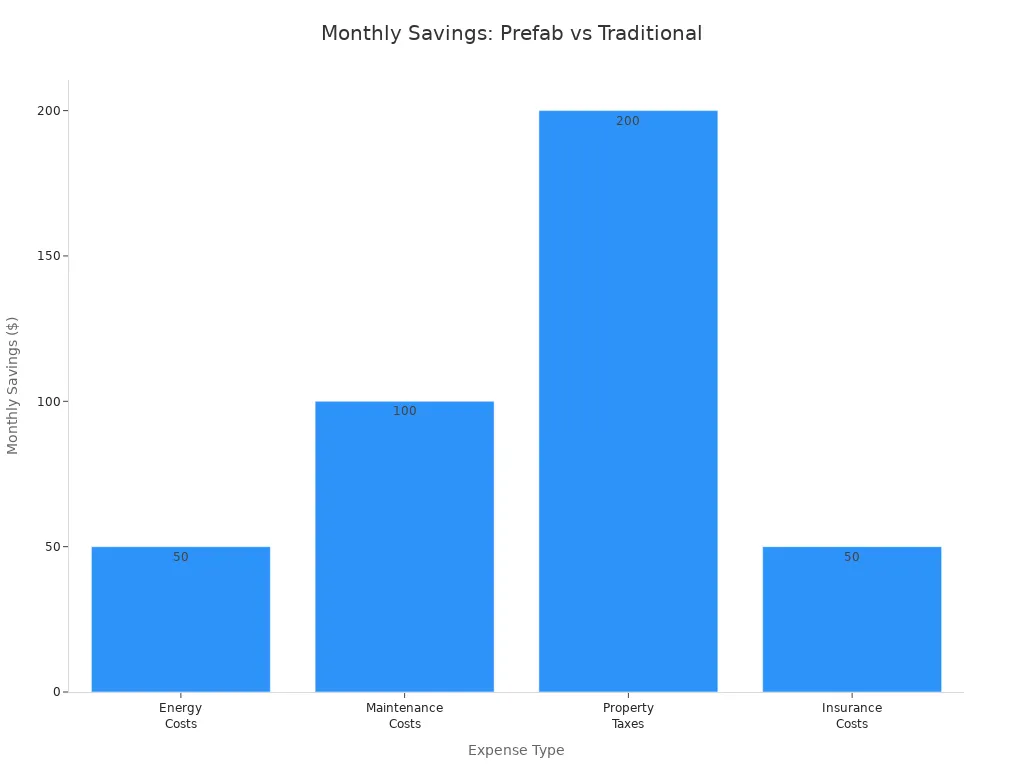
You can see that prefab homes help you save money every month. Over the years, those savings really add up. The best prefab companies use new building methods and smart designs. You get a home that fits your needs and uses less energy.
Prefab homes are also getting more popular. More people want affordable, energy-saving homes. Builders use new tech like 3D printing and smart systems. These upgrades make your home last longer and work better for you.
The prefab house market is growing fast because people want homes that cost less and last longer.
New building tools and smart features make prefab homes a great choice for the future.
You get more value and comfort with less worry about repairs.
If you want a smart investment for your business or family, prefab homes are a top pick. You get long life, low costs, and peace of mind when you choose the best prefab companies.
Prefab houses are a smart choice for work or living. Builders use strong designs and build them in factories. This makes the homes tough and long-lasting. They can handle moving and bad weather like regular houses. Experts say prefab homes are a good idea for many reasons:
Building these homes helps save energy.
You can make your space fit what you need.
They go up fast, so you save time and money.
If you want a place that lasts, prefab houses are a good pick. Try this modern idea for your next home or business! 🚀
FAQ
How long does a prefab house really last?
You can expect your prefab house to last 30 to 60 years. If you take care of it, some homes last even longer. Steel frame models often reach 100 years.
Can you move a prefab house after it’s built?
Yes, you can move some prefab houses. Modular and manufactured homes are easier to relocate. You need special equipment and help from professionals.
What are the pros and cons of prefab homes?
Prefab homes go up fast and cost less. You save money on energy bills. Some types need more maintenance. You might have fewer design choices than with traditional homes.
Do prefab houses need a lot of maintenance?
You need to check your prefab house often. Look for leaks, cracks, and roof damage. Regular cleaning and quick repairs help your home last longer.
Are prefab homes safe in bad weather?
Prefab homes can handle storms, earthquakes, and heavy winds. Builders use strong materials and smart designs. Always ask about safety features before you buy.