



09 Sep Prefab Tiny House Benefits and How They Work
Table of Contents
You might wonder what makes a prefab tiny house different from other homes. This type of house gets built in a factory, then moved to your location. Many models sit on wheels, so you can transport them if you like adventure or need flexibility. These homes pack smart features into small spaces. Take a look at the sizes and prices you’ll find today:
Size Category | Average Size (SF) | Cost Range (Prefab) |
|---|---|---|
Small | 90 – 250 | $15,000 – $50,000 |
Medium | 250 – 300 | $30,000 – $80,000 |
Large | 300 – 400 | $45,000 – $100,000 |
Extra-large | 400 – 600 | $70,000 – $125,000 |
Key Takeaways
Prefab tiny houses cost less. They are between $30,000 and $100,000. This makes owning a home easier for more people. The building process is fast. You can move in after 5 days to 8 weeks. This is much quicker than regular homes. These homes are made to be good for the environment. They use eco-friendly materials and save energy. This helps lower your utility bills. You can change your tiny house to fit your style and needs. You can pick the layout and features you want. Prefab tiny houses are flexible. You can move your home easily if you need to.
Prefab Tiny House Basics
What Is a Prefab Tiny House
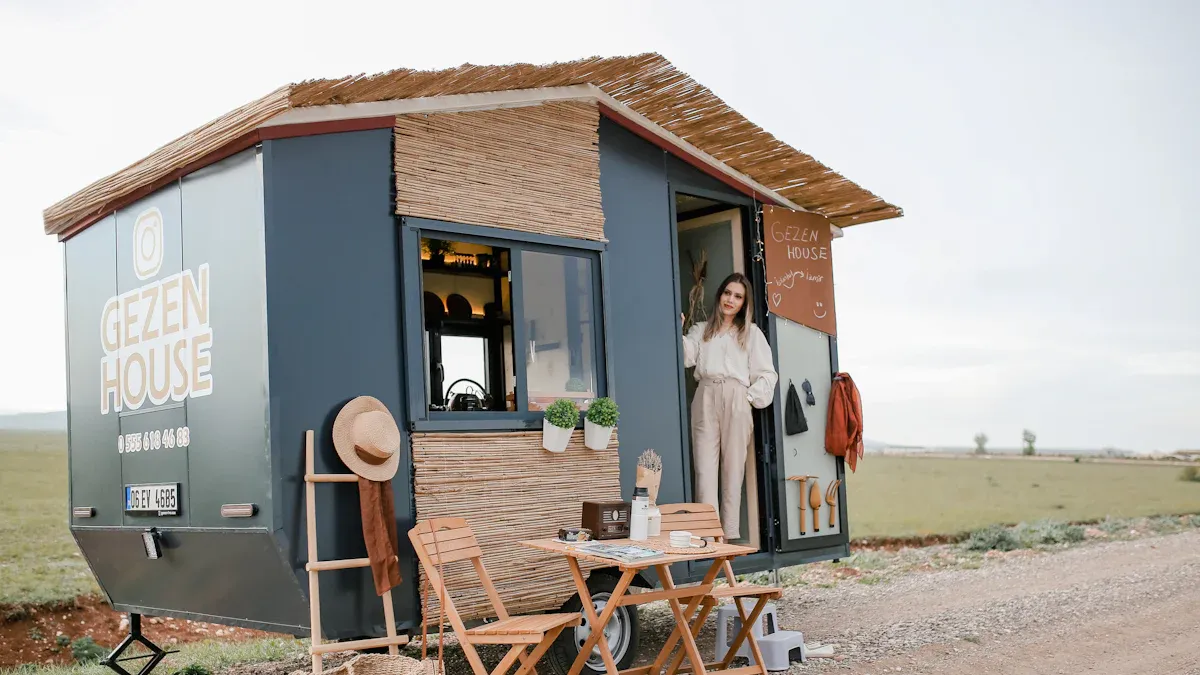
Think of a small, comfy house that comes ready to use. A prefab tiny house is made in a factory and then brought to your land. Most have wheels, so you can move them if you want to see new places. Building in a factory helps workers be exact and finish faster. They do not have to worry about bad weather slowing them down. You get a strong house that feels safe. This way of building also saves money, so these homes cost less than regular houses.
Key Features
Why are these homes special? You will see smart ideas everywhere.
Space efficiency: Builders use smart storage and furniture that does more than one job. Every space is used well.
Sustainability: Many homes use earth-friendly materials and save energy. Some let you live off the grid.
Affordability: You pay less to build and take care of your house. This is good for many people.
Community living: Tiny houses often help people make friends and feel like they belong.
Materials are important, too.
Wood and steel frames make homes strong and last a long time.
Metal and tile roofs can last over 50 years if you take care of them.
Good insulation and tough siding keep your house safe from wind and rain.
Modular vs. Prefab Tiny Homes
You may wonder how prefab tiny houses are different from modular homes. Here is a quick look:
Aspect | Modular Homes (IRC) | Manufactured Homes (HUD) |
|---|---|---|
Foundation Design | Built on a permanent base, no wheels | Made with a base that stays under the house |
Wall Construction | Uses 2×6 boards, spaced 16 inches apart | Uses 2×4 boards, spaced 24 inches apart |
Roof Design | Roof can hold heavy snow | Roof is flatter and made for moving |
Insulation | R-21 in walls, R-30 in floors | R-13 to R-19 in walls |
Electrical Efficiency | New lights and heating systems | Older systems |
Prefab tiny houses are built all in a factory and then sent to you. Modular homes are made in pieces and put together where you live. Both types do not get slowed down by weather and are strong and save energy. Regular homes let you pick more designs but cost more and take longer to build.
How Prefab Tiny Homes Work
Design and Build
You start your journey by picking a design that fits your style and needs. Most companies offer a range of layouts, finishes, and features. You can choose a cozy studio or a tiny house with a loft and extra storage. The design phase usually takes two to six weeks. During this time, you work with the builder to finalize the look and get permits.
Once you finish the design, the factory team gets to work. They use machines and skilled workers to build the walls, floors, and roof. Everything happens indoors, so rain or snow never slows them down. This phase takes about four to twelve weeks. While your prefab tiny house is being built, you can prepare your land at the same time. You might need to clear trees, level the ground, and make sure you have water and sewer connections. This saves you time and keeps the process moving.
Here’s a simple timeline for most prefab tiny homes:
Design and permitting: 2–6 weeks
Factory construction: 4–12 weeks
Site preparation: 2–8 weeks (often overlaps with construction)
Delivery and installation: 1–2 weeks
Final touches and inspection: 1–4 weeks
Smaller houses can be ready in as little as eight weeks. Larger ones may take up to twenty-four weeks.
Tip: You can speed things up by preparing your land while the house is being built in the factory.
Delivery and Setup
When your prefab tiny house is ready, it’s time for delivery. Most tiny homes travel on wheels, so moving them is much easier than moving a regular house. You need a strong truck or trailer to tow your new home. For bigger models, a semi truck might be needed. Before the move, make sure you get the right permits if your house is considered an oversized load.
You should secure everything inside the house before transport. Fasten furniture, appliances, and fragile items so nothing gets damaged. Check the weather forecast, too. Rain, snow, or strong winds can make moving tricky.
Once your house arrives, the setup begins. The crew places your home on its foundation or parking spot. They connect utilities like water, electricity, and sewer. If your land is sloped, they might add retaining walls or level the ground. Good drainage is important to keep your house safe from water damage.
Here’s what you need to do before installation:
Survey your property to find the best spot.
Remove trees, stumps, and debris.
Make sure you have access to water and sewer.
Check local zoning laws and soil type.
Create a driveway for easy access.
Plan for landscaping and privacy.
After everything is set up, the builder does a final inspection. You get the keys and can move in right away. The whole process is quick and smooth, with less mess and noise than building a regular house.
Note: The transportable nature of prefab tiny homes means you can move your house if you ever want a change of scenery. Minimal site work makes installation fast and easy.
Prefab Tiny House Benefits
Affordability
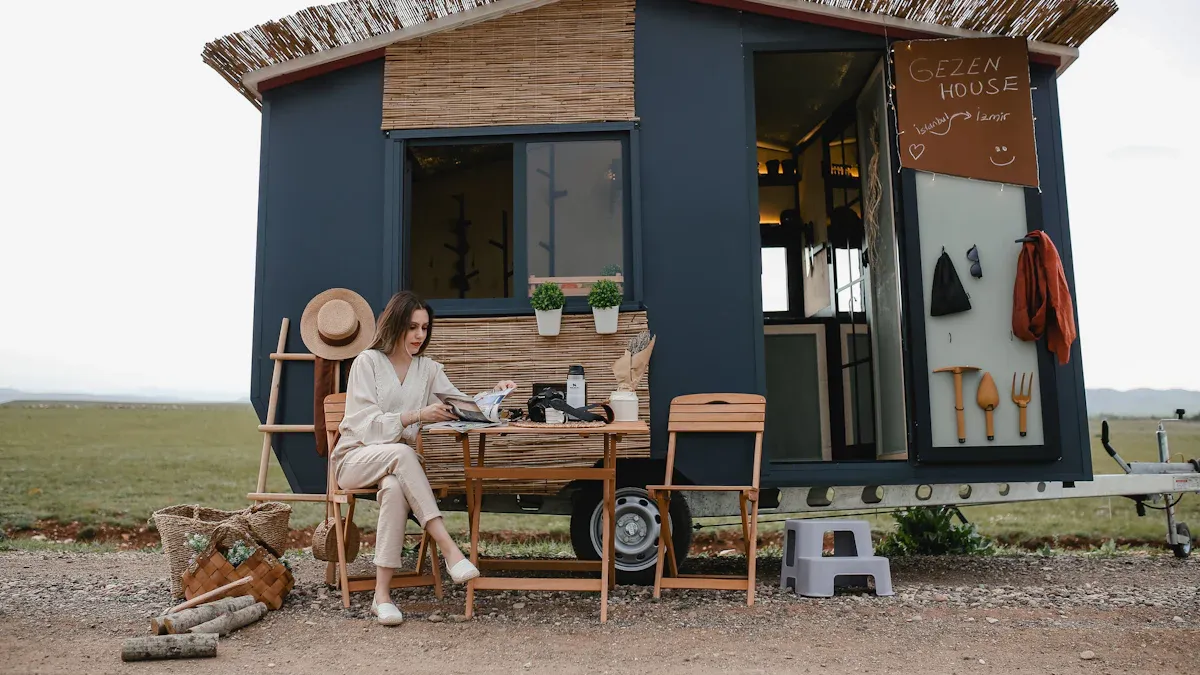
You want a house that does not cost too much. A prefab tiny house helps you save money in many ways. Most prefab tiny houses cost between $30,000 and $100,000. This is much less than a regular house. Regular houses can cost $150 per square foot or even $1,000 per square foot for custom homes. Prefab homes usually cost $180 to $220 per square foot. You get more for your money.
You pay less for materials and workers.
Utility bills are low because the house is small.
You spend less on repairs since there is less to fix.
When you need money to buy your house, you have choices. Here is a simple guide:
Description | |
|---|---|
Tiny House Loans | Loans from builders or contractors, sometimes with better terms. |
RV Loans | If your home is certified as an RV, you can use this type of loan. |
Land Loans | Use these to buy land for your prefab adus or tiny house. |
Home Loans | Possible if your house has a foundation and meets local codes. |
Chattel Mortgages | For movable homes, the house itself is the collateral. |
Personal Loans | Flexible option for many uses, including prefab adus. |
Home Equity Loans | Tap into your current home’s equity to buy a prefab tiny house. |
Mortgage Financing | Sometimes available, depending on your location and property type. |
Tip: Tiny homes may not always get regular mortgages. Prefab adus and small homes with foundations often do. This makes owning your home easier for a long time.
Fast Installation
You do not want to wait a long time for your house. Prefab tiny houses let you move in much faster than regular homes. Most prefab tiny houses take only 5 days to 8 weeks to set up. Regular houses can take months or even more than a year.
Type of Home | Average Installation Time |
|---|---|
Prefab Tiny House | 5 days to 8 weeks |
Traditional Home | Several months to over a year |
Prefab adus come to your land already built or in big pieces. Workers put them together fast because everything is ready. You do not have to worry about bad weather or waiting for supplies. This is great if you need a house soon or want a prefab adus for guests or family.
Note: Quick setup means less noise, less mess, and less stress for you.
Sustainability
If you care about nature, prefab tiny houses are a good choice. Builders use green materials like recycled steel, reclaimed wood, and bamboo. These help the planet. Many prefab adus have solar panels and energy-saving appliances. You use less electricity.
You need fewer materials, so you save resources.
Small houses use less land.
Heating and cooling use less energy, so bills are lower.
Green roofs and water systems help save water and help animals.
Bamboo Living homes are the first code-certified bamboo buildings in the world. They can handle tough weather and show how strong bamboo is.
Here are some popular green ideas used in prefab adus:
Material/Technology | Description |
|---|---|
Structural Insulated Panels (SIPs) | Great for zero energy homes; they keep your house warm and lower carbon emissions. |
Straw-based panels | Used for insulation; eco-friendly and modern. |
Bamboo | Strong, renewable, and built to last. |
Green roofs and water catchment systems | Help with insulation and save water. |
Smart technology in prefab adus makes your house use less energy and feel comfortable.
Flexibility
You may want to move, change your house, or use your space in new ways. Prefab tiny houses and prefab adus give you freedom. Many prefab adus have wheels, so you can move them if you need to. The first move from the factory to your land is easy. Moving again later depends on your foundation and house design.
Single-section prefab adus are easier to move than homes with more sections.
Permanent foundations make moving harder, but homes on wheels are easy to move.
Bigger prefab adus may need special permits to travel.
Prefab adus work well as guest houses, studios, or rentals. You can put one in your backyard or on private land. Rules and codes are different everywhere, so check your local laws before you buy.
Some places let you use prefab adus as accessory dwelling units (ADUs). This means you can have a second house for family or renters.
Prefab tiny houses and prefab adus fit many lifestyles. You can live smaller, travel, or make extra space for people you care about. You get to choose what works best for you.
Features and Customization
 Space-Saving Design
 Space-Saving Design
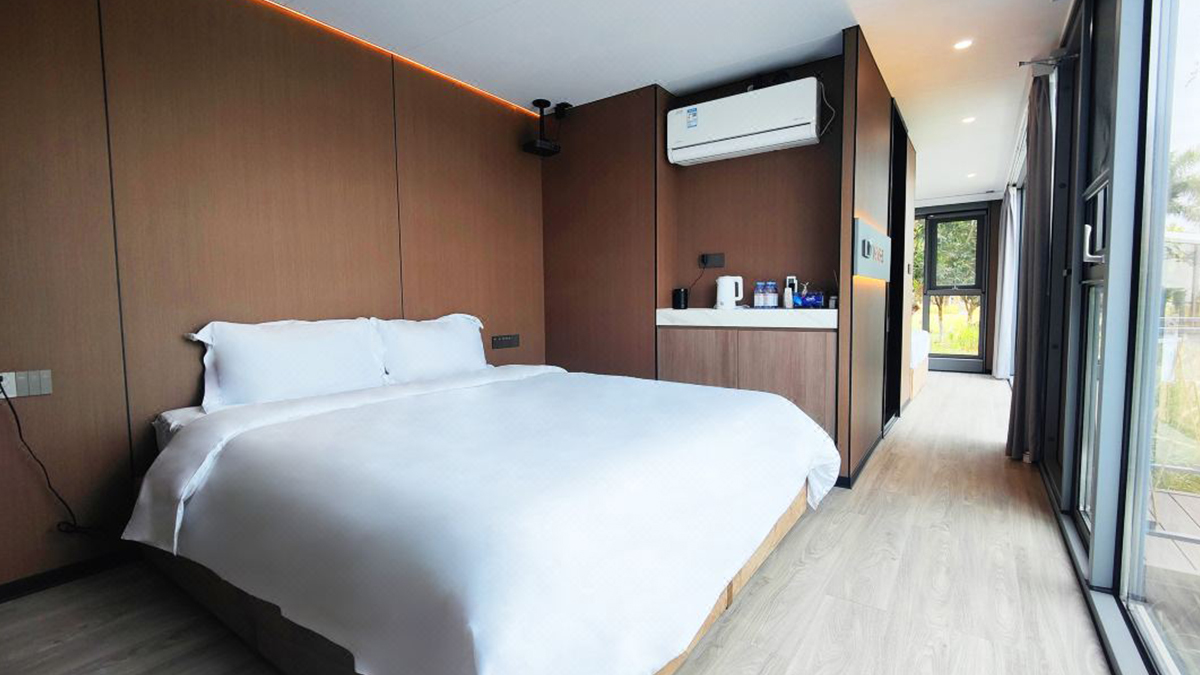
You want your house to feel big and cozy, even if it is small. Smart design helps make this happen. Builders use furniture that does more than one thing. They also use clever storage ideas to help you use every bit of space.
Built-in storage keeps your things neat and does not use extra room.
Beds with drawers or beds that lift give you more space for clothes and blankets.
Desks that fold down and seats on the wall save floor space, so you can walk around easily.
Sofas that turn into beds mean you do not need more furniture.
Tables that fold up let you change from work to eating in just a few seconds.
Architects plan small spaces with built-in furniture. You can turn a work area into a place to eat or relax. This makes it easy to keep your house clean and tidy. Studies show homes with furniture that does more than one job can have up to 25% more space you can use. You get a neat, organized home that feels bigger than it really is.
Tip: Try using shelves on the wall or drawers under the stairs to add more storage in your tiny house.
Custom Options
You can make your house match your style and what you need. Many prefab tiny house builders let you pick the layout, finishes, and features. Some companies let you start with just the outside and add things like walls, wiring, and insulation. You choose how much you want to finish yourself.
Full custom design lets you pick every part.
You can change the kitchen appliances, counters, and floors.
Bathrooms can have different tubs, showers, and toilets.
Power can be electric or ready for solar.
Here is a quick look at what you can pick:
Feature | Options Available |
|---|---|
Materials | Beetle Kill Pine, Luxury Vinyl, Maple Countertops |
Kitchen Features | Small Sink, Large Basin, Cooktop, Oven, Dishwasher |
Bathroom Features | Tub/Shower, Shower Finishes, Porcelain or Composting Toilet |
Power Sources | Electric, Propane, Solar Ready |
Custom choices can change how much your house costs and how long it takes to build. Simple designs cost less and are done faster. If you want special shapes or fancy materials, you might pay 20-40% more and wait longer for your house. Standard models are cheaper and quicker to finish.
Note: Think about what you really need before you start. Custom features make your house special, but they can take more time and money.
Prefab tiny houses help you live simply and save money. They are built fast, so you do not wait long. You can pick how your house looks and feels. These homes use less energy, so bills stay low. You get smart storage and furniture that does more than one job. Here is why people like these homes:
Benefit | Why It Matters |
|---|---|
Affordability | Costs less to buy and is easy to care for |
Quick Construction | You can move in fast, sometimes in just weeks |
Customization | Choose the look and features you want |
Energy Efficiency | Save money on bills and help the planet |
Space Efficiency | Use every space with smart ideas |
If you want a prefab tiny house, start by checking your local rules. Look at builders like Minimaliste or Certified Green Tiny Home RVs. Compare different models and ask for prices. You can make your future better with a house that fits your dreams. Living tiny gives you freedom, lets you be creative, and helps you feel happy in your own space. 🚀
FAQ
Can you live in a prefab tiny house year-round?
You can live in a prefab tiny house all year. Builders use strong insulation and weatherproof materials. Your house stays warm in winter and cool in summer. Just check local rules before you move in full-time.
How do you get water and electricity in a prefab tiny house?
Most prefab tiny houses connect to city water and power.
Some use solar panels or rainwater systems.
You choose what works best for your land and lifestyle.
Do prefab tiny houses need special permits?
You usually need permits for your tiny house. Rules change by city and state.
Check with your local building office
Ask about zoning laws
Make sure your house meets safety codes
Can you customize the inside of your prefab tiny house?
Custom Option | What You Can Change |
|---|---|
Kitchen | Cabinets, counters, appliances |
Bathroom | Shower, toilet, sink |
Flooring | Wood, tile, vinyl |
Walls | Paint, paneling, wallpaper |
You pick the look and features you want!