

10 Apr The Pros and Cons of Modular Capsule Houses in 2026
Table of Contents
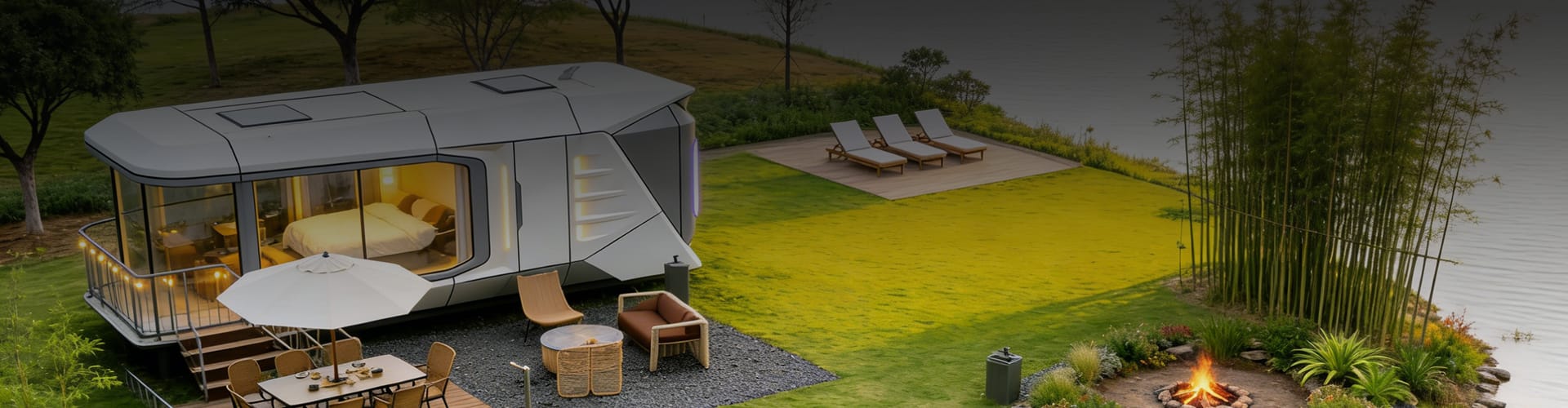
You may ask if a modular capsule house works for you in 2026. Many people pick this kind of home because it costs less and uses less space. New designs appear that deal with bad weather and use smart energy systems. Governments and cities spend more money on these homes, so they are easier to get. Builders finish these homes faster and lower the price, so you can move in sooner. Privacy, rules, and comfort are important, too. As you read, think about what is most important for you.
-
Cost savings
-
Space efficiency
-
Sustainability
-
Mobility
-
Privacy
-
Regulations
-
Usability
Key Takeaways
-
Modular capsule houses cost less to build and fix than regular homes. They help you save money. These homes use space in a smart way. They have furniture that does more than one thing. They also have storage built into the walls. This makes small rooms feel larger. These homes are good for the environment. They use recycled materials and solar power. Their designs save energy. You can move your modular capsule house easily. You can also change it to fit your needs. There are some problems too. The space is small. Privacy can be hard. Local rules and getting money can be tricky.
What Is a Modular Capsule House?
Key Features
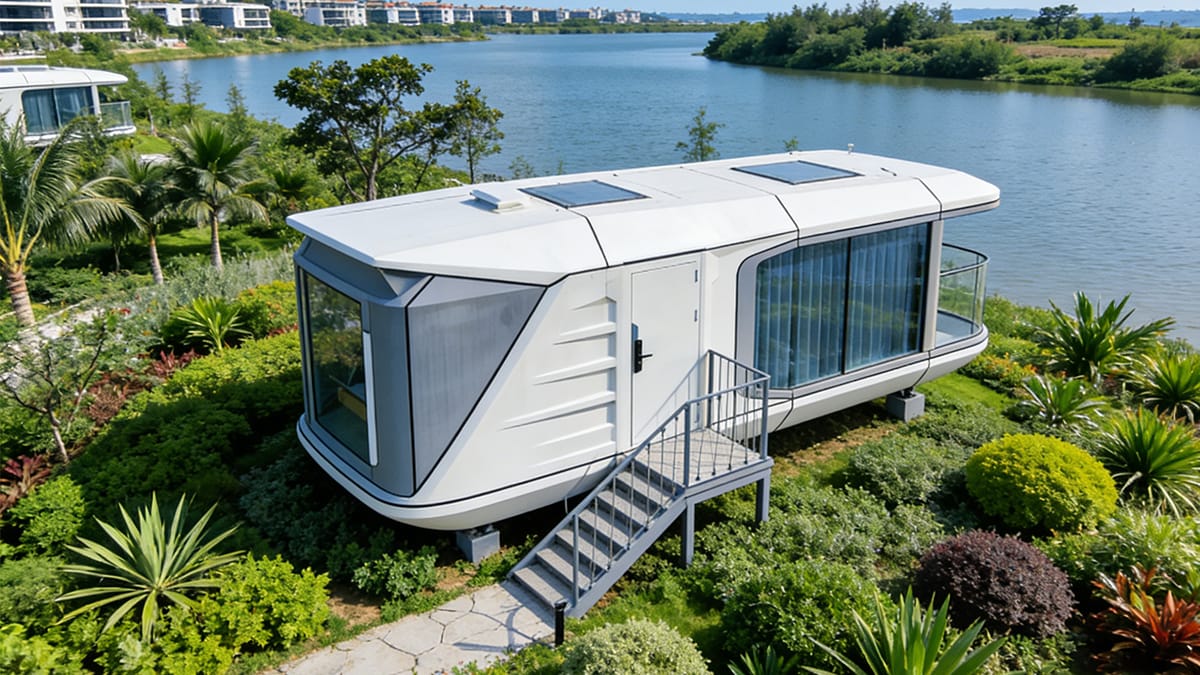
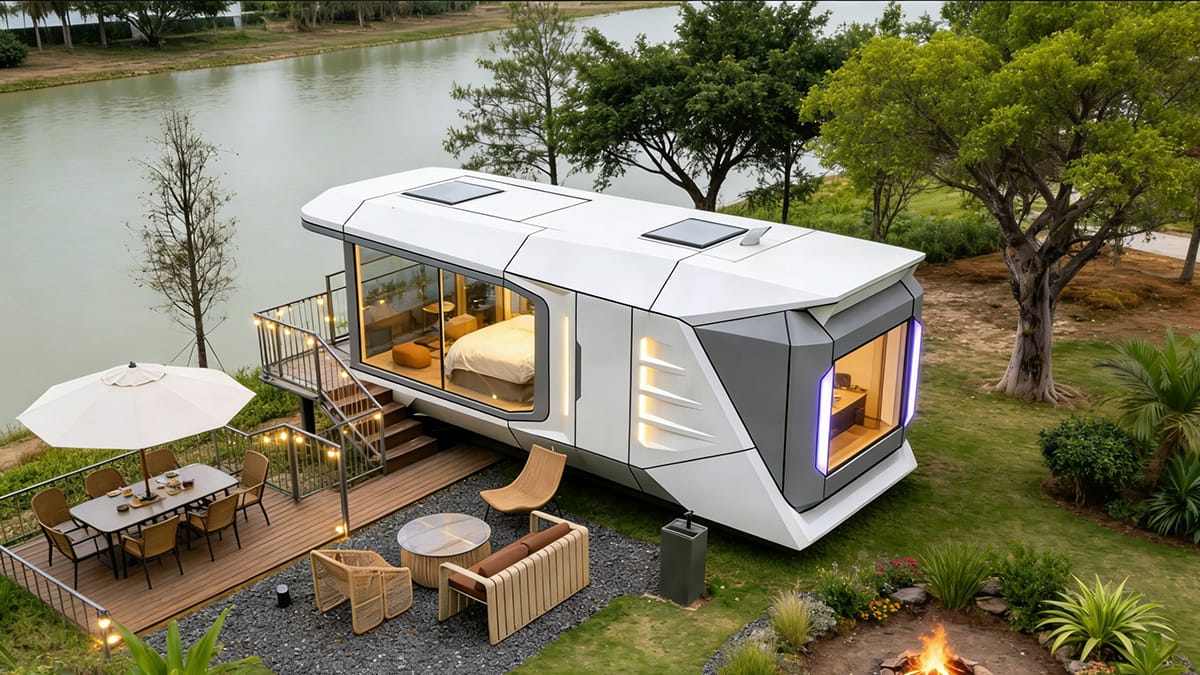
You may wonder why modular capsule houses are special. Imagine a small, modern home like an astronaut’s cabin. These homes use smart technology and green materials. You can use your phone to control lights and temperature. Security is also easy to manage with your phone. Builders use old shipping containers and solar panels. This helps the planet when you live in one. The design works for living, working, or shopping. There is built-in storage and furniture to save space. The house is strong and easy to move. People from many places and cultures like these homes.
|
Feature |
Description |
|---|---|
|
Sleek, modern look inspired by astronaut cabins. |
|
|
Eco-Friendly Construction |
Uses new materials, solar panels, and saves energy. |
|
Modular Design |
Furniture and storage save space and have many uses. |
|
Smart Technology |
Easy to control your home environment. |
|
Durability and Mobility |
Simple to move and set up for flexible living. |
|
Customization |
Can be changed to fit what you want. |
|
Sustainability |
Made from old shipping containers to help the earth. |
|
Versatility |
Good for homes, offices, or stores. |
|
Global Appeal |
Works in many climates and cultures. |
|
Innovative Living |
Small but comfy spaces that are good for the planet. |
Differences from Traditional Homes
There are big differences between modular capsule houses and regular homes. Builders make modular homes in factories almost all done. Regular homes are built step by step at the site. Modular capsule houses cost less because they use less work and fewer materials. Both types must follow local building rules to keep you safe. Modular capsule houses give you more choices and smart features. They also take up less space. You may find this type of home fits your life better than a regular house.
Modular Capsule House Pros
Cost-Effectiveness
You might wonder how much money you can save. Modular capsule houses cost a lot less than regular houses. You pay less for both materials and workers. Builders make these homes in factories, so there are fewer delays. This also means you do not pay extra for problems. Look at this table to see the price difference:
|
Capsule House Type |
Price per Square Foot |
Average Cost Range |
|---|---|---|
|
Prefab Capsule House |
$100 – $200 |
$30,000 – $60,000 |
|
Custom Capsule House |
$200 – $350 |
$60,000 – $100,000 |
|
Modular Home Type |
Price per Square Foot |
Total Cost Range |
|---|---|---|
|
Basic Modular Home |
$100 – $150 |
$200,000 – $300,000 |
|
Mid-Range Modular Home |
$150 – $200 |
$300,000 – $400,000 |
|
High-End Modular Home |
$200 – $250 |
$400,000 – $500,000+ |
You can see that modular capsule houses are much cheaper. You also save money on fixing things. These homes use strong stuff that lasts longer. You do not need to repair them as much. You pay less for power because the house uses less energy.
|
Type of Home |
Initial Investment |
Long-term Maintenance Costs |
Utility Expenses |
|---|---|---|---|
|
Modular Capsule Houses |
Lower |
Lower |
Minimal |
|
Traditional Homes |
Higher |
1% of total value |
Higher |
Fast Construction & Easy Maintenance
You do not have to wait a long time for your home. Builders put together a modular capsule house in just a few weeks. It takes about 20 days to make one unit. Delivery happens in 45 to 60 days. Other homes can take over 100 days to finish.
|
Milestone |
Capsule Castle |
Others |
|---|---|---|
|
Production Cycle |
20 days/unit |
30–60 days/unit |
|
Delivery Cycle |
45–60 days |
80–100+ days |
It is easy to keep your home clean. The systems are new and do not break often. You spend less time and money fixing things. The design helps you stay organized, so you do not forget repairs.
Tip: If you want a home that saves you money and time, a modular capsule house is a good choice.
Space Efficiency
You might worry about living in a small place. A modular capsule house uses space very well. The rooms fit what you do every day. Furniture can do more than one thing. You can fold out a bed or hide a table. Storage is built into walls and under seats. You get more space than you think.
|
Feature |
Modular Capsule Houses |
Other Small Housing Options |
|---|---|---|
|
Space Optimization |
Focus on maximizing every square foot |
Often less efficient use of space |
|
Customization |
Easily customizable and scalable |
Limited customization options |
|
Multifunctional Furniture |
Incorporates furniture that serves multiple purposes |
Typically single-purpose furniture |
|
Construction Speed |
Assembled quickly, often within days |
Longer construction timelines |
|
Transportation Efficiency |
Compact components reduce shipping costs |
Larger components increase costs |
|
Adaptability to Environments |
Suitable for diverse terrains and urban areas |
May not fit all environments |
-
The small design helps you use space better.
-
Smart layouts let you use rooms in many ways.
-
Quick building means you move in faster.
-
You can live in many places, even cities or the country.
-
You can change the inside to fit what you like.
Sustainability
You help the earth when you pick a modular capsule house. Builders use recycled steel and safe wood. The house comes with solar panels and energy-saving machines. You get good insulation, so you use less heat and air. The way they build the house makes less trash. You can live off-grid if you want.
-
Strong, safe materials keep your air clean.
-
Good air systems help you stay healthy.
-
Smart recycling and composting cut down on waste.
-
Safety and quality are checked by experts.
-
You can use solar power if you want.
-
Safe finishes make your home better for you.
These homes use less stuff and less energy than old houses. You make less pollution. You also save money on bills.
Mobility & Flexibility
You do not have to stay in one spot. A modular capsule house can move with you. You can take your home if you get a new job. The small size makes it easy to move. You can set up your home in a city, far away, or even in an emergency. The inside can change to fit your needs. You can add more space or change the rooms.
Note: You cannot change everything, but this makes things simple. You do not have to spend a lot of time picking details. You get a home that is ready to use.
You get more freedom and choices. You decide where to live and how to use your space.
Modular Capsule House Cons
Limited Space & Comfort
Living in a modular capsule house feels small. There is not much room to walk or store things. Families may find it hard to fit everyone. People who do not like tight spaces may feel uncomfortable. Many people say the space limits what they can do each day. You cannot stretch out or have big parties. The small design means you must change how you live.
-
Small space makes it hard to keep all your stuff.
-
Moving around is tough, especially for families.
-
The tight area can bother people who want more room.
Sleeping, eating, and working may not feel as good. You cannot spread out much. This setup is best for people who like simple living.
Privacy Issues
Privacy is hard to get in a modular capsule house. Thin walls and open rooms let sounds travel fast. You might hear music or talking from next door. If you share the house, you may not get quiet time.
Here are some ways to fix privacy and how well they work:
|
Privacy Solution |
Description |
Effectiveness in Shared Spaces |
|---|---|---|
|
Soundproofing |
Uses thick materials and walls |
Works well, but not perfect |
|
Spatial Design |
Layout helps keep things private |
Best for people living alone |
You can try soundproofing or change the layout. These fixes do not always work. If you want peace and quiet, think carefully.
Storage Constraints
You must change how you store your things. The small space makes you keep only what you need. You have to use every spot wisely. Living in a modular capsule house means you get rid of extra stuff. You may let go of clothes, books, or kitchen tools. This can feel good, but you cannot keep everything you want.
Customization Limits
You may want to make your home special, but modular capsule houses limit your choices. Factory-made homes give you fewer options for colors or layouts. You cannot easily change walls or add rooms. If you like to decorate, you may feel upset. The simple setup is easy, but you cannot show your style as much as in a regular house.
Tip: If you like to change your home often, you may not like the fixed design.
Regulatory & Zoning Challenges
You may face legal problems when you set up a modular capsule house. Local rules do not always fit these homes. You must follow strict zoning laws and building codes. Some places treat these homes like recreational vehicles or accessory dwelling units. Each type has its own rules.
|
Legal Category |
Zoning and Safety Requirements |
|---|---|
|
Recreational Vehicles (RVs) |
Must follow RV zoning laws and foundation rules. |
|
Accessory Dwelling Units (ADUs) |
Must meet local setbacks, height limits, and coverage rules. |
|
State-certified Modular Construction |
Must follow modular codes and safety standards. |
You may need to place your unit 5 to 10 feet from the property line. Height rules keep homes between 16 and 25 feet tall. The unit can only cover 40-50% of your yard. You must upgrade hardware for safety. Getting approval takes time and patience.
-
Zoning laws and codes do not fit modular capsule houses well.
-
Safety rules need special upgrades.
-
You must deal with tricky rules to get approval.
Financing & Resale Value
You may have trouble getting money or selling your modular capsule house. Banks may not want to give loans for these homes. You might pay more upfront or need special loans. When you sell, buyers may worry about resale value. The market for modular capsule houses is still new. You may wait longer to find a buyer or get less money than you hope.
Note: If you want to move or invest, check local rules and talk to banks before you decide.
Real-Life Uses
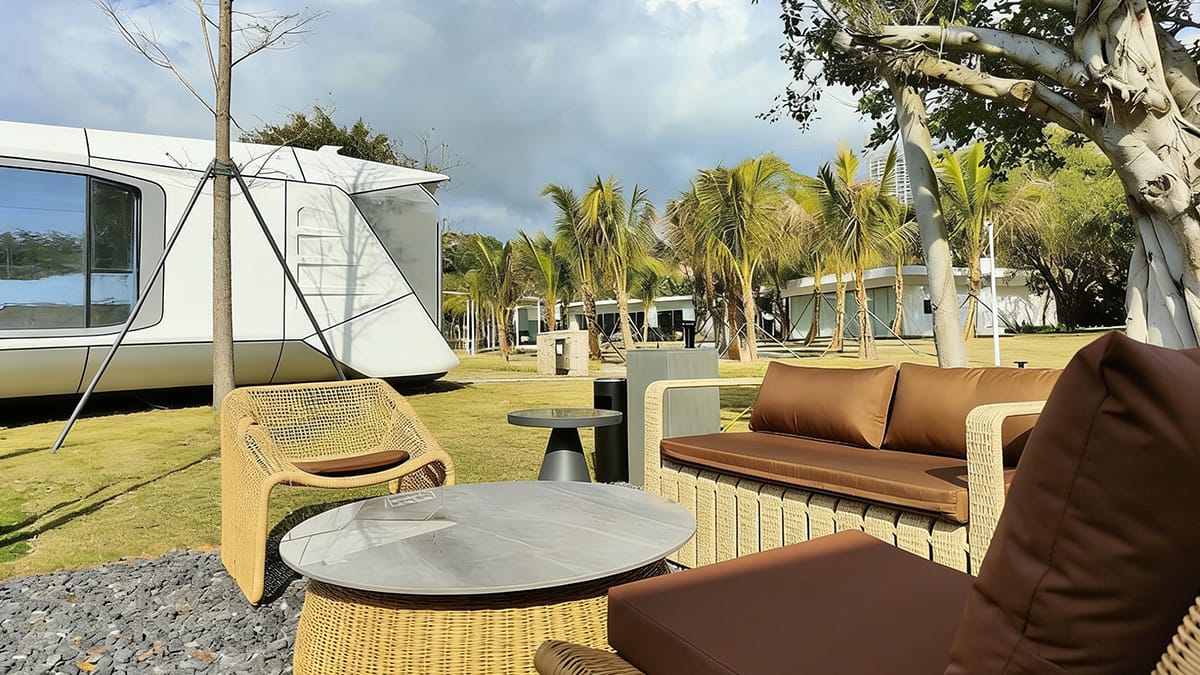
Urban Living
You might see modular capsule houses in the heart of big cities. These homes help people live close to work, school, and fun places. They fit into small spaces and stack up to save land. Some famous buildings show how well this works.
|
Name |
Description |
Location |
|---|---|---|
|
Nagakin Capsule Tower |
140 small capsules, each with a bed, bathroom, and workspace. People lived here right in the city. |
Tokyo, Japan |
|
Habitat 67 |
354 concrete apartments, each with lots of light and space. This building changed how people see city homes. |
Montreal, Canada |
You can find these homes in busy neighborhoods. They give you a place to live without needing a big house or yard. You get to enjoy city life and save money at the same time.
Temporary & Emergency Housing
Modular capsule houses help people when they need shelter fast. You might see them after storms, earthquakes, or in places where people have to move quickly. These homes go up in days, not months. They keep people safe and dry.
|
Application Context |
Key Features |
|---|---|
|
Za’atari Refugee Camp, Jordan |
Strong, quick-to-build homes for families who lost their houses. |
|
Disaster Relief |
Earthquake-resistant and waterproof. People move in right away. |
|
Construction Sites |
Mobile offices for workers. Easy to set up and move when needed. |
You can count on these homes to give comfort during hard times. They work well for families, workers, and anyone who needs a safe place fast.
Off-Grid Solutions
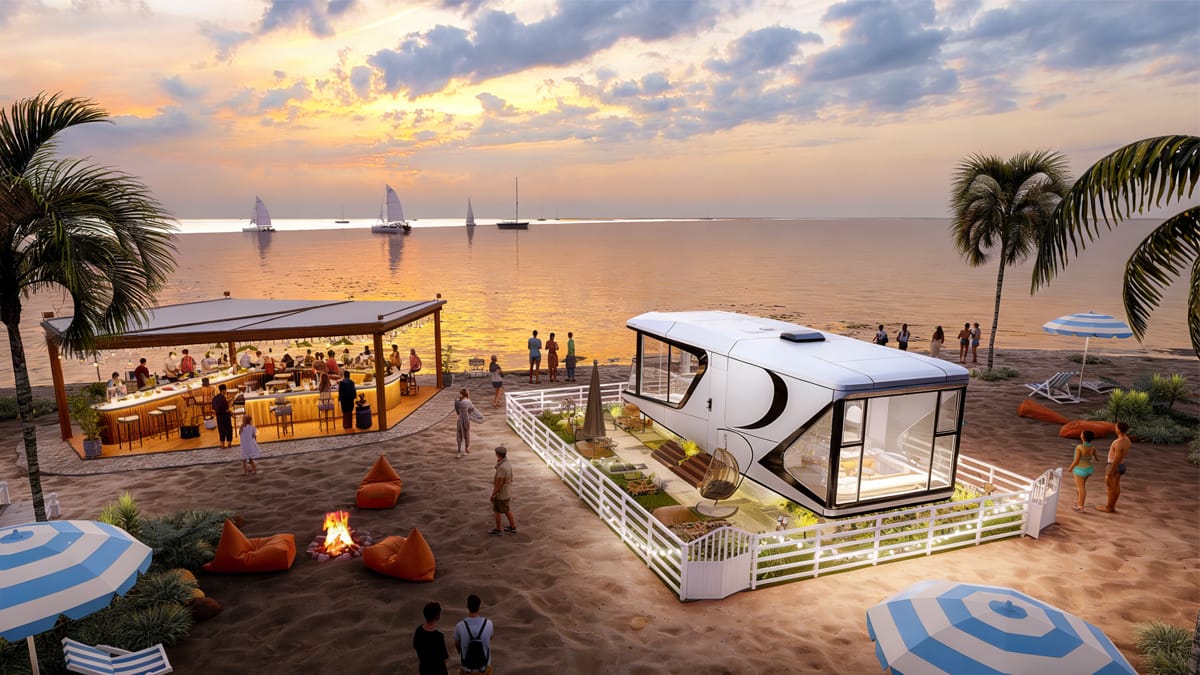
Do you dream of living far from the city? Modular capsule houses make off-grid life possible. You can set up your home in the woods, on a mountain, or by a lake. These houses come ready for anything.
-
You can build and move your house quickly.
-
The strong steel frame keeps you safe from storms and earthquakes.
-
Special insulation keeps you warm in winter and cool in summer.
-
Solar panels give you clean power.
-
You use less energy and make less waste.
-
The house has everything you need: a bed, kitchen, bathroom, and heat.
-
You can pick different shapes, like round cabins or stacked boxes.
-
Special glass and aluminum keep your home comfy and green.
You get freedom and comfort, even in wild places. Modular capsule houses help you live your adventure.
Trends for 2026
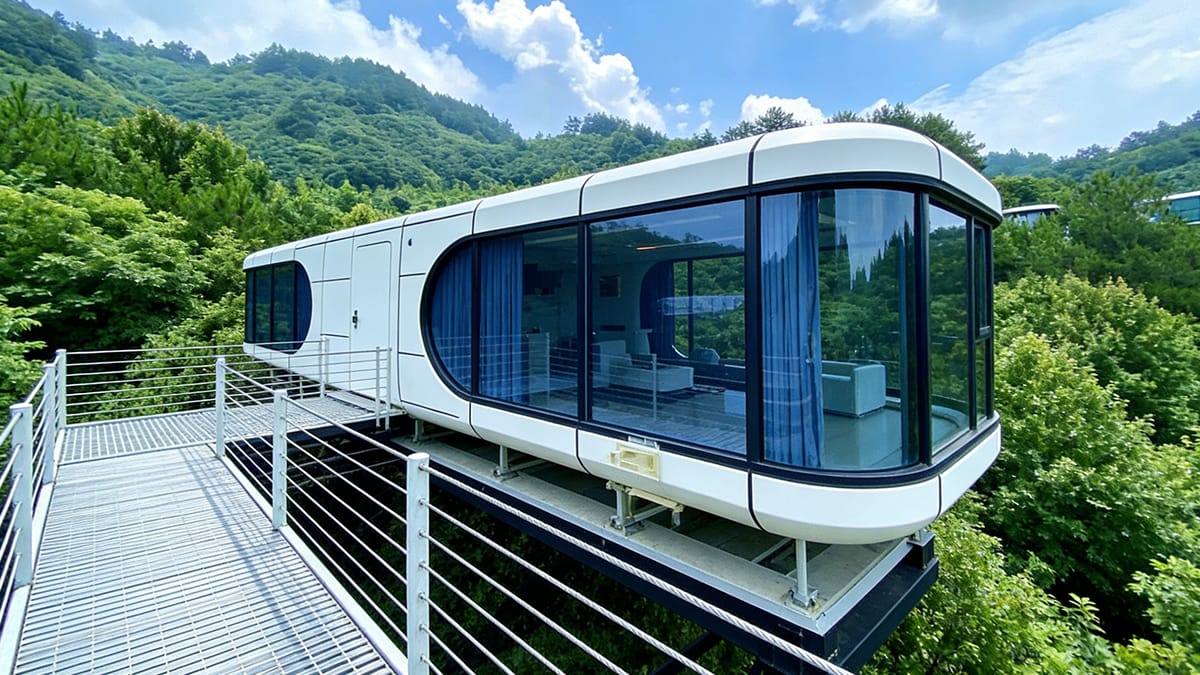
Technology Advances
You see new technology changing modular capsule houses every year. In 2026, smart home features make your life easier. You can control lights, locks, and temperature with your phone. Energy efficiency gets better, so you use less power and save money. Builders use recycled materials that help the planet. These changes make your home more comfortable and safer.
-
Smart home systems let you manage everything from your phone.
-
Energy-saving designs cut your power use by up to 30%.
-
Recycled materials lower your home’s carbon footprint by 40%.
-
Better insulation keeps your house warm in winter and cool in summer.
-
Solar panels and battery storage give you clean energy.
You get a home that feels modern and helps you live greener.
Market Growth
You notice more people choosing modular capsule houses. The market keeps growing fast. Builders make more homes each year. Prices stay steady, so you can plan your budget. Take a look at how the market grows:
|
Year |
Market Size (USD) |
Growth Rate (%) |
|---|---|---|
|
2024 |
3,231.64 million |
N/A |
|
2025 |
3,519.26 million |
N/A |
|
2026 |
N/A |
You see the numbers go up. More buyers and builders join the market. You find more choices and better deals.
Regulation Changes
You face fewer problems with rules in 2026. Governments start to accept modular capsule houses as real homes. Cities and towns change their laws to fit these new designs. You find it easier to get permits and set up your house. Builders work with officials to make sure your home meets safety standards. You feel confident that your house follows the rules.
Note: As modular capsule houses become more popular, regulations adapt to support them. You benefit from smoother approval and more options for where you can live.
You notice modular capsule houses have many good points. They help you save money and use space well. You can move them easily, and they are good for the planet. But there are some problems, too. The space is small, privacy is hard, and rules can be confusing. Look at this simple table:
|
Advantages |
Disadvantages |
|---|---|
|
Cost-effective |
Limited living space |
|
Efficient use of space |
Privacy concerns |
|
Mobility |
Regulatory issues |
|
Environmental sustainability |
Comfort issues |
Think about what you need most. Ask if you like simple living or want to be close to the city. Maybe you care about helping the earth. People like millennials, students, and digital nomads often like these homes. You should check your money, where you live, and what you do every day. If you want a home that is flexible and modern, modular capsule houses could work for you. Are you ready to try a new way to live? 🚀
FAQ
Can you live in a modular capsule house year-round?
Yes, you can live in one all year. Builders use strong insulation and weatherproof materials. You stay warm in winter and cool in summer. You get comfort and safety every season.
How do you move a modular capsule house?
You call a moving company. They use trucks or cranes to lift and transport your house. You pick a new spot, and they set it up for you. Moving takes a few days.
Is it hard to get a loan for a modular capsule house?
Banks sometimes say no. You may need a special loan or pay more upfront. Talk to your bank first. Ask about options for modular homes.
Tip: Check local banks and credit unions. They may offer better deals.
What can you do if you need more space?
You add another capsule. Builders connect new units to your house. You get extra rooms for sleeping, working, or storage. You choose how much space you want.
Are modular capsule houses safe in storms?
You get strong steel frames and secure foundations. These homes stand up to wind and rain. You stay safe during storms. Builders test each unit for safety.