


09 Nov Top 3 Trailer Home On Wheels Benefits Today
Table of Contents
You probably want a home that fits your life, not the other way around. Trailer Home living stands out for three big reasons: mobility, affordability, and flexibility. Many Americans feel the same way.
Over 3.1 million people now live full-time in vans, RVs, and other converted vehicles.
Owners love skipping building rules and enjoy the freedom to move whenever they want.
You might find that a Trailer Home lets you chase new experiences, save money, and create a space that feels just right for you.
Key Takeaways
You can live anywhere you want. A trailer home lets you wake up in new places. You can stay by mountains or beaches. You get to see and explore many areas.
You spend less money on your home. Trailer homes cost less than regular houses. You save on buying, fixing, and bills. This helps you keep more of your money.
You can change your space to fit you. Trailer homes let you pick your own design. You can make your living area how you like. You can also change it as your life changes.
You feel comfortable while you travel. New trailer homes are steady and have good features. You can work from anywhere and feel cozy. It is easy to enjoy your time on the road.
You use less energy and help the earth. Trailer homes have smart insulation and good materials. This lowers energy use and keeps you comfy. You also help protect the planet.
Trailer Home Mobility
Live Anywhere
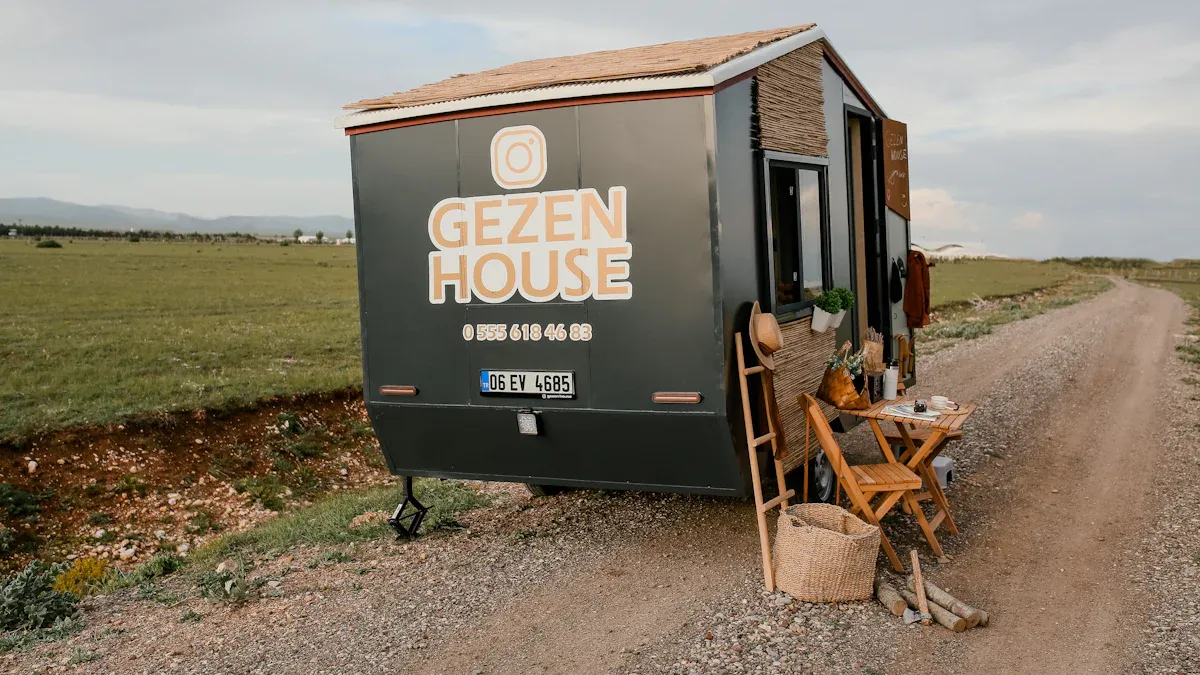
Imagine waking up in the mountains one month and by the beach the next. With a Trailer Home, you get the freedom to choose your location. Many states across the country let you live full-time in your home on wheels. Here are just a few places where you can settle down:
Tennessee
Texas
Utah
Vermont
Virginia
Washington
West Virginia
Wisconsin
Wyoming
Georgia
Florida
California
You can move your Trailer Home across state lines, but you need to follow some rules.
Before you hit the road, make sure you get a moving permit from the state or county. Your home must meet local zoning laws and building standards. If your Trailer Home was built before 1976, check with local officials to see if it meets safety codes.
This flexibility means you can chase warmer weather, find new jobs, or just explore new places. You never have to feel stuck in one spot.
Travel Comfort
You don’t have to give up comfort when you travel. Modern Trailer Homes come with DOT-approved chassis. These strong frames use high-strength steel and offer different axle setups for stability. You get a smooth ride, even on rough roads.
Gross Vehicle Weight Rating (GVWR) keeps your home safe and steady.
Suspension types like leaf spring or torsion make travel easier.
Towing stability and ground clearance help you reach off-grid spots.
If you work remotely, your Trailer Home can become your mobile office. Many people set up dedicated workspaces inside. Solar power and satellite internet let you join meetings or launch projects from anywhere.
You can balance work and adventure, making every day feel fresh and exciting.
With four-season features, you stay cozy in winter and cool in summer. Your home moves with you, but comfort always stays.
Affordable Living
 Lower Costs
 Lower Costs
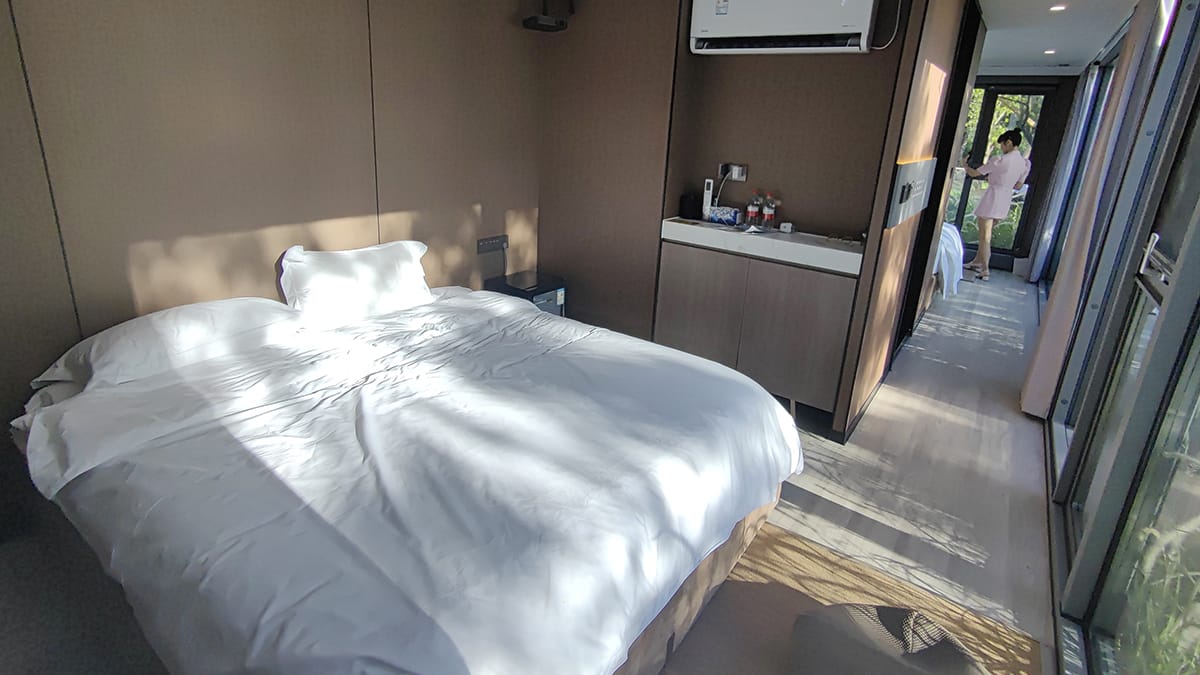
You want to spend less money on your home. A Trailer Home can help you save each month. The price is much lower than a regular house. Look at this chart:
Type of Home | |
|---|---|
Mobile Home | $148,100 |
Tiny Home | $30,000 – $60,000 |
You pay less when you buy a Trailer Home. You also spend less on fixing things and paying bills. Here is another chart:
Home Type | |
|---|---|
Tiny Home | $500 – $1,500 |
Traditional Home | $2,000 – $5,000 |
You do not need to worry about big repair costs. Your utility bills are lower, too. Insurance is different for mobile homes. They need special coverage because they are built and used in special ways. Insurance usually costs less, but mobile homes can lose value over time.
If you need to move, it is easier and cheaper with a Trailer Home. You can tow it with a truck. Stationary homes need more money for moving and setting up.
Trailer Homes on Wheels | Stationary Mobile Homes | |
|---|---|---|
Initial Purchase Price | Generally more affordable | Varies significantly based on size and design |
Transportation and Setup Costs | Often lower, manageable with a vehicle | $3,000 to $5,000 for transport, plus setup costs |
Long-term Maintenance and Utilities | Generally lower utility costs, but may require frequent maintenance | Higher maintenance and utility costs over time |
Tip: If there is an emergency, like a wildfire or hurricane, you can use a Trailer Home as a safe place. After disasters, families have used tiny homes to stay close to their friends and move away from danger.
Energy Efficiency
You want to be comfortable and not waste energy. Trailer Homes use smart insulation and materials that save energy. Here are some features:
Component | R-Value |
|---|---|
Drywall | R-0.5 |
Energy Shield | R-6.5 |
Roxul Bats | R-14 |
Plywood 3/8″ | R-0.5 |
Exterra | R-5 |
Cedar Siding | R-1 |
Ceiling Foam | R-48 |
Floor EPS | R-37.5 |
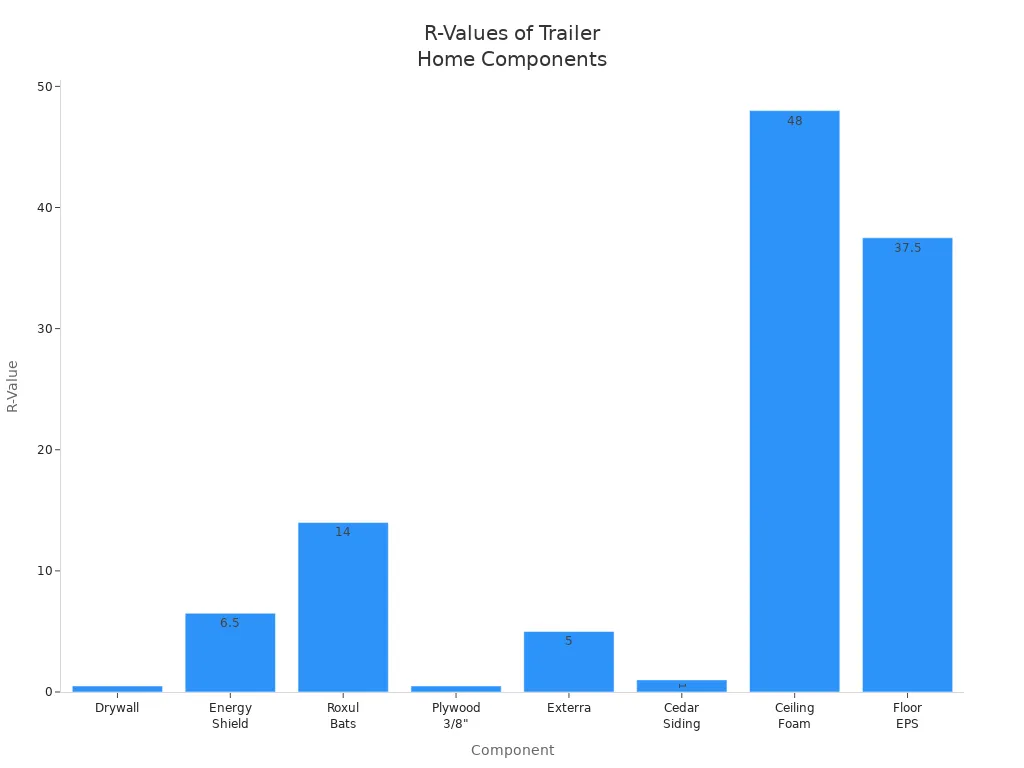
The ceiling and floor have strong insulation. This keeps you warm in winter and cool in summer. Many Trailer Homes meet safety and weather rules. You can anchor your home and add more insulation for tough weather.
Note: After wildfires and hurricanes, Trailer Homes have helped families stay safe and recover faster. You can move your home to a safer place and avoid storm damage.
You save money, use less energy, and stay comfortable all year.
Flexible & Custom Trailer Homes
Personalization
You want your home to feel special and just for you. With a Trailer Home, you can pick what fits your style and needs. Big companies let you choose your own floor plan and features. You can also set up delivery and installation for your new home. Here are some choices:
Description | |
|---|---|
Floor Plan Design | Make a layout that works for your life. |
Feature Selection | Choose things you like, from tech to colors. |
Delivery and Setup | Plan when your home arrives and gets set up. |
You can change your space inside and outside. Many people like to paint walls, add new fabrics, and put in cool lights. You might hang pictures, change knobs, or use wreaths for decoration. Outside, you can plant flowers, put out chairs, or hang solar lights to make it cozy.
Tip: Building your custom home is fast. Most homes are ready in weeks or months. The time depends on size, design, and how busy the builder is.
Adaptable Spaces
Your needs can change, and your Trailer Home can change too. You can make rooms do more than one thing or add smart storage. If you need more space, you can build up. Here are some ways to change your home:
Use beds and desks that fold away.
Use empty spots for storage or fun areas.
Make open spaces so your family can be together.
Add a room or make outdoor areas with decks and patios.
New designs use earth-friendly materials and smart technology. Fancy finishes make your home look nice. Small spaces can work well with smart ideas. You can start with a small home and make it bigger later. This saves money and keeps you flexible.
Note: Trailer homes stay flexible for a long time. You can move, change, or upgrade your space as you need. This makes them great for anyone who wants a home that grows with them.
You get three main benefits with a trailer home on wheels.
You can travel to new places and live anywhere you want.
You spend less money than buying a regular house.
You can change your space to match your needs with smart upgrades.
Benefit | Why It Matters |
|---|---|
Mobility | You can travel and live anywhere. |
Affordability | You pay less and have steady housing. |
Flexibility | You can upgrade and make custom spaces. |
Many people say their lives are easier and better for the planet. Experts think there will be more choices and cool features soon. If you want freedom and comfort, this way of living could be your next big adventure! 🚐✨
FAQ
Can you live in a trailer home year-round?
Yes, you can live in a trailer home all year. Many models have insulation and heating for cold weather. You stay comfortable in summer and winter.
Do you need a special license to tow a trailer home?
You usually need a regular driver’s license for most trailer homes. If your trailer is very large, check with your state’s DMV for extra rules.
How do you get internet in a trailer home?
You can use mobile hotspots, satellite internet, or campground Wi-Fi. Many people set up their own routers for better speed.
What are common ways to personalize a trailer home?
You can paint walls, add new furniture, or hang lights. Some people build decks or plant flowers outside. You make your space feel like home.
Is it hard to find places to park your trailer home?
You find spots at RV parks, campgrounds, or private land. Some states let you park on your own property. Always check local rules before you settle.