



17 Nov Trailer Home On Wheels vs Modular House
Table of Contents
You might wonder what sets a Trailer Home On Wheels apart from a modular house. The big difference is how each one is built and where you can place it. Modular homes follow the same rules as regular houses, so they last longer and often keep their value. Trailer homes usually lose value every year and are mostly found in specific parks. Take a look at recent shipment numbers for manufactured homes in the United States:
Month | Shipments (Thousands) |
|---|---|
July 2025 | 106 |
June 2025 | 104 |
March 2025 | 108 |
Knowing these facts helps you choose the right home for your budget, your plans, and where you want to live.
Key Takeaways
Trailer homes on wheels can move from place to place. You can change where you live easily. Modular houses stay in one spot. They have a strong base and do not move.
Modular homes usually keep their value longer. They are a better choice if you want to invest for many years.
Think about what you need for your life. Pick a trailer home if you want to move and spend less money at first. Pick a modular house if you want more comfort and ways to change your home.
Each type of home has special rules for where you can put it. Always look up the local laws before you buy a home.
Look at how much money you have and what you want in the future. This will help you pick the home that fits your plans and needs.
Key Differences Explained
Trailer Home On Wheels vs Modular House: Quick Overview
You might look at a trailer home on wheels and a modular house and think they are pretty similar. They both come from factories, but they have big differences that matter when you choose where to live. A trailer home on wheels is built to move. You can tow it to a new spot if you want. Modular houses are made in sections, but they get set up on a solid foundation and stay put.
If you want a home that you can move from place to place, a trailer home on wheels gives you that freedom. You can park it in a trailer park or sometimes on private land. Modular houses work more like regular homes. You pick a spot, and the house stays there for years.
Tip: Think about how long you want to stay in one place. If you like to travel or move often, a trailer home on wheels might fit your lifestyle. If you want a home that feels permanent, a modular house is a better choice.
Core Distinctions Table
Here’s a simple table to help you see the main differences between these two types of homes:
Feature | Trailer Home on Wheels | Modular House |
|---|---|---|
Construction Method | Built in a factory | Built off-site with stick-built standards |
Foundation | Usually on wheels or blocks | Set on a fixed or custom foundation |
Mobility | Easy to move, designed for relocation | Usually stays in one place |
Cost Efficiency | Lower cost, simple construction | Mass production saves money, higher standards |
Longevity | May wear out faster due to moving | Lasts longer with solid foundation |
You can use this table to compare what matters most to you. Do you want to save money up front? Do you want a home that lasts for decades? Your answer will help you decide which option fits your needs.
Trailer Home On Wheels Overview
Construction & HUD Code
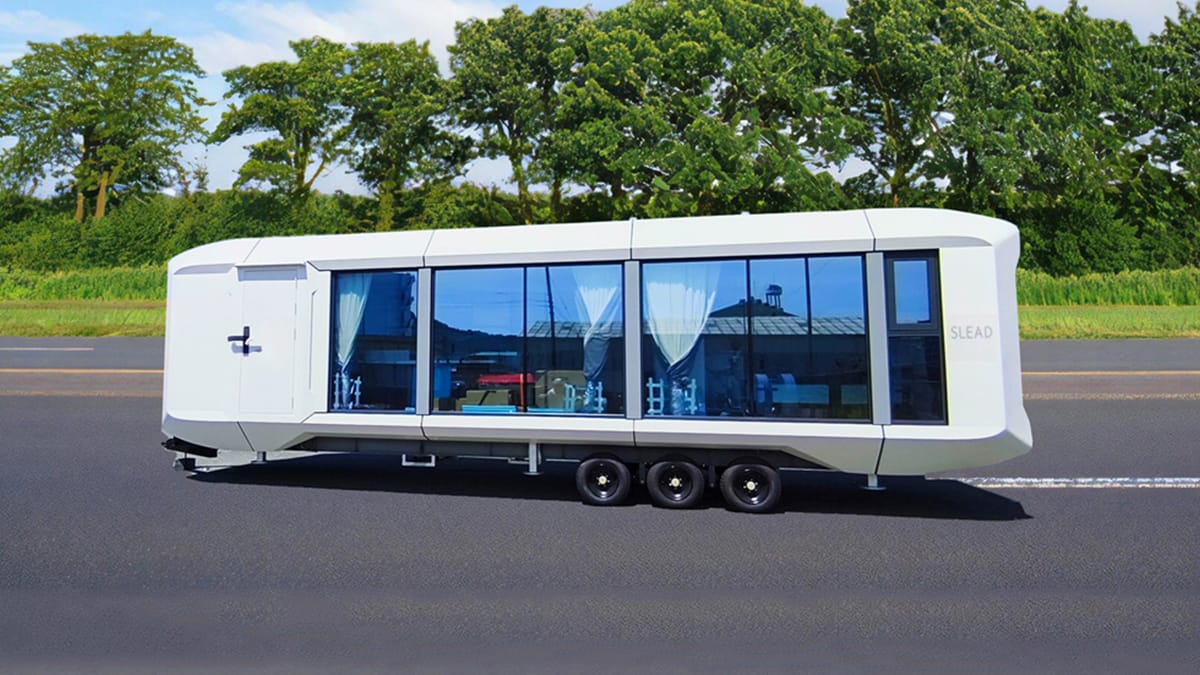
A trailer home on wheels is a small house. It is built with strict rules. These homes follow the HUD Code. This means they meet safety and energy standards. The home is checked for quality before leaving the factory. Some features you might see are:
Safety rules help keep your family safe.
Energy-saving designs lower your bills.
Modern materials make the home strong and last longer.
Smart home features let you control lights and security.
You can choose different layouts and finishes.
New rules add better access and updated appliances.
Note: Local rules may ask for more things before you place your trailer home on wheels. Always check with your city or county before buying.
Mobility & Uses
One big reason people pick a trailer home on wheels is that it can move. You can take your tiny home to a new place if you want. Many owners park their homes in special parks or on private land. You can use your mobile home as your main house, a guest room, or a vacation spot. This makes it easy to match your lifestyle.
Move your home when you want a new place.
Use your tiny home for travel, work, or visits.
Enjoy living in different places.
Living Experience
Living in a trailer home on wheels feels different than a regular house. You get a small space that is cozy and easy to care for. Many people choose these homes because they cost less and are simple. Some parks have pools or clubhouses for everyone. Monthly costs stay low, so you can save money or spend it on fun things.
Tiny homes are popular because they are cheap.
You get basic comforts and modern things.
Some parks have shared spaces and activities.
Privacy and choices may be less than regular homes.
This lifestyle is good for people who want simple living.
Tip: If you want a home that saves money and lets you move, a trailer home on wheels might be right for you.
Modular House Overview
Construction & Local Codes
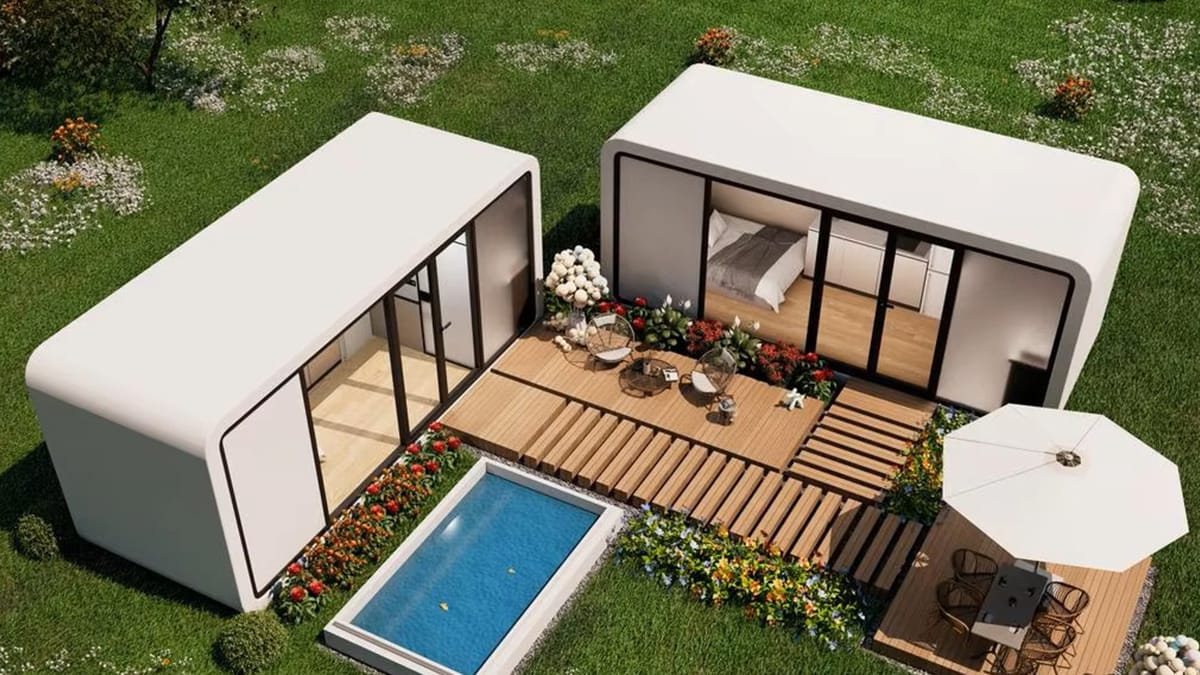
Modular houses are built in pieces at a factory. These pieces are sent to your land and put together there. Modular homes must follow rules from your state and town. Each place has its own rules, so you need to check them. Some states make things easier with deals that mean fewer checks. Most places want you to follow their rules closely. Agencies watch how modular homes are built to keep you safe and make sure your home is good.
Here’s a quick look at how modular construction works:
Aspect | Details |
|---|---|
Construction Process | Built offsite, then moved and put together on your land |
Building Codes | Must follow state and local rules, no special breaks |
Oversight | State agencies check for safety and rule-following |
Standards | New ANSI rules help explain what is needed |
Tip: Always check your local rules before you buy or build a modular house. Rules can be different in each town.
Foundation & Installation
A modular house needs a strong base. Modular homes sit on permanent bases like regular houses. The builder helps you pick the best base. You might see raft bases, which are big concrete slabs. Strip bases run under the walls. Sometimes, you need deep bases if the ground is weak. Basement bases give you more space under your house.
Modular homes are fixed to the base with bolts or connectors.
A soil check helps you pick the right base.
Common bases are raft, strip, single footing, deep, and basement.
Note: A strong base keeps your home safe and steady for a long time.
Living Experience
Living in a modular house feels like living in a regular house. You get a strong home, modern comforts, and many ways to make it your own. Builders make these homes inside, so weather does not slow things down. You get better materials. Modular homes usually cost less than regular houses, so you save money but still get comfort.
Aspect | Modular Homes | Site-Built Homes |
|---|---|---|
Construction | Built in a factory, fewer delays | Built on-site, weather can slow work |
Quality | Materials kept safe indoors | Materials can get wet or damaged |
Customization | Many choices within modular limits | Full control over design |
Cost | Cheaper, building is fast | Usually costs more |
If you want a home that stays in one place, feels comfortable, and saves you money, a modular house could be a good choice for you.
Manufactured Homes vs Modular Houses: Comparison
Building Codes & Standards
There are big differences in the rules for trailers and modular houses. Manufactured homes, like trailer home on wheels and manufactured tiny homes, must follow the HUD code. This is a rule for the whole country. It helps keep your home safe and not too expensive. You get things like smoke alarms and windows for escape. There is also fire protection. Modular houses follow rules from your town or state. These rules can be different in each place. You might see stronger walls and more safety checks. Modular homes are built for local weather like wind, snow, and earthquakes. This means your modular house fits your area, but the rules can be hard to understand.
If you want a home with the same rules everywhere, manufactured homes are easier. If you want a home built for your local weather and safety needs, modular houses offer more protection.
Foundation & Permanence
Think about how your home sits on the ground. Manufactured homes, like trailers and mobile homes, can have bases that stay or move. If you want your manufactured home to count as real property, you must take off the wheels and towing parts. You also need a strong wall or another approved base. Modular houses always sit on a solid base. You can pick a basement, a slab, or deep footings. This makes your modular house feel like a regular home and gives you extra space.
Manufactured homes need a solid base for better stability and loans.
Modular houses have more choices for bases, which means more comfort.
Cost & Affordability
Money is important when you pick your home. Manufactured homes and trailers cost much less than modular houses. In 2023, the average price for a new manufactured home is $86.62 per square foot. For a site-built home, it is $165.94 per square foot. That’s a difference of $79.32 for each square foot. If you buy a 1,500-square-foot manufactured home, you save about $118,980 compared to a regular house. The monthly cost for a single-section manufactured home is about $563. For a single-family home, it goes up to $1,410. Modular houses cost more than trailers but less than regular homes.
Manufactured homes and trailers are best if you want to save money.
Modular houses give you more features but cost more at first.
Durability & Longevity
You want your home to last a long time. Modular houses are built to last 50 years or more. Some modular homes can last even longer if you take care of them. Manufactured homes and trailers need more care. You must check the base, crawlspace, and underbelly often. Leveling and keeping out water are important, especially in the first year. Modular homes use strong materials and are built inside factories. They can handle tough weather and stay strong for many years.
Modular houses last longer and need fewer repairs.
Manufactured homes and trailers need regular checks to stay safe and dry.
Tiny homes, especially trailers, may wear out faster if you move them a lot.
Financing & Insurance
Getting a loan or insurance for your home can be hard. Manufactured homes, including trailers and manufactured tiny homes, need a solid base and utility hookups for regular loans. If your home is not fixed to the land, you might only get a personal loan. Modular houses are treated like regular homes. You can get FHA, VA, or regular loans. Insurance is easier for modular houses. You pay less and get better coverage. Manufactured homes need special insurance, which costs more because they have higher risks from wind and fire.
Manufactured homes need a solid base for better loans and insurance.
Modular houses get more loan choices and cheaper insurance.
Customization & Design
You might want to make your home special. Modular houses let you pick layouts, finishes, and styles. You can design your modular house to match what you like. Manufactured homes and trailers have fewer choices because of HUD rules. Builders are adding more options for tiny homes and trailers, like smart tech and off-grid features. Still, modular houses give you more freedom to create the home you want.
Modular houses give you more design choices.
Manufactured homes and trailers are more standard but are getting better at offering new features.
Zoning & Placement
Where you put your home is important. Zoning laws can be strict, especially in cities. Manufactured homes and trailers often face more rules in urban areas. You might see labels like R3 or R4, which limit where you can put your home. Lot sizes can be big, and some places only allow one home for every five or ten acres. Rural areas are more flexible. You get fewer rules and more freedom to set up your tiny home or trailer.
Aspect | Urban Areas | Rural Areas |
|---|---|---|
Zoning Designations | Often labeled R3 or R4 with stricter regulations | More lenient zoning laws, may allow more density |
Lot Size Requirements | Can restrict to one home per 5 to 10 acres | Typically larger lot sizes, fewer restrictions |
Community Restrictions | Stricter community rules and regulations | More flexibility in community setup |
Infrastructure Requirements | Must connect to city utilities and services | May have less stringent infrastructure requirements |
Age Restrictions | Limits on the age of homes being moved in | Often fewer restrictions on home age |
Always check local zoning before you buy a trailer or modular house. Rules can change fast.
Resale Value
You want your home to keep its value. Modular houses usually keep their value better than manufactured homes and trailers. Modular homes are seen as real property, so they sell like regular houses. Manufactured homes and trailers often lose value over time, especially if they are not on a solid base. Tiny homes and trailers can be harder to sell if you move them a lot or if local rules change.
Modular houses have better resale value.
Manufactured homes and trailers may lose value each year.
Tiny homes and trailers are popular but may not be a good investment for resale.
If you want a home that keeps its value, modular houses are the safer bet.
Pros and Cons
Trailer Home On Wheels: Pros & Cons
Thinking about a trailer home on wheels? You get some big benefits, but you also face a few challenges. Here’s what you need to know:
Pros:
You spend less money up front. Mobile homes cost much less than regular houses, so you can own a home without a huge loan.
You save on repairs. Smaller homes mean lower maintenance bills and less work for you.
You join a steady community. About 22 million Americans live in mobile homes, and many plan to stay for years.
You enjoy flexibility. You can move your home if you want a change of scenery.
Cons:
You run into zoning limits. Many places restrict how many mobile homes you can put in one area.
You see less growth in value. Mobile homes usually don’t appreciate much, so you might not make money if you sell.
You face weather risks. Trailer homes are more vulnerable to storms and natural disasters.
You deal with some stigma. Some people still see mobile homes as less desirable.
Tip: If you want a budget-friendly home and don’t mind moving or living in a smaller space, a trailer home on wheels could be a smart choice.
Modular House: Pros & Cons
Modular houses offer a different set of advantages and drawbacks. You get more options and comfort, but you need to plan for extra costs and decisions.
Pros:
You pay less than for a traditional house. Modular homes are usually 10% to 20% cheaper because builders buy materials in bulk and work faster.
You move in quickly. Construction takes 30% to 60% less time than a stick-built home.
You pick your style. Many builders let you customize layouts, finishes, and features.
You save on energy. Modular homes often use energy-efficient designs, so your utility bills stay low.
You get durability. These homes stand up to tough weather and last for decades.
Cons:
You pay for land and permits. The price of land, foundation, and permits can add up fast.
You may find financing tricky. Getting a loan for a modular home can be more complicated, especially if you build from scratch.
You face public bias. Some people confuse modular homes with mobile homes, which can affect resale value.
You struggle to find land. In busy markets, finding a good spot for your modular home can be tough.
You have limited changes. Once construction starts, making changes is hard.
Note: If you want a permanent, energy-efficient home with lots of choices, a modular house might fit your needs. Just make sure you plan for extra costs and check local rules.
Choosing the Right Home
Decision Factors
You want a home that fits your life, not just your budget. Start by thinking about what matters most to you. Do you need to move often for work or family? If so, a mobile home gives you the flexibility to pack up and go. Maybe you want to settle down and build roots. In that case, a modular house offers a solid foundation and more comfort for the long run.
Your lifestyle and future plans play a big role in this choice. Manufactured homes cost less and make moving easier. They work well if you want to save money or if you do not plan to stay in one place for many years. Modular homes cost more at first, but they give you better value over time. You can pick your layout and finishes, so your home matches your style. If you see your home as an investment, a modular house makes sense.
Tip: Write down your top three needs. Do you want low costs, easy mobility, or a home that grows in value? Your answers will point you in the right direction.
Common Scenarios
Let’s look at some real-life situations. You might see yourself in one of these:
Young professional who moves for work: You want a place that moves with you. A mobile home lets you change locations without buying a new house each time.
Family looking for a forever home: You want space, comfort, and a house that lasts. A modular house gives you a strong base and room to grow.
Retiree seeking to downsize: You want simple living and lower bills. Both options work, but if you want to travel, a mobile home is best.
Investor focused on long-term value: You want a home that keeps its worth. A modular house is the better pick.
Scenario | Best Fit |
|---|---|
Frequent mover | Mobile home |
Long-term, stable living | Modular house |
Budget-focused, flexible living | Mobile home |
Investment and customization | Modular house |
Remember, your needs may change. Pick a home that fits your life today and tomorrow.
Choosing between a trailer home on wheels and a modular house depends on what matters most to you. Take a look at this quick table to help you decide:
Aspect | Modular Homes | Manufactured Homes |
|---|---|---|
Mobility | Stays in one place | Easy to move |
Budget | Costs more | Costs less |
Customization | More options | Fewer choices |
Value | Holds value longer | Loses value faster |
Before you pick, ask yourself:
What’s your budget and long-term goal?
Do you want to move often or settle down?
How much space do you need for your lifestyle?
Will your family grow or change soon?
Think about your future needs and where you want to live. Pick the home that fits your life today and gives you room to grow tomorrow.
FAQ
What is the main difference between a modular house and a trailer home on wheels?
You get a modular house built in sections at a factory, then placed on a solid foundation. A trailer home on wheels is built to move and usually sits on wheels or blocks. Modular homes feel more permanent.
Can you move a modular home like a trailer home on wheels?
You can’t move a modular home easily. Once you set it on its foundation, it stays put. Trailer homes on wheels are designed for travel. Modular homes are meant for long-term living in one spot.
Do modular homes cost more than trailer homes on wheels?
Yes, modular homes usually cost more up front. You pay for better materials and a solid foundation. Trailer homes on wheels are cheaper, but modular homes last longer and hold their value better.
Are modular homes safe in bad weather?
Modular homes follow strict local building codes. You get strong walls and roofs that protect you from storms. Modular homes can handle wind, rain, and snow better than trailer homes on wheels.
Can you customize a modular home?
You can pick layouts, finishes, and features for modular homes. Builders offer many choices. Modular homes let you design your space to fit your style. Trailer homes on wheels have fewer options.
Tip: If you want a home that feels unique, modular homes give you more freedom to choose.
Feature | Modular Home | Trailer Home on Wheels |
|---|---|---|
Customization | Many choices | Limited options |
Safety | Strong, durable | Basic protection |
Mobility | Stays in one place | Easy to move |