


07 Nov Comparing Trailer Homes On Wheels and Movable Tiny Houses in 2025
Table of Contents
If you wonder about the real differences in the Trailer Home On Wheels Vs Movable Tiny House debate in 2025, you are not alone. These two options might seem similar, but they offer unique benefits. When you look at the numbers, you see the tiny home market reached $21.9 billion in 2024, and over 10,000 tiny homes popped up in the U.S. last year. Nearly 40% of builders even focused on smaller homes.
Your choice often depends on what matters most to you. Take a look at how these features stack up:
Feature | Mobile Home | Tiny Home |
|---|---|---|
Size | 500–3,000 sq. ft. | 100–400 sq. ft. |
Mobility | Semi-permanent | Usually mobile |
Cost | ~$148,100 | $30,000 to $60,000 |
Lifestyle | Traditional | Minimalist |
Think about your space needs, budget, how much you want to move, and any local rules. This will help you decide which style fits your life best.
Key Takeaways
Trailer homes on wheels have more space. They range from 500 to 3,000 sq. ft. This makes them good for families. They are also good for people who need extra room.
Movable tiny houses are much smaller. They are usually between 100 and 400 sq. ft. These homes help people live simply. They are also easier to move.
The cost is very different. Trailer homes cost about $148,100 on average. Tiny houses cost between $30,000 and $60,000. Tiny homes are cheaper for most people.
Think about your lifestyle before you choose. Pick a trailer home if you want more space and stability. Pick a tiny house if you want to move easily and live simply.
Always look at local zoning laws before you buy. Check insurance rules too. These things can change where you live and what you pay.
Definitions: Trailer Home on Wheels vs Movable Tiny House
What Is a Trailer Home on Wheels?
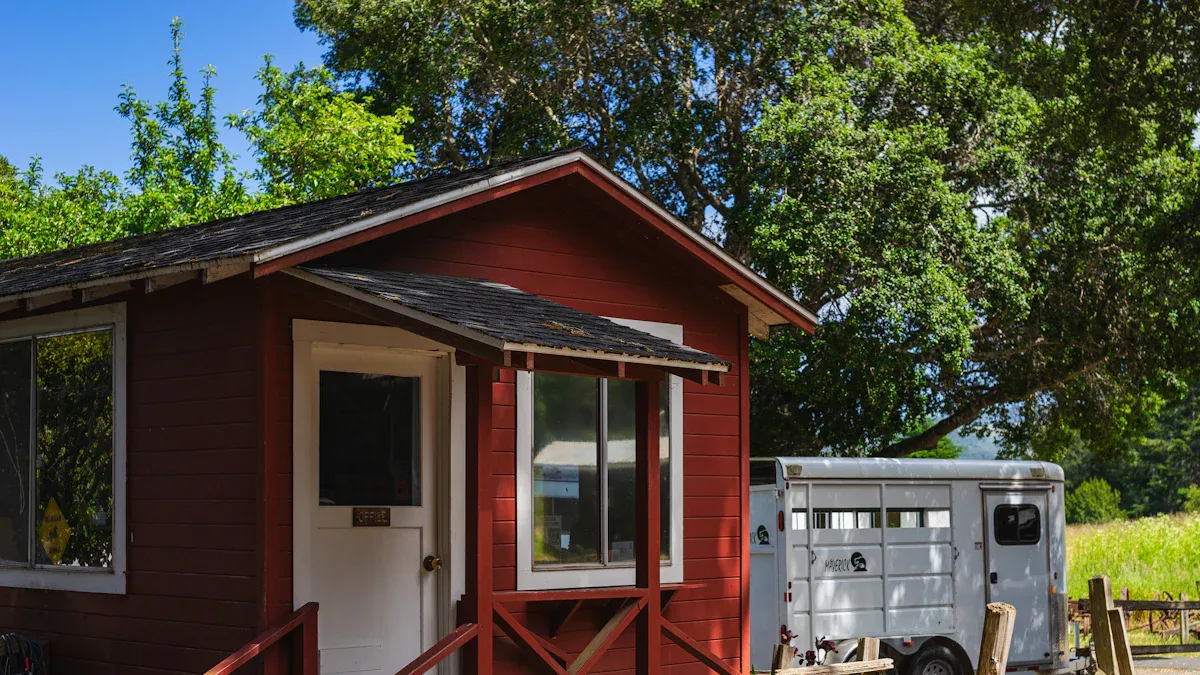
Some people talk about trailer homes on wheels. These homes are built on a strong steel frame with wheels. You can move them, but most owners keep them in one place for years. Trailer homes usually have more room than tiny houses. They must follow safety rules from housing officials. If you want a home that feels normal and can be moved, this might work for you.
What Is a Movable Tiny House?
A movable tiny house is much smaller. Most are 400 square feet or less. They sit on trailers and can be pulled by a truck. These homes are made for living in all the time. They have a kitchen, bathroom, and a place to sleep. Builders use good materials to make them safe and strong. If you want to live simply and help the planet, a movable tiny house could be right for you.
Key Features
Let’s look at the main differences between trailer homes on wheels and movable tiny houses. Here is a table to show how they compare:
Feature | Trailer Home on Wheels | Movable Tiny House |
|---|---|---|
Construction | Steel frame with wheels | Built on trailer, small design |
Size | 500–3,000 sq. ft. | Up to 400 sq. ft. |
Purpose | Stays put, can be moved | Simple living, good for the earth |
Safety Standards | HUD Code | Local codes or RV rules |
Tip: Think about your life when you choose. Do you want lots of space or a tiny home? Will you move a lot or stay in one place?
Choosing between trailer homes on wheels and movable tiny houses depends on what you want. If you like bigger spaces and a normal home, trailer homes are better. If you want simple living and easy moving, tiny houses are best. The choice is about what fits your needs. You should think about size, how it is built, and why you want it. Picking the right one helps you find a home that matches your life.
Size Comparison
Space and Layout Differences
When you look at trailer homes on wheels and movable tiny houses, the first thing you notice is the difference in size. Trailer homes usually give you much more living space. Most trailer homes range from 500 to 3,000 square feet. You can spread out, add furniture, and even set up separate rooms for sleeping, eating, and relaxing. If you want a home that feels roomy, trailer homes might fit your needs.
Movable tiny houses are much smaller. The maximum size for a tiny home is 400 square feet, based on the 2023 International Residential Code. Most tiny homes on wheels stay between 100 and 400 square feet to meet road rules. You get a compact living space that makes you think about every inch. Tiny homes use clever layouts, like loft beds and fold-out tables, to make the most of their size. You might find storage under stairs or hidden in walls. If you like cozy spaces and want to keep things simple, a tiny house could be perfect.
Tip: Think about how much living space you need. Do you want room for guests, hobbies, or pets? Or do you prefer a small, easy-to-clean home?
Living Area and Amenities
Trailer homes on wheels often come with full-size kitchens, bathrooms, and bedrooms. You get a refrigerator, stove, and sink in the kitchen. The bathroom usually has a toilet, shower, and sink. The sleeping area feels comfortable, with space for a mattress and storage. You can enjoy a living space that feels like a traditional house.
Movable tiny houses offer the same basic amenities, but everything fits into a smaller size. You still get a kitchen with essential appliances, a bathroom with the basics, and a sleeping area. The living space feels cozy, and you might use multi-purpose furniture to save room. Tiny homes focus on smart design, so you can live well in a small area.
Feature | Trailer Home on Wheels | Movable Tiny House |
|---|---|---|
Average Size | 500–3,000 sq. ft. | 100–400 sq. ft. |
Living Space Style | Spacious, separate | Compact, multi-use |
Amenities | Full-size | Space-saving |
You should think about your lifestyle and how much living space you want. Trailer homes give you more size and comfort, while tiny houses help you live simply in a smaller area.
Cost Comparison: Trailer Home on Wheels vs Movable Tiny House
 Price Per Square Foot
 Price Per Square Foot
When you start looking at homes, price per square foot helps you compare options. Trailer homes on wheels usually cost less per square foot than movable tiny houses. You get more space for your money. The average cost for a trailer home on wheels falls between $20,000 and $60,000, but high-end models can go over $180,000. Movable tiny houses often cost between $80,000 and $130,000, even though they are much smaller. If you want a custom tiny house, you might pay even more.
Home Type | Average Cost Range | Price Per Square Foot |
|---|---|---|
Trailer Home on Wheels | $20,000 – $60,000 | Lower |
Movable Tiny House | $80,000 – $130,000 | Higher |
You should think about how much space you need and how much you want to spend. If you want more room for less money, trailer homes might fit your budget better. If you care more about living simply and having a unique design, you might choose a tiny house even if the cost per square foot is higher.
Total Ownership Costs
The total cost of ownership includes more than just the purchase price. You need to budget for utilities, property taxes, and maintenance. Both trailer homes and tiny houses have these costs, but the amounts can be different.
You pay for water, electricity, and internet.
Property taxes depend on where you live and the value of your home.
Land costs change if you buy or rent land. Local rules can affect your choices.
Maintenance keeps your home safe and comfortable.
Over time, the total cost of ownership for a trailer home on wheels can be lower if you need more space. Tiny homes may cost less overall if you want a smaller footprint and fewer belongings. Many tiny home owners say financial freedom is their main reason for downsizing. You might find that your monthly bills drop when you live in a tiny house.
Tip: Always check your local zoning laws before you buy land or move your home. Rules can change your total cost of ownership.
Maintenance and Upkeep
You need to keep your home in good shape. Trailer homes on wheels and movable tiny houses have different needs.
Trailer homes need regular checks on tires, axles, and connections. Road vibrations can loosen screws and bolts.
Movable tiny houses also need trailer maintenance if you move them often. You should check the wheels and frame before every trip.
Some tiny homes, like shed homes, do not need trailer upkeep. You follow normal home maintenance schedules, like cleaning gutters and fixing leaks.
If you plan to move your home a lot, you will spend more on trailer maintenance. If you stay in one place, your costs might be lower. Both types of homes need care, but tiny houses can save you money if you keep things simple.
Note: The tiny home market has grown by 22% in the last five years. Many people choose tiny homes for financial freedom and lower total cost of ownership.
When you compare trailer homes on wheels and movable tiny houses, you see that cost depends on your priorities. If you want more space for less money, trailer homes offer a better cost comparison. If you want a smaller home with lower total cost of ownership, tiny houses might be the right choice. Always think about your budget, your lifestyle, and how much you want to spend over time.
Mobility and Travel
Moving and Towing
When you think about moving your home, you want to know how easy it is to tow and set up. Trailer homes on wheels are big and heavy. You usually need a professional moving service or a powerful truck to tow them. Most trailer homes weigh much more than tiny houses, so you need to check the towing capacity of your vehicle. If you try to move a trailer home yourself, you might need a truck like a Chevrolet Silverado 2500HD or Dodge Ram 2500. These trucks can handle weights over 10,000 pounds. You also need to install a trailer brake controller for better control and safety. Always check the load distribution, aiming for 60% of the weight ahead of the axle.
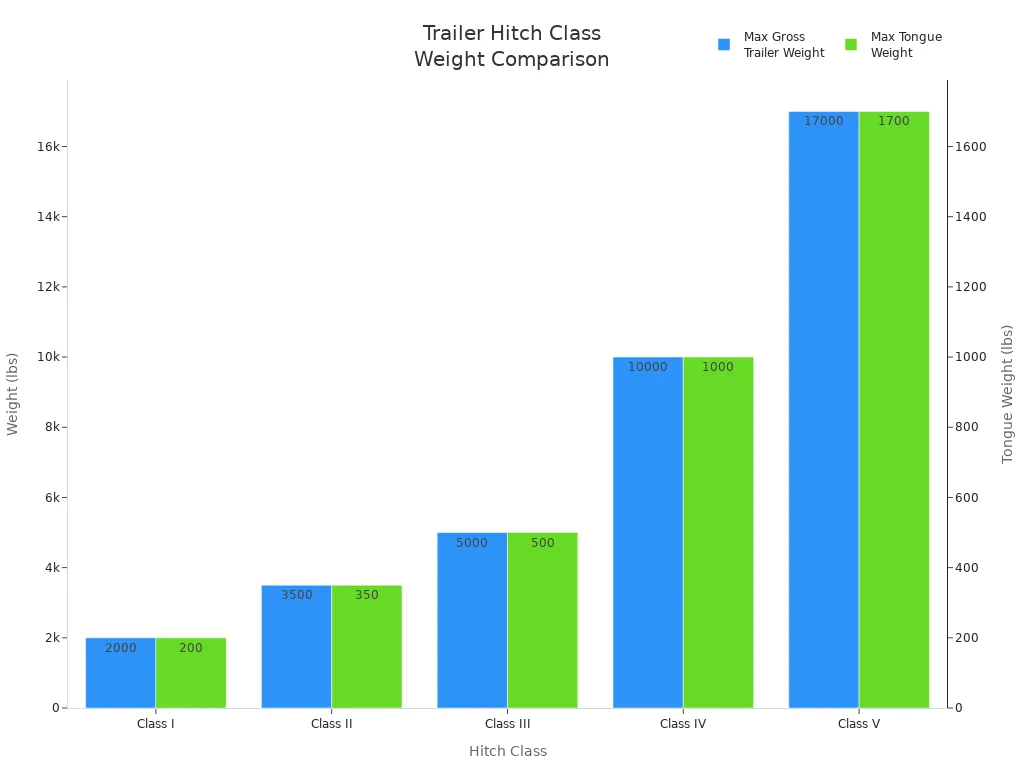
Movable tiny houses are lighter and smaller. You can tow them with a heavy-duty pickup truck if you have the right hitch. Most tiny houses weigh between 8,000 and 15,000 pounds. Before you hit the road, make sure your truck can handle the weight. You should also check your hitch class. Here’s a quick look at hitch classes and their weight limits:
Hitch Class | Maximum Gross Trailer Weight | Maximum Tongue Weight |
|---|---|---|
Class I | 2,000 pounds | 200 pounds |
Class II | 3,500 pounds | 350 pounds |
Class III | 5,000 pounds | 500 pounds |
Class IV | 10,000 pounds | 1,000 pounds |
Class V | 17,000 pounds | 1,700 pounds |
Tip: Always check your truck’s towing capacity before you move your tiny house. If you want to travel often, a movable tiny house is easier to tow and set up than a trailer home.
Road Rules and Restrictions
You need to know the rules before you start your journey. Trailer homes on wheels are usually wider and longer than tiny houses. Many states require special permits to move them. You might need to plan your route to avoid low bridges or narrow roads. Some places only allow trailer homes to move during certain hours. You may also need an escort vehicle for safety.
Movable tiny houses are built to fit road rules. Most are under 8.5 feet wide and 13.5 feet tall, so you can tow them on highways without a permit. You still need to follow local laws. Some states have limits on how far you can travel with a tiny house. You should check if you need a permit for long-distance travel. If you want the ability to travel across the country, tiny houses offer more flexibility.
Note: Road rules can change from state to state. Always check local laws before you move your home.
Frequency of Relocation
How often do you want to move your home? Trailer homes on wheels are designed to stay in one place for years. You can move them, but it takes time, money, and planning. Most owners only move their trailer home once or twice. If you want a stable home base, trailer homes work well.
Movable tiny houses are made for people who love travel and adventure. You can move your tiny house whenever you want. Some owners relocate every few months to explore new places or chase job opportunities. The compact design and energy-efficient features make it easy to set up in new locations. If you want the ability to travel and enjoy a nomadic lifestyle, a tiny house gives you more flexibility.
You can enjoy lower living costs and a minimalist lifestyle.
Tiny houses help you reduce your ecological footprint.
Expandable tiny houses on wheels offer even more flexibility. You can move to different cities, visit friends, or find new jobs. The ability to travel and set up your home in new places gives you freedom and adventure.
If you dream of hitting the road and exploring new places, a movable tiny house is your best choice. If you want a stable home with more space, a trailer home on wheels is better for you.
Legal & Insurance
Zoning and Permits
You must follow zoning rules before living in a trailer home on wheels or a movable tiny house. Zoning laws tell you where you can park and live. They also say how you connect water and power. Many cities want you to use a flexible hose for water. You need a plumbing permit for sewer hookups. This often means using a dump station like at a campground. If your home does not have plumbing inside, you must have clean water, toilets, and showers nearby in another house.
Zoning rules also help keep you safe. You should think about fire safety and handle waste the right way. You need to check and clean holding tanks often. Local officials make sure people follow zoning rules. Neighbors can report you if you break the rules. Zoning laws are different in every city. You must check the rules before you move or buy land. Some places let you put tiny houses in backyards. Other places only let trailer homes stay in RV parks. Zoning rules change how you live and move. They also affect your plans for the future.
Tip: Always ask about zoning rules before you buy or move your home. Zoning can help or hurt your plans.
Insurance Coverage
Insurance is not the same for trailer homes on wheels and movable tiny houses. If you own a tiny house on wheels, you usually need RV insurance. This covers your home when you travel and when you park. If your tiny house stays in one place, you might need mobile home insurance. Insurance agents look at how you use your home and how often you move it. These things change your coverage and cost.
You should talk to an insurance agent who knows about tiny homes. RV insurance helps you when you travel. Mobile home insurance helps if you stay in one spot. Trailer homes on wheels often use mobile home insurance. Movable tiny houses need RV insurance if you plan to travel.
Registration and Taxes
Registration and taxes depend on where you live and how you use your home. If you move your tiny house or park it at an RV park, you must register it with the DMV. You may need to pay sales tax, especially if your home comes from another state or country. Some states want you to show papers and get a VIN check. The rules are different in every state. You should check what you need to do and when.
Here’s a quick table to help you see the differences:
Scenario | Sales Tax Requirement | Registration Requirement |
|---|---|---|
Tiny house built in Oregon, living in California | Pay California sales tax | Register with DMV if moving or parking at RV park |
Tiny house built out of state, not registering | No sales tax if not moving | Registration required if moving or parking at RV park |
Tiny house built in Canada, living in a state with sales tax | Pay California sales tax upon entry | Registration required if moving or parking at RV park |
Builder charged sales tax | No additional sales tax at DMV | Registration required with proof of tax payment |
General DMV registration | Varies by state (10-30 days) | Must show documents and possibly have a VIN verifier inspect the house |
Legal rules can change how you own your home. Some places call your home a vehicle. Other places call it a building. This changes your loans, insurance, and taxes. Zoning, insurance, and registration are all important when you choose your home.
Lifestyle Fit
Who Should Choose Each Option?
You can pick between tiny homes and trailer homes on wheels. Trailer homes give you more space and feel like a regular house. You have room for hobbies, pets, and guests. Tiny houses are good if you want to move around and live simply. Some people choose tiny houses on foundation because they do not move. Tiny houses on wheels let you live in more places because of zoning rules. Think about local laws before you buy. Tiny homes cost less and help you keep your life simple.
Community and Social Life
Tiny homes help people make friends. Tiny house neighborhoods are getting bigger every year. People in these communities share land, gardens, and fun events. You get to know your neighbors and help each other. Trailer home parks do not always feel close because people move a lot. If you want to make friends and share things, tiny homes are a good choice.
Tiny house neighborhoods help people share and work together.
People living in tiny homes care about the planet and simple living.
Tiny house communities support each other more than trailer home parks.
Environmental Impact
Tiny homes are better for the earth. Studies show tiny homes can lower carbon emissions by 70% for each person. They use fewer materials and less energy to heat and cool. Tiny homes make less trash when built. If you care about the planet, tiny homes are a smart pick. Trailer homes use more energy because they are bigger, but they are getting better at saving energy.
Feature | Tiny Homes | Mobile Homes |
|---|---|---|
Size | Smaller, uses less stuff | Bigger, uses more stuff |
Energy Efficiency | Saves energy, sometimes off-grid | Better energy ratings, but uses more energy |
Waste during Manufacturing | Less trash from building | More trash from building |
Carbon Emissions | Can cut emissions by 70% | Needs more people to lower emissions |
Tiny homes need regular care. You should check tires, brakes, and look for leaks. Watch for moisture and rust. These jobs help your home last longer and save money. If you want less work and a simple life, tiny homes are a great choice.
Picking a trailer home on wheels or a movable tiny house depends on what you want. Both choices have good points. Here’s a simple comparison:
Feature | Mobile Home (600–2,000+ sq ft) | |
|---|---|---|
Average Cost | $30,000–$150,000+ | $50,000–$120,000+ |
Utility Bills | Lower | Higher |
Mobility | Flexible placement | Often park-limited |
Lifestyle | Minimalist, sustainable | Spacious, family-friendly |
Think about how much space you need. Think about your budget and how often you want to move. 🏡 Always check the rules in your area before you choose. You can call your city or look online for more info. Asking an expert can help you avoid problems.
FAQ
Can you move mobile homes anywhere you want?
You cannot move mobile homes anywhere you like. Local laws and zoning rules tell you where you can park. Always ask city officials before you move your mobile home. Some places only let mobile homes stay in certain parks or lots.
Do mobile homes need special insurance?
Mobile homes need special insurance to protect them. Most people get mobile home insurance for their homes. If you travel a lot, you may need RV insurance instead. Talk to an insurance agent who knows about mobile homes to get the right plan.
How long do mobile homes last?
Mobile homes can last for 30 years or even longer. You must take care of your mobile home to keep it safe. Check the roof, plumbing, and tires often. Good care helps your mobile home last many years.
Are mobile homes cheaper than tiny houses?
Mobile homes cost less for each square foot than tiny houses. You get more space for your money with mobile homes. Tiny houses cost more because they use special designs and materials. Think about your budget and how much space you want before you pick.
Can you live in mobile homes year-round?
You can live in mobile homes all year long. Many people use mobile homes as their main house. Make sure your mobile home has good insulation for cold and hot weather. Some mobile homes have energy-saving features to keep you comfortable.
Tip: Always check local rules before you buy or move a mobile home. Rules are different in every city.
Feature | Mobile Homes | Tiny Houses |
|---|---|---|
Cost | Lower per sq. ft. | Higher per sq. ft. |
Space | More room | Less room |
Insurance | Mobile home policy | RV or home policy |
Year-round living | Yes | Yes |