


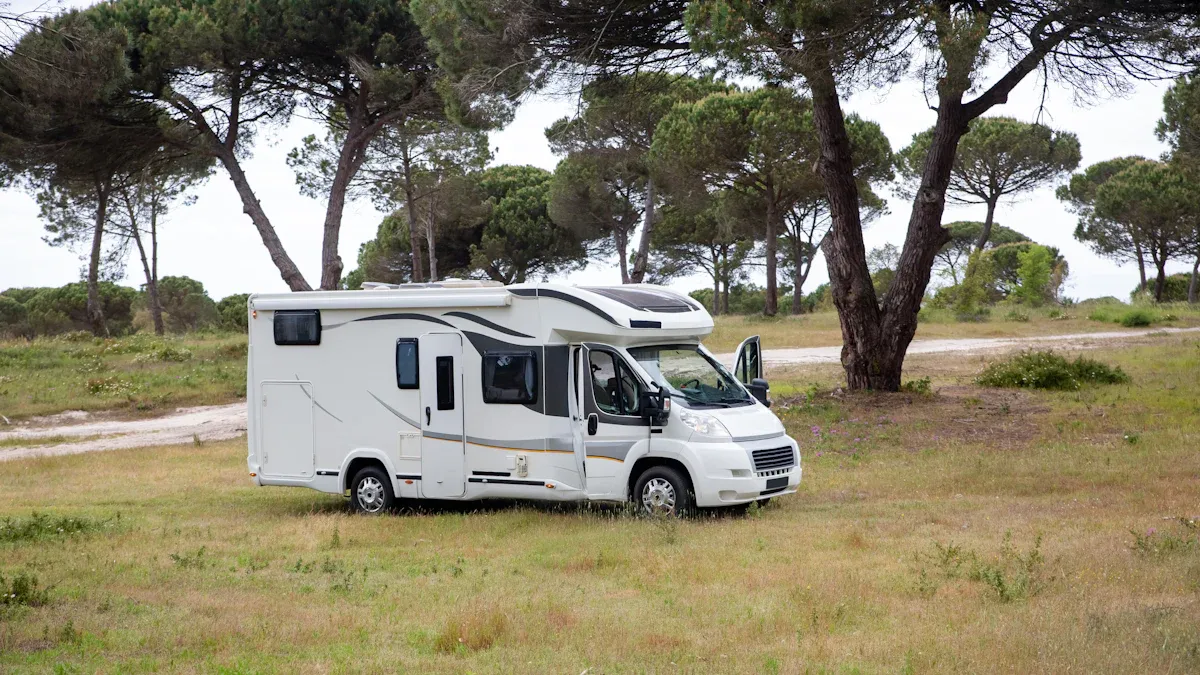
18 Nov Trailer Home On Wheels Versus RV Key Differences Explained
Table of Contents
You might wonder about the real differences between a trailer home on wheels and an RV. Trailer homes on wheels and RVs follow unique industry standards based on their construction dates and regulations. Tiny houses on wheels often count as park model RVs, meeting special zoning rules. Check out these facts:
RV shipments keep rising, with towable RVs leading the way.
Nearly 9.6 million households plan to buy an RV soon.
Understanding the Trailer Home On Wheels vs RV debate helps you pick the right fit for your travel or living needs.
Key Takeaways
Trailer homes on wheels give you more room. They are more comfortable for living a long time. This makes them great for people who want a steady home.
RVs let you move around easily. They are good for people who like to travel often. RVs are perfect for those who want to visit new places and take trips without planning much.
Think about how you live, how often you travel, and how much money you have. This will help you pick between a trailer home on wheels and an RV. It makes sure you choose what works best for you.
Trailer Home On Wheels vs RV: Overview
What Is A Trailer Home On Wheels
You might picture a trailer home on wheels as a cozy house that sits on a sturdy trailer frame. These homes use high-quality materials and offer durability for long-term living. Many people choose them because they want a mobile lifestyle without giving up comfort. You can find single-wide and double-wide models. Single-wide homes are narrow and long, making them easier to move. Double-wide homes join two units for a bigger living area, but you often anchor them in place.
Here’s a quick look at some common types:
Type of Home | Characteristics | Mobility Features |
|---|---|---|
Single-wide | Narrow, long, easy to transport | Tow-hitches for mobility |
Double-wide | Two units joined, spacious | Can be moved but often anchored |
Trailer Homes | Built on trailer frames, durable materials | Designed for mobility with wheels |
After World War II, mobile homes became popular because people needed affordable housing. Early models looked like campers and had wheels and trailer couplers. Builders used lower-grade materials back then, but today’s trailer homes on wheels are much stronger.
You’ll notice that these homes come in different sizes and weights. Fifth wheel trailers stand 11.5 to 13.5 feet tall and weigh between 5,000 and 20,000 pounds. Travel trailers range from 7 to 12 feet tall and weigh 500 to 10,000 pounds. You get a lot of choices depending on your needs.
Trailer homes on wheels are perfect if you want a place to live year-round or for extended stays. You can move them when you want, but many people set them up in one spot for a long time.
What Is An RV
When you think about an RV, you probably imagine a vehicle built for travel and adventure. RV stands for recreational vehicle. You drive or tow it, and it gives you temporary living quarters. Most people use an rv for camping, vacations, or seasonal trips. Manufacturers design rvs for short-term stays, not permanent living.
RVs come in different classes. Each class offers unique features and fits different travel styles. Here’s a table to help you compare:
Class Type | Size Range | Features | Intended Use |
|---|---|---|---|
Class A | 26 to 45 feet | Luxurious, large living space, high cargo | Long-term travelers, retirees, touring acts |
Class B | N/A | Compact, economical, limited storage | Couples, small groups, quick trips |
Class C | 20 to 28 feet | Mix of Class A and B, more amenities | Families, larger groups, balance of space |
You’ll find that rvs focus on mobility and convenience. You can drive them almost anywhere. They’re great for road trips and exploring new places. Park Model RVs are a special type. They give you temporary living quarters and work well in campgrounds or RV parks.
Most rvs are not meant for permanent living. You use them for recreation, camping, or seasonal adventures. If you want to travel often and enjoy new destinations, an rv might be the best choice.
Tip: When you compare trailer home on wheels vs rv, think about how you plan to use your space. Trailer homes on wheels suit people who want a stable home they can move if needed. RVs work best for those who love travel and short-term stays.
You can see that trailer home on wheels vs rv have different purposes. Trailer homes on wheels focus on comfort and long-term living. RVs give you flexibility and freedom for travel. Your choice depends on your lifestyle and what you want from your mobile home.
Space & Comfort Comparison
Living Area Differences
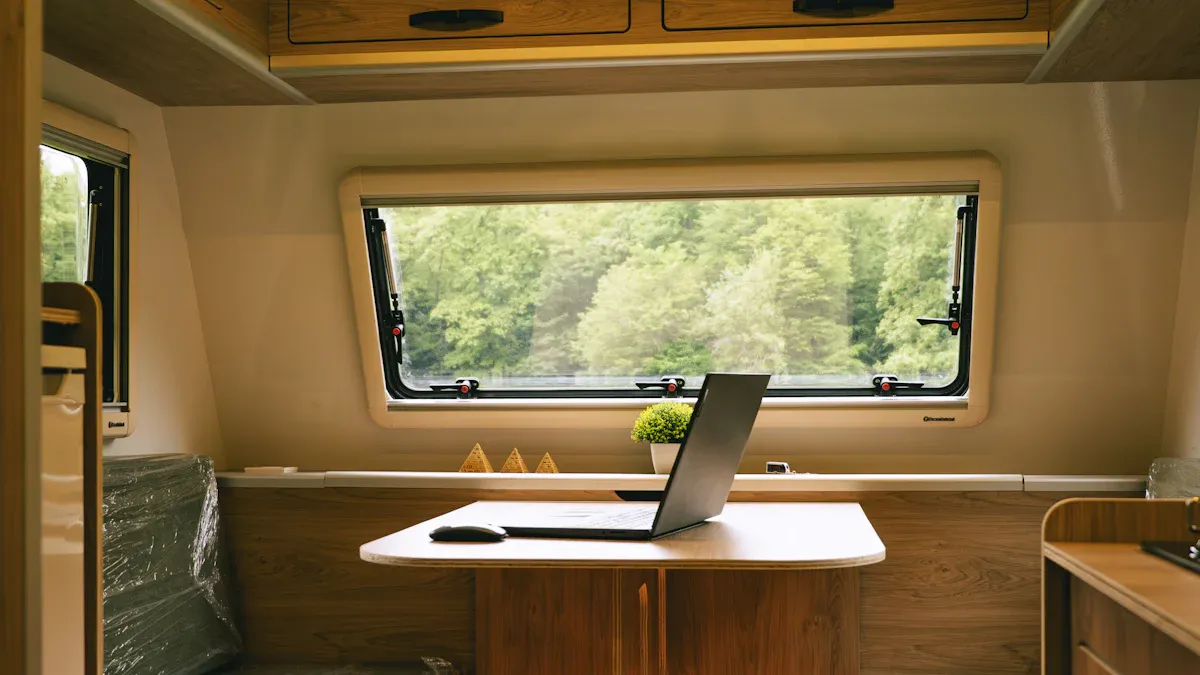
When you walk into a trailer home on wheels, you see lots of space. These homes have regular layouts with big rooms. You might find more than one bedroom and a real living room. If you want a place that feels like a house, this is a good choice. Most states say the floorplan can’t be bigger than 400 square feet. This keeps trailer homes and rv models legal for the road. Tiny homes let you change the layout to match your style.
RVs are built for small living. You get furniture that does more than one job and smart storage spots. The living area in an rv feels small but works well. If you like traveling and want things close by, this setup is great.
Trailer homes: Big rooms, regular layout
RVs: Small spaces, furniture with many uses
Kitchen & Bathroom Features
Both trailer homes and rvs have kitchens and bathrooms. In an rv, you usually get a stove, water, and places to store things. Bathrooms have plumbing, showers, and lights. Trailer homes on wheels can have the same things, but the size and shape might be different. Some trailer homes have full kitchens and bigger bathrooms. This makes life easier if you stay in one place for a long time.
Tip: If you want to live in an rv, look at the kitchen and bathroom before you buy. Some rvs have more space and comfort than others.
Storage & Insulation
Storage is important when you live on the road. RVs use smart ideas to fit your stuff in small places. Trailer homes on wheels give you more space for your things, especially if you pick a bigger model. Insulation is also different. Tiny houses use special insulation and weatherproofing, so you stay warm or cool. RVs have less insulation, so they might not be good for winter. If you want safe materials, tiny houses can use them. Most rvs use regular factory materials.
Feature | Trailer Home On Wheels | RV |
|---|---|---|
Storage | More space, regular closets | Small, smart design |
Insulation | Special, weatherproof | Basic, not for cold places |
Travel & Mobility
Ease of Towing & Driving
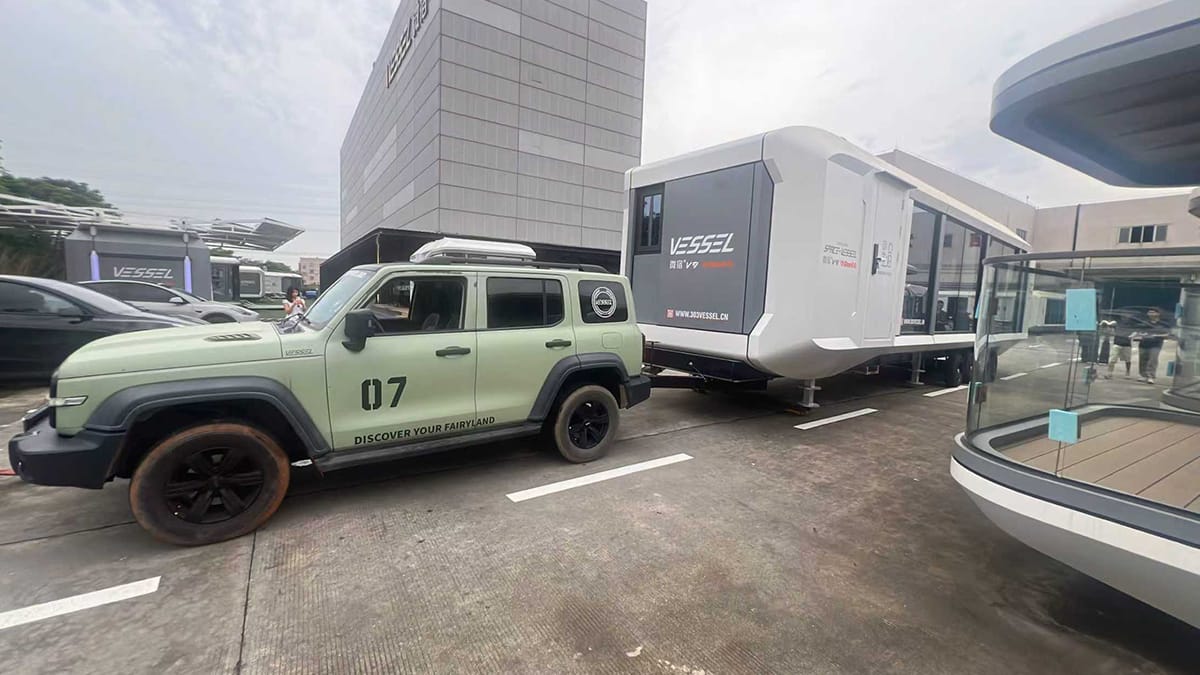
When you look at a trailer home on wheels and an rv, you see they handle differently. Many drivers think towing a trailer is easier. Trailers sit lower, so you can see better at night. You only need to care for one engine, so it is less work. Trailers use less gas, sometimes getting 11-14 mpg. Motorhomes often get only 6-8 mpg. The tow vehicle’s cockpit is usually more comfy. It has new features that help on long trips. Trailers are narrow, so tight spaces are easier to drive through. You can stop for gas without much planning. Backing into campsites is simple with a trailer. Motorhomes need more care with size and clearances. It can be hard to park and drive them because you cannot see as well.
Tip: If you want brakes that respond fast and easy turning, a trailer home on wheels may be best.
Setup & Parking
Getting your trailer home or rv ready at a campsite takes effort. With a trailer, you must level it, unhitch, lower jacks, and hook up power and water. Many campers like this setup and call it part of camping fun. Using a recreational vehicle is quicker, but you still need to check rules. Some cities want you to get a permit to park rvs or trailers on streets or in neighborhoods. You must make sure your unit does not block sidewalks or roads. There are rules for waste too, so always use approved water and sewer hookups.
Vehicle Type | Parking Regulations | Notes |
|---|---|---|
RVs | Need a permit to park on the street | Many cities let you park on driveways or in backyards. |
Trailers | Cannot block sidewalks or roads | You may need a permit for long stays in neighborhoods. |
Frequency of Travel
How much you travel depends on what you like. If you love seeing new places, living in an rv lets you go anytime. People visit places like the Florida Keys and Deadwood, SD for fun and nature. Trailer homes on wheels are better for staying in one spot longer or moving with the seasons. You might stay in one place for months before moving again. If you want to travel a lot, pick rv models with features for frequent trips. If you want to stay put, a trailer home on wheels is a good choice.
Cost Factors
Purchase Price
Price is important when you want to live on the road. Trailer homes on wheels and rv models come in many sizes. The table below shows how much they cost:
Type of RV | Price Range |
|---|---|
Towable RVs | $20,000 – $100,000 |
Motorized RVs | Starts at $50,000, can exceed $600,000 |
Travel Trailers | $20,000 – $50,000 |
Fifth Wheels | $30,000 – $100,000 |
Trailer homes on wheels usually cost less than fancy rv models. If you want more space or nicer things, you pay more. Always look at what comes with each choice before you buy.
Maintenance & Upkeep
If you own a trailer home or rv, you must keep it working. You might spend about $681 each year on repairs and checks. Some common problems are:
Slide outs that get stuck or make noise
Water leaks near doors or windows
Plumbing problems like clogged sinks
Electrical failures, such as blown fuses
Air conditioning breakdowns
Brake problems
If you use your rv a lot, it might break down more. Some parts, like slide outs or air conditioning, need regular care. Doing maintenance helps you avoid big repair bills.
Insurance & Registration
Insurance and registration can cost more than you think. Trailer homes on wheels often have cheaper insurance. Registering them is easy and costs less. Rv insurance costs more because it covers travel risks and extra features. You may need a special license for bigger rv models.
Category | Trailer Homes on Wheels | RVs |
|---|---|---|
Insurance Costs | Usually lower insurance costs | Needs a special, more expensive policy |
Registration Process | Easier and costs less | Has higher fees and more paperwork |
Driver’s License Requirements | Same as regular vehicles | Might need a special license for big RVs |
Note: Insurance prices change based on size, value, and how you use your mobile home. If you want more coverage, you will pay more.
Lifestyle Suitability
Year-Round Living
Choosing a mobile home means thinking about your lifestyle all year. If you want full-time living, you need to look at how well your home handles weather. Trailer homes on wheels often have better insulation, so you stay comfortable in hot or cold months. RVs give you the freedom to move, but you must watch the weather.
“In the Upper Midwest, we had our first tornado alert in Wisconsin. We had a flash flood evacuation in South Texas. It really brings home the fact that in an RV you are just not protected as well as you are in a house,” Agredano said. “It started becoming very apparent that keeping an eye on weather needs to be a priority.”
You can move your rv away from storms, but you need to stay alert. Your lifestyle will change if you live on the road. You must plan for heat, cold, and rain.
Occasional Travel
If you want a lifestyle with short trips, both options work. RVs make travel easy. You can pack up and go whenever you want. Trailer homes on wheels are better for staying in one place and moving only a few times a year.
As of 2022, 3.1 million Americans live full-time in RVs, a number that has risen 63 percent in recent years.
Extreme heat and cold events, wildfires, worsening air quality, and flooding have all been on the rise.
David Titley, a former NOAA Chief Operating Officer, stated, “Oftentimes, I tell people your RV has wheels—use them. It’s not that you can’t go to the Gulf Coast or the Atlantic coast in August or September, but that if you do, you need to pay attention.”
Your travel lifestyle depends on how often you want to move and how much you like exploring new places.
Family & Pets
Your lifestyle also includes your family and pets. Trailer homes on wheels give you more space for kids and animals. You can set up a yard or play area. RVs feel smaller, but you can still travel with your loved ones. If you have pets, think about their comfort and safety. Your lifestyle should match your needs, so pick the option that fits your family best.
Trailer Home On Wheels vs RV: Pros & Cons
Trailer Home On Wheels Pros & Cons
Trailer homes on wheels give you both freedom and work. You can move your home when you want. If there is a storm or flood, you can leave the area. When friends visit, they have a nice place to stay. Many people like tiny houses on wheels because moving is easy. You might join others who live in tiny homes on farms or in special parks.
Here’s a table that shows the main good and bad points:
Pros | Cons |
|---|---|
Ability to Travel | Safety |
Avoiding Threats From Mother Nature | Equity |
Relocating from Rented Land | Zoning Regulations |
Convenience for Visitors | Needing a Truck |
| Insurance |
| Total Cost of Ownership |
Tiny houses on wheels help you escape bad weather.
You can let guests stay with you.
You must find a safe and legal place to park. This means you need to check local rules.
You will need a truck to tow your trailer home on wheels.
Insurance and owning costs can be more than you think, so plan ahead.
Note: Always look up local zoning rules before you move in. Some places allow tiny homes, but others do not.
RV Pros & Cons
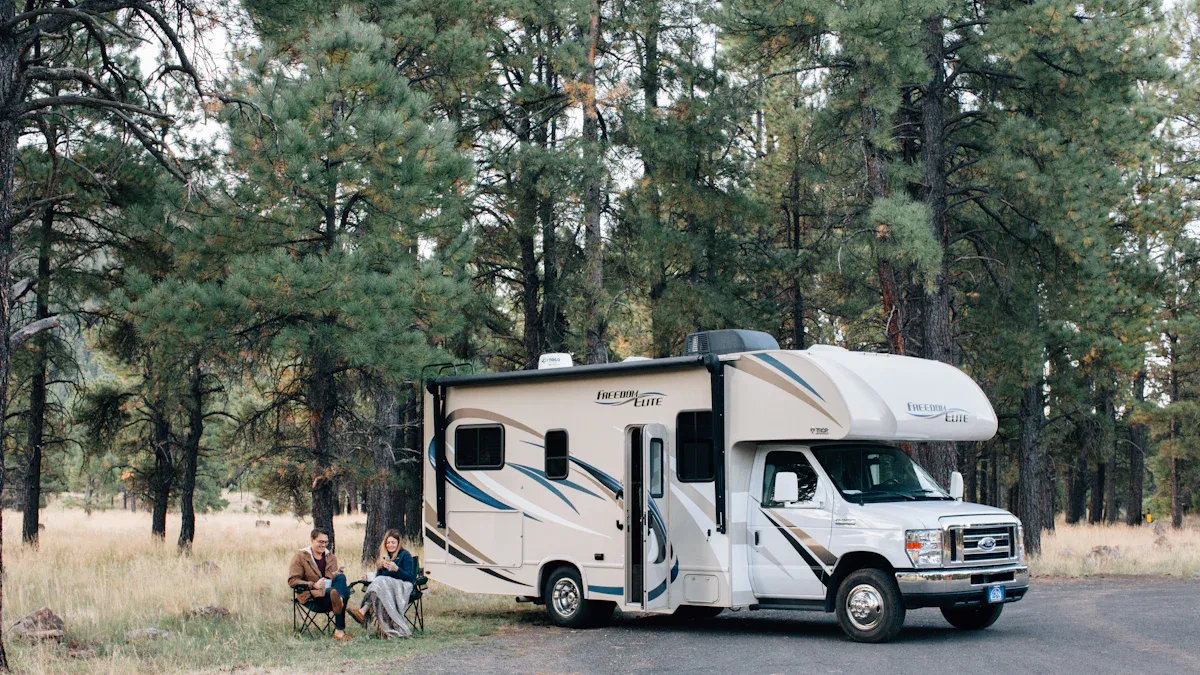
If you love to travel, an rv could be a good choice. You can go on trips whenever you want. Many people say living in an rv feels like home in nature. You can meet other rv owners and share stories. Renting your rv when you are not using it can help pay for costs.
Here is a table to show the main good and bad points:
Pros | Cons |
|---|---|
Cost-effective for frequent travelers | High initial costs, often tens of thousands to six figures |
Offers mobility and flexibility for spontaneous trips | Ongoing expenses like maintenance, fuel, and insurance |
Comforts of home while immersed in nature | Limited space can be challenging for families |
Access to RV lifestyle and community | Requires upkeep and mechanical knowledge |
Potential to generate income through rentals | RVs depreciate quickly, affecting resale value |
You save money if you travel a lot.
You can leave for a trip any time.
Living in an rv means you must fix things and do regular care.
Space is small, so big families may feel crowded.
RVs lose value fast, so you may not get much money back when you sell.
Tip: You can rent out your rv when you are not using it to help with costs.
Weighing Your Options
Picking between a trailer home on wheels and an rv depends on what you need. If you want a home that can move but feels stable, a trailer home on wheels is a good pick. If you want to travel a lot and meet new people, an rv is better. Think about your money, how often you want to move, and how much space you need for your family or pets. Both choices have good and bad sides. Your pick will change your life, so take your time and choose what works best for you.
You’ve seen how trailer homes on wheels offer more space and comfort for long stays. RVs give you freedom to travel often.
Think about your lifestyle, travel plans, and budget.
Pick what fits you best.
Tip: Trust yourself. You’ll make the right choice for your adventure!
FAQ
What is the main difference between a mobile home and an RV?
You use a mobile home for long-term living. An RV works best for travel. Mobile homes feel more like a real house. RVs focus on mobility and adventure.
Can you live in a mobile home year-round?
Yes, you can live in a mobile home all year. Many people choose mobile home living for comfort. Good insulation helps you stay warm or cool in every season.
How does a tiny house on wheels fit into the tiny house movement?
A tiny house on wheels lets you join the tiny house movement. You get freedom to move your home. Tiny home living means less stuff and more experiences.
Tip: If you want a flexible lifestyle, a mobile home or tiny house on wheels can help you start your journey.