


15 Sep What Can You Use An Expandable Container House For
Table of Contents
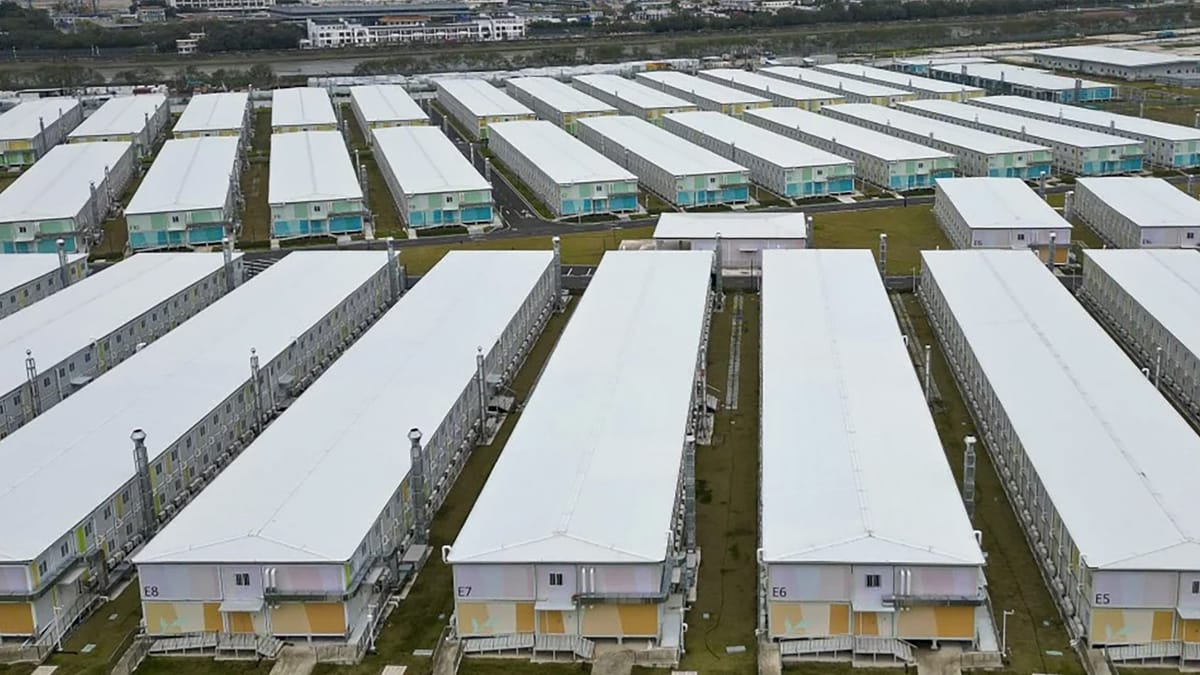
You can use an expandable container house for many things. Some of the most popular uses are:
Making a main home or a guest house for family or friends
Building a vacation cabin in the woods or near the beach
Opening a small office, shop, or café with less money than normal buildings
You get flexibility and fast setup, so you can change the space to fit your needs.
Key Takeaways
Expandable container houses are very flexible. You can change their size and shape easily. This helps if your needs change over time.
These homes do not cost a lot of money. They help you save on building costs. You can also change them to fit your budget.
They are fast to build. Most types are ready in just a few hours. This makes them great for short-term homes or emergencies.
Container houses are good for the environment. They use old shipping containers again. They can also have green features like solar panels.
You can use them in many ways. They work as homes, vacation cabins, offices, or clinics. Their many uses make them a smart pick.
Expandable Container House Uses
Living Spaces
You can turn an expandable container house into a cozy home for yourself or your family. These houses work well as main homes, guest houses, or even as extra rooms in your backyard. You get to decide how much space you need. If your family grows, you can add more sections. If you need less space, you can make it smaller. This kind of flexibility is hard to find in regular houses, which usually stay the same size. You can change your living space as your life changes, making it a smart choice for many families.
Tip: If you want a home that grows with you, an expandable container house gives you that option without the hassle of moving.
Vacation Cabins
Dreaming of a weekend getaway? An expandable container house makes a great vacation cabin. Many people in popular tourist spots choose these homes because they are easy to set up and move. You can place one near a lake, in the mountains, or by the beach. Here’s why so many people love them for vacations:
They are flexible and cost less than building a regular cabin.
You can arrange them in different ways to make unique spaces for guests.
You can install and combine them quickly, which is perfect for busy tourist areas.
Their popularity keeps growing because they are affordable, flexible, and good for the environment.
Here’s a quick look at how they compare to traditional cabins:
Advantage | Description |
|---|---|
Cost-effectiveness | You spend less money building and setting up compared to a regular cabin. |
Environmental benefits | These cabins reuse shipping containers and use recyclable materials, which helps the planet. |
You can set up your cabin in minutes, not months. | |
Flexibility | You can add more containers or change the layout whenever you want. |
Temporary Housing
Sometimes you need a place to stay for just a short time. An expandable container house is perfect for this. You might need temporary housing if you are working on a construction site, moving to a new city, or dealing with an emergency. These homes are made for quick setup and easy moving. You can take them apart, move them, and set them up again in a new spot. This makes them great for people who need to move often or need a safe place fast.
You can set up your home quickly and move it when you need to.
These houses work well for emergencies or short-term projects.
Even a 20ft expandable container house can give you a safe and comfortable place to live in just a short time.
Note: If you want a home that you can move and set up fast, this type of house is a smart pick.
Business Uses
 Offices
 Offices
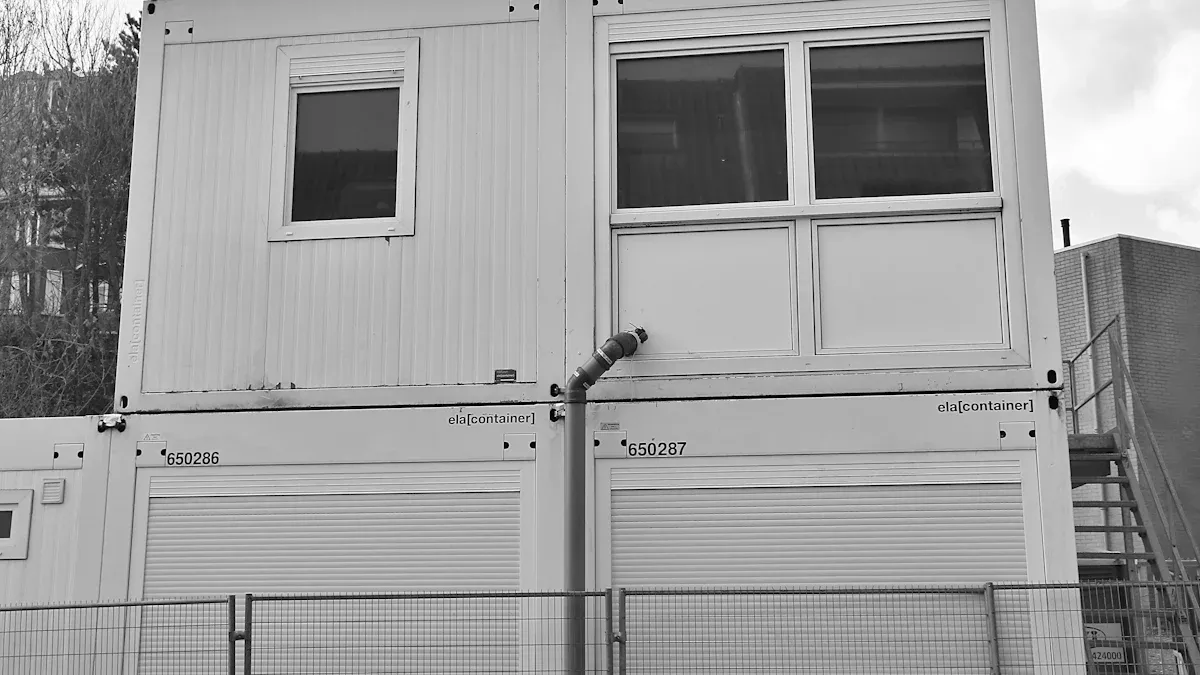
You can make an office with an expandable container house. Many small businesses like this because it saves money. You can set up your office quickly. If you need to move, you can take it with you. These offices are good for managers and remote teams. They give you a private place to work. You can use one container for a small group. You can join more containers for a bigger office. The design lets you change the space as you need. You get more privacy than in a shared office.
Tip: If your business gets bigger, you can add more containers for more space.
Here’s how different businesses use container houses:
Business Type | Description |
|---|---|
Offices | Easy to set up and move, great for growing companies. |
Commercial Streets | Used as shops or offices in busy city places. |
Worker Dormitories | Give workers a nice place to live and work. |
Retail Shops
You can open a shop with an expandable container house. Many city stores use these because they are easy to move. You can make a pop-up shop or a small store. The design helps you save space and stay neat. You can use smart shelves and digital screens for customers. The doors and walls are strong for safety. You can change the outside to match your brand or the season.
Design Feature | Description |
|---|---|
Space Efficiency | Shelves and counters save space and work well. |
Security Considerations | Strong doors and walls keep your shop safe. |
Interactive Technology | Digital screens let customers see products. |
Sustainable Materials | Use solar panels and recycled parts for the shop. |
Adaptable Exteriors | Change the outside look for sales or holidays. |
Note: You can move your shop if you find a better spot or want to join an event.
Cafés
You can run a café in an expandable container house. Big brands use these for pop-up cafés. You can set up your café in a busy city or at a festival. The kitchen can be ready in less than two minutes. You can serve many people at once. If you want to move, you can pack up and go. This helps you follow your customers or try new places.
Move your café to new places when needed.
Spend less money than a regular café.
Change the inside to fit your menu or style.
Tip: If you want to start a café but worry about cost, this is a smart way to begin.
Emergency Uses
Disaster Relief
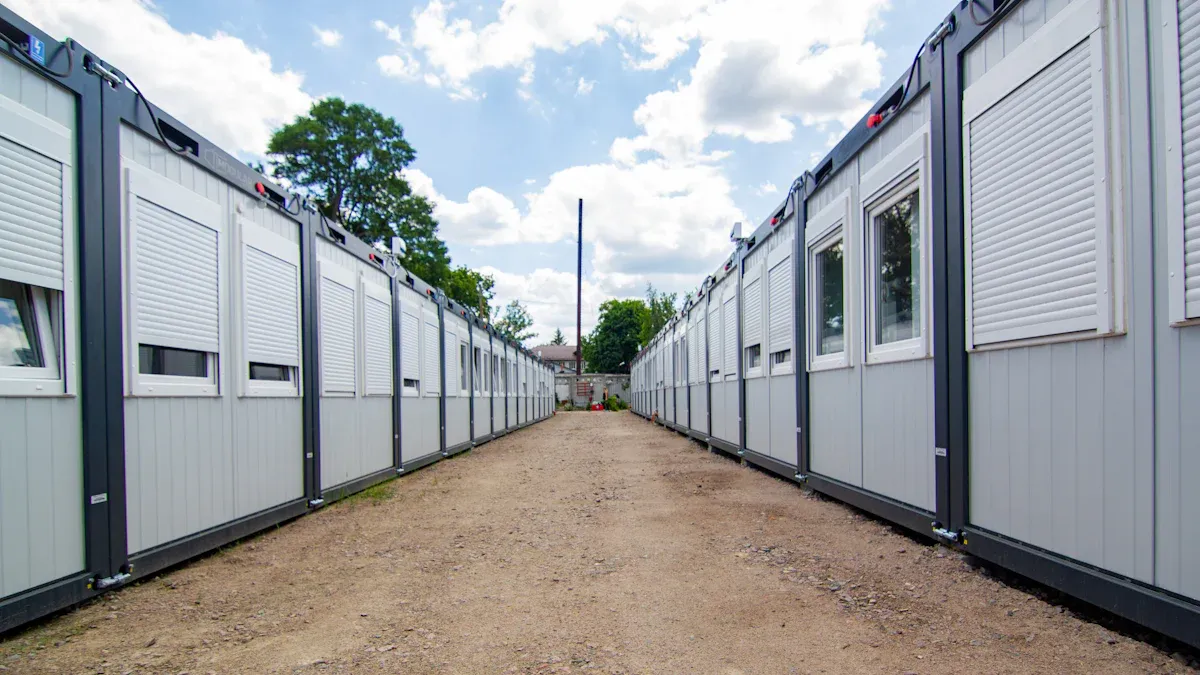
When a disaster happens, people need shelter right away. An expandable container house gives you a safe place fast. A small team can set up a 20-foot unit in just a few hours. Some newer models take less than 90 minutes to build. After the 2023 earthquake, these houses helped 5,000 families in two weeks. These homes are strong and protect you well. They can handle earthquakes as strong as 8.0. You can move a 40-foot unit and make space for 10 people in hours.
You get help quickly because setup is fast.
The strong build keeps you safe in storms or earthquakes.
Lower costs mean more people can have shelter.
If you need a quick and strong home after a disaster, this house is a great choice.
Clinics
You can use an expandable container house as a clinic almost anywhere. These clinics follow health and safety rules. Doctors and patients get a safe and comfy space. The clinic comes ready with climate control and strong steel walls. You can move it to where care is needed most. BLU-MED medical facilities use good materials and need little work to keep up.
Standard/Feature | Description |
|---|---|
Quality and Compliance | Follows healthcare rules and local safety codes. |
Self-contained and mobile | Easy to move and set up on-site. |
Climate-controlled | Keeps staff and medicine safe from heat or cold. |
Built for durability | Steel and marine plywood last through hard use and bad weather. |
You can set up a clinic fast in emergencies.
Doctors have a safe place to help people.
Patients get care when they need it most.
Classrooms
Kids need to keep learning, even after disasters. You can use an expandable container house as a classroom. These units travel fast and set up quickly, so students can return to school. The strong design keeps everyone safe in bad weather. You can move the classroom if families move. If you need more space, you can add more containers.
Feature | Description |
|---|---|
Rapid Deployment | Set up classrooms fast so kids don’t miss school. |
Durability | Strong walls keep students and supplies safe. |
Flexibility and Mobility | Move classrooms to new places when needed. |
Scalability | Add more containers for bigger classes or special needs. |
Students keep learning, even in hard times.
Teachers get a safe and flexible place to teach.
Communities recover faster when school continues.
Benefits
Affordability
 Affordability
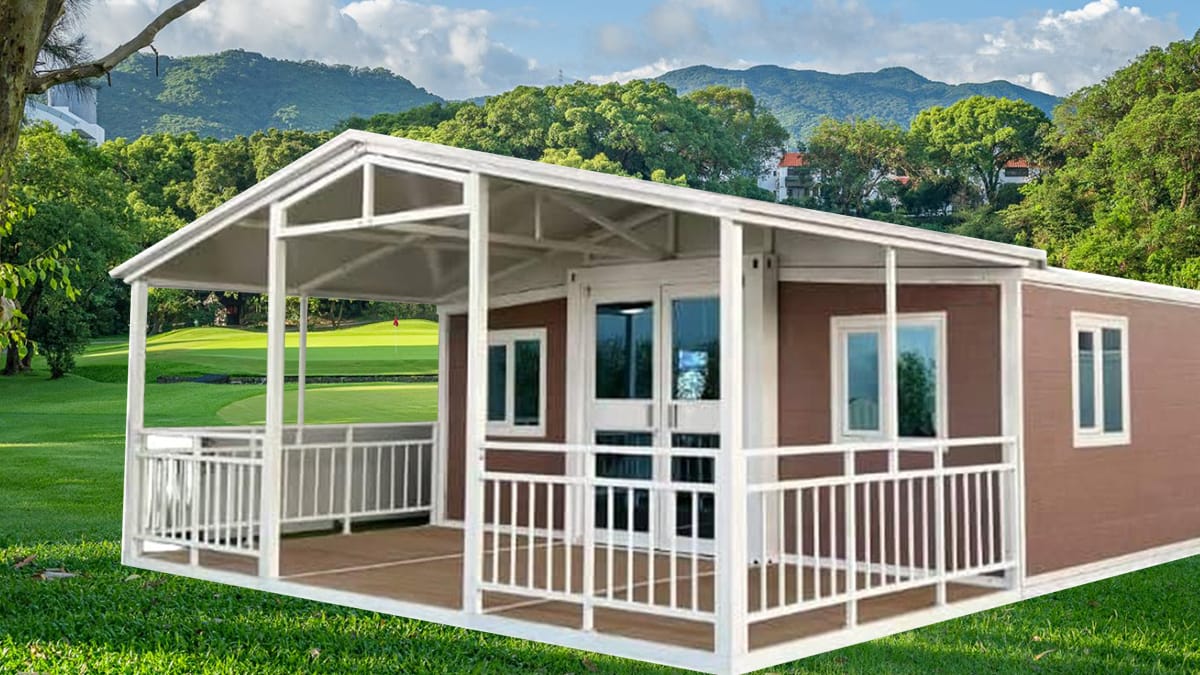
You can save a lot of money with this house. The price for each square foot is much less than a normal house. Here is a simple chart to show the difference:
Type of Home | Average Cost per Square Foot |
|---|---|
Expandable Container Houses | |
Conventional Homes | Exceeds $400 |
You pay less for building materials and workers. Many builders use old shipping containers, so it costs even less. You also skip many extra fees that come with building a regular house. If you want a home or business that fits your budget, this is a smart choice.
Tip: When you spend less, you can buy special features or save your money for other things.
Flexibility
You get to choose how your space works for you. The design lets you make your home bigger or smaller as you need. You can turn a small space into a studio, a work area, or a shop. If you want more space, just add another unit. If you want to change things, moving furniture is easy.
Change your space into an office, guest room, or café.
Add a kitchen, bathroom, or storage when you need it.
Move your house to a new place if you want.
Feature | Description |
|---|---|
Units can grow to give you more space when you need it. | |
Modular Layouts | Change the setup to fit your life or business. |
Multi-Purpose Use | Use your space for living, working, or storage. |
You stay in charge and can change your space for any time in your life.
Sustainability
You help the earth when you pick this kind of house. Builders use old shipping containers, so there is less waste. Many homes have solar panels and systems to collect rainwater. These things help you save money on energy and water.
Insulated walls keep your house warm or cool.
Solar panels give you clean power.
Rainwater systems help you use less water.
Note: Picking this house means you help make the world greener for everyone.
Considerations
Permits
Before you set up an expandable container house, you need to check the rules in your area. Every city or town has its own requirements. Some places want you to get special permits before you can build or move in. Here’s a quick look at the most common permits you might need:
Permit Type | Description |
|---|---|
Zoning Approval | Makes sure your house fits local rules for where people can live or work. |
Building Permit | Needs signed plans and must follow safety codes for strong and safe construction. |
Certificate of Occupancy | Shows your house passed inspection and is safe for people to live in. |
You should also ask yourself a few questions:
Will your container house be temporary or permanent?
Does your neighborhood have a homeowner’s association (HOA)?
Will you use the house for living, storage, or as a rental?
What size container do you plan to use—10′, 20′, or 40′?
Tip: Always talk to your local building office before you buy or build. This step saves you time and trouble later.
Climate
The weather in your area can change how comfortable your container house feels. Good insulation keeps you warm in winter and cool in summer. Many container homes use high-density polyurethane panels and double-glazed windows. These features help keep heat inside and block out the cold. The walls and roof are windproof, waterproof, and can handle heavy snow. You can add electric or solar heating for extra warmth.
Polyurethane panels stop heat from escaping.
Double-glazed windows keep your house quiet and cozy.
Strong design protects you from storms and harsh weather.
If you live somewhere with extreme temperatures, make sure your house has the right insulation and weatherproofing.
Customization
You can make your container house fit your style and needs. You get to choose the layout, finishes, and fixtures. Want a bigger kitchen or more storage? You can add those. Prefer a special color or floor? That’s possible too.
Change the inside layout to match your life.
Pick finishes and fixtures you like.
Add windows, doors, or extra storage.
Note: Customizing your house makes it feel like home. Think about what features matter most to you before you start building.
Expandable container houses can be used in many ways. You can make them into homes, offices, shops, or classrooms. You can change the space when your needs change. You save money and help the earth at the same time. You also get a place that matches your style.
40ft expandable container houses are modular structures. You can make them bigger or smaller for more space. They cost less, are strong, and can be used for many things. People use them for homes and for businesses.
If you want to know more, look at these resources:
Tiny and modular homes for sale with many layouts
FAQs about waterproofing, insulation, and solar panels
Tips for hooking up electricity and plumbing
Ideas for off-grid living and green design
FAQ
How long does it take to set up an expandable container house?
You can set up most expandable container houses in just a few hours. Some models take less than 90 minutes. You don’t need special tools or a big team.
Can you customize the inside of your container house?
Yes, you can pick your layout, colors, and finishes. You can add extra rooms, windows, or storage. Your house can match your style and needs.
Is an expandable container house safe in bad weather?
Expandable container houses have strong steel walls and waterproof roofs. You stay safe in storms, heavy rain, or snow. Many models can handle earthquakes and strong winds.
What utilities can you add to your container house?
You can hook up electricity, water, and internet. Many people add solar panels or rainwater systems. You get all the basics for comfortable living.