

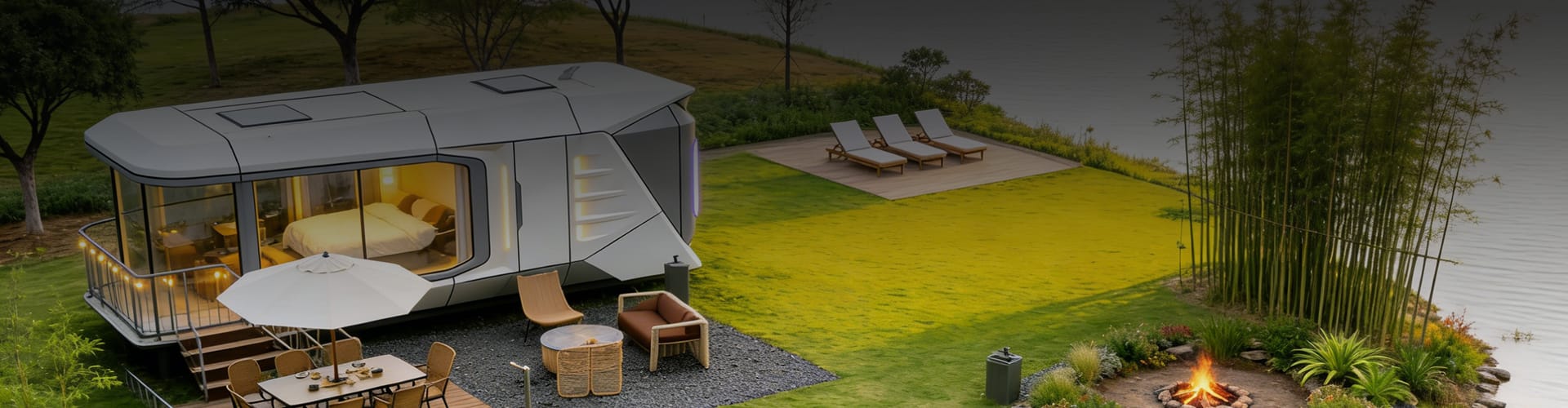
04 Aug Apple Cabin vs Other Prefab Tiny Homes Which Is the Best Choice in 2025
Table of Contents
You want the best prefab tiny home for 2025. For most people, apple cabin is the top pick. The main reason is that it costs less. Most buyers in 2024 chose homes like apple cabin. They save money and give good value. High prices and tough times make cheaper homes more popular. Apple cabin gives you good value with a modern look. It is also eco-friendly and easy to set up. You can use it in cities or in the country. When you look at price, design, and setup, apple cabin is often the best.
Key Takeaways
Apple Cabin gives you a modern and green tiny home. It uses strong steel and smart design. It costs less than many other prefab homes. Its layouts are flexible and modular. You can change the home to fit your style and needs. You can set it up fast, in just a few days. The home saves energy and lasts 20 to 50 years. This helps you save money on repairs and energy bills. Apple Cabin works well in cities and in the country. It is good for first-time buyers, people who care about the planet, and investors. Always check local permits and zoning rules before you buy. This helps you set up your home easily and avoid fines.
Quick Comparison
To help you pick between apple cabin and other tiny homes, here is a simple side-by-side look. This table shows how apple cabin compares to other prefab choices, like container homes.
Feature | Apple Cabin | Traditional Tiny Homes / Container Homes |
|---|---|---|
Cost | $12,000 – $25,000 | $5,000 – $60,000 (wide range) |
Design | Modern, modular, customizable | Often minimalist, less flexible, container homes are boxy |
Sustainability | Eco-friendly, green materials | Varies, container homes often recycled, some use new materials |
Customization | High, modular layouts, smart tech | Limited in many models, container homes can be stacked but less flexible inside |
Value | Good resale, low maintenance | Varies, container homes hold value, DIY may not |
Setup | DIY: months, prefab/container homes: days to weeks |
Cost
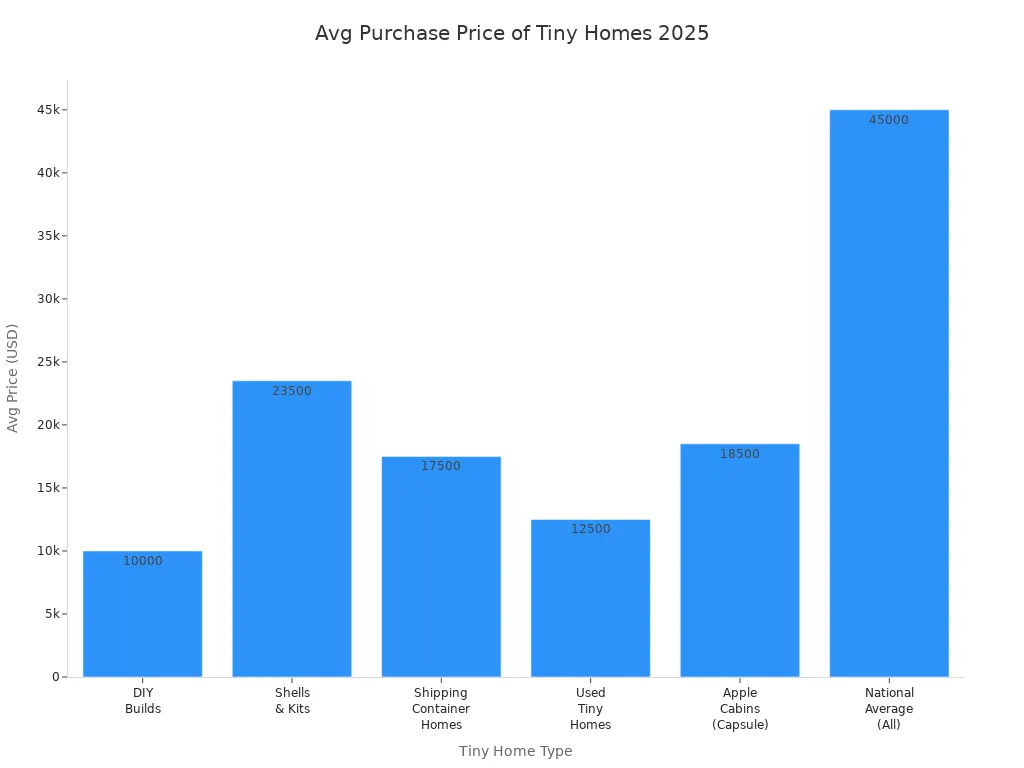
You want to know what a tiny home really costs. Apple cabin costs from $12,000 to $25,000 in 2025. This price covers a finished inside and fast setup. Most traditional tiny homes have a bigger price range. DIY and used homes can be as cheap as $5,000, but you must build or accept old features. Shells and kits cost $7,000 to $40,000. Container homes usually cost $10,000 to $25,000, based on size and finish. The average price for a full prefab tiny home is $30,000 to $60,000. Apple cabin is a cheaper choice with modern features and factory quality.
Design
Apple cabin has a modern, modular, and flexible design. You can pick from different sizes, layouts, and finishes. Big glass windows and curtain walls make it bright and open. The inside fits bedrooms, bathrooms, living rooms, and workspaces. You get a stylish, simple look with ways to add your own style. Traditional tiny homes are often simple. Many container homes look boxy and have fewer layout choices. Most traditional tiny homes focus on basic needs and may not be as flexible. People like apple cabin for its cool look and room to grow.
Sustainability
If you care about the planet, apple cabin uses green materials and eco-friendly building. The steel frame, aluminum panels, and bamboo fiberboard help the environment. You get a home that is strong and good for nature. Traditional tiny homes are different in how green they are. Some use recycled stuff, like container homes, but others use new wood or less green products. Apple cabin’s focus on being eco-friendly makes it a smart pick for people who care about the earth.
Customization
You can make apple cabin your own in many ways. Pick the outside color, finish, and window size. Upgrade insulation for tough weather or add stronger frames. Inside, choose your layout, floors, cabinets, and counters. Add smart home things like climate control and security. You can even turn apple cabin into a coffee shop or office with custom signs and shelves. Traditional tiny homes and container homes let you change some things, but most have fewer choices. Container homes can be stacked or joined, but the inside is not as flexible. Apple cabin gives you more ways to make your space fit you.
Value
Apple cabin gives you good value for your money. The price is lower than most full prefab tiny homes, but you still get a finished, modern space. Yearly upkeep is low—about $1,200 for apple cabin, compared to $8,500 for a regular villa. Container homes also give good value, especially if you want something strong. Traditional tiny homes can lose value if they are DIY or not built well. Apple cabin keeps its value because it is high quality, strong, and modern. You can use it as a family home, rental, or office, which adds to its worth.
Setup
You want a home that is easy to set up. Apple cabin comes ready or as a kit. Most setups finish in a few days. Delivery for in-stock models takes 2–4 weeks. You only need a simple base and basic utility hookups. This setup is faster than building a traditional tiny home, which can take months. Container homes and other prefab models like Boxabl also set up fast, usually in 1–2 days. RVs are instant, but they are not as comfy. The main problems for all tiny homes are getting permits, following zoning rules, and hooking up utilities. Apple cabin makes things easier, but you still need to check local laws.
Tip: Always check your local zoning and permit rules before you buy any tiny home, including container homes or apple cabin. This step saves you time and money.
Apple Cabin Features
Steel Structure
You get a strong and lasting home with apple cabin. The frame uses hot-dip galvanized steel, which stands up to weather and time. This steel structure means your home will not rust or bend easily. You spend less on repairs and maintenance. Many owners say the steel frame helps the cabin last 20 to 50 years. You can trust apple cabin to keep its shape and strength, even in tough conditions. This gives you more value over time.
Energy Efficiency
Apple cabin keeps you comfortable in every season. The walls use PU thermal insulation and double-layer insulated glass. These features help keep heat in during winter and out during summer. You save money on energy bills. The cabin also supports solar panels and rainwater systems. These options help you with sustainable living and lower your impact on the planet. When you choose apple cabin, you take a big step toward going green.
Modern Design
Apple cabin stands out with its modern look and smart use of space.
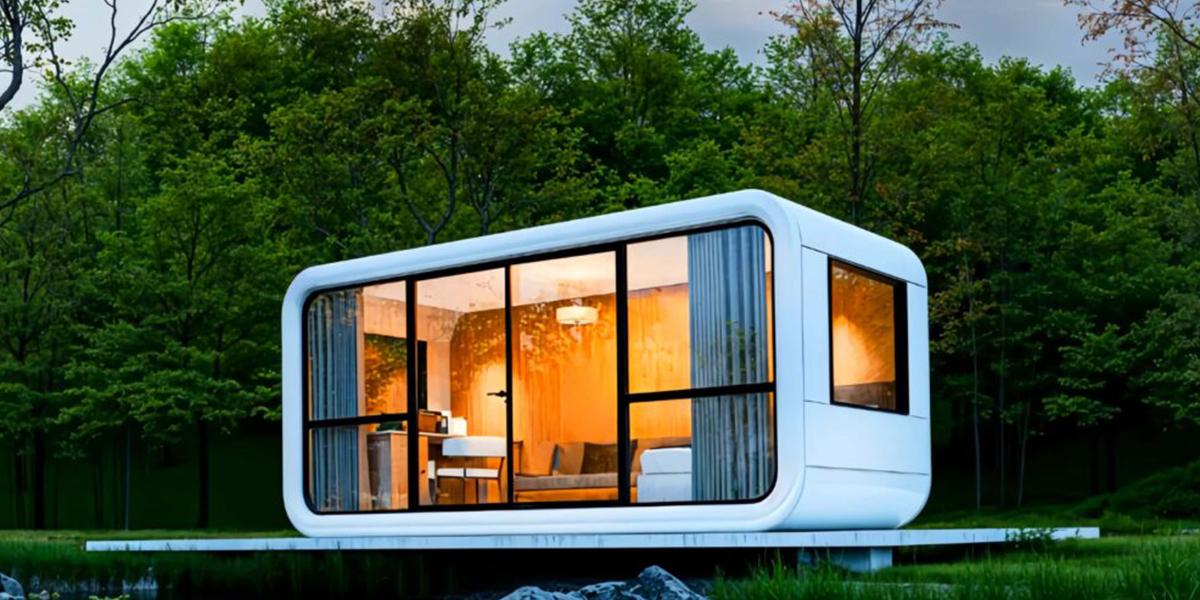
The cabin has a sleek, rounded shape inspired by the iPhone.
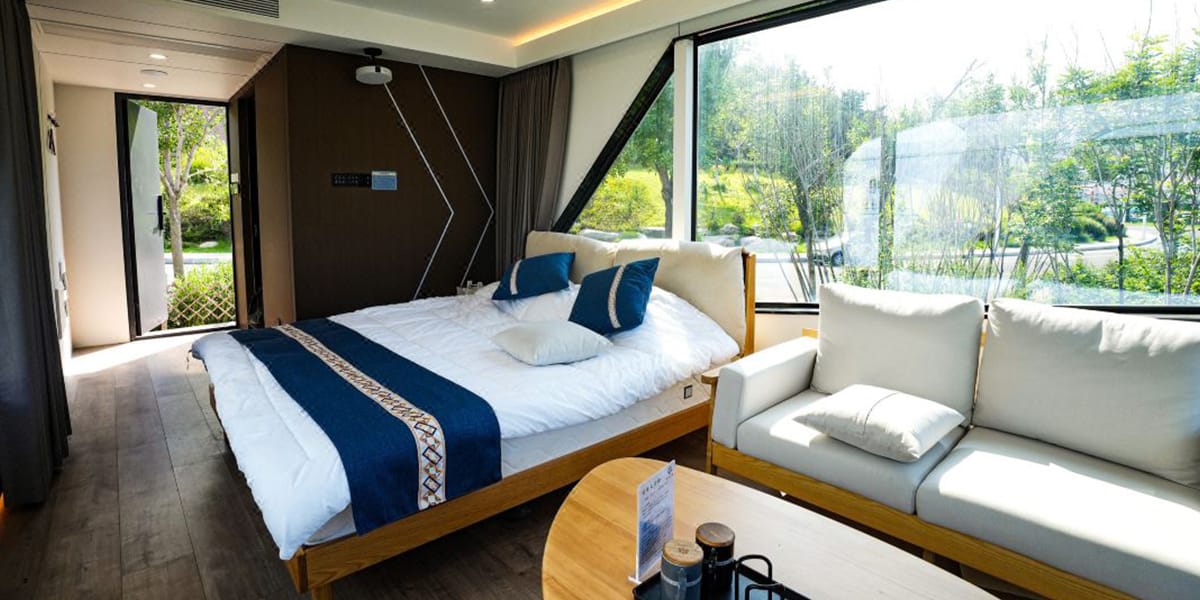
Large windows and open layouts fill your space with natural light.
You get built-in storage, fold-out counters, and space-saving bathrooms.
Smart home features like voice-activated lights and security make life easier.
You can pick your own finishes and layouts to match your style.
This design gives you comfort, style, and function. You enjoy a home that feels bigger and brighter. Apple cabin holds its value because it blends beauty with smart features.
Urban Living
Apple cabin fits city life perfectly. Its compact size and modular design let you place it in small backyards or tight spaces. You can use it as a home, office, or studio. The strong steel frame and insulated walls keep you comfortable all year. Many people find apple cabin easy to move if you need to change locations. Compared to other prefab homes, apple cabin offers better insulation, more comfort, and higher value in urban settings. You get a space that supports work, rest, and sustainable living in the city.
Note: Apple cabin gives you a modern, eco-friendly home that keeps its value and works well in urban areas.
20ft Apple Cabin
Space & Layout
When you step into the 20ft apple cabin, you notice how much space you get for a tiny home. The 20ft apple cabin model, called StarshipX50, gives you about 301 square feet of living area. This space feels open because of the modular design. You see a kitchen, a bathroom, and a sleeping area all in one compact unit. The 20ft apple cabin measures 8.5 meters long, 3.3 meters wide, and 3 meters high. You can fit two to four people inside comfortably.
Many other tiny homes in the same size range do not use space as well. Some models feel cramped or lack a real kitchen or bathroom. The 20ft apple cabin stands out because it fits all the basics into a smart layout. You get room to cook, sleep, and relax. The large windows bring in natural light, making the space feel even bigger. If you want a tiny home that does not feel tight, the 20ft apple cabin gives you that comfort.
Tip: Look for a tiny home with a modular layout if you want to make the most of every square foot.
Durability
You want your home to last. The 20ft apple cabin uses strong materials that help it stand up to daily use and weather. The steel frame resists rust and bending. The walls and roof keep out rain and wind. You spend less time worrying about repairs.
The 20ft apple cabin has a designed lifespan of 20 years. This is much longer than some other 20ft prefab tiny homes. For example, one popular competitor only offers a 2-year warranty and does not list a full lifespan. When you choose the 20ft apple cabin, you get peace of mind. You know your home will last for many years.
Maintenance is simple. You clean the surfaces and check the seals once in a while. The materials do not need much care. If you want a tiny home that stays strong and looks good, the 20ft apple cabin is a smart choice.
Tiny House Options
 Variety
 Variety
There are lots of tiny house choices in 2025. You can pick from traditional tiny homes, container homes, or foldable homes. Each type fits different needs and budgets. Tiny homes come in different sizes:
Category | Details |
|---|---|
Size Segments | Below 20㎡, 20-30㎡, Above 30㎡ |
Application | Tourism, vacation, commercial, public facilities, and more |
Apple Cabin Size | About 19×20 feet (fits below 20㎡ or 20-30㎡ category) |
Market Drivers | Urbanization, housing shortages, sustainability, new prefab technology |
Container homes are strong and can be stacked or joined. Foldable homes are easy to move and set up fast. Traditional tiny homes use wood and look classic. You can buy a prefab tiny house like Apple Cabin at Walmart for about $20,000. This home has a bedroom, living room, bathroom, dining room, and kitchen in a small space. Delivery uses a flatbed truck and forklift, which shows how these homes are modular.
Strengths
Container homes and traditional tiny homes have their own good points. Container homes are tough and you can stack them to make more space. They are easy to move, so you can use them far from cities. Traditional tiny homes feel cozy and use natural materials. Many people like how warm and charming they are.
Apple Cabin has its own good features. It has a modern look and you can pick from many colors and styles. You can change the layout, power, water, and even the shape. Water and electric lines come ready, so setup is quick and tidy. You can choose different designs for each room. This lets you make a home that fits what you want.
Limitations
All tiny house types have some downsides. Container homes can feel like a box inside and may need more insulation. You might have trouble with permits or zoning, especially in cities. Traditional tiny homes can cost more if you want fancy finishes. Some models do not use space well, so they feel small.
Foldable homes are best for short stays or as shelters. They may not last as long as other homes. Prefab tiny houses like Apple Cabin are a good deal, but you still need to check local rules before setup. Some country areas like container homes for off-grid living. Cities may like modern prefab homes more. You should think about where you live, your budget, and how you will use your tiny house before you choose.
Cost & Value
Upfront Price
You want to know the initial cost comparison between Apple Cabin and other prefab tiny homes. Apple Cabin usually costs between $12,000 and $25,000. You can find some models at Walmart for about $20,000. This price includes a finished interior and premium features like large windows and smart home options. Container homes have a wide price range. Some start as low as $5,000, but many finished models cost $10,000 to $25,000. High-end container homes can reach $60,000. You pay more for custom designs or extra features. Apple Cabin gives you a modern look and strong build for a fair price.
Long-Term Costs
You should think about more than just the price tag. The true cost of owning a tiny home includes maintenance, repairs, and energy bills. Apple Cabin uses steel frames and insulated walls. You spend less on repairs and heating or cooling. Yearly upkeep for Apple Cabin is about $1,200. Container homes may need extra insulation or rust treatment, which can raise costs. Traditional tiny homes with wood frames may need more repairs over time. Apple Cabin helps you save money year after year. You get long-term value from lower bills and less work.
Resale
You want your home to keep its value. Apple Cabin holds its value well because of its modern design and strong materials. Many buyers look for homes that last and need little care. Container homes can also keep their value, but only if they have good insulation and no rust. DIY tiny homes may lose value if they do not meet building codes. Apple Cabin’s quality and style make it easy to sell later. You get long-term value and peace of mind. If you plan to rent or sell your home in the future, Apple Cabin gives you a smart investment.
Tip: Always check the resale market in your area before you buy. Some places have higher demand for modern prefab homes like Apple Cabin.
Customization
Personalization
You want your tiny home to feel special. Apple Cabin lets you make it your own in many ways. You can pick different layouts, finishes, and features. Many people like these options:
Custom kitchen cabinets and layouts
Water and electric systems already set up
Bright kitchens with lots of storage
Smart home things like voice lights and dimmers
You can also choose your favorite style. Some people want big windows and smooth surfaces for a modern look. Others like cozy bedrooms or a fireplace. Apple Cabin has models with different features. For example:
Model | |
|---|---|
Big windows, cozy bedroom, full kitchen | |
Deluxe 20ft | Fireplace, fancy bed, nice furniture, large deck |
Tiny 20ft | Cozy bed, small kitchen, comfy living area |
Most traditional tiny homes and container homes let you pick some things. You might choose the floor or wall color. But they do not give as many choices as Apple Cabin. You may have to do extra work to get what you want.
Flexibility
Apple Cabin is great because you can change the design. You can make the kitchen bigger or the living room larger. You can move walls, change storage, or join two cabins for more space.
Other prefab tiny homes let you change some things. Container homes can be stacked or joined, but the inside is still boxy. Traditional tiny homes let you move furniture, but the shape stays the same. Foldable homes have set layouts and fewer choices.
With Apple Cabin, your home can change as you need. You can add smart tech, update the inside, or change the look later. This makes Apple Cabin a good pick if you want a home that fits your life now and later.
Tip: Think about how your needs might change. Pick a tiny home that lets you change your space easily.
Practical Factors
Permits
You need to understand the rules before you buy a tiny home. Most cities have strict permit requirements for Apple Cabin and container homes. Here are some common rules you will find in major U.S. cities:
You must register tiny homes on wheels as RVs with the DMV. This rule applies to container homes on wheels too.
Setback requirements keep your home a safe distance from property lines.
You need permits to park tiny homes or container homes on public land or to build them on a foundation.
Building on a foundation means your plans must meet local building codes.
Transitional structures, like sheds or unfinished container homes, cannot be used as permanent homes without permits and inspections.
Permits and inspections help make sure your home is safe.
Living in a tiny home or container home without the right permits can lead to fines.
Local rules change from city to city. Always check with your city or county before you buy or move your home.
You can place tiny homes and container homes in backyards, RV parks, or special communities, but you must follow local rules.
Property taxes depend on where you put your home and if you own the land.
For Apple Cabin and container homes, you must also follow the 2022 California Building Code in many places. Your home needs a ceiling at least 7 feet 6 inches high and a main room with at least 120 square feet. If you use your tiny home as an ADU, you need extra permits. Some counties only allow container homes in RV parks.
Tip: Always ask your local building department about rules for container homes and prefab tiny homes before you buy.
Delivery
You want your new home fast. Apple Cabin can arrive at your site in as little as 15 days after you order. This quick delivery helps you move in sooner. Many container homes also offer fast delivery, but times can change based on the builder and your location. Some container homes may take longer if you order custom features or live far from the factory. Always ask about delivery times before you buy. Fast delivery is one reason people choose prefab homes like Apple Cabin and container homes.
Financing
Paying for your tiny home is a big step. You have several options for Apple Cabin and container homes:
Some banks and credit unions offer loans for prefab homes and container homes.
You can use a personal loan or a home equity loan if you own land.
Some builders of container homes offer payment plans or partner with lenders.
RV loans may work for container homes on wheels.
You may need a higher down payment for container homes if they do not count as real estate.
Financing rules change by state and lender. Always check if your lender supports loans for container homes or prefab homes. Some lenders want to see permits and proof that your home meets local codes. Good financing helps you get your Apple Cabin or container home faster and with less stress.
Note: Container homes and prefab tiny homes may not qualify for traditional mortgages. Ask your lender about special programs for these homes.
Who Should Choose
First-Time Buyers
 First-Time Buyers
If you are buying your first tiny home, Apple Cabin is easy to pick. You get a finished home with a clear price and quick setup. You do not have to build it yourself or hire lots of workers. The modular design helps you skip mistakes that happen with DIY homes. You can move in fast and enjoy a modern place. Many first-time buyers like that it is easy to take care of and comes quickly. You save time and do not have to worry.
Tip: Pick Apple Cabin if you want an easy start with no stress.
Eco-Conscious
If you care about the earth, Apple Cabin is a good choice. It uses steel, bamboo fiberboard, and insulation that is good for the planet. These materials help you make less pollution. You can add solar panels and rainwater systems too. The design saves energy and helps you pay less for bills. Some container homes use recycled parts, but Apple Cabin is green from start to finish.
Apple Cabin: Green materials, saves energy, ready for solar
Container Homes: Often recycled, but may need upgrades
If you want a home that matches your green values, Apple Cabin is a top pick.
Customization Seekers
If you want a home that fits your style, Apple Cabin is great. You can choose layouts, finishes, and smart features. You can even make it bigger or join two cabins together. Most container homes and regular tiny homes do not let you change as much. Apple Cabin lets you make a space that feels just right for you.
Note: If you like to design and want choices, Apple Cabin gives you more ways to make it your own.
Investors
If you want a tiny home that keeps its value and is easy to rent or sell, Apple Cabin is a smart pick. It looks modern and is built strong. These things help it stay valuable for a long time. It is easy to take care of and quick to set up, so it works well as a rental or guest house. Container homes can be good for investment too, but Apple Cabin’s look and strength attract more people.
Buyer Type | Best Choice | Why |
|---|---|---|
First-Time Buyer | Apple Cabin | Easy, fast, no building needed |
Eco-Conscious | Apple Cabin | Green materials, energy efficient |
Customization | Apple Cabin | Many layout and design options |
Investor | Apple Cabin | Good value, easy to rent or resell |
Apple Cabin stands out as the best prefab tiny home for 2025. You get strong value, modern design, and easy setup. Here’s why you should consider it:
Lower cost with high quality
Flexible layouts and smart features
Eco-friendly materials
Think about your own needs and budget. If you want a home that is easy, stylish, and built to last, Apple Cabin is a smart choice.
FAQ
How long does it take to set up an Apple Cabin?
You can set up an Apple Cabin in just a few days. Most models arrive ready to use. You only need to connect utilities and place the cabin on a simple base.
Can you live in an Apple Cabin year-round?
Yes, you can live in an Apple Cabin all year. The strong insulation and steel frame keep you comfortable in hot or cold weather. You stay warm in winter and cool in summer.
Do you need a permit for a prefab tiny home?
You usually need a permit for any prefab tiny home, including Apple Cabin. Always check your local building codes and zoning rules before you buy. This step helps you avoid fines and delays.
Can you customize the layout of an Apple Cabin?
You can choose from many layouts and finishes. You pick the kitchen style, bathroom features, and even smart home options. Apple Cabin lets you design a space that fits your needs.
Is Apple Cabin a good investment?
Apple Cabin holds its value well. The modern design and strong materials make it easy to resell or rent. Many buyers look for homes that last and need little care.