

15 Aug How Capsule Houses Different from Traditional Tiny Housing
Table of Contents
The main ways capsule houses and traditional tiny homes are different are in design, space, cost, how easy they are to move, how green they are, comfort, and how they fit your life every day.
Capsule houses have layouts that save space and use smart technology. Traditional tiny homes and regular homes focus more on being cozy and using natural things.
Here is a quick way to see how these different homes match up:
Aspect | Capsule Houses | Traditional Tiny Homes | Traditional Homes |
|---|---|---|---|
Design | Modern, modular, very small | Cozy, rustic, a bit bigger | Standard, much bigger |
Space | Very efficient, not much room | Used for many things, more space | Lots of space, not used |
Cost | Costs more to start and keep | Costs the most | |
Mobility | Simple to move | Hard to move, stays in one spot | Cannot be moved |
Sustainability | Uses natural things, bigger impact | Changes, often uses more | |
Comfort | Simple, works well | Warm, relaxed, feels personal | Usual comfort |
Lifestyle Fit | Good for people who move a lot and like less stuff | Cozy, personal, keeps more things | Needs lots of things |
Key Takeaways
Capsule houses use tough materials and clever designs to save space. They last longer and use less energy. They cost less to buy and take care of than regular tiny homes. They are also quicker to build and move. Capsule homes have flexible layouts with new technology. This makes small spaces feel open and cozy. These homes are good for the environment. They use recycled materials and save energy to help the Earth. Capsule houses are good for people who move a lot. They are also good for people who want a simple, modern life with fewer things.
Design and Build
Capsule Houses Features
Capsule houses are special because they use strong materials and smart design. They have anti-seismic galvanized steel frames and aviation-grade aluminum plates. This makes them much stronger than most tiny houses. Capsule houses are wider, about 10.5 feet wide and tall. The standing height is almost 8 feet, so it feels open inside.
Capsule houses are made to save space. They have thick insulation, tight construction, and special windows. These windows block noise and keep heat inside. Capsule houses use about 65% less energy than regular homes. Some have smart home tech, hidden air conditioning, and balconies. You can set up a capsule house in just one day.
Here is a table that shows the main differences in building features:
Feature | Capsule Houses (HIDULAR) | Traditional Tiny Homes |
|---|---|---|
Structural System | Anti-seismic galvanized steel, aviation-grade aluminum plates | Wood or less advanced steel framing |
Dimensions | 10.5 ft wide, 10.5 ft high, 7’10.5″ standing height | 8 ft wide, 8.5-9.5 ft high |
Durability | Withstands hurricanes (up to 156 mph), earthquakes (magnitude 9), lifespan ~50 years | Less resilient, lifespan 20-30 years |
Insulation & Energy Efficiency | Multi-layer insulation, airtight, 65% more efficient | Lower insulation, less efficient |
Sound Insulation | Reduces noise by at least 55dB | Lower sound insulation |
Windows | Double tempered low-E glass, thermal and noise insulation | Standard windows |
Modern Amenities | Smart tech, hidden AC, balconies (T-Series) | Basic amenities, visible AC, no balconies |
Lighting | Comprehensive interior/exterior lighting | Standard lighting |
Installation | Prefab, installed in one day | Longer setup |
Climate Adaptation | Enhanced insulation, triple glass, floor heating for cold climates | Limited cold climate adaptation |
Capsule houses last over 50 years. They are strong against bad weather and fire. The insulation keeps the house warm or cool. The airtight build helps the air inside stay clean and fresh.
Tiny Houses Structure
Tiny houses use simple building methods. Builders use wood frames with 2×4 lumber. The floors use special wood if the house sits on piers. Roofs are usually gable-shaped, which makes lofts and building easier. Roof trusses help support the roof.
Tiny houses have a few common layouts:
One-story plans are easy to use and save energy.
Two-bedroom plans work for small families or guests.
Lofted layouts put beds above the main room.
Most tiny houses have open floor plans. The kitchen, dining, and living areas are together. This saves space. High ceilings and special windows bring in more light. Patios or decks add more space outside. Tiny houses mix indoor and outdoor spaces for more room.
Traditional tiny homes are simple. They might be one-room cottages or studios. There are small spaces for different uses. Sleeping lofts are common, and gable roofs help make them. Open layouts and outdoor areas use every bit of space.
Prefab vs. Traditional Homes
Capsule houses are built in factories. Most of the work is done before the house arrives. This saves time and needs fewer workers. A capsule house can be ready in about a month. This is much faster than building a tiny house on-site. The factory does most of the hard work.
Here is a table comparing prefab capsule houses and traditional tiny homes:
Aspect | Prefab Capsule Houses | Traditional Tiny Homes |
|---|---|---|
Construction Method | Built in factories, modular techniques | Built on-site with traditional materials |
Construction Time | About one month, 40% faster | Several months, slower due to on-site work |
Labor Requirements | Fewer workers needed | More workers needed |
Materials | All included in prefab kit | Sourced and assembled on-site |
Quality Control | Intensive factory checks | Depends on on-site workmanship |
On-site Work | Foundation and utility hookup | Building walls, plumbing, infrastructure on-site |
Cost Implications | Lower initial and maintenance costs | Higher initial and ongoing maintenance costs |
Capsule houses use top-quality materials like aviation-grade aluminum and steel. These materials stand up to storms, earthquakes, and fire. The insulation is much better than normal. The airtight design keeps the house quiet and saves energy. If you check your house often, it is easy to take care of.
Traditional homes and tiny houses use wood and regular metals. These do not last as long and need more repairs. Bad weather can cause more damage. The insulation is not as good, so heating and cooling cost more.
If you want a home that is fast to build, strong, and saves energy, capsule houses are a great choice. They last longer, need less fixing, and are better quality than regular homes or tiny houses.
Space and Comfort
 Living Area Comparison
 Living Area Comparison
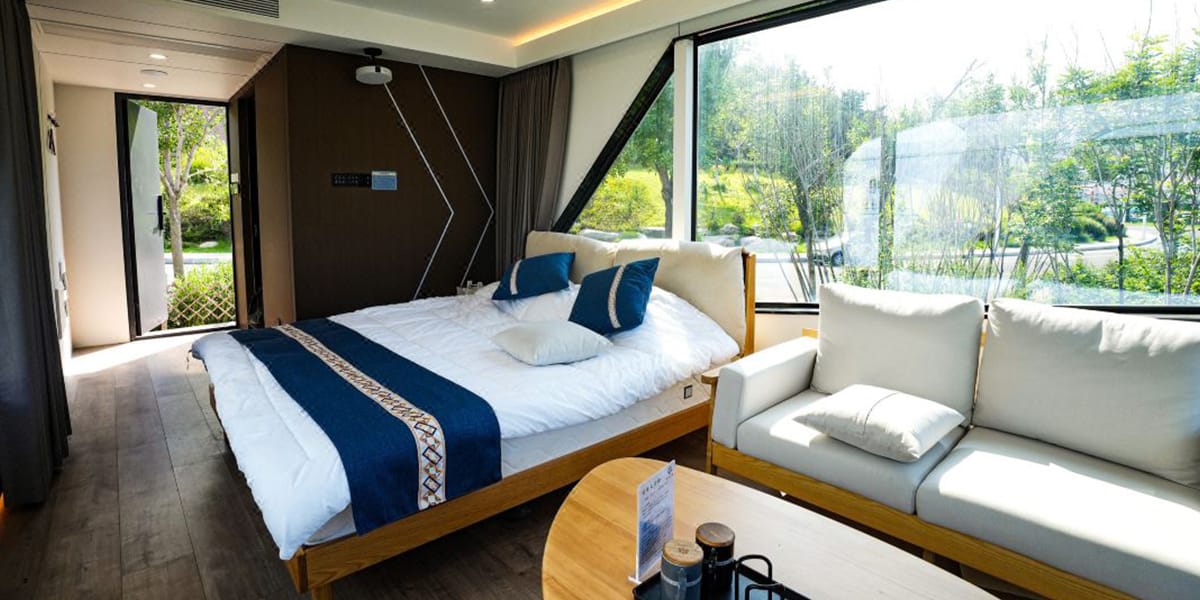
When you go inside capsule houses, you see every part is useful. Designers use furniture that can fold or move, like desks and beds. This helps you have places to sleep, work, and relax, even in a small space. You can change how the room looks, so life feels easy and works well.
Capsule houses have open rooms. There are not many walls, so it looks bigger and brighter.
Furniture like sofa beds and folding tables let you do many things in one spot.
Smart technology lets you change lights and temperature with your phone or voice.
Traditional tiny houses usually have rooms that do not change much. You might sleep in a loft and use the main room for cooking and living. These homes have high ceilings and big windows for more light, but you cannot move things around as easily. Tiny houses often put the kitchen, dining, and living areas together, but you may see more walls than in capsule houses.
Tip: If you want a home that changes with you, capsule houses are more flexible than tiny houses.
Privacy and Layout
Privacy is important in small homes. Capsule houses have open rooms, but you can still make private spaces. You can use sliding panels or walls to close off a bedroom or work area. The design uses tall spaces, like loft beds and shelves, to keep things neat.
Capsule houses let you add or take away parts. You can make your home bigger or smaller for your family.
Open rooms help air and light move, so it does not feel crowded.
You can put the kitchen, dining, and work areas together in one space.
Tiny houses often use lofts for sleeping, so you get some privacy. But the rooms do not change much. It can be hard to change the space if you need more room. Tiny houses feel cozy and personal, but you might not be able to move things around if you want to.
A big difference is that capsule houses let you change the rooms as your life changes. This helps both single people and families. You can have privacy and still keep the open feeling in your home.
Daily Comfort in Tiny Homes
How comfortable you feel depends on how your home fits your life. Capsule houses use smart layouts and furniture to make small spaces nice. You may need to live with less stuff and keep things tidy. This can help you feel calm, but it takes work.
Capsule houses have good insulation and soundproofing. You stay warm in winter and cool in summer, and it is quiet inside.
Smart home features, like special lights and temperature controls, make life easier.
Eco-friendly materials and energy-saving systems help you pay less for bills and protect the earth.
Tiny houses are also comfortable, but in a different way. You get a warm, personal space with natural materials. The insulation may not be as good as in capsule houses, so you might feel hot or cold or hear more noise. Both types can have storage problems, but capsule houses often have more built-in storage.
Note: Studies show that living in capsule houses or tiny homes means you need to get used to less space. Some people like the simple life, but others find it hard at first. Your comfort depends on how well you live with less and how much you like flexible spaces.
If you want a home that is flexible, smart, and modern, capsule houses are a good choice. If you like a fixed, cozy, and classic home, tiny houses may be better. Both types have special benefits, but the main differences in rooms, privacy, and comfort can help you choose what is best for you.
Cost and Efficiency
Capsule Houses Affordability
Capsule houses are known for being affordable. Prices change based on where you buy them and who makes them. Many Chinese companies sell capsule houses for less money per square meter. In the US, capsule houses cost more but may have fancy features. Here is a table that shows what different suppliers charge for capsule houses:
Manufacturer / Supplier | Country | Price Range (per sqm or per unit) | Notes |
|---|---|---|---|
Shandong Suninn Intelligent Tech | China | $160 – $180 per sqm | Lowest cost, flexible small orders |
Hebei Weizhengheng Construction | China | $200 – $206 per sqm | Aggressive volume pricing |
Zhejiang Rongji Intelligent Mfg | China | $500 – $650 per sqm | Flexible ordering, high repeat buyers |
Hengxin New Energy Tech | China | $24,000 – $30,000 per unit | Premium luxury units |
Noah Ark Container Housing | US | $690 – $830 per sqm | US-based, luxury positioning |
JACK MANUFACTURING LLC | US | Around $25,000 per unit | Sustainable off-grid focus |
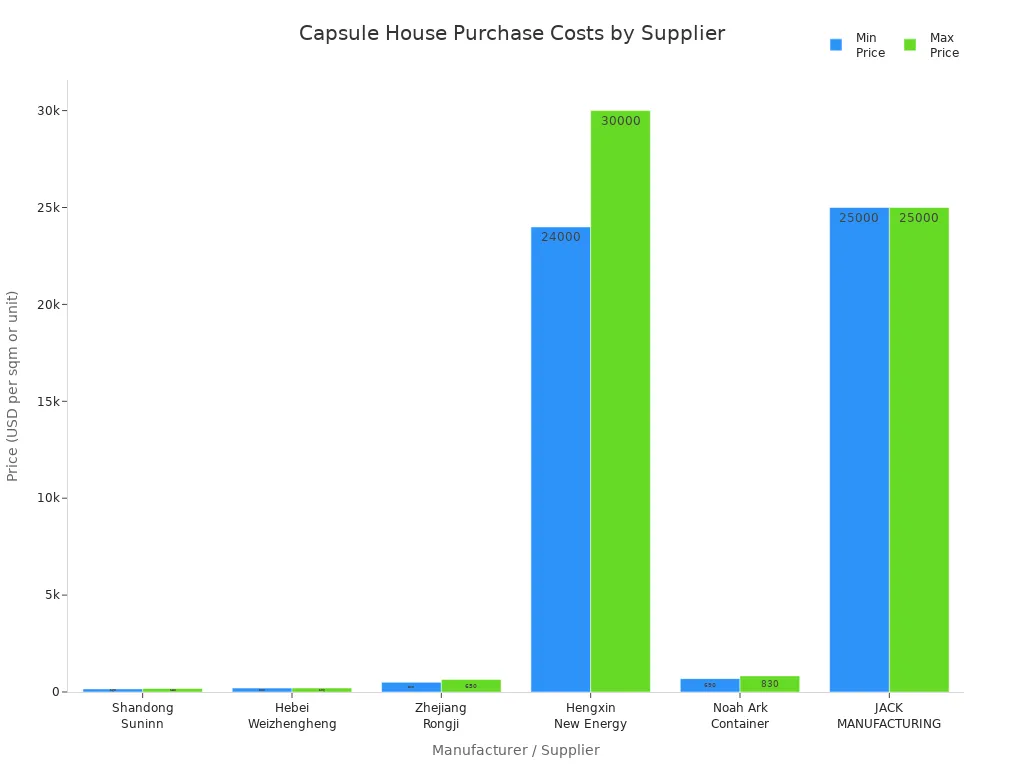
Capsule houses usually cost less than tiny houses, especially if you pick a simple one from China. The price to set up your house can change depending on where you live and which capsule you want.
Tiny Homes Expenses
Tiny houses come in many shapes and sizes, so prices are different. If you want a tiny house on wheels, it can cost $30,000 to $100,000. A tiny house with a foundation costs about $50,000 to $150,000. Shipping container tiny homes can be $20,000 to $100,000, depending on what you choose. These prices are often more than the cheapest capsule houses.
You also need to think about extra costs. Tiny houses on wheels get worn out from moving. You might pay more to fix things and keep them working. You also pay for hooking up water and power, and for moving your house. Parking and utility fees can surprise you if you move a lot.
Tip: Tiny houses might seem cheap at first, but extra costs can add up fast. Always remember to plan for repairs, bills, and moving costs.
Energy and Maintenance
Capsule houses use strong materials like galvanized steel and aviation-grade aluminum. These materials last over 50 years and do not need much fixing. Capsule houses have great insulation, so they use about 65% less energy than tiny homes. You save money on heating and cooling because the house keeps air in and blocks heat from leaving.
Capsule houses have thick insulation and are built tightly.
You can add solar panels, rainwater systems, or composting toilets to save money on bills.
The small size means you use less energy to heat or cool the house.
Tiny houses are often made of wood, which can rot or get bugs. You may have to fix or replace parts more often. Tiny houses do not always have good insulation, so you pay more for energy. If you move your tiny house a lot, you will spend more on repairs and setting up utilities.
Here is a table that shows the main differences in maintenance and energy use:
Aspect | Capsule Houses | Traditional Tiny Homes |
|---|---|---|
Maintenance Costs | Lower due to durable materials and compact size | Higher, approx. 1% of home value annually |
Materials Durability | Galvanized steel, aviation-grade aluminum, 50+ years lifespan | Typical lifespan 20-30 years |
Energy Efficiency | Advanced insulation and energy-saving systems | Often lack advanced features, may require upgrades |
Utility Bills | Lower due to smaller space and efficient systems | Higher due to larger space and less efficiency |
Note: Capsule houses give you better quality, need less fixing, and save more energy. These big differences make them a smart choice if you want to save money and time.
Mobility and Flexibility
Moving Capsule Houses
Capsule houses give you a new way to move your home. Many capsule designs use special hinge systems. You can fold the capsule into a compact shape for easy transport. When you reach your new spot, you unfold the capsule in about 30 minutes. You do not need tools or a big team. This makes moving much faster and easier than with most tiny houses. People who use these homes say they can relocate and set up about 90% faster than with traditional building methods.
Capsule houses are a true portable living solution. You can install them almost anywhere, from city lots to rural land. The strong materials and modular design let you adapt to different climates and locations. If you need to move often or want to try living in new places, a capsule gives you that freedom.
Tiny Homes on the Move
Tiny homes come in many types, and each moves in a different way. Some tiny houses sit on wheels, so you can tow them behind a truck or RV. Others, like shipping container homes, move as one big piece. Some types, such as cabins, need to be taken apart and rebuilt, which takes more time and money.
Here is a table to show how different tiny homes move:
Tiny Home Type | How You Move It | How Easy Is It? |
|---|---|---|
Park Model Homes | Tow with truck or RV | Easy and cost-effective |
Shipping Container | Move as a whole unit | Simple with the right equipment |
Cabins/Earthships | Disassemble and rebuild | Hard and expensive |
Houseboats/Bus Homes | Tow like a vehicle | Very easy and mobile |
Foldable Houses | Fold, transport, unfold on-site | Fastest and most convenient |
Most tiny houses on wheels are easy to move, but some types are not. You need to plan for towing, permits, and sometimes repairs after moving. Capsule homes, with their foldable and modular features, often make moving even simpler.
Zoning and Legal Issues
When you choose a capsule or a tiny house, you must think about local laws. Capsule houses, as prefab homes, face special rules. You need to find land with the right utilities and follow zoning laws. Many places do not have clear rules for prefab homes, so you may need extra permits. In rural areas, you might face more problems if roads or power lines are missing. Most capsule homes sit on a foundation, so you must meet strict building codes.
Tiny houses also face legal hurdles. Some states have minimum size rules or do not allow tiny houses on wheels as permanent homes. For example:
In New York, you cannot use a tiny house on wheels as your main home.
In West Virginia, homes must be at least 1,700 square feet.
In Alaska, rural codes make it hard to use tiny homes.
In Wisconsin, each county has its own rules.
You must check local zoning, building codes, and permits before you move your capsule or tiny house. Some places treat tiny homes on wheels like RVs, so you can only park them in certain areas. Foundation-based homes, like many capsule houses, must pass more inspections.
Tip: Always talk to your local building office before you buy or move a capsule or tiny house. This helps you avoid fines or having to move again.
Sustainability and Tiny Living
Eco-Friendly Capsule Houses
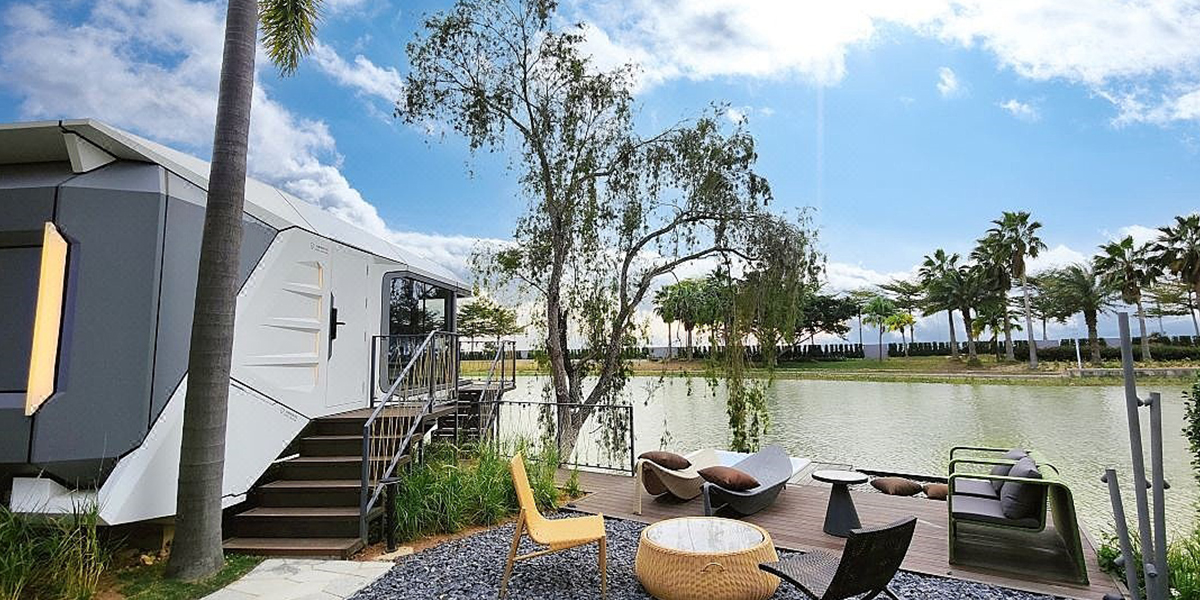 Eco-Friendly Capsule Houses
Capsule houses are great for the environment. Designers add smart features to help nature and save money. Many capsule homes have:
Solar panels that make clean energy
Ways to heat and cool without much power
Systems to collect rainwater for use
Green roofs and gardens that keep homes warm and dry
Appliances that use less energy and smart meters
Builders use recycled steel, bamboo, and green materials. These last long and do not waste resources. You get cleaner air inside and less noise. Some capsules can work without city power. They use wind, batteries, and recycle water. This is good for eco-tourism or nature parks.
Material | What It Does and How It Helps Nature |
|---|---|
Recycled Steel | Makes a strong frame, uses fewer resources |
Engineered Wood | Good for walls and floors, comes from safe sources |
Double-Glazed Windows | Brings in light, keeps heat inside |
Polyurethane Foam | Light, helps keep the house warm |
Mineral Wool | Stops fire, blocks sound |
Capsule houses often meet green building rules like LEED or GreenGuard. By picking these homes, you use less energy and fewer materials.
Tiny Living Impact
Living tiny means you help the earth more. Capsule homes take up less space and use fewer things than big houses. Factories make them with less waste and pollution. Small homes use less energy to stay warm or cool. Some even have windows that turn sunlight into power.
Big homes need more wood, concrete, and steel. They use more energy and make more trash when built. Even if you upgrade them, they are not as good as capsule houses. Choosing a capsule or other small home helps the planet a lot.
Choosing for Your Lifestyle
Think about what is most important to you. If you want to save energy, use green materials, and live modern, capsule houses are a smart pick. They are good for people who move a lot or want to live off the grid. If you care about the earth and want to use less, a capsule can help you. Tiny living is not just about less space. It is about making choices that help the planet and fit your life.
Picking between capsule houses and traditional tiny homes depends on what matters to you. Capsule houses are fast to set up and easy to move. They use smart features that save energy. Tiny homes have more room and give you more privacy. They feel comfortable for families or if you stay a long time.
Factor | Capsule Houses | Tiny Homes |
|---|---|---|
Cost | Higher, more custom | |
Mobility | Very portable | Less portable |
Comfort | Compact, modern tech | Spacious, private |
Think about how much money you want to spend. Also, think about how often you will move and if you want more comfort or more ways to change your space.
Ask yourself which way of living matches you best before you decide.
FAQ
What is the main benefit of choosing a capsule house?
You get a home that is quick to set up, easy to move, and uses less energy. Capsule houses also last longer and need less fixing than most tiny homes.
Can you live in a capsule house year-round?
Yes, you can live in a capsule house all year. The strong insulation and airtight design keep you warm in winter and cool in summer. You stay comfortable in most climates.
How much space do you really get in a capsule house?
Most capsule houses give you about 100 to 400 square feet. You use smart furniture and open layouts to make the most of every inch. You can sleep, cook, and relax in the same space.
Are capsule houses legal everywhere?
You must check local laws before you buy or move a capsule house. Some places have rules about home size or where you can park. Always ask your city or county office first.
Which is better for families: capsule houses or tiny homes?
Feature | Capsule House | Tiny Home |
|---|---|---|
Space | Smaller | More options |
Privacy | Less | More |
Flexibility | High | Medium |
You may find tiny homes better for families because they offer more space and privacy.