

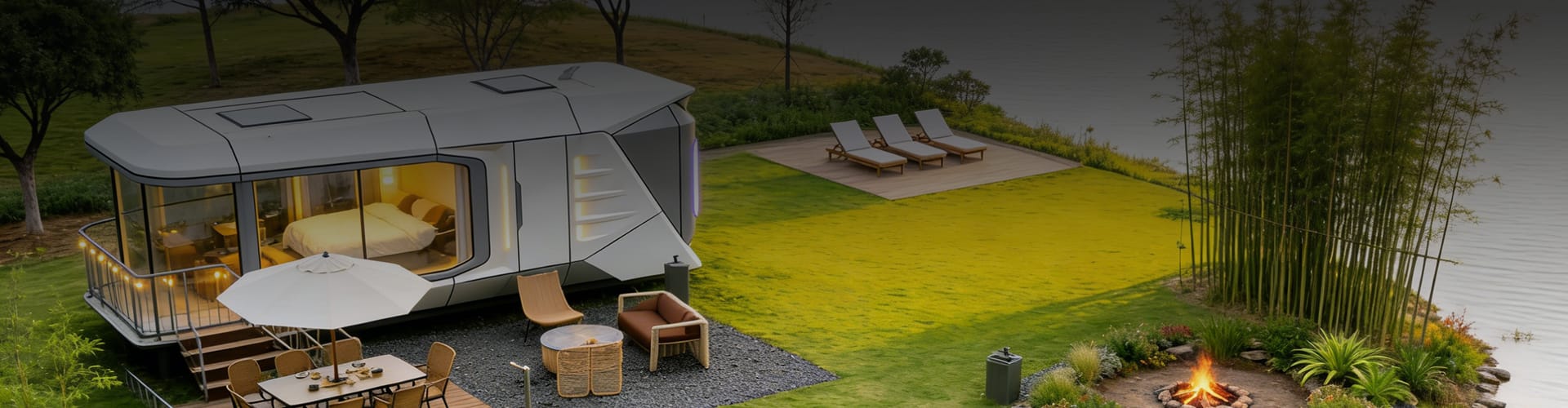

09 Sep Capsule Tiny Home vs Modular Tiny House Key Differences and Similarities
Table of Contents
When comparing a capsule tiny home vs modular tiny house, you’ll quickly notice some significant differences. Capsule homes resemble space pods and emphasize simple living with a sleek design. They provide only the essentials, leaving out any unnecessary features. On the other hand, modular tiny houses utilize space intelligently and can be adapted to meet your specific needs. Many of these homes incorporate eco-friendly materials and advanced technology. Understanding these distinctions is crucial in helping you decide which option suits you best.
Capsule homes offer a futuristic aesthetic and promote a minimalist lifestyle.
Modular tiny houses provide flexibility and often embrace sustainable practices.
Recognizing these differences enhances your experience with tiny living.
Key Takeaways
Capsule tiny homes are great for people who like to move a lot and want simple living. They are easy to move and good for short stays.
Modular tiny houses give you more room and let you change things to fit your needs. They are better for families and people who want to stay a long time.
Both types of tiny homes help save energy. Capsule homes use strong materials to keep heat in. Modular homes often have features that are good for the environment.
You should think about your lifestyle and how much money you have before choosing. Capsule homes usually cost less. Modular homes give you more space and comfort.
Think about how long you want to live in your tiny home. Capsule homes are best for short visits. Modular homes are made for living in them for a long time.
Capsule Tiny Home vs Modular Tiny House Overview
Capsule Tiny Home Basics
When you compare a capsule tiny home to a modular tiny house, the capsule design is easy to spot. Capsule homes look like they belong in the future. They are made with strong metals like aviation-grade aluminum and galvanized steel. These materials help the home stand up to bad weather. You can move a capsule home easily and set it up almost anywhere. The small size lets you put it in tight spots, but you still have enough space to live well.
Here are some quick facts about capsule tiny homes:
Width: 10.5 feet
Height: 10.5 feet
Standing height: 7 feet 10.5 inches
Common layouts: one-bedroom with bathroom and balcony, or with a kitchen and living room
Capsule homes use insulated panels to keep heat in and cold out. This helps lower your energy bills and is better for the earth. Moving a capsule home is easier than moving a modular house. The strong materials last a long time and keep bugs and rot away.
Tip: If you want a home that is simple to move and saves energy, a capsule tiny home could be a great pick.
Modular Tiny House Basics
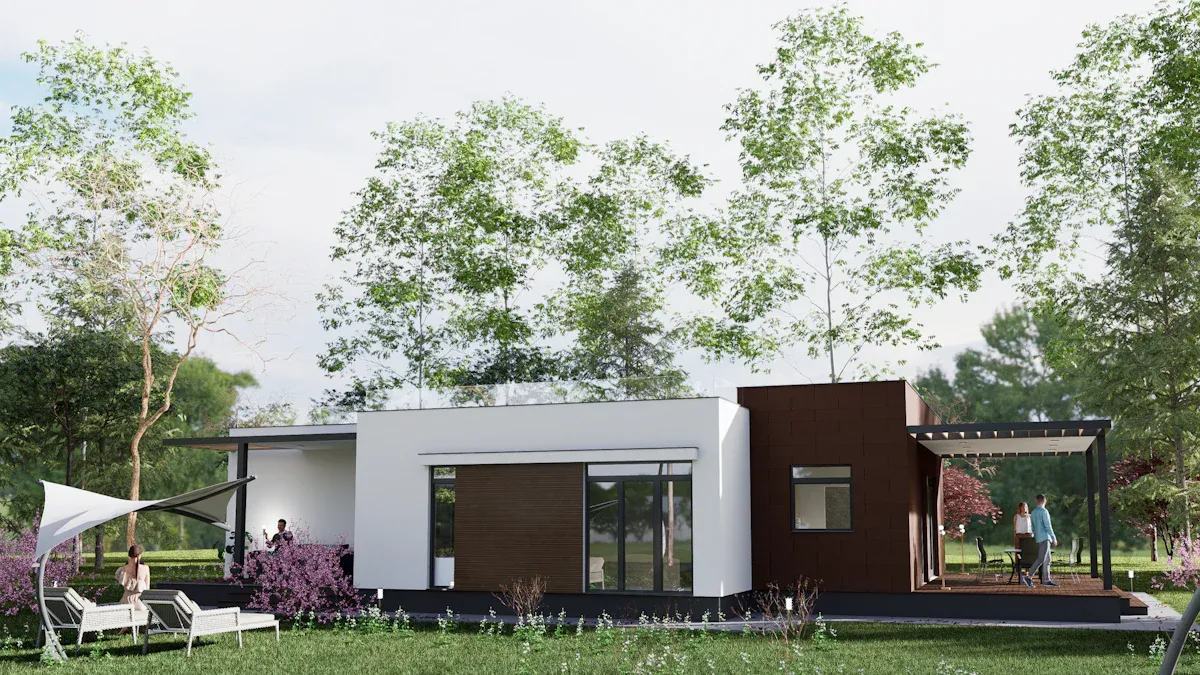
Now let’s talk about modular tiny houses. Modular tiny houses give you more space and let you choose how you want your home to look. You can pick features that match your style and needs. These homes often use lighter materials like timber. This makes them easier to build, but they may not be as strong as capsule homes.
Here’s a table to show some standard features you might find:
Feature | Description |
|---|---|
Large windows | Low-E glass for better insulation |
Washer and dryer | Compact, all-in-one design |
Tankless water heater | Unlimited hot water, saves energy |
Mini split HVAC | Heating, cooling, and ventilation |
Electric range/oven | Induction cooktop and convection oven |
Full-size refrigerator | Modern, energy-efficient |
Farm-style sink | Popular and practical |
Soft close drawers | Quiet and smooth operation |
Full size bathroom | Customizable |
Engineered hardwood floor | Durable and stylish |
Many modular tiny houses have a covered porch, custom cabinets, and washer/dryer hookups. You get more space to relax, with some models as long as 52 feet and as wide as 14 feet. These homes are good if you want to stay in one place and have lots of comfort.
When you look at capsule tiny homes and modular tiny houses, you see each has good points. Capsule homes are easy to move and save energy. Modular homes give you more space and more ways to make your home fit your life.
Key Differences
Size and Space
When you look at capsule tiny homes and modular tiny houses, you notice some key differences in size and space right away. Capsule homes usually feel compact. You get just enough room for the basics. Most capsule homes offer between 100 and 400 square feet. You might find a small bedroom, a bathroom, and sometimes a tiny kitchen or balcony. The design keeps things simple and efficient.
Modular tiny houses give you more options for space. These homes often start at 400 square feet and can go much larger. You can add extra rooms or even a second floor. Some modular homes stretch up to 52 feet long. You get more space for storage, relaxing, or having friends over. If you want to spread out, a modular tiny house might fit you better.
Capsule tiny homes: 100–400 sq ft
Modular tiny houses: start at 400 sq ft and can be much bigger
Note: If you need more space for hobbies, work, or family, modular tiny houses give you more flexibility.
Mobility and Use
Mobility is one of the biggest key differences between these two types of homes. Capsule tiny homes shine when it comes to mobility. You can move them easily from place to place. Their lightweight design and strong materials make them perfect for people who like to travel or change locations often. You can set up a capsule home in a city, in the woods, or even on a mountain. Moving takes less time and effort.
Modular tiny houses offer less mobility. These homes are heavier and often need special equipment to move. You might need a truck or even a crane. Most people set up modular tiny houses in one spot and leave them there. If you want to move, it takes planning and help from professionals. Modular homes work best if you want to stay in one place for a long time.
Here’s a quick look at how mobility compares:
Home Type | Mobility Level | Typical Use Case |
|---|---|---|
Capsule Tiny Home | High | Frequent moves, travel |
Modular Tiny House | Low | Permanent living, stays |
Tip: If you love adventure and want to change your view often, capsule tiny homes make moving easy. If you want to settle down, modular tiny houses give you a stable home.
Living Duration
Another key difference comes from how long you plan to live in your tiny home. Capsule tiny homes work best for short-term stays or as a getaway. You might use one for a weekend trip, a few months, or as a guest house. The small space and simple features make it easy to clean and maintain. You get comfort, but not a lot of extra room.
Modular tiny houses suit long-term living. You can add more space, better insulation, and extra features like a full kitchen or laundry. These homes feel more like a regular house. You can live in a modular tiny house for years. Families, couples, or anyone who wants a permanent home often choose modular designs.
Remember: Think about how long you want to stay in your tiny home. Short trips? Capsule homes work well. Long-term living? Modular tiny houses give you more comfort and space.
You can see the key differences in size, space, mobility, and how long you can live in each type. Your choice depends on your lifestyle and what you need most from your tiny home.
Tiny Houses Durability and Weather Resistance
Materials
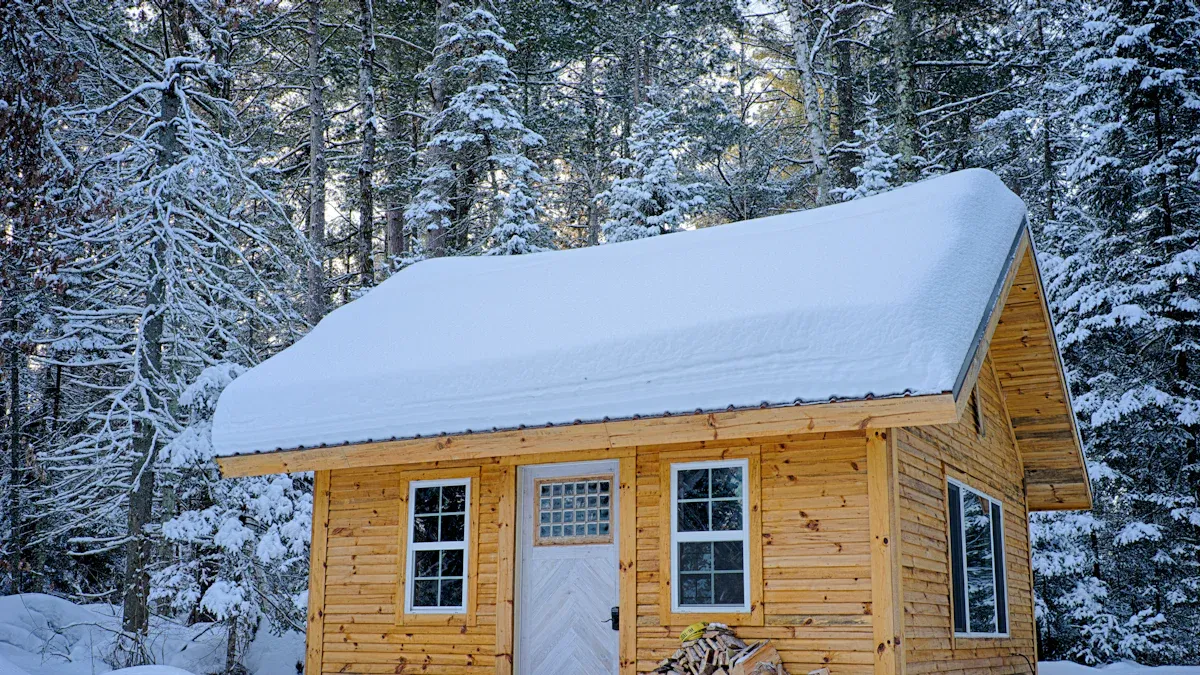
When picking a tiny home, you want it to last long. Capsule tiny homes use strong metals like aviation-grade aluminum and galvanized steel. These metals help protect your home from rain and wind. They also work well near the ocean because they do not rust easily. You do not need to worry much about rot or bugs. The panels fit close together, so water and insects stay out.
Modular tiny houses often use timber or engineered wood. These materials make the home feel warm and nice. They also let you change how your home looks. Some modular homes have steel frames for more strength. You might see fiber cement siding or metal roofs. These help keep your home safe from fire and bad weather.
Tip: If you want to move your home a lot or live where the weather is rough, metals like steel and aluminum help your home stay strong.
Climate Performance
You want your tiny home to be safe and comfy in any weather. Capsule tiny homes do great in tough weather. They can handle winds up to 156 mph and earthquakes up to magnitude 9. The walls keep out noise, so it stays quiet inside. The insulation keeps you warm in winter and cool in summer. Fire-resistant panels make your home even safer.
Here’s a quick look at what capsule homes can do:
Feature | Specification |
|---|---|
Wind Resistance | Up to 156 mph |
Earthquake Resistance | Up to magnitude 9 |
Sound Insulation | Reduces noise by at least 55dB |
Thermal Insulation | 3.2m²·K/W |
Fire Resistance | Grade A exterior, B1 interior |
Air Tightness | n50 = 0.45 |
Modular tiny houses also work well in many climates. Good builders use thick insulation and strong windows. You can add things like storm shutters or heated floors. If you live where it rains or snows a lot, make sure your modular home has a strong roof and good drainage.
Note: Always check if your tiny home follows local building codes for weather and safety. This helps you stay safe and comfortable wherever you live.
Energy Efficiency in Tiny Homes
Insulation
You want your tiny home to be warm in winter. You also want it cool in summer. Good insulation helps you save energy. It lowers your heating and cooling bills. Capsule tiny homes and modular tiny houses use smart ways to control temperature. Some homes have water circulation underfloor heating. This system moves warm water under the floor. Every room feels cozy. Other homes use graphene electric heating modules. These heat the floor right away. They do not need much care. Some homes have water pipe insulation with automatic heating. This keeps pipes from freezing. It saves you money on repairs.
Upgraded air conditioning works well in cold places. It heats and cools your home. It does not use too much energy. Many tiny homes use enhanced glass. This glass has three layers. It keeps heat inside during winter. It blocks heat in summer. You do not spend extra money on cooling.
Here are common insulation methods:
Insulation Method | Description |
|---|---|
Water Circulation Underfloor Heating | Heats liquid under the floor for even warmth |
Graphene Electric Heating Modules | Direct floor heating, no liquid, low maintenance |
Water Pipe Insulation | Pipes stay warm, automatic heating in cold weather |
Upgraded Air Conditioning | Reliable heating and cooling, even in extreme cold |
Enhanced Glass | Three-layer Low-E glass, keeps heat in and reduces heat loss |
Tip: Good insulation helps your tiny home use less energy. It keeps your heating and cooling costs low.
Technology Features
Modern technology makes tiny homes smarter. It also helps them use less energy. Many capsule and modular homes use solar power. Solar panels give you free energy from the sun. You do not pay extra for electricity. Some homes have battery storage. This lets you use saved energy at night. You can use it on cloudy days too. Some homes get water from the air. Special systems collect water from condensation. This lowers your water bill.
Autonomous waste disposal is another cool feature. You do not need outside help for waste. This saves you time and money. These features help you live off-grid. They make your home more energy-efficient.
Here are common technology features:
Technology | Description |
|---|---|
Solar Power | Uses sunlight to power your home |
Battery Storage | Stores solar energy for later use |
Water Generation from Air | Collects water from air condensation |
Autonomous Waste Disposal | Handles waste without outside services |
Note: Using these energy-saving technologies lowers your bills. It helps the planet. You get comfort, freedom, and a home that fits your needs.
Cost and Build Time
Upfront Cost
When you look at tiny homes, price matters a lot. Capsule tiny homes usually cost less than modular tiny houses. You can see the difference in this table:
Tiny Home Type | Price Range (USD) |
|---|---|
Capsule Homes / Apple Cabins |
Capsule homes give you a simple way to start tiny living without spending too much. You get a modern design and basic features for a lower price. Modular tiny houses often cost more because they offer more space and extra features. You might pay more upfront, but you get a home that feels bigger and more like a traditional house.
Financing options also make a big difference. Capsule tiny homes often come with quick approvals and low upfront costs. You can find tailored financing solutions that fit your needs. Modular tiny houses offer competitive rates and flexible repayment plans, but you may need a higher initial investment.
Capsule tiny homes: Quick approval, low upfront cost, flexible financing.
Modular tiny houses: Competitive rates, flexible plans, higher upfront cost.
Tip: If you want to save money and get started fast, capsule tiny homes make it easy. If you want more space and can spend more, modular tiny houses give you more choices.
Construction Timeline
Build time can change based on what you pick. Capsule tiny homes usually have a shorter construction timeline. Many come pre-made, so you just set them up on your land. This means you can move in quickly and enjoy the efficiency of a fast setup.
Modular tiny houses take longer to build. You might wait weeks or even months, especially if you want custom features. The land plot can also affect how long it takes. If your land is not ready, you might face delays. Local building codes and design changes can slow things down, too.
Here are some things that can affect build time:
Design changes for your needs
Local building codes and rules
Note: If you want to move in fast and value efficiency, capsule tiny homes are a smart choice. If you want a custom home and do not mind waiting, modular tiny houses work well.
Design and Amenities
 Customization
 Customization
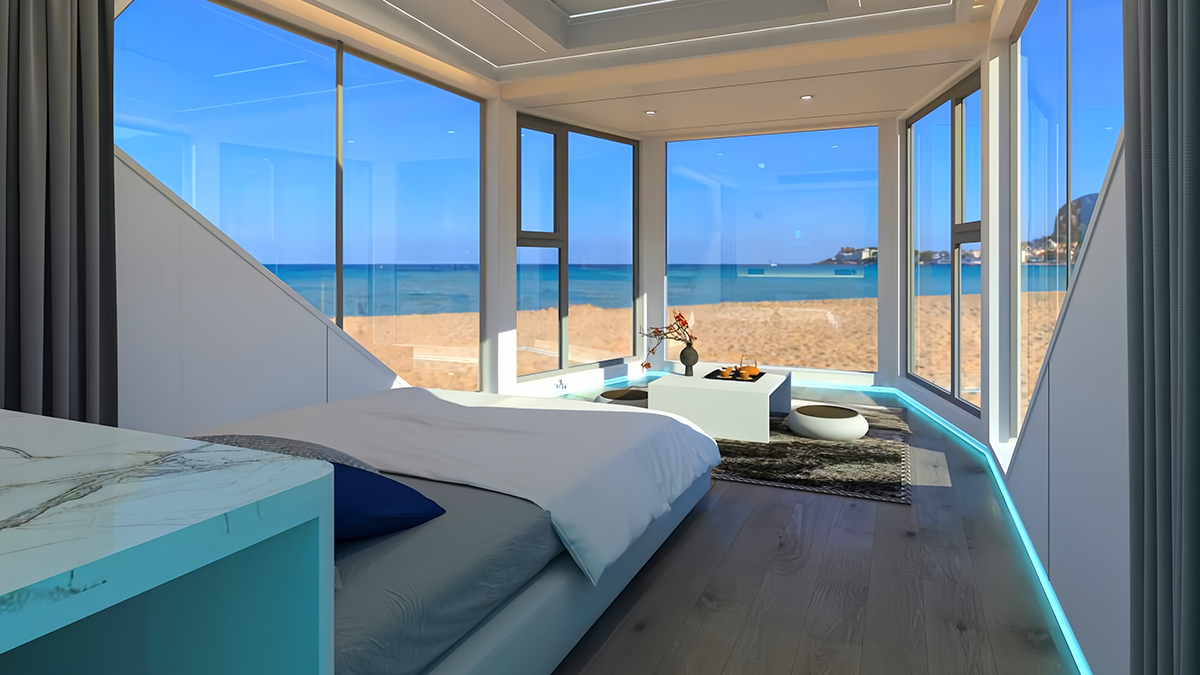
You want your tiny home to feel unique. Capsule tiny homes let you choose colors and sizes. This helps you match your own style. They have a modern look with a strong steel frame. The frame is made for outdoor weather. These homes go through quality checks like ISO 9001 and CE marking. You also get an onsite inspection and a one-year warranty. This makes you feel safe about your choice.
Modular tiny houses give you fewer choices. Most builders have set models to pick from. The structure and quality depend on the company. Some let you change the layout or add features. But you usually start with a basic plan.
Here’s a quick comparison:
Feature | Capsule Tiny Homes | Modular Tiny Houses |
|---|---|---|
Tailored experiences with various colors and sizes | Typically limited to predefined models | |
Structure | Light steel frame, designed for outdoor use | Varies by manufacturer |
Quality Assurance | ISO 9001 certified, CE marking | Varies by manufacturer |
After-Sales Service | Onsite inspection and 1-year warranty | Varies by manufacturer |
Design Style | Contemporary and modern aesthetics | Varies widely |
If you want a home that shows your taste, capsule tiny homes give you more ways to make it special.
Standard Features
Both capsule and modular tiny homes have features that make life easier. Capsule homes often have a strong steel frame and thick insulation. They use smart technology to help you. You might get a smart toilet, a shower, and a wall air conditioner. Some models have electric floor heating and voice control for lights.
Modular tiny houses focus on comfort too. Many use eco-friendly materials like bamboo or old wood. You get furniture that does more than one job. Open spaces and smart tech are common. Big windows and glass doors let in lots of light. They help you feel close to nature.
Here are some popular features you might see:
Amenity | Description |
|---|---|
Main Body Frame System | Reinforced seismic steel structure |
Thermal Insulation System | High-density polyurethane panels |
Bathroom | Smart toilet, glass sliding door, shower |
Heating and Cooling | Wall-mounted or central air conditioner |
Smart Door Lock | Waterproof, intelligent access control |
Electric Floor Heating | Optional for extra comfort |
Voice Control System | Whole house voice control |
Advanced systems to save energy | |
Rapid Installation | Prefabricated for quick setup |
Modular homes may add skylights, special lighting, or nature-inspired design. These things help you feel calm and happy at home.
Tip: Pick features that fit your daily life. The right choices can make your tiny house feel just right.
Sustainability
Eco Materials
When you think about tiny homes, you may care about the earth. Capsule tiny homes are known for being good for the planet. Builders use recycled metals and wood that grows back fast. These choices help lower harm to nature. Some capsule homes have green roofs and collect rainwater. These features help save water and keep the house cool.
Modular tiny houses also try to be eco-friendly. Many use bamboo, old wood, or other materials that grow again. Some builders use recycled glass or steel too. These materials last a long time and can be used again if you move or rebuild. Both types show you can live small and still help the earth.
Here are some eco materials you might see:
Recycled steel and aluminum
Bamboo and other renewable wood
Recycled glass
Green roofs
Low-VOC paints
Tip: Picking a tiny home with eco materials helps save nature and supports the planet.
Environmental Impact
You may wonder how building these homes affects nature. Capsule tiny homes use modular building methods. This means less trash and less energy used when building. You can take the home apart and use the parts again. Capsule homes often have solar panels and thick insulation. These features save energy and lower your bills.
Modular tiny houses also try to help the earth. Builders use smart designs to make less waste. They add things like good windows and solar power to save energy. Both types help you use less energy and make less pollution.
Here’s a quick look at how capsule tiny homes help the planet:
Use recycled metals and wood that grows back
Modular building makes less waste and uses less energy
Solar panels and insulation save energy
Green roofs and rainwater systems help the earth
Parts can be taken apart and used again
If you want a home that cares about the earth, both capsule and modular tiny homes are good choices. You get to save energy, help the planet, and live in a way that is better for nature.
Choosing Between Capsule and Modular
Lifestyle Fit
Picking the best tiny home depends on how you want to live. Do you want a home that moves with you? Or do you want to stay in one place? Capsule tiny homes are good for people who like adventure. These homes are easy to move. You can change where you live anytime. Many people use capsule homes for short trips or as a small getaway. If you live alone or with one other person, this type works well.
Modular tiny houses give you more room. They are better for families or people who want to stay put. You can add rooms or change the inside to fit your needs. These homes feel more like a normal house. You get more comfort and space.
Here is a quick way to see how lifestyle choices compare:
Lifestyle Factor | Capsule Tiny Homes | Modular Tiny Houses |
|---|---|---|
Personal Needs | Made for different comfort and function needs | Lets you pick options for your own lifestyle |
Environmental Impact | Often uses green materials and building methods | Can also use eco-friendly ways to build |
Construction Techniques | New ideas make them easy to change and efficient | Modular design makes building fast and flexible |
If you want to live with others, family size is important. Capsule homes are best for one or two people. Modular tiny houses are better for bigger families. If you want to move a lot, capsule homes make it simple. If you want to stay in one spot, modular homes give you a steady place to live.
Capsule tiny homes are best for people or couples who want to move.
Modular tiny houses are good for families or people who need more space.
If you want to stay in one place, pick a modular home for long-term living.
Budget and Priorities
How much money you have will help you choose. Capsule tiny homes cost less. You can start living tiny without spending a lot. These homes use less energy, so you save money too. Modular tiny houses cost more, but you get more space and can make it your own.
Think about what is most important to you. Some people care about saving money, building fast, and using green materials. Others want to change their home or help the planet. Both types let you pick what fits your life.
Saving money helps you live tiny for less.
Fast building means you can move in sooner.
Green materials are good for the earth.
Customizing lets you make your home special.
Living green keeps your impact on nature small.
Ask yourself what you want from your home. Do you want to move a lot, or stay in one place? Do you need space for a family, or do you like living alone? Your answers will help you pick the right tiny home for you.
You have a lot to think about when choosing between capsule tiny homes and modular tiny houses. Capsule tiny homes give you easy mobility and a simple way to live tiny. Modular tiny houses offer more space and comfort for long-term living. Both types of tiny homes help you save money and support a greener world. The future looks bright for tiny homes:
More people want affordable tiny homes.
The market for tiny homes could reach $4.3 billion by 2025.
Tiny homes use smart technology and eco-friendly designs.
Minimalistic living in tiny homes is becoming more popular.
Think about what matters most to you. Do you want to move your tiny home often? Do you need more space for family? Tiny homes let you live your way. No matter which tiny home you pick, you join a growing group of people who care about smart, sustainable living.
FAQ
What makes tiny houses different from regular homes?
Tiny houses give you a smaller space to live in. You use less energy and spend less money. You can move some tiny houses easily. Many people like tiny houses because they help you live simply and focus on what matters.
Can you live in tiny houses all year round?
Yes, you can live in tiny houses all year. Builders use strong materials and good insulation. Tiny houses keep you warm in winter and cool in summer. You just need to pick the right design for your weather.
Are tiny houses legal everywhere?
Not every place allows tiny houses. Some cities have rules about where you can put tiny houses. You should check local laws before you buy or build tiny houses. Some areas welcome tiny houses, while others do not.
How do tiny houses help the environment?
Tiny houses use fewer resources. You need less energy to heat or cool tiny houses. Many tiny houses use solar panels and eco-friendly materials. Living in tiny houses means you make less waste and help protect nature.
Can families live in tiny houses?
Families can live in tiny houses if they plan well. Some tiny houses have smart layouts for more people. You can find tiny houses with bunk beds or lofts. Tiny houses work best for small families who like simple living.