

08 Nov Trailer Home On Wheels Key Characteristics for Cozy Living
Table of Contents
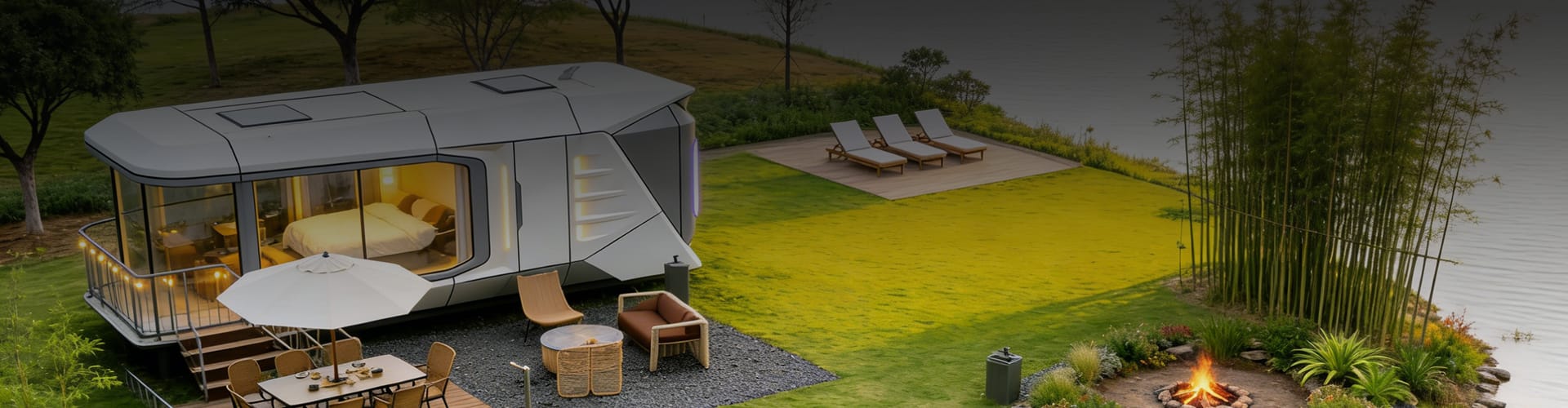
Imagine walking into a place that feels cozy and useful. Trailer Home On Wheels Key characteristics help use every bit of space. You find smart designs, comfy beds, and easy storage. Many trailer homes have things like pools or clubhouses to share. These places help people feel like a community and make life more fun. You can also make your small space fit your style more than in a big house. Living like this gives you comfort, friends, and freedom at the same time.
Aspect | Park Model Homes | Traditional Homes |
|---|---|---|
Shared things like pools, clubhouses | Usually private things | |
Affordability | Costs less money | Costs more to own |
Customization Options | More ways to make it your own | Fewer ways to change things |
User Demographics | Often older, retired people | Many different kinds of people |
Social Atmosphere | Friendly, social, good for retirees | Changes a lot by place |
Key Takeaways
Smart layouts help you use space well in trailer homes. Use shelves that go up and furniture that does more than one thing. This keeps your home neat and cozy.
Good insulation and climate control help you stay comfortable. Pick the best materials and heating systems. You will be warm in winter and cool in summer.
Easy towing lets you travel and have adventures. Lighter trailer homes can be pulled by normal cars. This makes trips easy and fun.
Make your space special with custom decor. Use soft fabrics, light colors, and plants. These things make your home feel warm and welcoming.
Off-grid living works with solar power and water systems. These choices help you save money. You can also live in a way that is good for the planet.
Trailer Home On Wheels Key Characteristics: Space & Layout
Smart Layouts
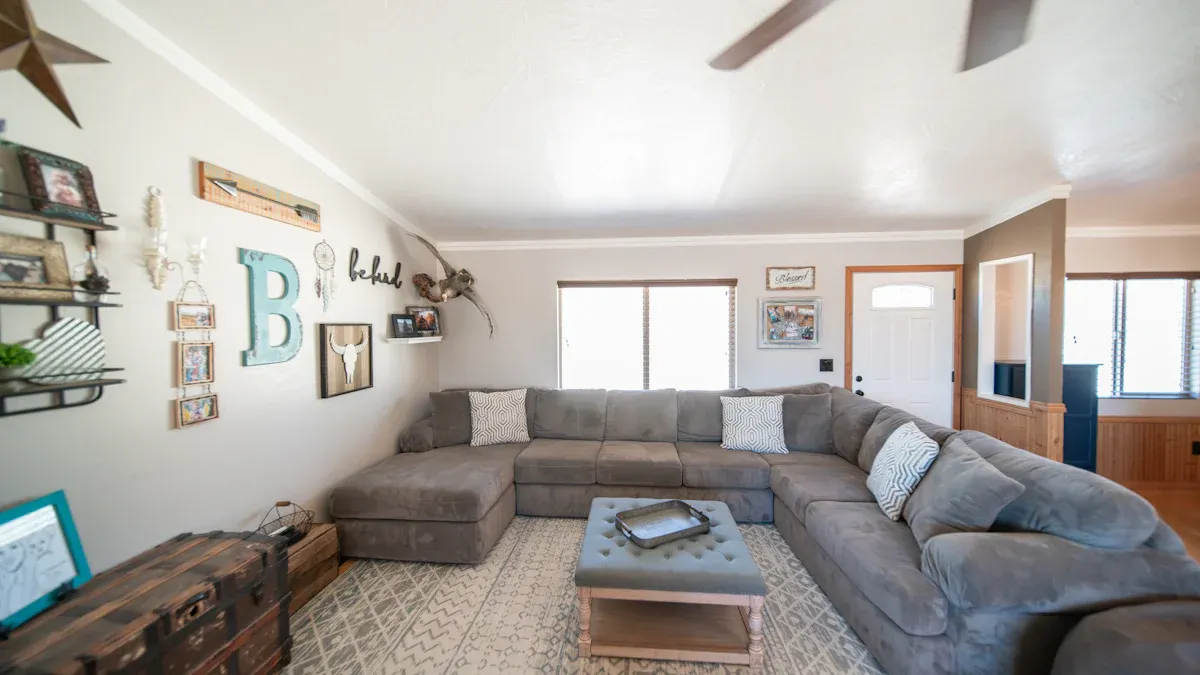
When you step inside a trailer home, you notice how every inch matters. Most trailer homes on wheels range from 80 to 400 square feet. You need to make smart choices to use the space well. Designers often use Murphy beds that fold up when you do not need them. You see shelves above doorways and drawers under stairs. These tricks help you keep things organized and off the floor.
You also find that vertical space is your friend. High shelves, hanging racks, and pegboards let you store things without crowding the room. You can use wall cabinets to save floor space. Large windows and skylights bring in light and make the area feel bigger. Sometimes, you get a veranda or a small porch that connects you to the outdoors.
Here is a quick look at how trailer homes compare to other tiny homes:
Type of Home | Average Square Footage | Compliance with Standards |
|---|---|---|
Tiny Homes on Wheels | RVIA specifications | |
Shed Homes | 400 sq ft or less | No specific standards |
You must also think about the rules for moving your home. In the United States, the maximum width for trailer homes on wheels is 8 feet 5 inches. If your home is wider, you need a special permit and may not be able to travel on some roads. These rules keep you safe and make sure your home fits on highways.
Tip: Careful planning and organization help you get the most out of your space. You can avoid clutter and make your home feel cozy.
Multi-functional Furniture
You want your trailer home to work for you. Multi-functional furniture makes this possible. Sofas that turn into beds, foldable dining tables, and shelving units that double as benches save space and keep things tidy. You do not need to buy many separate pieces. One item can do the job of two or three.
Smart furniture choices help you stay organized. You can pick a sofa that becomes a bed at night. Expandable tables let you eat with friends and then fold away. Lofted beds and hidden compartments give you more room to move around. These ideas make your home flexible and comfortable.
Here are some ways you can use multi-functional furniture in your trailer home:
Combine your needs and lifestyle with smart furniture choices.
Use foldable beds, hidden storage, and modular kitchens to keep things neat.
Try creative solutions like lofted beds and benches with storage underneath.
You may face challenges with space. You need to plan carefully and think about how each piece of furniture works. Design must maximize how you use every area. When you focus on Trailer Home On Wheels Key characteristics, you find that multi-functional furniture is a big part of cozy living.
Comfort Essentials

Insulation & Climate Control
You want your trailer home to feel good all year. Good insulation keeps you warm in winter. It also keeps you cool in summer. There are different types of insulation. Each type has its own good points:
Insulation Material | Key Features |
|---|---|
Closed-cell spray foam | High efficiency, moisture resistance |
Rigid foam boards | Good thermal resistance, lightweight |
Mineral wool | Fire resistant, soundproofing |
Reflective insulation | Reflects radiant heat, effective in hot climates |
Closed-cell spray foam stops water from getting in. Rigid foam boards are light and easy to put in. Mineral wool blocks noise and helps with fire safety. Reflective insulation works best in hot places. It bounces heat away from your home.
Heating and cooling systems help keep you comfortable. You can choose gas furnaces, electric furnaces, heat pumps, or wall units. Gas furnaces heat up fast but need careful watching. Electric furnaces cost less at first but use more power later. Heat pumps can heat and cool your home. Wall units work well in small rooms but may need help in very cold weather.
Performance in Extreme Weather Conditions | |
|---|---|
Gas Furnaces | Efficient and quick heating, but requires monitoring for carbon monoxide. |
Electric Furnaces | Lower initial cost, minimal maintenance, but higher long-term costs. |
Heat Pumps | Effective for both heating and cooling; draws heat from outside in winter and expels it in summer. |
Wall Units | Efficient for single rooms, but may require a backup heat source in extreme cold. |
Better insulation helps these systems work better. Putting skirting around your trailer keeps cold air out. Zoning lets you heat or cool only the rooms you use. This saves energy and money.
Note: Adding insulation usually costs $1.50 to $3.00 for each square foot. New HVAC units cost between $2,000 and $5,500. Ductless mini-splits cost more but can heat and cool.
Quality Bedding & Seating
You spend lots of time sitting and sleeping. Comfort is important. Master bedrooms often have king or queen beds with thick mattresses. Bunk beds save space and are good for guests or kids. Convertible beds fold away during the day. This gives you more room.
Pick high-quality bedding for better sleep.
Use soft sheets and warm blankets for comfort.
Add pillows and blankets to seats for extra coziness.
Many people like memory foam or latex mattresses for support. If your couch or dinette cushions feel old, get new soft ones. These small changes make your trailer home feel much cozier.
When you look at Trailer Home On Wheels Key characteristics, you see comfort essentials matter. Insulation, climate control, and good bedding help make your small space feel like home.
Mobility & Off-Grid Living
Easy Towing
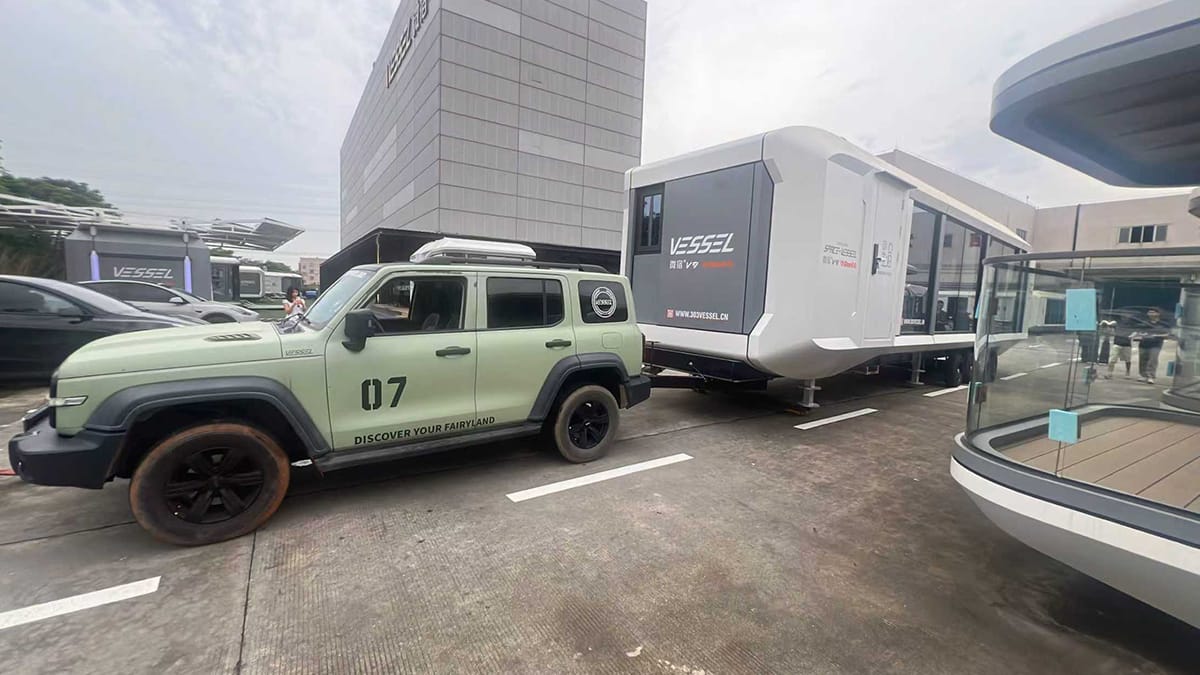
You want your trailer home to be easy to move. Most trailer homes on wheels weigh less than regular mobile homes. You can tow them with a normal truck or SUV. Designers make these homes light and simple to set up. This helps you travel without worry and fits an adventure lifestyle.
Here’s a chart showing average towing weights for popular models:
Camper Type | Average Weight (lbs) |
|---|---|
Teardrop campers | 500 – 3,200 |
Pop-up campers | 2,300 |
Travel trailers | 1,200 – 9,000 |
Fifth wheel campers | 12,700 |
Toy haulers | 3,600 – 11,400 |
Travel trailers and teardrop campers are much lighter than fifth wheel campers. Lighter trailers use less fuel and give you more choices for towing. These homes are made for moving, not staying in one place. You can set up almost anywhere and move quickly.
Some things that make towing easier are:
Frames and materials that are light
Small designs for better driving
Simple hitch systems
Stabilizers built in for safe travel
Easy towing is a key part of Trailer Home On Wheels Key characteristics. You get the freedom to go to new places whenever you want.
Solar Power & Water Systems
Living off the grid feels fun and free. Many trailer homes use solar-powered generators for energy. Solar panels help you save money and keep your lights on during power outages. Some trailers have inverter systems so you can use appliances and charge devices anywhere.
Common off-grid power solutions include:
Solar-powered generators for steady energy
Battery banks to store power for nighttime
Mobile power setups for faraway places
Water systems are important, too. Clean water matters if you camp far from cities. Rainwater collection lets you gather water easily. Filtration systems clean water from lakes or streams, so you do not need city water.
Off-grid water solutions:
Rainwater collection systems for clean water
Filtration systems to clean natural water
Storage tanks for easy water access
Safety and quality are important. RVIA and NOAH certifications check your trailer home for electrical, plumbing, and fire safety. RVIA inspects many homes each year, and certified trailers show a seal. NOAH adds extra building rules for DIY builders and small makers.
Tip: Always look for certification seals before you buy a trailer home. Certified homes help keep you safe and make travel easier.
Personalization & Style
 Custom Decor
 Custom Decor
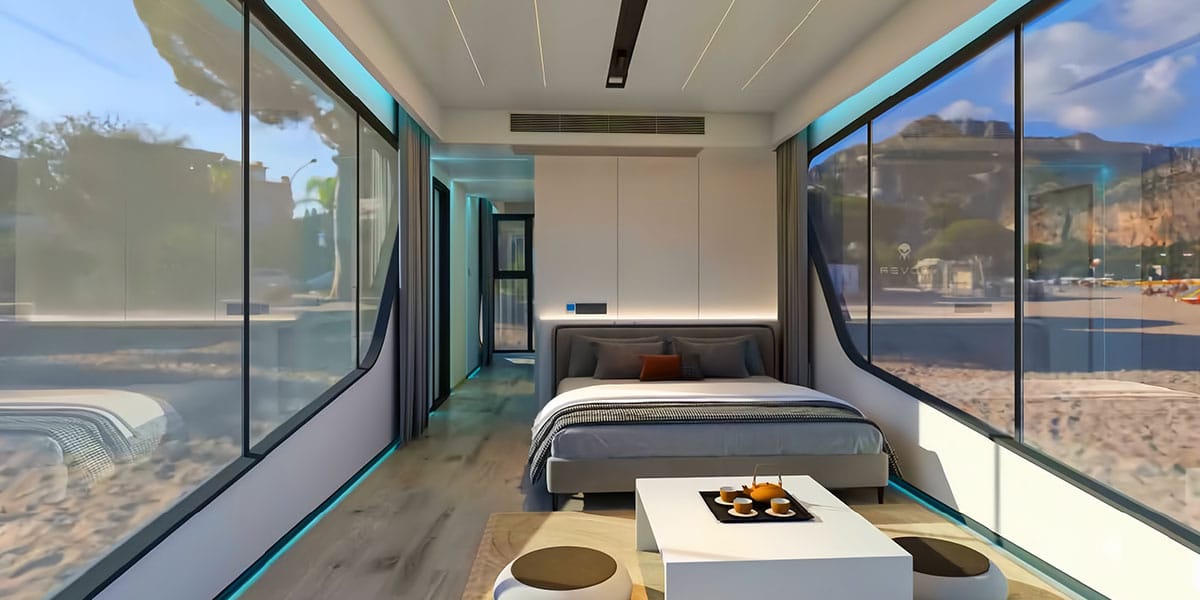
You get to make your trailer home feel like your own. Custom decor choices help you create a space that feels warm and inviting. You can use soft textiles, like throw pillows and blankets, to add layers of comfort. Lighter, neutral colors make your home feel open and calm. Houseplants bring in a touch of nature and help you relax. You can hang up removable wallpaper to show off your style. Feature walls let you change the look whenever you want.
Many people like to add black and gold hardware or matte finishes to their cabinets and doors. These small touches make your space look modern and fresh. You can set up a dedicated workspace or a mini gym. This helps you separate work from home life and stay focused. Innovative storage solutions keep your things organized and your home clutter-free.
Add throw pillows and blankets for extra warmth.
Use light colors to make rooms feel bigger.
Place houseplants for a peaceful vibe.
Try removable wallpaper for easy style changes.
Pick hardware and finishes that match your taste.
Create spaces for work or exercise.
Tip: Personalizing your trailer home can boost your mood and make every day feel special.
Lighting & Ambiance
Lighting changes how your trailer home feels. Large windows and skylights let in natural light, making your space look bigger and brighter. Mirrors reflect light and help rooms feel more open. You can use LED lights to save energy and keep your home bright at night. LED bulbs last a long time and use less power than regular bulbs.
OLED panels give off soft, gentle light. They work well with the 12 V systems in most trailers. You can adjust your lights to fit your mood. Track lights help you see better when you cook or read. Statement light fixtures add style and make your home stand out.
Use LED lighting for energy savings.
Try OLED panels for soft, eye-friendly light.
Add mirrors to reflect light and open up spaces.
Choose adjustable lights for different activities.
Pick statement fixtures to show your personality.
Owners say natural light makes their homes feel bigger and more cheerful. You can create a starry-night effect for relaxing evenings. Good lighting helps you enjoy every part of your trailer home.
You get a cozy home by using space wisely. Comfort and easy moving are important too. Every bit of space is used in smart ways. You see clever layouts and furniture that save room. This helps you live with less stuff and more freedom. You can save money and have more choices. Off-grid things like solar panels and water systems help you live in a green way. Here is how moving and technology make life better:
Aspect | How It Helps You Live Better |
|---|---|
Sustainability | Solar panels and water filters cut costs |
Mobility | You travel and explore new places easily |
Technology | Mobile hotspots keep you connected |
Adding your own style makes your trailer feel special. When you use these main ideas, your home is warm and useful. It fits your life and needs.
FAQ
How much does a trailer home on wheels usually cost?
You can find trailer homes on wheels for $20,000 to $100,000. Prices depend on size, features, and custom options. Used models often cost less. Always check for hidden fees like delivery or setup.
Can you live in a trailer home year-round?
Yes, you can live in a trailer home all year. Good insulation and climate control help you stay comfortable in every season. Many owners add skirting and weatherproofing for extra protection.
What kind of vehicle do you need to tow a trailer home?
You need a truck or SUV with enough towing capacity. Check your trailer’s weight and match it to your vehicle’s rating. Lighter models work with midsize SUVs. Heavier homes need full-size trucks.
How do you personalize your trailer home?
You can add custom decor, change hardware, and use removable wallpaper. Try houseplants, cozy textiles, and creative lighting. Personal touches make your space feel unique and inviting.