


07 Aug Capsule House Everything You Need to Know
Table of Contents
A capsule house gives you a small and useful place to live. It is often made with strong stuff and smart design. Many people pick capsule homes because they are cheaper. They also help you use less and be kinder to the earth. You can move or put these capsule homes almost anywhere. This makes them good for different needs. More people want capsule living now. The market was about $1.85 billion in 2022. It could get twice as big by 2030. Capsule homes are good for people who want simple, cheap, and easy-to-move homes.
Key Takeaways
Capsule houses give you small and smart places to live. They are cheap and help save money and energy. They are also good for the environment. These homes use strong materials and smart designs. This helps make the most of space, comfort, and safety in a small area. Prefab capsule houses are fast to build and easy to move. They have built-in utilities and smart home features. The price depends on size and features. Capsule homes usually cost less than regular houses. They also need less care. Before you buy, check local zoning laws and permits. Make sure your capsule house meets all rules and needs.
Capsule House Basics
What Is a Capsule House
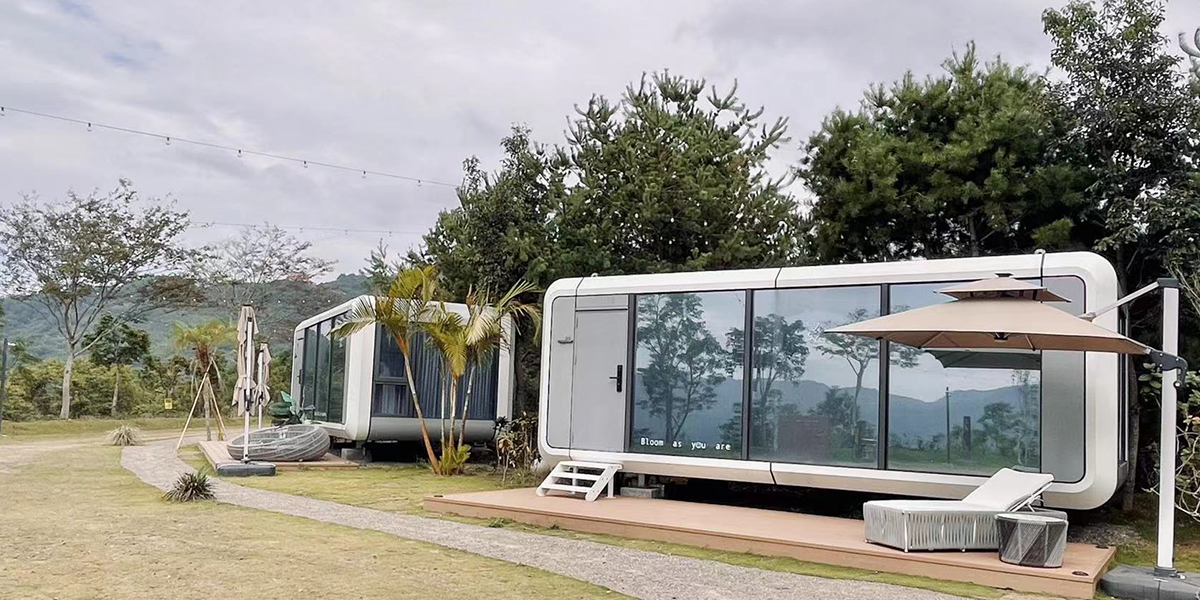
You might have heard about capsule houses or space capsule houses. These homes are small, smart, and use space well. A capsule house is a tiny home that looks like a space pod. Most models are between 50 and 400 square feet. You get all you need in one small area. The design is simple and good for the planet. Most capsule homes have built-in insulation, lights, climate control, and smart tech. The idea started with a Japanese architect named Kisho Kurokawa in the 1970s. He wanted to help people live in cities with little space.
A capsule house has a bed, storage, and a bathroom inside a pod. You can use smart systems to control many things. These homes are great in cities where land costs a lot. You get a full home in a small space. Many people pick prefab capsule houses because they are easy to move and set up. You can use a prefab capsule house as your main home, a guest house, or an office.
How Capsule Homes Work
A space capsule house uses strong, modern materials. The frame is often made of steel. Aluminum panels cover the outside. These make the capsule light, strong, and easy to clean. Inside, you may see fiberglass and composite panels. These help keep the home warm or cool. Magnesium oxide wall boards are used for the walls. They stop fire, water, and mold. They also help with heating and cooling.
Prefab capsule house units are made in a factory. Workers build the parts somewhere else and bring them to your land. This way, you get better quality and faster setup. When the prefab capsule house arrives, workers put it together fast. You do not have to wait months like with regular homes.
A space capsule house comes with built-in utilities. You get wiring, plumbing, and climate control. Many capsule homes use wall AC units or hidden vents. The insulation keeps you warm in winter and cool in summer. Some models use solar panels or wind turbines for power. You can also find water-saving fixtures and rainwater systems. Smart home tech lets you control lights, temperature, and security from your phone.
Tip: A space capsule house can help lower your energy bills. The insulation and smart systems save money and keep you comfy.
Space Capsule House Design
Designers make space capsule house models to use every inch. You will see smart storage, fold-away furniture, and hidden shelves. The goal is to make the small space feel bigger. Many prefab capsule house designs skip long hallways. You get a living area, kitchen, bathroom, and sometimes a balcony in one small unit.
Here is a table that shows some common space capsule house sizes and features:
Model Series | Model Names | Dimensions (L x W x H) in feet | Square Footage | Occupants | Typical Floor Plan Features |
|---|---|---|---|---|---|
E-Series | E15, E25, E30, E40, E40S | 18.4 to 37.7 x 10.8 x 10.8 | 200 to 408 ft² | 1 to 4 | Studio with full bath, king/double rooms, kitchen, living area, bathroom with tub, washer included |
T-Series | T30, T30F, T40, T40F, T40P, T40PF | 27.9 to 37.7 x 10.8 x 10.8 | 302 to 408 ft² | 1 to 4 | King/double rooms, full bathrooms, balconies, kitchens, living/dining areas |
You can find space capsule house models for one person or a small family. Some have one bedroom and a bathroom. Others add a kitchen or living room. Many prefab capsule house designs have big windows. Some even have views all around. You can put a space capsule house on a mountain, in a forest, or near a beach. The prefab design makes it easy to move and set up almost anywhere.
Popular trends in space capsule house design include:
Modular and prefab building for quick setup and shipping.
Double-deck and single-deck choices with big windows.
Eco-friendly materials like wood-alu-clad for warmth and strength.
Smart prefab tech for saving energy and comfort.
Custom options for your needs.
All-terrain setup for different places.
Use in resorts, campsites, backyards, or as prefab homes for travel.
A space capsule house uses smart tech to control lights, temperature, and security. Furniture folds away or hides storage to make the space feel bigger. The prefab and modular design lets you move or change your home if you need to. You get a modern living space that fits your life.
Note: Space capsule house designs focus on being green, easy to move, and affordable. You can have a modern home that is easy to move and good for the earth.
Features and Benefits
 Space Efficiency
 Space Efficiency
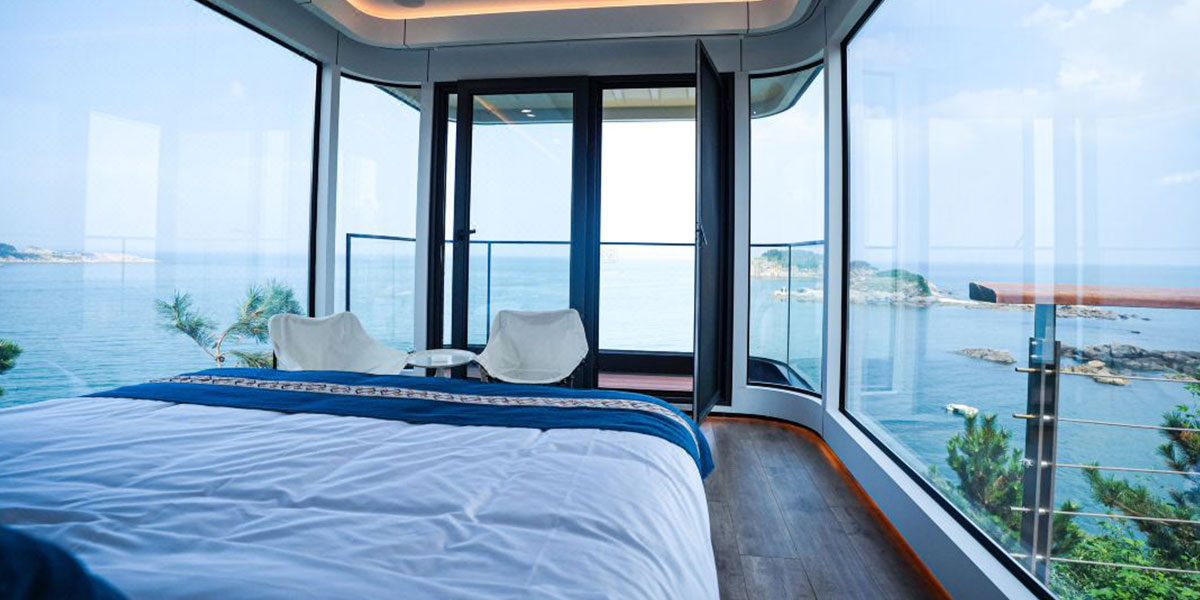
Capsule homes use space in clever ways. You get a lot from a small area. Designers want small rooms to feel bigger. Capsule houses often have storage built into the walls or under beds. Furniture can fold up or hide away. This helps keep your home neat and open.
Here is a table that shows how big capsule homes are compared to other small apartments:
Type of Apartment | Average Square Footage (sq ft) | Description/Notes |
|---|---|---|
Nakagin Capsule | ~107 | Self-contained capsule with window, office, living room |
Micro Apartment | ~95 | Includes desk, living area, kitchen, bathroom |
Coffin Apartment | 32 to 40 | Very small, no windows, shared facilities |
Capsule homes are smaller than micro apartments but bigger than coffin apartments. Some family capsules connect pods to give you more space.
Prefab capsule house models help you use space well with these features:
Cabinets that pull out and secret spots in walls or furniture.
Storage cubes you can stack and shelves you can move.
Furniture that does more than one thing, like beds that turn into sofas or tables that fold.
Shelves on the wall and beds up high to use space above.
A simple design means you only keep what you need. Less stuff makes your home feel larger and calm.
Sustainability
Capsule homes are good for the planet. When you pick a prefab capsule house, you help the earth. These homes use materials like steel and aluminum. These last a long time and can be used again. Many prefab homes have special insulation to keep heat in during winter and out in summer.
Many capsule homes have solar panels. You can save a lot on your energy bills. The tight design and smart thermostats help you use less power. Some homes use rainwater and save water with special fixtures. This makes your home better for the environment.
Prefab building means less waste. Factories make the parts carefully, so there is not much leftover. Living in a space capsule house helps lower your carbon footprint.
Tip: Pick a prefab home with solar panels and smart systems. You will save money and help the earth.
Durability and Safety
You want your home to be strong and safe. Capsule homes use tough materials like aviation-grade aluminum and special steel. These help your home last more than 50 years. The outside and inside walls are made to stop fires. They also meet high safety rules.
Prefab capsule homes are made to stand up to storms and earthquakes. Here are some ways they stay safe:
Steel frames and aluminum panels make the home strong and take in shocks.
Insulated panels keep your home warm and safe.
Strong walls and solid bases help in earthquakes.
Special steel plates make the frame shock-proof.
Good building and strong materials protect you from storms.
Capsule homes can handle very strong winds and big earthquakes. You can feel safe knowing your prefab home is built to last.
Smart Home Integration
Modern capsule homes use smart tech to make life simple. You can control lights, heat, and locks with your phone or voice. Many prefab homes have:
Appliances you can run from one app.
Trackers for energy and water use.
Locks that use fingerprints.
Sensors that check the air.
Smart systems help you save energy. The home can change heat, cool, and lights when you are home or away. You can set up routines and control things from far away. Voice helpers make it easy to use your home.
A simple and prefab design with smart tech gives you comfort and saves time and money. You get a home that fits your life.
Note: Smart capsule homes do more than save space. They help you live safer, greener, and better.
Costs and Buying
Capsule House for Sale
You can buy a capsule house from many prefab builders in the U.S. These companies have capsule homes in many sizes and styles. When you shop, you will see E-Series and T-Series models. Each prefab capsule house for sale has things like insulation, smart tech, and energy-saving systems. Most capsule homes for sale include delivery, insurance, and taxes to your closest port. This helps you know the real price when you buy a capsule house.
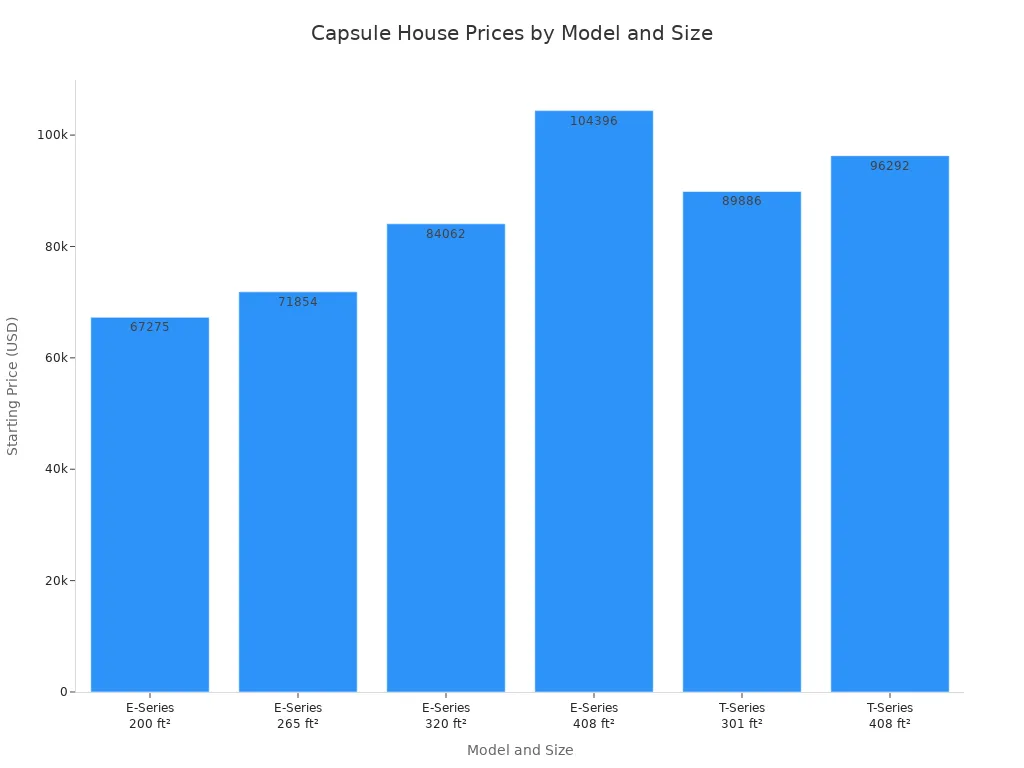
Here is a table with starting prices for popular prefab capsule house for sale models:
Series | Size (ft²) | Starting Price (USD) |
|---|---|---|
E-Series | 200 | $67,275 |
E-Series | 265 | $71,854 |
E-Series | 320 | $84,062 |
E-Series | 408 | $104,396 |
T-Series | 301 | $89,886 |
T-Series | 408 | $96,292 |
Price Range and Budgeting
The price of a capsule house depends on size, design, and where you put it. Prefab capsule homes usually cost $100 to $200 per square foot. Custom prefab capsule house for sale models can cost $200 to $350 per square foot. The price also changes with materials, smart features, and appliances. Land and permits cost more in cities than in the country. When you plan your budget, remember to add land, permits, and utility hookups.
Main things that change the price of a prefab capsule house for sale:
Smart home systems and custom features
Land and location
Utility setup and appliances
Zoning laws and permits
Prefab capsule homes save money by using modular building and less labor. You can spend less if you pick a standard prefab capsule house for sale model.
Installation and Setup
Prefab capsule house for sale units are simple to set up. You do not need a big foundation. Adjustable foot pads let you put the capsule on gravel or dirt. Cranes move the prefab capsule house for sale into place. After it is set, workers hook up water, sewer, and power. Most prefab capsule homes have systems already inside, so setup is quick.
Steps to install a prefab capsule house for sale:
Get the site and foundation ready.
Check the ground to make sure it is safe and flat.
Plan delivery and where the crane will go.
Put the prefab capsule house for sale together at your site.
Hook up utilities and test everything.
Do final checks and add stairs if you need them.
Tip: Always get the right permits before you install a prefab capsule house for sale. Check your local rules so you do not have problems.
Legal and Practical Issues
Zoning and Permits
If you want to put a prefab capsule house somewhere, you must follow local rules. Zoning laws tell you where you can place your capsule. These laws split land into different groups like homes, businesses, or farms. Most places have rules about how big your lot must be. They also say how far your house must be from the edge. Some places even have a rule for the smallest home size. Some states want your capsule house to be at least 500 square feet. But prefab capsule houses are often smaller than that. You might need more permits if your land is near water or wetlands.
Here is a table that shows how some states handle zoning and permits for prefab capsule homes:
State | Zoning Notes | Permit Requirements |
|---|---|---|
Maryland | No minimum size, but lot size rules apply | Detailed plans, municipal water/sewer |
Washington | Dome/capsule as manufactured home | Local design, utility standards |
Massachusetts | Strict codes, urban areas toughest | Engineering docs, solar allowed |
Alaska | Minimum size may apply, rural more flexible | Permits for >120 sq ft, off-grid allowed |
New York | Minimum size often required | Inspections, rural zones more flexible |
Note: Always check your local rules before you buy or set up a prefab capsule house. Rural and farm areas usually let you do more.
Maintenance
Prefab capsule homes need regular care to stay safe and nice. You should clean inside and outside often to stop dirt and bugs. Every year, look at the roof, windows, and doors for any damage. Change HVAC filters every three months and clean the air ducts. Seal windows and doors, fix roof tiles, and clean gutters to stop leaks. Test smoke alarms and other safety devices often. Smart home tech can help you remember when to do these jobs.
Here are the most common jobs for keeping a prefab capsule house in good shape:
Clean floors, counters, and windows.
Check for leaks or cracks.
Take care of HVAC systems.
Clean and care for metal panels.
Use pest control if you see bugs.
Call experts for big repairs.
Prefab capsule homes cost less to take care of than regular houses. This is because they are smaller and have a simple design.
Lifespan and Durability
A prefab capsule house can last 30 to 50 years or more if you take care of it. Builders use strong materials like galvanized steel and aviation-grade aluminum. These materials do not rust easily and can handle fire and storms. Good insulation and special paint help protect your capsule from bad weather. How long your capsule lasts depends on the materials, how often you clean and fix things, and if the design works for your area.
Here are some things that help your prefab capsule last longer:
Regular cleaning and fixing
Smart design for your weather
Tip: If you keep up with cleaning and use good prefab materials, your capsule house can last as long as a regular home.
Live in a Capsule House
Daily Life
 Daily Life
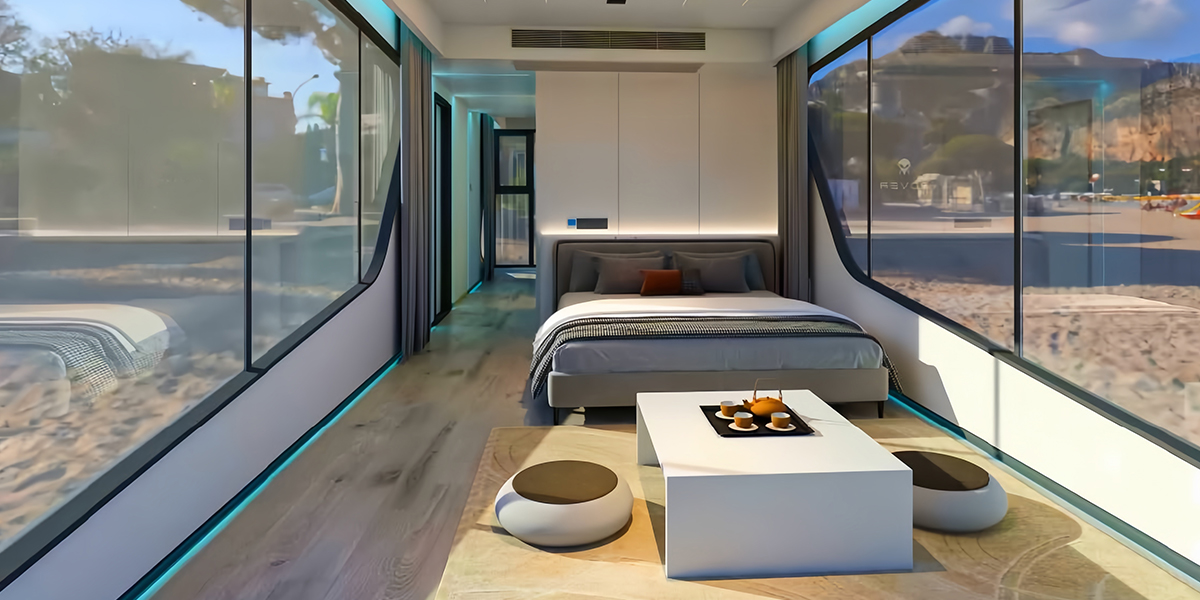
When you live in a capsule house, you notice how every inch matters. You use smart storage and fold-away furniture to keep things tidy. You may find daily life easy if you like simple routines and do not need much space. Cooking, sleeping, and relaxing all happen in one area. You save time on cleaning because the space is small.
Privacy can feel limited, especially if you share the space. Thin walls and open layouts mean you hear more sounds from others. Comfort depends on how well the capsule keeps heat and cool air inside. Smart design and energy-saving features help, but you may feel cramped if you are used to bigger homes. Traditional houses give you more room and private areas for each person. They also let you change the layout to fit your needs, but they cost more to keep comfortable.
Tip: If you value a simple lifestyle and do not mind close quarters, you may enjoy the comfort and savings of capsule homes.
Pros and Cons
Advantages of capsule homes:
You can move your home to new places.
You spend less money on buying and running your home.
You help the planet by using less energy and fewer materials.
You use smart tech to control your home.
You make the most of small spaces, which is great in cities.
Disadvantages of capsule homes:
You have less space for your things and activities.
Privacy is harder to get, and noise travels easily.
Some places have strict rules about where you can put your capsule.
You cannot change the layout much.
You may feel less comfortable if you like big rooms.
Who Should Consider Capsule Homes
Capsule homes work best for people who want simple, flexible living. You may like them if you are a young professional, a millennial, or someone who moves often for work. These homes fit well if you want to live in a city but need to save money. Eco-conscious people also choose capsule homes because they use green materials and save energy. If you need fast or temporary housing, the modular design helps you set up quickly. Small homes like these may not suit large families, but they are perfect for those who value freedom, savings, and a smaller footprint.
A capsule house gives you a smart way to live with less. You save money and energy with capsule homes, but you may have less space and privacy. If you want a simple life or need a flexible home, capsule homes could fit your needs. Start by looking at local rules and your budget. You can talk to builders or visit a capsule to learn more.
Remember to check if a capsule house matches your lifestyle and local laws before you buy.
FAQ
What is the average delivery time for a capsule house?
You usually get your capsule house in 2 to 4 months after you order. The time depends on the builder, your location, and how custom your design is. Ask your builder for a clear timeline.
Can you live in a capsule house year-round?
Yes, you can live in a capsule house all year. Good insulation and climate control keep you warm in winter and cool in summer. Make sure your model has the right features for your local weather.
Do capsule houses come with furniture?
Most capsule houses include built-in furniture like beds, shelves, and tables. Some models offer extra options. You can also add your own furniture if you want more comfort or style.
How do you connect utilities to a capsule house?
Workers connect water, power, and sewer lines during setup. Many capsule homes have hookups ready. You may need a plumber or electrician to finish the job. Always check local rules before you start.
Can you move a capsule house to a new location?
Yes, you can move most capsule houses. The modular design lets you lift and transport the unit. You need a truck and sometimes a crane. Moving costs depend on distance and site access.