


14 Aug Capsule Houses and the Evolution of Minimalist Living
Table of Contents
You notice why capsule houses are popular when you want a home that matches your modern life. Capsule houses have a small design that uses every bit of space. These homes help with problems like high prices and crowded cities. They give up to 30% more living units in the same area and cost 30-50% less than regular homes. You get a space that can change with modular layouts and green living features, like eco-friendly materials and energy-saving systems. Capsule houses are good for people who want small, smart, and modern homes.
Key Takeaways
Capsule houses use space in a smart way. They give you small but cozy homes. These homes help you save money and energy. They are made in factories with strong and green materials. You can move or change them easily. Capsule houses help you live with only what you need. They make it easy to live simply. They have smart technology and green features like solar panels. These things make life easier and help the planet. Capsule houses do not cost a lot. They are easy to use in different ways. More people like them now for city living and emergencies.
Capsule Houses Overview
What Are Capsule Houses
You may ask how capsule houses are not like other small homes. Capsule houses are tiny pods made in factories. They use light materials like aerospace aluminum and galvanized steel. These homes are special for many reasons:
They cost less because factories make them fast with fewer workers. This makes building and fixing them cheaper.
You can move them easily and set them up in new places.
They save energy because they are small and have good insulation. They use less power for heat, cool, and lights.
You can change the inside to fit your needs. They have modern designs and smart home features.
They help the planet by using green materials and systems like solar panels and rainwater collection.
They are made for minimalist living. This helps you keep less stuff and focus on what is important.
Capsule houses often have smart technology. They use energy-saving appliances and home controls. The pod shape feels cozy and fits in with nature. They do not look like boxy container homes. You can put them together fast and move in right away. This makes them a good choice for people who want easy and smart homes.
Minimalist Living Roots
Capsule houses show the main ideas of minimalist living. They have open floor plans with few walls. This lets in more sunlight and makes the space feel bigger. Many capsule houses use furniture that does more than one thing. For example, sofa beds and foldable tables save space. They also use vertical storage and modular layouts to keep things neat.
The design uses clean lines and soft colors. This makes the space calm and simple. You only keep what you need, and every item has a use. This helps you live with purpose and waste less. It also makes your home more peaceful. Capsule houses prove you do not need a lot of space or stuff to live well.
History and Evolution
Early Capsule House Concepts
Capsule houses started with big ideas in the 1960s and 1970s. Architects wanted to help with crowded cities and new ways of living. They made homes that could move or change as people needed. The table below lists some early examples:
Example Name | Architect/Designer | Year | Description |
|---|---|---|---|
Nagakin Capsule Tower | Kisho Kurokawa | 1972 | A tower in Japan with 140 small, ready-made capsules. Each capsule could be removed or replaced and had everything needed inside. This was one of the first micro-apartments. |
Oriental Masonic Gardens | Paul Rudolph | 1960s | A housing project in New Haven, CT, with ready-made units around a center. It did not work well because of some problems. |
Capsule Houses on Pylons | Guy Dessauges | 1960s | French architect made capsule houses on tall poles. They gave great views and were part of early modular home ideas. |
Habitat 67 | Moshe Safdie | 1967 | A big building in Montreal with 354 concrete apartments. The apartments were stacked in different ways to let in light and air. |
Metabolist Movement | Various (Japan) | 1960s-70s | This group of architects wanted homes that could be changed or swapped out. Their ideas helped make capsule houses, like the Nagakin Capsule Tower. |
These early capsule house projects were about being flexible and easy to move. Kisho Kurokawa showed that homes could be like capsules you can move or swap. These ideas helped start the first capsule houses usa and changed how people think about small, smart homes.
Modern Living Trends
Now, capsule houses have changed to fit busy city life. Capsule houses usa use new materials and smart designs. These homes help you save space, money, and energy. They are also better for the planet. Here are some ways modern trends shape capsule house design:
Capsule houses began in Japan to fix land and crowding problems.
They changed from simple shelters to homes with many uses and green features.
Every capsule house has furniture that saves space and smart storage.
Solar panels, rainwater systems, and good insulation make these homes eco-friendly.
Capsule houses usa cost less than normal homes, so more people can buy them.
These homes help with city problems like high prices and not enough space.
Governments and city leaders now support capsule houses usa with new rules and programs. This lets more people try this way of living. Capsule houses are now flexible, affordable, and good for the earth. You can expect capsule houses usa to become even more popular as people want smart, simple homes.
Key Features
 Space Efficiency
 Space Efficiency
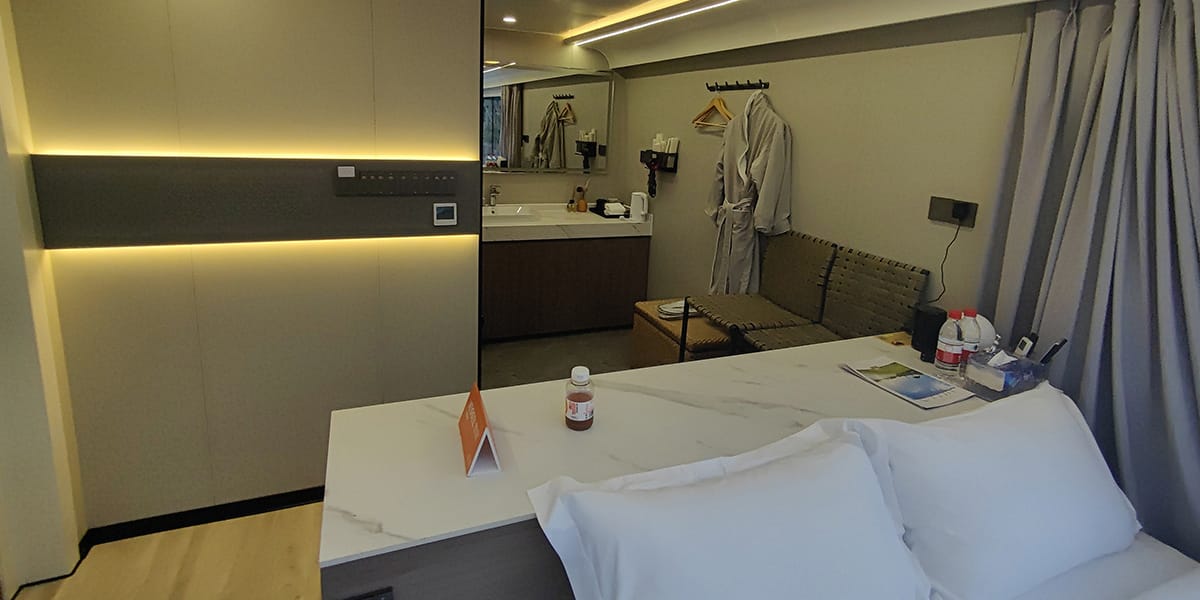
Capsule houses use every bit of space well. Designers find smart ways to make small rooms feel comfy. Here are some ways they save space: Loft beds and built-in storage use tall spaces, so you have more floor room. Furniture like folding tables and sofa beds can change to fit what you need. Open layouts take away extra walls, so more light and air come in. Living spaces often mix the kitchen, dining, and work areas. They use shelves and hidden spots to store things. Smart home tech, like special lights and temperature controls, helps you use your space better. These homes feel bigger than they look. These ideas help you keep things neat and tidy. You get a cozy home that works for your life.
Modularity
Capsule houses use modular assembly for more choices. You can pick different styles, layouts, and finishes. Factories build these homes, so they are fast and save money. Here is how modularity helps: You can change your home by picking what you want. The small size makes shipping cheaper and moving easy. Modular assembly lets you set up or add rooms fast. You can move your home if you want a new place. Strong materials like aluminum alloy and steel help your home last.
Tip: You can start with a small modular capsule house and add more later. Your home can change as your needs do.
This means your home always fits your life. You do not have to pick a home that does not work for you.
Sustainable Design
Capsule houses are great for the planet. Builders use green materials and smart tech to help nature. The table below shows some materials and why they are good:
Material Type | Key Eco-Friendly Properties | Environmental Impact and Benefits |
|---|---|---|
Magnesium Wall Boards | Made from recyclable magnesium oxide and sulfate; fire, mold, and moisture resistant; durable | Cleaner production; improves energy efficiency by up to 20%; reduces CO2 emissions; supports indoor air quality |
Insulated Panels (with PCMs) | Store and release heat for thermal regulation | Saves up to 34% energy in hot climates; lowers carbon emissions; reduces need for heating/cooling |
Polyurethane Foam + FRP | Strong insulation; flexible and rust-resistant | Reduces material waste; saves energy; long-lasting walls; less maintenance |
Aluminum Veneer and Steel | Rust and fire resistant; strong support | Durable; low maintenance; reduces resource use over time |
Many capsule houses have solar panels. These panels can make up to 880 watts of power. Some homes use wind turbines for more energy. A battery stores up to 9.6 kWh, so you have power when you need it. The outside shell and thick walls keep heat or cool air inside. Rain and dew systems clean water for you to use every day. Solar panels and wind turbines give you clean energy and help the earth. Water recycling saves water and cuts waste. Using recycled materials makes your home better for the planet. The design saves energy and uses fewer resources. You get a home that is good for you and nature. These features make capsule houses a smart pick for green living.
Smart Technology
Smart technology makes your capsule house modern and easy to use. You can control lights, heat, and locks with your phone or voice. Here are some smart features: AI scene management changes lights and temperature for you. Voice control lets you talk to your home. Smart locks keep you safe and make it easy to get in. One system controls lights, curtains, and appliances. Energy systems save power by changing heat, cool, and lights. Electric curtains and special sockets add comfort and style. Fire smoke alarms warn you if there is danger. You can set your home to match your daily habits. Smart home tools make life simple and save time. You can cook, relax, and enjoy your home with just a few taps or words.
Note: Smart tech in capsule houses helps you live simply. You get more comfort and control with less mess.
These features help you make a space that feels safe and just right for you. You can enjoy a modern life in a small, smart home.
Benefits of Capsule Houses
Cost-Effectiveness
 Cost-Effectiveness
You spend less money when you pick a capsule house. These homes cost much less than regular houses. Most capsule houses cost between $30,000 and $100,000. Prefab models are usually $30,000 to $60,000. Custom designs can go up to $100,000. Regular homes often cost more than $150,000. Capsule houses are smaller and use fewer materials. They are built faster, so they are a smart choice if you want to save money.
Type of House | Average Cost Range |
|---|---|
Capsule Houses | $30,000 – $100,000 |
Traditional Homes | Over $150,000 |
You also pay less for repairs and care. Capsule houses use strong materials that do not need much work. You might need to store extra things somewhere else, but you still save money.
Flexibility
Capsule houses let you change your home when you want. You can add or take away modules as your needs change. This design lets you make your home bigger or move it to a new spot. You can stack or move parts to fit your family or life. Many people like this because it makes moving easy and fits a busy life.
You can add new modules to make your home bigger.
You can move your home to a new place fast.
You can change your home if your family or job changes.
This makes capsule houses a good choice for people who want options.
Tiny Living Advantages
Living in a small capsule house has many good points. You feel less stress and more happy each day. You focus on doing things, not buying things. Many people say tiny living helps them feel in control. You get a simple, neat space that fits your life.
You have more freedom and can move easily.
You spend less time cleaning your home.
You care more about what you do than what you own.
You feel more focused and calm every day.
Tiny capsule houses help you live a happier and simpler life.
Energy Savings
Capsule houses help you use less energy in many ways.
Solar panels make power and lower your bills.
Energy-saving appliances use less power and water.
Smart tech, like special lights and thermostats, helps you save energy.
Green materials, like recycled steel, use less energy to make.
The small size and simple design lower your utility costs.
You use less energy and help the earth when you live in a capsule house.
Real-World Uses
Urban Capsule Houses
Capsule houses are changing how people live in cities. Tokyo started this with the Nakagin Capsule Tower. This building fit many homes in a small area. In Hong Kong, OPod Tube Housing uses old pipes for new homes. These ideas help cities with space and money problems. Shanghai and Guangzhou use capsule houses in mixed-use buildings. People like living close to work, school, and stores. Capsule houses usa copy these ideas to help city life. They use modular designs and green materials to make cities better.
Vacation and Short-Term
Capsule houses usa are great for vacations and short visits. Owners use models like the HIDULAR T-Series for guests. You can find these homes in cities or nature. Travelers like them for many reasons:
The space is modern and cozy, so it feels special.
Owners can clean and get ready for new guests fast.
You can stay downtown or in a quiet place in the woods.
Many capsule houses usa have eco-friendly features and smart tech.
Glamping sites use capsule houses for comfort and nature together.
Capsule houses usa help owners get guests who want something new and green.
Emergency Housing
Capsule houses usa are important for disaster relief. After storms or earthquakes, people need safe homes fast. Capsule houses can arrive and be set up in hours. Designs like Living Shelter give strong homes with solar power and water collection. They have foldable furniture for more space. These homes keep you safe in bad weather and give privacy. In Turkey, capsule houses made 200 emergency communities in three days. You get a safe place with power, water, and smart sensors. Capsule houses usa make sure you have a safe home during hard times.
Expansion Options
Capsule houses usa let you add more space when you need it. You can stack or join units for your family. Many people use capsule houses for big families or extra guests. You can put a guest house or rental in your yard. The modular design means you do not need big building jobs. You can move or change capsule houses as your needs change. This makes capsule houses usa a smart pick for families and investors.
Design and Innovation
Space Capsule Houses
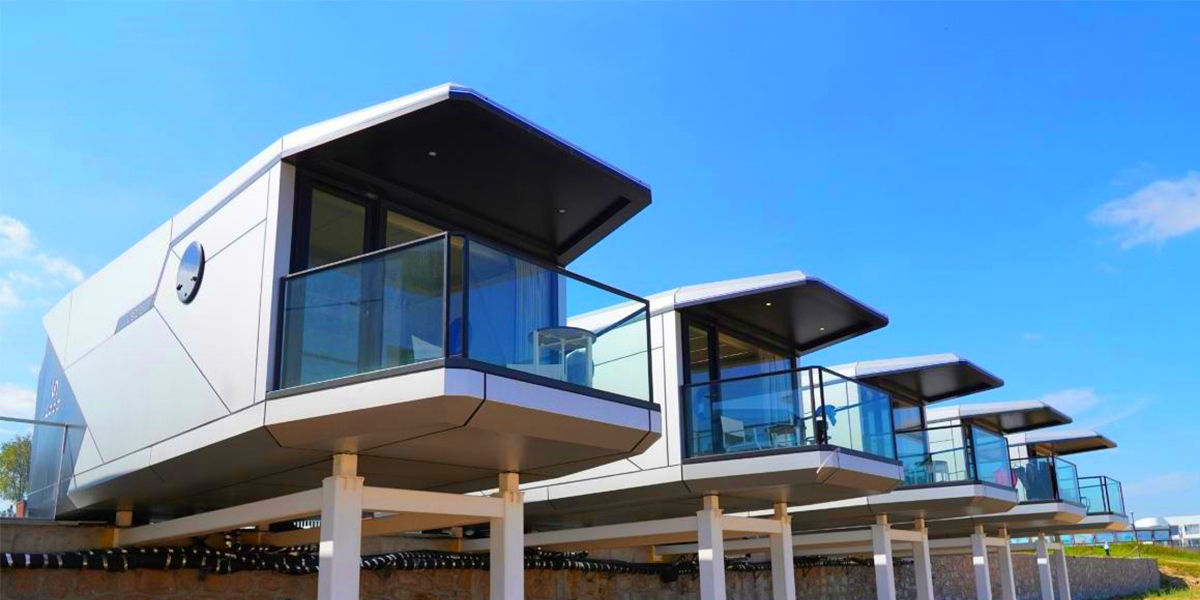
Space capsule houses are leading new ways to build homes. Builders make these homes in pieces at a factory. The pieces are shipped in a container and set up fast. You can have your home ready in just a few days. These homes use wood-aluminum clad materials for warmth and strength. You can put them on mountains, in forests, or on beaches. They do not hurt the land where you place them. You can pick a single or double-deck layout for your home. Inside, there is smart storage and small furniture. You also get smart controls for your home. You can move or add to your house if you need more space. These homes use eco-friendly materials and save energy. They have solar panels and collect rainwater. You get a home that saves money and fits your life.
Tip: You can make your space capsule house special with different finishes, layouts, and smart features.
Panoramic Views
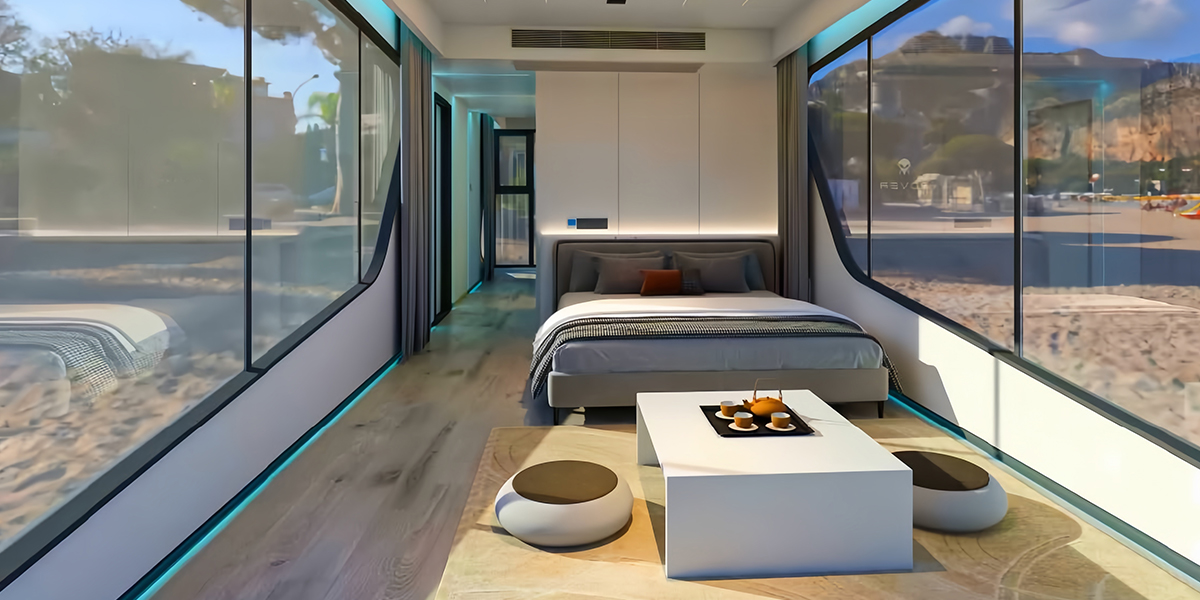
Space capsule houses have big windows for great views. These windows let in lots of sunlight and show off the outdoors. Some models use double tempered hollow low-E glass. This glass keeps your home warm in winter and cool in summer. It also blocks noise and stops UV rays from getting in. You feel safe and comfy inside your home. The SUNJ Capsule House L70 uses big windows to make rooms bright. Some capsule houses have skylights and French windows for wide views. Smart systems help control the light and temperature. Your home feels just right all year. You can see nature and still feel cozy inside.
Sci-Fi Aesthetics
Space capsule houses look like they belong in a sci-fi movie. They have smooth, round shapes and clean white walls. Designers use light materials like aluminum alloy and steel. This makes the homes strong and easy to move. Inside, you find smart home systems and folding furniture. Some rooms have starry ceilings and special lights. These make you feel like you are in space. The ONCO Capsule House uses strip lights and screens for a cool look. Some windows can change tint for privacy. These designs are popular with young people and sci-fi fans. Space capsule houses can be eco-resorts, offices, or city homes. You get a home that is stylish, flexible, and ready for the future.
Challenges and Solutions
Space Limits
 Space Limits
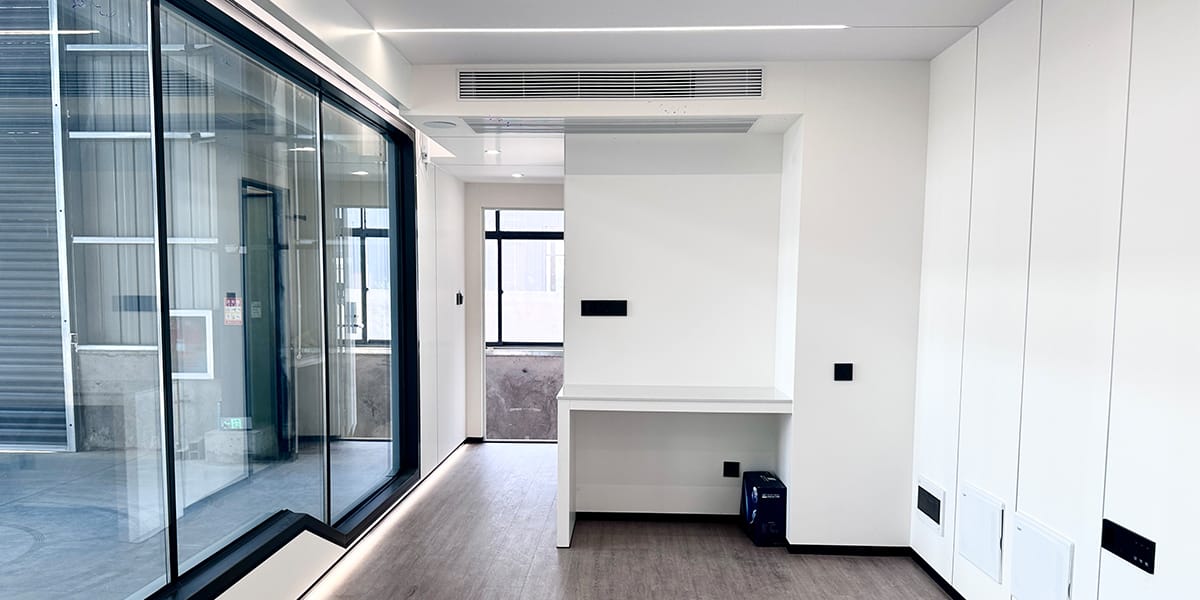
Living in a small space can be hard at first. Capsule houses use smart designs to help you feel good. Designers add loft beds, folding tables, and built-in storage. You will see hidden shelves and furniture that does more than one thing. Open floor plans let in more light and air, so rooms seem bigger. You learn to keep only what you need, which helps you stay neat. Living with less can make you feel free and help you focus on what matters.
Privacy Concerns
Privacy matters, even in small homes. Capsule house designs give you choices for privacy.
You get your own small kitchen and bathroom in a capsule flat.
Capsule flats have more features and let you change your space.
The modular design lets you make a private living area.
Capsule lodgings have shared bathrooms and spaces, so they work best for short visits but have less privacy.
You can pick a capsule house style that matches how you want to live.
Zoning and Regulations
Rules can make it tough to build or live in a capsule house. Local laws may limit the size, height, or where you put your home. Some places have strict rules for plumbing, electricity, and insulation. Getting approval can take a long time and cost more money. These rules can slow your plans and make capsule houses cost more.
Some cities limit how many small homes you can have in one area.
Parking, how many homes, and old building rules can add steps.
In Asia-Pacific, cities like Tokyo and Shanghai use capsule houses more.
North America and Europe are making new rules to help people build.
Some cities now allow more small homes and faster permits.
You should check local rules before you start and look for places with easy rules.
Comfort Solutions
Capsule houses have many things to keep you comfy. Good insulation sits between strong aluminum-composite walls to keep your home warm or cool. You get modern kitchens, cozy bedrooms, and eco-friendly bathrooms with smart layouts. Many capsule houses use three-part wet areas and outside utility ports for easy use. The modular design lets you set up your home fast without extra work. Strong materials like rust-proof aluminum keep your home safe and easy to care for. These ideas help you enjoy a comfy life, even in a small space.
Tip: Pick a capsule house with nice finishes and smart layouts to make your small home feel big and welcoming.
Capsule houses are making people see modern living in new ways. These homes use space well and are good for the planet. You can change them easily if you need to. Experts think more people will want capsule houses soon. The number of people buying them goes up by 10-15% every year. New technology is making capsule houses even better. Here is how they are different from other tiny homes:
Feature | Capsule Houses | Tiny Houses |
|---|---|---|
Energy Efficiency | Lower | |
Durability | Over 50 years | 20-30 years |
Mobility | Easy to move | Harder to move |
When you pick a capsule house, you help save resources. You also get a home that fits what you want. Capsule houses are leading the way for new homes. They give you a smart and simple way to live. Try these homes and see how easy and smart your life can be.
FAQ
What is the average lifespan of a capsule house?
A capsule house can last more than 50 years. Builders use tough materials like aluminum alloy and steel. If you take care of it, your home will stay safe and nice for a long time.
Can you move a capsule house to a new location?
Most capsule houses can be moved to a new spot. The modular design makes moving simple. You can take the house apart, ship it, and build it again somewhere else.
Are capsule houses safe in bad weather?
Capsule houses have strong walls and sturdy frames. Many can handle heavy rain, strong wind, and snow. Always check the safety rating before buying one.
Tip: Ask the builder if the house meets local weather rules.
How much energy can you save with a capsule house?
You can use up to 65% less energy than a regular home. Good insulation, solar panels, and smart systems help lower your bills.
Use appliances that save energy
Add solar panels to save even more
Can you customize the inside of a capsule house?
You can choose the layout, finishes, and smart features. Many builders let you pick colors, storage, and furniture.
Option | Customizable? |
|---|---|
Layout | ✅ |
Colors | ✅ |
Furniture | ✅ |