


19 Aug The Pros and Cons of Living in a Space Capsule Prefab House in 2025
Table of Contents
You might ask if living in a space capsule prefab house is good for you in 2025. Many people like that these homes cost less, can move, and help the planet. Modular homes are now a bigger part of new buildings, so more people want them. But living in a capsule house can mean you have less room and not much privacy. You should think about the good and bad things based on what you need, what makes you comfortable, and your plans.
Think about if living in a capsule house matches your life before you decide.
Key Takeaways
Space capsule prefab houses are quick to build and not expensive. They are good for the environment and have strong, weatherproof walls and roofs.
These homes use space well with smart layouts and big windows. They have new technology like smart controls and solar panels.
Capsule houses are simple to move and do not need much care. They can last 30 to 50 years if you take care of them.
Small space and little privacy can be hard for families or people who want quiet. Local rules can change where you can put these homes.
Capsule houses are good for singles, couples, or people who like simple living. They are flexible, help save money, and are good for the planet.
What Is a Space Capsule Prefab House?
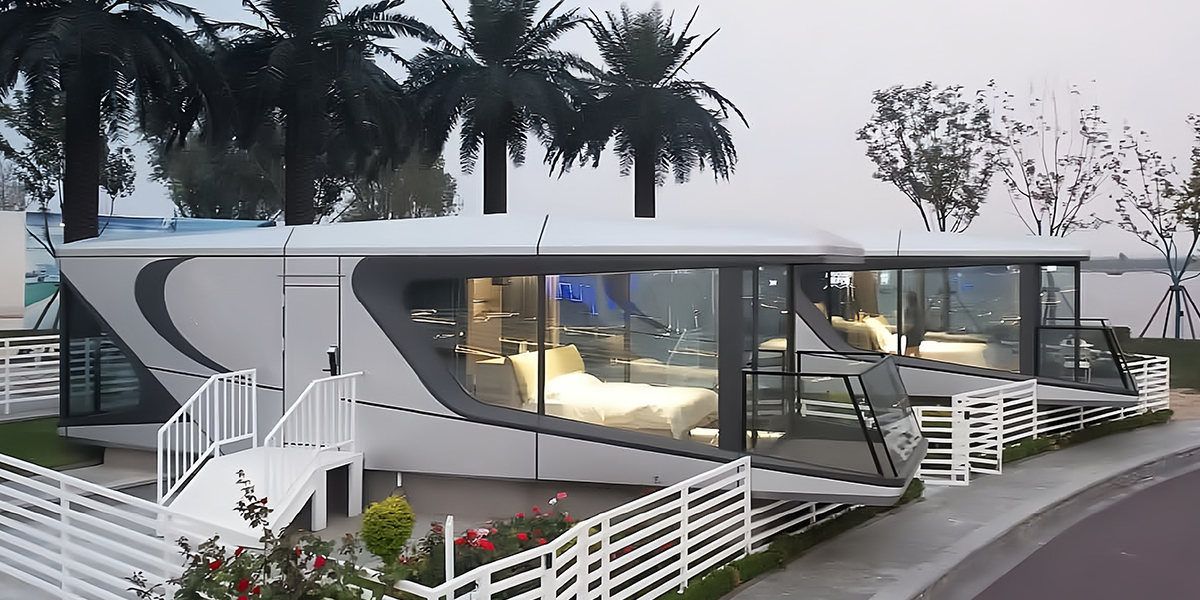
A space capsule prefab house is a modular home that looks futuristic. Capsule houses use modular construction to make strong, small homes. Most parts are built in a factory. Workers bring them to your land and put them together fast. This saves both time and money.
Capsule House Design
Capsule houses look different from normal homes. They often have curved walls and big windows. The style reminds people of science fiction. The main frame is made of steel, so it is strong and lasts long. Aluminum panels cover the outside. This makes the house light and stops rust. Polyurethane foam in the walls and roof keeps the inside warm or cool. Capsule homes usually have open rooms, so you get more space. Many have smart home features like voice controls and electric doors. Some even have smart curtains. You can feel like you are in a hotel with nice furniture and modern bathrooms. The capsule shape gives you privacy and blocks noise and heat.
Capsule houses use green materials like bamboo charcoal fiber wall panels and recyclable aluminum. These choices help the earth and support green living.
Here are some main things you will find in a capsule house:
Modular building for quick setup and easy changes
You can move your home if you want
Strong frames and weatherproof parts keep you safe
Eco-friendly design with good insulation and solar panels
Simple style for people who like less stuff
Prefab Construction
Prefab construction is very important for capsule homes. Most parts are made in a factory using modular ways. Your house comes almost finished. You only need a simple base. A crane can put the house in place in one day. This way uses green materials and makes less waste. Capsule houses often follow strict safety and green rules.
Feature Category | Details |
|---|---|
Main Structure | Steel frame, aluminum outside, foam insulation, big glass, smart entry |
Interior Structure | Bamboo charcoal panels, waterproof floors, smart lights, electric curtains |
Bathroom | Smart toilet, water heater, shower, good fixtures |
Main Equipment | Central air, water heater, bath heater |
Optional Features | Floor heating, pipe antifreeze, projector, fire alarm, star ceiling |
Installation | 99% made in factory, set up fast, simple base |
Customization | You can change the inside and add smart home features |
Capsule houses use modular building for more choices, speed, and saving money. You can pick the layout and features you want. Capsule homes use green materials, so they are good for the planet. With modular building, capsule houses can handle bad weather, last a long time, and give you a comfy, modern home.
Pros of Space Capsule Prefab Houses
There are many good things about living in a capsule house. These homes are made in a factory and brought to your land. This way saves you both time and money. The price for a basic capsule house starts at $3,000. Custom models can cost up to $100,000. You can see the price difference in the table below:
Cost Component | Price Range / Details |
|---|---|
Basic Capsule House Price | $3,000 – $50,000 depending on size and features |
Prefab Capsule House Cost | $100 – $200 per sq. ft. (average $30,000 – $60,000) |
Custom Capsule House Cost | $200 – $350 per sq. ft. (average $60,000 – $100,000) |
Transportation Costs | $1 – $3 per km; e.g., $2,000 – $4,000 per set (import) |
Installation Costs | $500 – $2,000 per set depending on site conditions |
Foundation Construction | $30 – $80 per sq. meter |
Construction Time Advantage | 60% – 80% shorter than traditional housing |
Energy Consumption | 60% – 70% of traditional housing |
Capsule houses are cheaper than most regular homes. You save money because you do not need as many workers. Your house can be ready in just one day. You do not have to wait a long time to move in.
These homes also use less energy. They have triple-layer insulation and bamboo fiberboard. LED lights help save power. You can add solar panels for more savings. These things help lower your bills and are better for the earth. Building a capsule house makes less trash, which is good for the planet.
If you like simple living, capsule houses are a good choice. The small design uses every bit of space. You get smart storage and open rooms. Modern features make life easier. This helps you keep only what you need.
Capsule houses can move if you want a new place. If you get a new job or want a different view, you can take your home with you. The strong steel frame and fire-resistant walls keep you safe. These homes can handle storms, earthquakes, and strong winds. You can feel safe inside.
Taking care of a capsule house is easy. The materials do not rust or get moldy. Bugs do not like them. You will not spend much time or money fixing things. With good care, these homes can last 30 to 50 years or more.
If you want a home that saves money, is easy to move, and is good for the planet, a capsule house has many good points.
Main pros of capsule houses:
Cost-effective and budget-friendly housing
Fast, modular installation (as little as one day)
Efficient space use for minimalist lifestyle
Sustainable and eco-friendly materials
Mobility and easy relocation
Disaster resistance (fire, wind, earthquake)
Low maintenance and long lifespan
Cons of Space Capsule Prefab Houses
There are some problems with living in a capsule house. The biggest problem is the small space. The inside is not very big. It can feel crowded, especially with a family or lots of stuff. Doing things like eating, sleeping, or working might not feel as comfy.
Privacy can also be hard to get. The walls are thin and rooms are open. You might hear more noise from other people. There is not much personal space. If you like quiet or need to focus, this could be tough. Families or people who want privacy may not like it.
Rules and laws can make things slow. Some cities have special rules for modular homes. You need to check the laws and get the right papers. This can take time and might limit where you can put your house.
Capsule houses are best for short stays or simple living. If you want to stay in one place for a long time, you might not be happy. If you need a lot of space, these homes may not work well. The resale value can be lower than regular homes. Some people think modular homes are not worth as much, but this could change as more people care about green living.
Before you pick a capsule house, think about these problems and what you need in a home.
Main cons of capsule houses:
Limited space and comfort for families
Regulatory and zoning challenges for modular homes
Best for short-term or minimalist living, not for everyone
Resale value may lag behind traditional homes
Capsule houses have many good things, but also some bad ones. If you like simple living, moving, and saving money, they could be great. If you need more space, privacy, or want to stay in one place for a long time, you might want something else.
Efficient Space Utilization
 Smart Design Features
 Smart Design Features
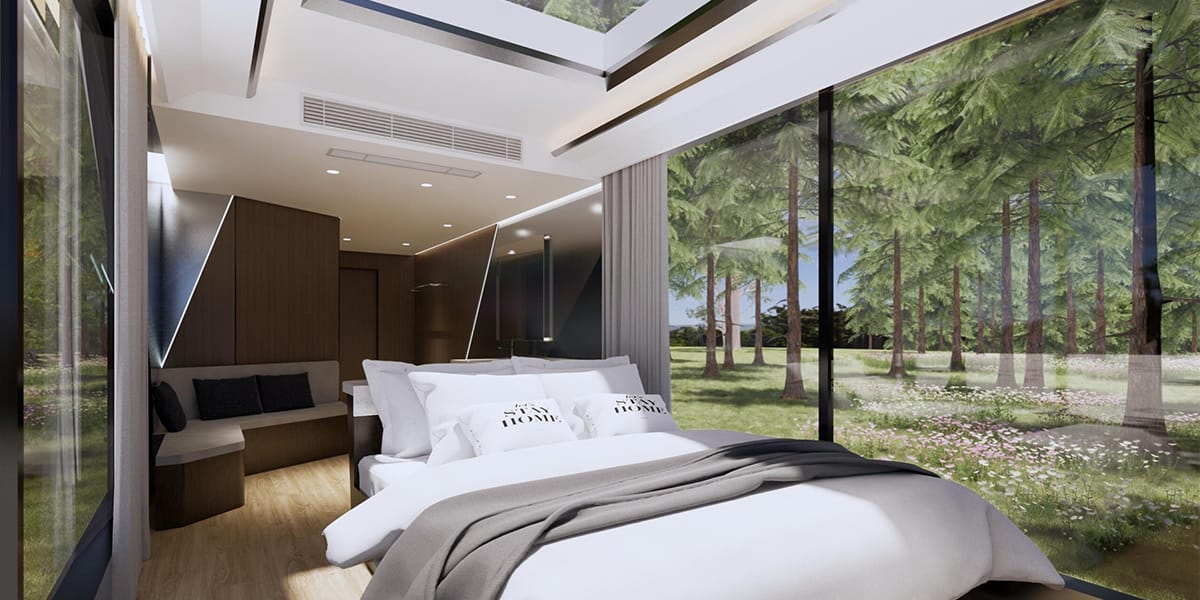
Capsule houses use clever ideas to save space. The modular capsule-like blocks are easy to put together. You can change the layout if you want. The kitchen, dining, and living room are all in one big area. This makes the house feel bigger than it is. Big 360° windows let in lots of sunlight. They help small rooms look bright and open.
Many capsule houses use wood-alu-clad materials. These materials make the house feel cozy and last a long time. Solid wood inside and good insulation keep you comfy all year. Every part of the house has a job. Built-in storage and furniture that does more than one thing help you stay neat. You can add a rooftop or deck for more space without using more land. These features are good for people who like simple and green living.
Tip: Capsule houses help you get rid of clutter and keep only what you need. This makes life easier and less stressful.
Technology Integration
Technology is important for saving space in capsule houses. Many have smart home automation. You can use your phone or voice to control lights, heat, and security. AI-powered systems learn what you like and change settings for you. This saves energy and keeps you comfortable.
Here is a table that shows how technology helps with space and comfort:
Feature/Aspect | Contribution to Efficient Space Utilization and Technology Integration |
|---|---|
Efficient living | Maximizes use of limited space with compact design and multifunctional elements |
Technological innovation | Uses smart controls and AI to automate functions and improve space functionality |
Modularity | Lets you customize and expand your home without increasing its footprint |
Smart technology | Manages lighting, temperature, and amenities for comfort in a small space |
Smart tech also helps you watch how much energy and water you use. Many capsule houses have solar panels and LED lights to save power. These things lower your bills and help the planet. If you like small homes and want to live green, capsule houses give you both space-saving and new technology.
Practical Considerations
Who Should Choose a Capsule House
You might find a capsule house fits your lifestyle if you enjoy simple living. These homes work best for singles, couples, or people who do not need much space. If you travel often or want a home you can move, a capsule house gives you that freedom. Many people who like minimalist living or want to lower their impact on the planet choose this type of home. Capsule houses also suit short-term residents, students, or people who want a guest house or rental unit. If you have a large family or need lots of privacy, you may find living in a capsule house challenging.
Tip: If you value flexibility, low costs, and easy upkeep, a capsule house could be a smart choice.
Site and Installation
Getting your site ready is important before you start living in a capsule house. Follow these steps for a smooth setup:
Clear away plants, rocks, and topsoil from the area.
Mark the boundaries with stakes and string.
Level and grade the ground to make it flat.
Choose a foundation type:
Concrete slab for solid, flat ground.
Pier and beam for uneven land.
Screw piles for soft or wet soil.
Build the foundation as needed.
Review a checklist for site prep, utility hookups, and materials.
After the site is ready, the capsule house arrives in modules. Workers use cranes to place the house on the foundation. Final steps include connecting utilities and finishing the inside. The whole process is fast, so you can start living in your new home quickly.
Regulations and Zoning
Before you buy or install a capsule house, check local rules. Many cities have zoning laws that decide where you can place these homes. You need to get permits for building and connecting to utilities. Some places only allow capsule houses in certain zones, like residential or commercial areas. City planning offices handle these permits. If you follow the rules, you avoid delays and legal problems. Always check building codes and zoning laws before you start living in a capsule house.
Note: Rules can change from place to place. Ask local experts or city offices for help.
Maintenance Needs
Capsule houses need less upkeep than most traditional homes. You should clean the outside twice a year and check plumbing and electrical systems every year. Watch for leaks, mold, or strange noises from heating or plumbing. Most tasks, like cleaning and small repairs, you can do yourself. For bigger problems, call a professional. Weather can affect how often you need to check your home, so look for damage after storms. Capsule houses use strong materials like steel and aluminum, so they last longer and cost less to maintain than wood homes.
Maintenance Task | How Often | Who Can Do It |
|---|---|---|
Exterior cleaning | Twice a year | Homeowner |
Plumbing/electrical check | Once a year | Homeowner/Professional |
HVAC filter replacement | As needed | Homeowner |
Pest control | As needed | Homeowner/Professional |
Keeping up with these tasks helps your capsule house stay safe and comfortable for many years of living.
You can tell that space capsule prefab houses have good and bad sides. Here is a simple summary:
Pros | Cons |
|---|---|
Good for the planet, cost less, save space | Not much privacy or room |
Quick to build and easy to move | Hard to sell again or change |
Great for people who like simple city life | Might have problems with local rules |
When you choose, think about your money, how much space you want, and how you live. These homes are best for one person, two people, or anyone who likes simple living, moving, and saving money. If you want a special, earth-friendly home, you should learn more or talk to a prefab expert before buying.
FAQ
How long does it take to install a space capsule prefab house?
You can have your capsule house ready in one to three days. Most of the work happens in the factory. Workers only need to set up the foundation and connect utilities on your land.
Can you customize the inside of a capsule house?
Yes, you can pick different layouts, colors, and smart features. Many companies let you choose furniture and storage options. You can make your home fit your style and needs.
Are capsule houses safe in bad weather?
Capsule houses use strong steel frames and weatherproof panels. They can handle heavy rain, wind, and even earthquakes. You stay safe inside during storms.
Do you need special permits for a capsule house?
Most places require building permits and zoning approval. You should check local rules before you buy. City offices or prefab experts can help you with the paperwork.
Can you move a capsule house to a new location?
Yes, you can move your capsule house. Workers can lift it with a crane and place it on a truck. You can take your home with you if you change jobs or cities.