


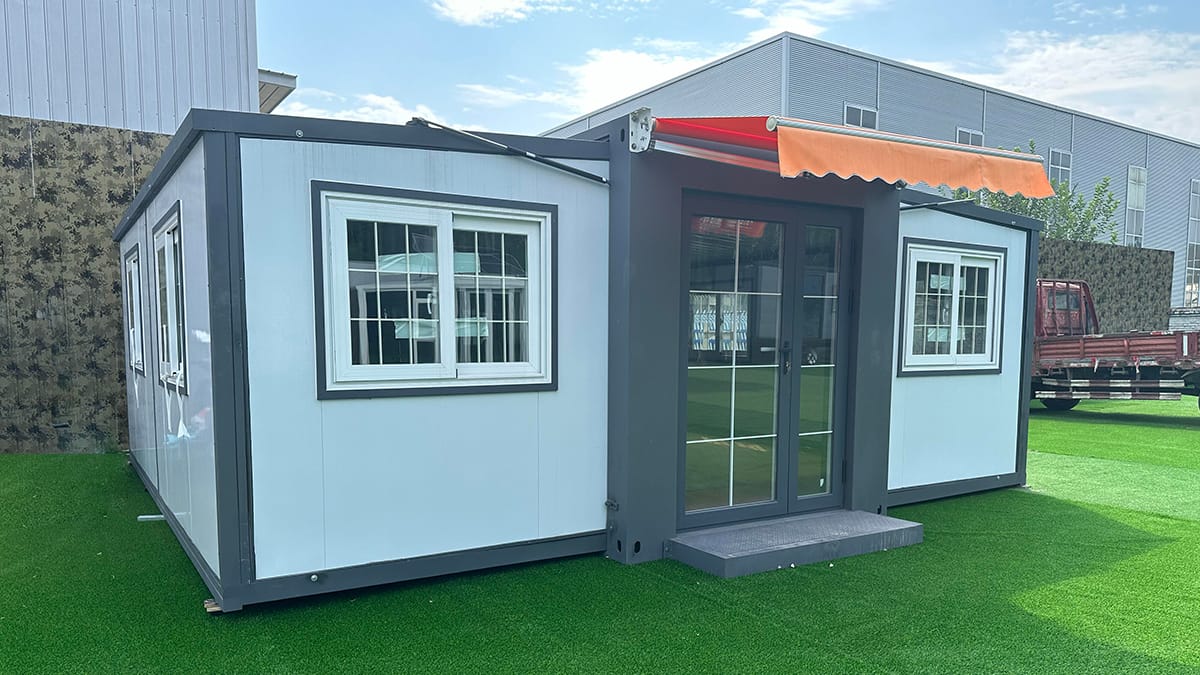
05 Dec How Long Foldable Container Houses Last
You can expect foldable houses to last 15 to 20 years. The time depends on if you use a new or used container. Knowing how long your house lasts helps you make good choices. Many things affect how long it lasts. These include weather, material quality, and how you care for the house.
Foldable container houses last 15 to 20 years.
Traditional homes can last 100 years or more.
If you want your house to last longer, watch these things closely.
Key Takeaways
Foldable container houses last 15 to 20 years. With good care, they can last up to 50 years.
Regular maintenance is very important. Check for rust, leaks, and damage every year. This helps your home last longer.
Pick strong materials like Corten steel and good insulation. These protect your house from bad weather and damage.
Choose a place with good drainage and low humidity. This stops moisture damage and keeps your house stable.
Fix problems early. Take care of small issues fast. This stops bigger and more expensive problems later.
Lifespan of Foldable Houses
Average Years to Expect
You want your home to last a long time. Foldable houses give you a safe place to live. Most foldable houses last 20 to 30 years with good care. Some can last 40 to 50 years if you use high-quality materials and keep up with maintenance. If you do not take care of your house, it may only last 10 to 15 years. The weather in your area also matters. Homes in places with mild weather usually last longer than homes in harsh climates.
Tip: Doing regular maintenance helps your foldable house last longer. Simple things like checking for rust and fixing leaks help a lot.
Here is a table showing how long different homes last:
Home Type | Average Lifespan (Years) |
|---|---|
Foldable Houses (new) | 25 – 50 |
Foldable Houses (used) | 15 – 20 |
Traditional Homes | 100+ |
Traditional homes last much longer than foldable houses. Foldable houses are faster to build and more flexible. You need to care for them and use good materials.
Used vs. New Container Lifespan
The age and condition of the container are important. New containers can last up to 50 years if you take care of them. Used containers usually last about 15 years before needing big repairs. This is because used containers have more damage from wear and tear.
New containers have stronger walls and less rust.
Used containers might have dents, rust, or weak spots.
New foldable houses often have a warranty for over three years, but they last much longer with good care.
Foldable houses in places with lots of rain, snow, or heat need extra protection. Insulation and weatherproofing help your house last longer. If you live in a mild climate, your foldable house will probably last many years.
Here are some things that can make foldable houses not last as long:
Bad design can make your house unstable.
Low-quality materials break down faster.
Extreme weather and weak foundations cause damage.
Not doing regular checks and repairs leads to problems early.
You can help your foldable house last longer by picking good materials, checking for problems often, and fixing things quickly. If you do these things, your house will stay safe and comfortable for many years.
Factors Affecting Durability
Material and Build Quality
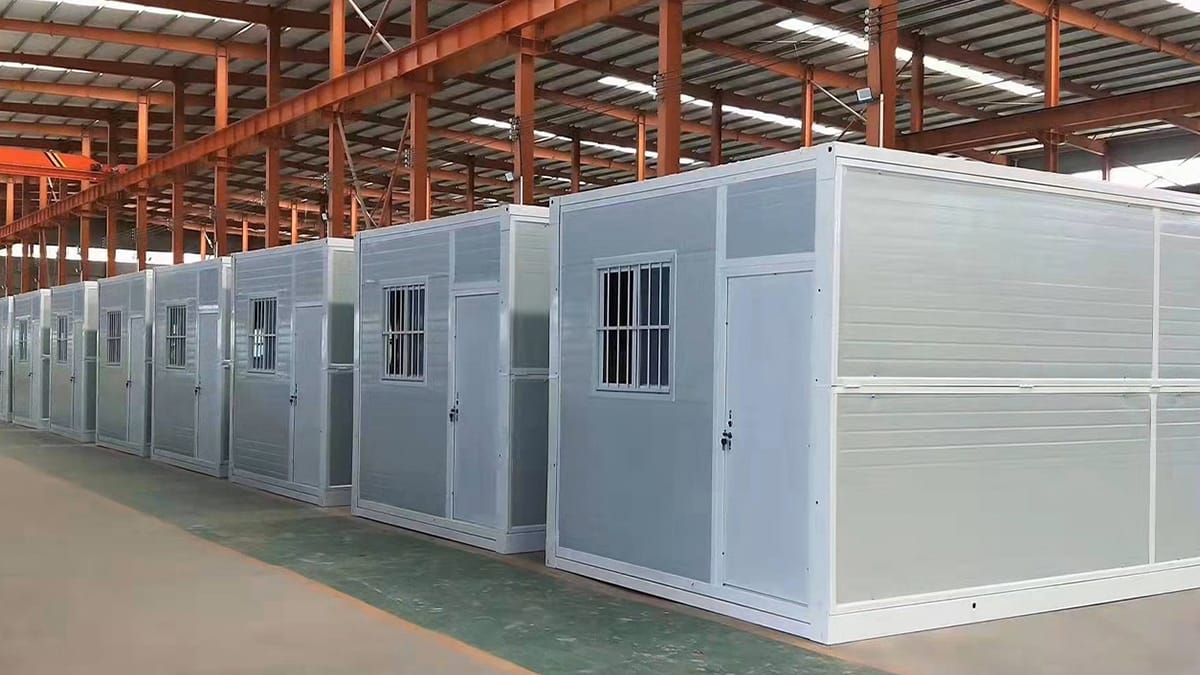
The materials you pick for your foldable houses matter a lot. Most container homes use Corten steel. This steel makes a layer that stops rust and corrosion. Strong steel frames help your house handle heavy rain and strong winds. Insulation is important too. Good insulation keeps your home warm or cool. You can use spray foam, polyurethane foam, fiberglass, or rock wool. Each one has its own good points.
Material | Description | Advantages |
|---|---|---|
Steel | Durable, weather-resistant frame | Strong, secure, resists impacts and harsh weather |
Spray Foam | Thermal insulation, moisture resistance | Keeps heat out, blocks water |
Polyurethane Foam | Lightweight, resists mold and pests | Good thermal properties, easy to install |
Fiberglass | Affordable, widely available | Good insulation, budget-friendly |
Rock Wool | Fireproof, soundproof, withstands high temps | Safe, quiet, keeps heat out |
You should check for build quality certifications like ISO, CE, or ASTM. These show your house meets safety and quality rules.
Weather and Climate
The weather where you put your foldable houses changes how long they last. Hot places need strong insulation and good airflow. Cold places need extra protection from freezing. Coastal areas have salty air that makes rust happen faster. Inland places do not have as much rust but still need care.
Impact-resistant windows and doors help during storms.
Good sealing and insulation keep water and air outside.
Strong frames help your house stand up to high winds.
Environment | Maintenance Recommendations |
|---|---|
Coastal | Check welds and connectors every year. Use anti-rust paint or coating more often. Use rust inhibitor every six months. |
Inland | Repaint every year. Remove rust and repaint every five years. |
Maintenance Practices
Taking care of your foldable houses helps them last longer. You should check your home every year. Look for rust, leaks, or damage. Fix problems right away. Put on new protective coatings every five to ten years. Change weatherstripping and caulking when needed.
Tip: Regular maintenance saves money and keeps your house safe.
Yearly checks find problems early.
Fixing things fast stops bigger issues.
Doing regular care keeps your house strong and safe.
Foldable houses last longer if you use good materials, protect them from bad weather, and do regular care.
Extend Foldable House Life
Regular Maintenance Tips
You can keep foldable houses strong with regular care. Start by planning inspections. Look for leaks, cracks, and rust. Clean the outside every season to remove dirt. This helps coatings stay strong. Check insulation before winter starts. Make sure drainage works well. Look at the roof for rust and clear water. Test ventilation to stop moisture from building up. Check the foundation for problems and fix them fast.
Tip: Regular checks help you find small problems early.
Here is an easy checklist for maintenance:
Look for rust, leaks, and cracks.
Clean the outside and roof.
Check insulation and ventilation.
Test drainage systems.
Check the foundation for movement or damage.
Rust and Moisture Prevention
Rust and moisture can make foldable houses last less time. You need to protect your house from these problems. Use coatings that stop rust and treat rust spots quickly. Make sure your house has good airflow to lower condensation. Put your house in a shaded spot and raise it off the ground. Use touch-up paint on chipped places. Think about galvanization for extra protection. Use rust inhibitors and check seams and joints often.
Best Practice | Description |
|---|---|
Ventilation and Airflow | Good airflow lowers condensation and stops mold. |
Location and Placement | Shaded and raised sites keep moisture away from the container. |
Routine Inspections | Early detection of rust in seams and joints helps prevent damage. |
Addressing Rust Spots Early | Remove rust quickly and use inhibitors to stop it from spreading. |
Touch-Up Painting and Coating | Fresh paint keeps the steel protected from water and air. |
Galvanization | Zinc coating adds a strong barrier against rust. |
Rust Inhibitors | Chemicals block moisture and keep rust from forming. |
Cathodic Protection | Special techniques redirect reactions to prevent rust, often used in industry. |
Site Selection and Setup
Picking the right spot helps foldable houses last longer. Choose a place with low humidity. Stay away from salty air. Make sure the ground is steady. Use a strong foundation like concrete slabs, piers, or screw piles. These spread the weight and keep your house steady. Follow local rules for safety. Raise your house to keep water away. Use rubber pads or brackets to stop corrosion.
Pick a spot with good drainage.
Stay away from flood areas or salty air.
Use a foundation that fits your soil and climate.
Make sure your house sits above the ground.
Note: Good site choice and setup protect your house from moisture and damage.
If you follow these steps, your foldable houses will stay safe and strong for many years.
Signs of Aging
Common Wear Indicators
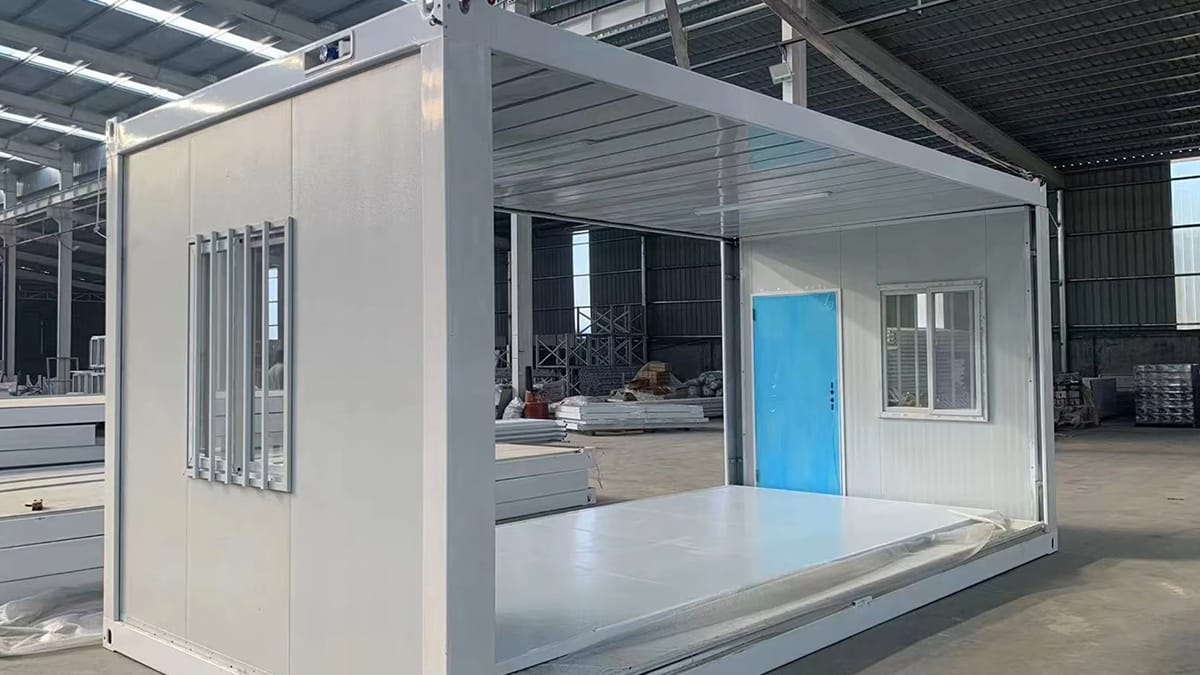
You can spot signs of aging in your home if you know what to look for. Rust patches often appear on steel surfaces. Dents and scratches may show up on walls or doors. Water stains or leaks signal trouble with the roof or seals. Cracks, holes, or gaps in the roof, walls, or floor can let in moisture. You might notice doors or windows that do not close well. Floors may feel uneven or soft in places.
Regularly check the exterior for rust, dents, or other damage. Address these issues quickly to stop bigger problems.
Repair or Replace?
You need to decide if you should repair or replace your home when you see damage. Start by checking the scale of the problem. Small rust spots, minor leaks, or a few dents often need simple repairs. Use sealants or patching materials to fix cracks or holes. If you see large areas of rust, deep structural damage, or repeated leaks, repairs may not last long.
Ask yourself these questions:
How big is the damage?
Can you fix it with a clear plan?
Does the damage keep coming back after repairs?
If you answer yes to the first two questions, repairs may work. If the damage is too big or keeps returning, replacement might be safer and cheaper in the long run.
End-of-Life Steps
When your home reaches the end of its life, you should take careful steps. Remove all personal items and furniture. Disconnect utilities like water and electricity. Contact local waste services or recycling centers for proper disposal. Many parts of foldable houses, such as steel frames, can be recycled. Clean the site after removal to keep the area safe.
Plan ahead for end-of-life steps. Recycling helps protect the environment and may save you money.
You can help foldable houses last for decades by making smart choices and staying proactive. Choose high-grade steel and work with skilled builders. Protect your home from harsh weather with coatings and regular checks.
Inspect for rust and leaks often
Maintain insulation and roof after storms
Address small problems before they grow
Stay alert and care for your home. This way, you enjoy a safe and lasting space.
FAQ
How often should you inspect your foldable container house?
You should inspect your house every year. Look for rust, leaks, and cracks. Fix problems quickly to keep your home safe and strong.
Can you live in a foldable container house in cold climates?
Yes, you can live in cold climates. Use good insulation like spray foam or rock wool. Seal windows and doors to keep heat inside.
What is the best way to prevent rust on your container house?
Apply anti-rust coatings and touch-up paint. Keep your house dry and well-ventilated. Check for rust spots often and treat them right away.
Do foldable container houses need a foundation?
Yes, you need a foundation. Concrete slabs, piers, or screw piles work best. A strong foundation keeps your house stable and dry.
Can you recycle a foldable container house at the end of its life?
You can recycle most parts. Steel frames and panels go to recycling centers. Remove personal items and disconnect utilities before recycling.