

27 Nov What Is Prefab Expandable Container House And How It Changes Living
A prefab expandable container house is an innovative way to live. It utilizes prefabricated shipping containers or custom-built modules, allowing you to set up your home quickly. You can easily relocate it without much hassle, and if you require more space, you can expand it. Many individuals choose this type of housing because it is more affordable and offers greater flexibility. The global market for what is prefab expandable container houses is rapidly expanding, reaching $9.23 billion in 2024 and potentially increasing to $28.16 billion by 2035.
Housing Type | Initial Cost | Maintenance Costs | Utility Costs |
|---|---|---|---|
Expandable Container House | Lower | Lower | |
Traditional Home | Higher | Higher | Higher |
You can observe how the costs differ from traditional homes, making prefab expandable container houses an excellent option for many people.
Key Takeaways
Prefab expandable container houses are easy to set up. You can move or make your home bigger without trouble.
These homes cost less than regular houses. You save money when you build and take care of them.
Using recycled shipping containers helps the planet. It cuts down on waste and uses less energy.
Modular homes let you change the layout. You can make your space fit what you want and need.
Living in a modular container house feels nice and new. Smart designs help you use space well and save energy.
What is prefab expandable container house
Definition and Core Concept
A prefab expandable container house is a new way to live. It uses shipping containers or special modules to make a home fast. The design follows important rules from around the world and the country. Builders use strong materials that fit exact sizes and work well. Every house gets tested to make sure it is safe and lasts a long time.
The expandable container house passes all needed certifications.
The materials used are strong and dependable.
Each house is tested carefully before it is sent out.
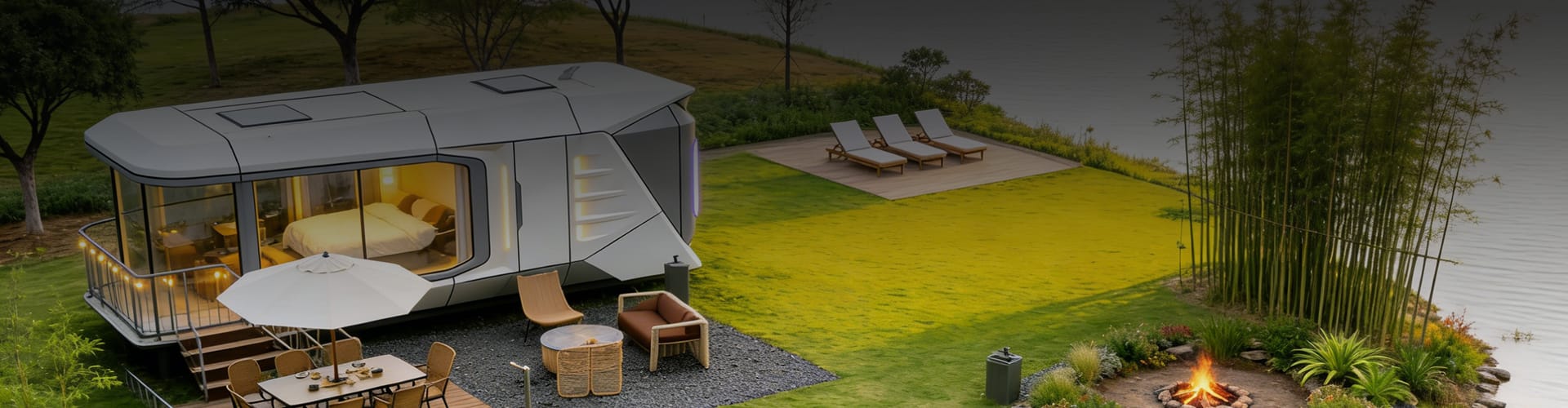
Prefab expandable container houses have cool features. There is a living and dining area with furniture that folds down. The kitchen is small but works well. The bathroom is compact. The sleeping space can change into an office. This gives you more ways to use your home. Designers use tall spaces for storage. Big windows and skylights make the inside bright and open. You can change the outside to fit your style. The house is easy to set up and does not need much work on the land. You can make your home bigger in less than two hours. This saves time and work compared to regular building.
Special hydraulic and mechanical systems help the house grow bigger. This makes the living space three times larger but keeps it strong. The house expands by itself in just a few hours. It has safety locks and sensors. Smart systems give you good plumbing and heating, just like regular homes.
Prefab expandable container houses are good for the planet. Builders reuse shipping containers, which helps lower pollution. The house has good insulation and windows that save energy. You can add solar panels and collect rainwater. This helps you use less energy and water.
Tip: If you want a home that changes with your needs and helps the environment, a prefab expandable container house is a smart choice.
How It Differs from Traditional Homes
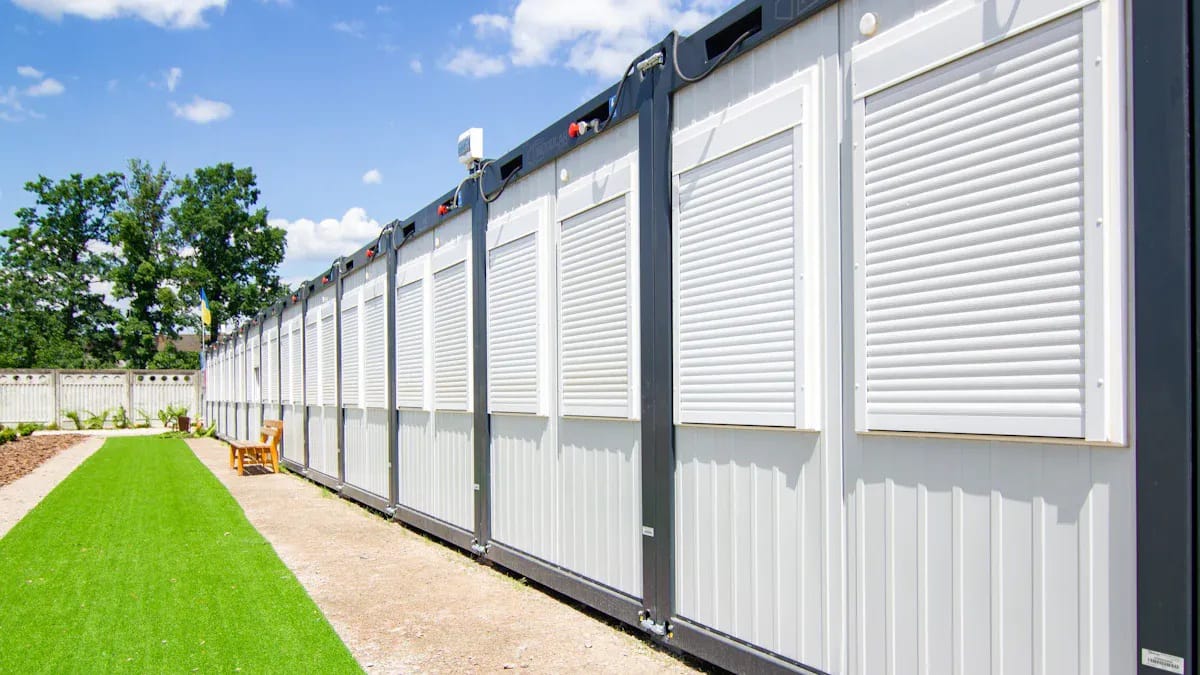
Prefab expandable container houses are different from regular homes. They use steel containers, so building is faster and easier. Regular homes need more workers and materials and take longer to build.
Construction Process: Container houses use steel for quick building. Regular homes need more work and supplies.
Time Efficiency: You can finish a prefab expandable container house in 2-3 months. Regular homes take about 9.5 months.
Cost: Container houses can cost up to 30% less. Regular homes cost about $378,000 to build.
Maintenance: Container homes need fewer repairs, so you save money. Regular homes cost more to fix each year.
Prefab expandable container houses save energy. They can lower your bills by up to 60%. These homes come almost ready, so you can set them up fast. In hot places, you can save even more energy. The Energy Use Intensity (EUI) is much lower than regular homes.
Prefab expandable container houses use strong panels and tight seals. This keeps the house safe and lined up when it gets bigger. Good insulation and special seals stop leaks. You get a home that is safe, comfy, and easy to care for.
If you want a home that is flexible, quick to build, and costs less, prefab expandable container houses are a great choice. You get a space that fits your needs and helps you live in a greener way.
Key Features of Modular Container Solutions
Design and Materials
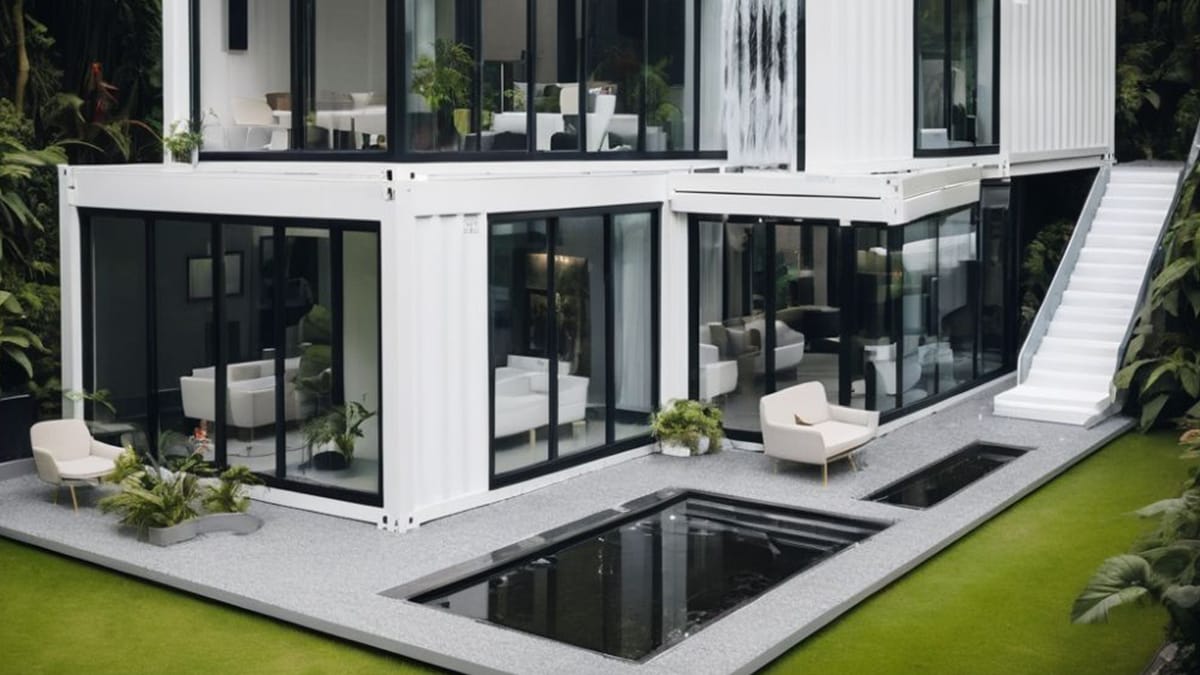
Modular container solutions give you homes that are strong. Builders use good materials so your house lasts long. The main frame uses galvanized or corten steel. This steel does not rust or break easily. Aluminum composite panels protect the house and look nice. For insulation, builders use glass wool, polyurethane, and rock wool. These keep your house warm in winter and cool in summer. Inside, marine-grade plywood floors do not get damaged by water. You can use drywall or insulated panels to change your rooms. The roof has corrugated metal sheets and glass wool for saving energy. Windows and doors have metal frames for safety and style. Special coatings like electro-galvanization stop rust.
Category | Material Type | Description |
|---|---|---|
Structural Materials | Steel Framework | Made from galvanized or corten steel for durability and rust resistance. |
| Aluminum Composite Panels | Lightweight and rust-resistant, providing aesthetic appeal and protection. |
Insulation Materials | Glass Wool | Offers good thermal resistance and is fire-retardant. |
| Polyurethane and Rock Wool | Higher R-value for better thermal insulation. |
Interior Finishing | Plywood Flooring | Marine-grade plywood for strength and moisture resistance. |
| Drywall or Insulated Panels | Used for interior walls, customizable for aesthetics. |
Roofing Materials | Corrugated Metal Sheets | Lightweight and strong, often arched for water drainage. |
| Roof Insulation Layer | Typically glass wool to enhance energy efficiency. |
Additional Features | Windows and Doors | Metal-framed for durability, customizable for security and lighting. |
| Protective Coatings | Electro-galvanization or polyurethane topcoats for corrosion resistance. |
Many modular container homes use new design ideas. Some homes use up to 90% recycled materials. This helps the planet by making less trash. Prefabricated kits make these homes cheaper. They can cost 30% to 50% less than regular houses. You can have reclaimed wood, big windows, and smart lights you control with an app.
Expansion Mechanism
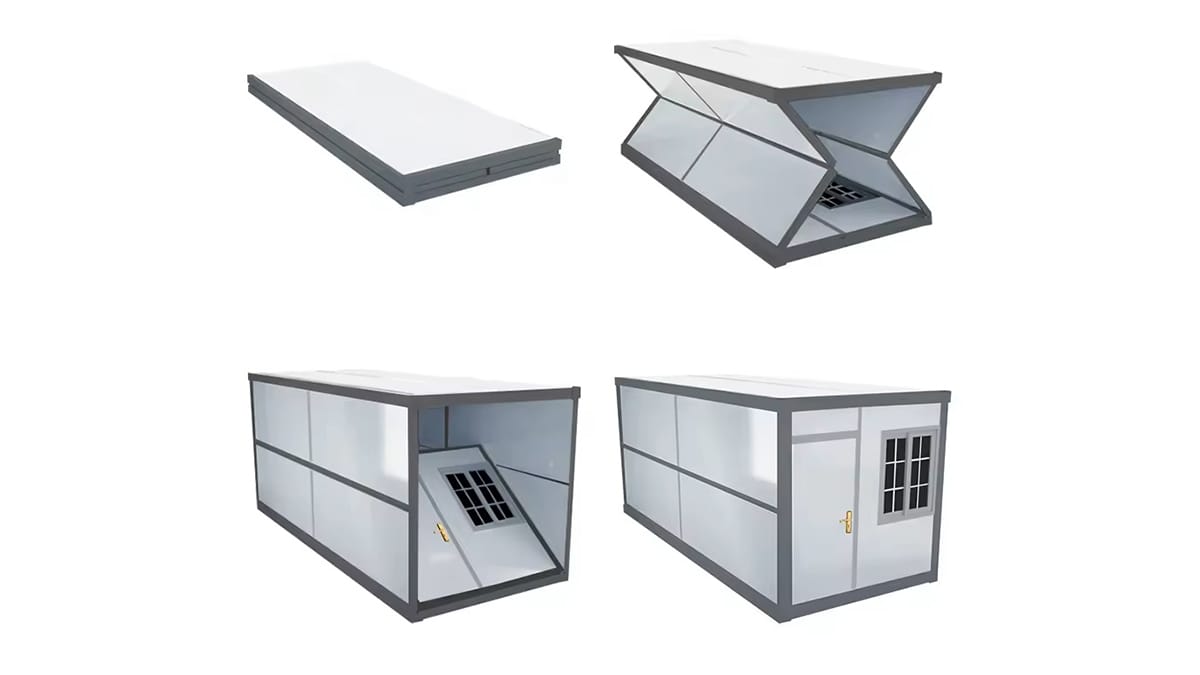
Modular container solutions let you make your home bigger easily. The expansion system uses sliding or folding parts. Strong hinges and fasteners hold the panels together. You can open or close sections without trouble. To set up your home, follow these steps:
Put the container on a base with a crane or forklift.
Start the expansion system, which can be manual or motor-driven.
Make the house bigger by unfolding each part slowly.
Lock every part so the house stays safe.
This system lets you change your home when you need more space. You can make your house larger or smaller easily. Hydraulic or manual systems help you do this fast.
Tip: Modular container solutions let you change your home’s size anytime.
Space Options
Modular container solutions give you many choices for space. These homes come as flat pack, foldable, or expandable types. The expandable type lets you slide out both sides for more room. You can pick a one-story or two-story layout. Some modular container homes have family-friendly designs. They have modern kitchens, bathrooms, and living rooms. Good insulation and smart layouts make your home comfy and save energy. You can add solar panels or green roofs to lower your bills. Modular container solutions help you make a home that fits your life, whether you live alone or with family.
Installation and Living Experience
Setup Process
Setting up a modular home is fast and simple. First, builders make sure the ground is flat and strong. They use concrete pads or steel supports for the base. Workers bring the container to your land. A crane or forklift puts the container on the base. The house opens up with special panels. Each part gets locked to keep it safe. Last, workers connect water and electricity to the house.
Make the ground flat and strong.
Put the container on the base.
Open the house with sliding panels.
Lock each part for safety.
Connect water and electricity.
Tip: You can make your home bigger or smaller. Modular homes change to fit your needs.
Daily Living
Living in a modular container house is cozy and modern. Big windows let in lots of light. You can change rooms for different uses. Turn your bedroom into an office. Open the living room for guests. The kitchen and bathroom save space with smart designs. Tall cabinets and hidden spots give you storage. Good insulation keeps you warm or cool. Solar panels help lower your bills. Many homes have smart lights and temperature controls. You can use your phone to change settings.
Feature | Benefit |
|---|---|
Flexible Layout | Change rooms easily |
Smart Storage | Use every inch of space |
Energy Efficiency | Save money on utilities |
Modern Design | Enjoy a stylish home |
Maintenance
Taking care of your modular home is easy. Clean inside and outside often. Put rust-proof paint on metal parts. Check seals and insulation to stop leaks. Look for damage in the structure. Keep plumbing and electrical systems working. Check seals and joints for cracks. Clear leaves from the roof and gutters. Look for chipped paint to stop rust. Make sure moving parts work well.
Clean inside and outside often.
Use rust-proof paint on metal.
Check seals and insulation.
Look for damage in the structure.
Keep plumbing and electrical working.
Note: Check your home twice a year. Regular care helps your modular home last longer.
Benefits of Tiny Home Living
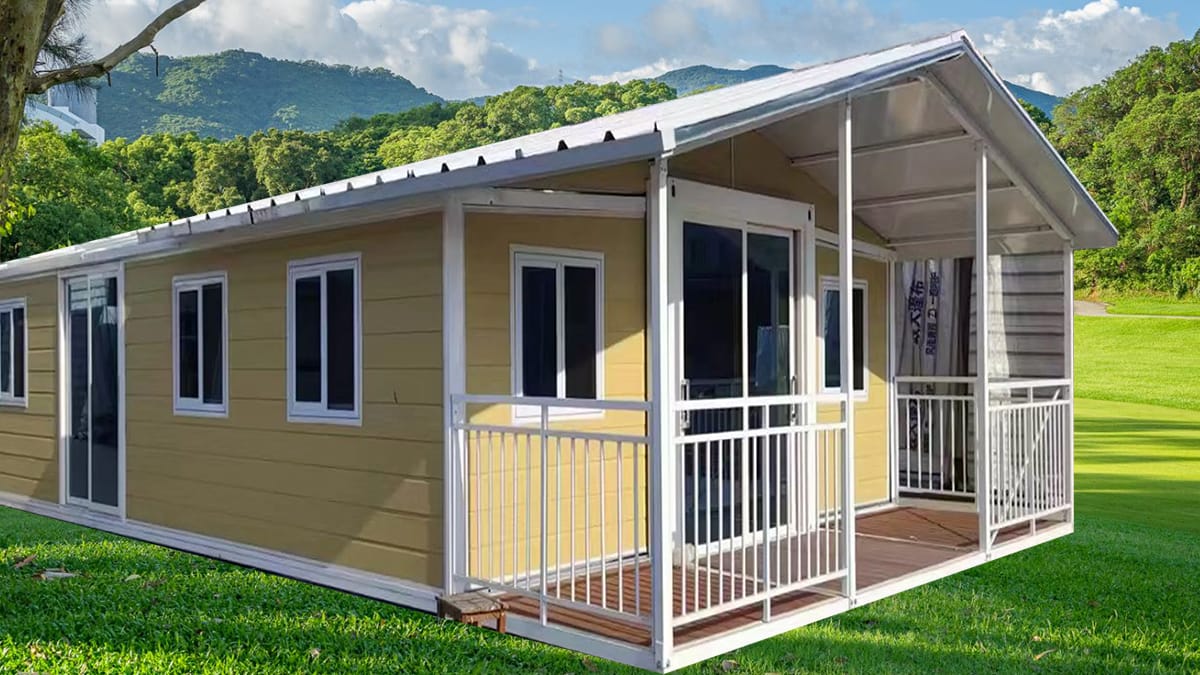
Affordability
You can save lots of money with a tiny home. Expandable container tiny houses cost much less than regular houses. Basic models start at $10,000 and can go up to $35,000. Custom designs might cost about $60,000. Most regular homes start at $150,000 and some cost over $800,000. You spend less on workers because modular homes are built fast. This helps you keep more money over time.
Modular homes need fewer workers.
You finish building faster and save money.
You might need to buy land, which costs extra.
Regular home loans may not pay for everything.
Special lenders or tiny home loans can help you buy a modular home.
Flexibility and Mobility
Tiny homes give you a flexible way to live. You can move your modular house to a new spot if you want. The design lets you make your home bigger or smaller as you need. You can add rooms or take them away. This setup works for families, singles, or anyone wanting a new lifestyle. You do not have to wait months to change your home. You can make changes quickly and easily.
Modular homes let you move to new places.
You can make your space bigger or smaller easily.
Flexible layouts help you use all your space.
Modular homes work for many lifestyles, like living alone or with family.
Sustainability
Tiny homes help the planet in many ways. Modular homes use old shipping containers, so you make less waste. You use fewer new materials, which is better for the earth. Many modular homes have solar panels and rainwater systems. These help you save energy and water. Building modular homes is quick, so you use fewer resources. Many expandable container tiny houses have ISO 9001 certification, which means they are high quality and good for the planet.
Aspect | Traditional Housing | |
|---|---|---|
Material Usage | Uses old containers | Uses new materials |
Waste Reduction | Makes less waste | Makes more waste |
Energy Efficiency | Uses solar and rainwater | Not as energy-efficient |
Construction Time | Quick to build | Takes longer to build |
Environmental Footprint | Lower impact | Higher impact |
Flexibility and Customization | Easy to change | Harder to change |
Note: Picking a modular tiny home helps you live in a greener and more flexible way. You help the planet and enjoy a modern life.
Lifestyle Impact and Considerations
Space Utilization
Living in a modular home changes how you use space. You can use every part of your house with smart ideas. Interior design experts share ways to help you enjoy your modular container house. Use the ends for bedrooms. This keeps sleeping areas private. Air moves through shared spaces. Put two containers next to each other. You get a wider inside and more room. Stack containers for more space. Bedrooms can be upstairs. Shared areas can be downstairs. You can use these tips to keep your modular home neat. Pick simple furniture. Small and useful pieces help stop clutter. Choose furniture that does more than one thing. A sofa bed or storage ottoman gives you more choices. Try smart storage ideas. Use tall shelves and hidden spots to keep things tidy.
Tip: Modular homes let you change rooms and furniture. You can make open spaces or cozy corners with easy moves.
Adaptability
A modular container house changes as your life does. You can start with a small space. Add more room when you need it. Many families add bedrooms or play areas as they grow. You can make a home office or studio if you work from home. Some people use extra space for guests or rent out rooms. Add bedrooms or play areas for growing families. Make spaces for work or hobbies. Give guests a place to stay or rent rooms. You can buy only what you need first. Add more later if you want. Modular homes work for different families, like newlyweds or big families. Built-in features make it easy to change your home as your needs change.
Potential Challenges
You may have some problems living in a modular container house. People say there are common issues. Mobile homes lose value over time. They drop about 3% each year. Owners deal with plumbing problems, roof leaks, and heating or cooling issues. Fire risk is higher than in regular homes. Selling your home can be hard. Homes can lose up to half their value in three years. Rising lot rents and strict park rules can surprise owners.
Challenge | Description |
|---|---|
Financial Disappointments | Mobile homes lose value over time, dropping about 3% each year. |
Maintenance Struggles | Owners face plumbing problems, roof leaks, and HVAC issues. |
Safety Concerns | Fire risk is twice as high as regular homes. |
Resale Difficulties | Homes can lose up to half their value in three years. |
Location and Lot Rent Issues | Lot rents can go up and park rules can be strict. |
Note: Check local rules and costs before picking a modular home. Regular care helps stop problems. Think about long-term value and safety when planning your modular living.
You can notice that modular expandable container houses have lots of benefits. The table below lists some important ones:
Advantage | Description |
|---|---|
Flexibility | You can make your living area bigger with modular walls. |
Cost-effective | These homes cost less than regular houses. |
Quick installation | You can build modular homes in just a few days. |
Personalized | You can change the layout to match your style and needs. |
Durable | Steel frames help the house stand up to bad weather and damage. |
Modular homes are cheap, modern, and easy to change. Families and people who like simple living use modular homes. If you want a house that can get bigger, modular homes work for many people. You can look up more modular ideas for help and inspiration.
Modular Shipping Containers: Smart and Cheap Choices
Mobile Offices
Modular Buildings for Government Use
Schools and Learning Spaces
Healthcare Centers
Locker Rooms, Bathrooms, and Showers
Training Centers
FAQ
What is the lifespan of a prefab expandable container house?
You can expect your home to last 20 to 30 years with regular care. Steel frames and strong panels help your house stand up to weather and daily use.
Can you customize the layout of your container house?
Yes, you can choose different layouts and finishes. Many companies let you pick room sizes, window styles, and even add extra features to fit your needs.
How do prefabricated units handle extreme weather?
Prefabricated units use strong steel and insulation. These materials help your home stay safe in storms, heavy rain, or hot and cold weather.
Is it possible to move your container house to a new location?
You can move your container house if you need to. Movers use cranes or trucks to lift and transport the house to a new site.
Do you need special permits for a prefab expandable container house?
You may need permits based on your city or state rules. Always check with local offices before you set up your home.