


12 Oct Top Tiny House Alternatives to Consider in 2025
Table of Contents
Curious about living in a small space but want something new? You are not the only one. Many people in 2025 want tiny house alternatives. They want more freedom, less impact on the earth, or a new way to live at home. Here are the main reasons people choose something different:
Reason | Why It Matters |
|---|---|
Affordability | You can find choices from $10,000 to $100,000. This costs less than most homes. |
Sustainability | Smaller spaces make less waste. This helps the planet. |
Mobility | You can move your home. You can find new adventures anytime. |
Lifestyle | Many people want to own less and focus on what is important. |
You can find a choice that matches your dreams and your money.
Key Takeaways
Tiny house alternatives cost less. Prices go from $10,000 to $100,000. This makes owning a home easier for more people.
Some choices, like converted vans and skoolies, can move. You can travel to new places and take your home with you.
Smaller homes help the planet. They use fewer resources. Many use eco-friendly materials and save energy.
You can change tiny house alternatives to fit your style. You can make your space match what you like and need.
Check local zoning laws before you choose. Think about space limits too. Make sure your tiny house fits your life and community.
Tiny House Alternatives Overview
There are more tiny house choices now than before. In 2025, people want homes that fit their needs. They want homes that help the earth and let them move easily. The market for tiny homes has grown quickly in five years. New designs and better materials are everywhere. People find smarter ways to live in small spaces. The tiny home market will grow from $21.9 billion in 2024 to $29.9 billion by 2033. Almost 40% of builders made smaller homes in 2023. More builders plan to keep making small homes in 2024. You can pick from many styles and benefits.
Here are the main types of tiny house alternatives you can explore:
Converted Vans
If you want freedom and adventure, van life is a good choice. You can buy and change a van for less than $6,000. Vans let you move and travel anywhere you want. You can change your view anytime. Most vans have a bed, kitchen, bathroom, dining space, off-road tires, storage, and solar power.
Feature/Amenity | Description |
|---|---|
Sleeping area | A fixed bed or a setup you can change. |
Kitchenette | Small kitchen with a fridge and stove. |
Bathroom | Shower and toilet, sometimes compact. |
Dining area | Table or space that turns into a bed or seat. |
Off-road tires | Good for rough roads and new places. |
Storage space | Shelves and bins for your things. |
Solar setup | Solar panels for off-grid living. |
Bus Conversions
Do you need more space than a van? Bus conversions, called “skoolies,” give you bigger living areas. You can buy a school bus for $3,000 to $25,000. Changing a short bus costs $20,000 to $40,000. Full-size buses can cost over $100,000. Buses have built-in storage and sometimes plumbing. You can design your own layout and add a kitchen or bathroom. Many people do the work themselves to save money.
Buses are 25 to 40 feet long.
You need money for permits and inspections.
Capsule Tiny House
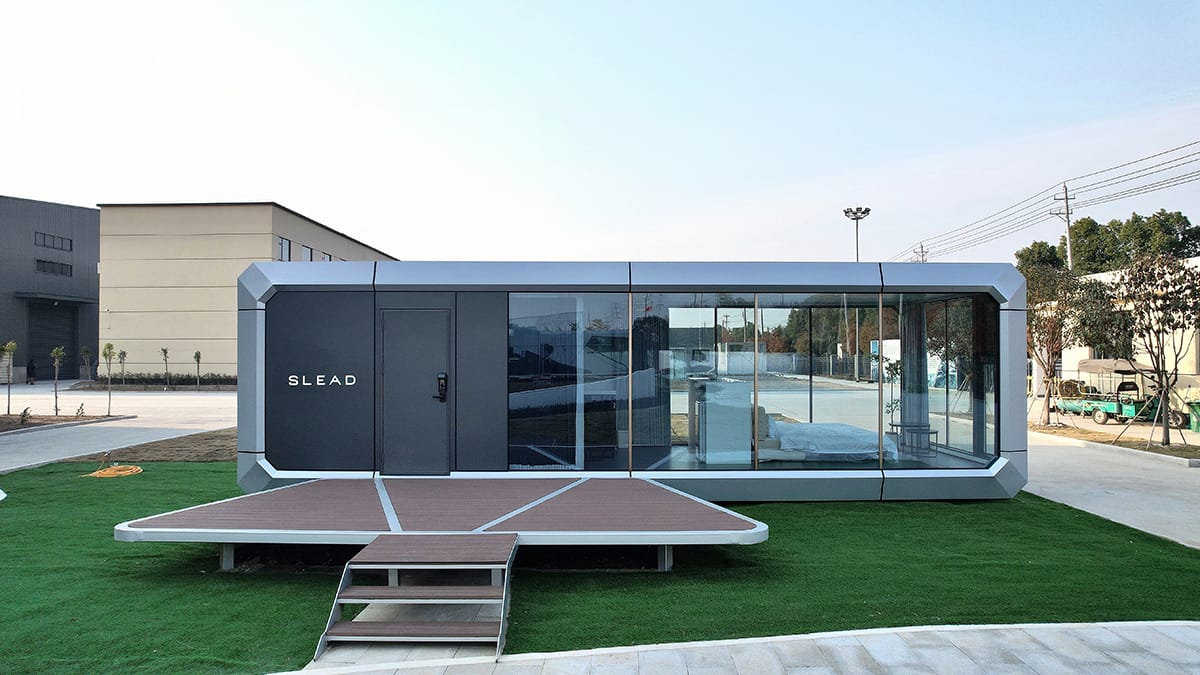 Capsule homes look like pods from the future. They are small, between 50 and 400 square feet. You get insulation, smart lights, and technology. These homes are good for one person. You have space to sleep, shower, and cook. Capsule houses use prefabricated materials. You can move them easily.
Build Type | Cost Range |
|---|---|
DIY builds | |
Prefab kits | $15,000–$80,000+ |
Custom builds | $80,000–$150,000+ |
Fully finished | $50,000–$100,000 |
Tip: Capsule homes save space and energy. They are great if you want a simple, modern lifestyle.
Shipping Container Homes
Shipping container homes use recycled steel containers. They cost less and are quick to build. You can change them to fit your needs. These homes are strong and safe. You may have problems with insulation and permits.
Advantages | Disadvantages |
|---|---|
Cost-effective compared to traditional homes | Appliances may not fit in the container |
Quick construction | Difficult to obtain building permits |
Customizable options | Finding qualified contractors can be challenging |
Energy efficient | Insulation issues due to thin metal walls |
Secure due to steel construction | Climate considerations for temperature regulation |
Durable material | Safety concerns with previously used containers |
Modular & Prefab Houses
Modular and prefab houses are built in factories. They are put together on-site. You can finish a modular home in 3-4 months. This saves time and money. These homes are popular for their modern designs and fast building. You can pick from many styles and sizes.
Note: Modular homes cost less to build than traditional homes. You avoid weather delays and high labor costs.
Cabins
Cabins give you a cozy, rustic feel. You can put them in the woods, mountains, or near lakes. Many people use cabins for glamping, which means luxury camping. Cabins can be made from wood, shipping containers, or old trailers.
Glamping Cabins: Luxury in nature with modern comforts.
Yurts: Circular homes with open layouts.
Treehouses: Elevated for great views and nature immersion.
Converted Shipping Containers: Industrial look and affordable.
Geodesic Domes: Futuristic, bright, and spacious.
Vintage Airstreams: Retro style and mobile living.
Yurts
Yurts are round homes that look like tents. They use strong wood frames and tough canvas outside. You get good insulation and light from skylights. Yurts can be permanent or temporary. Builders use canvas, polyester, bamboo, steel, or aluminum.
Material/Method | Description |
|---|---|
Structure | Solid wood, often Douglas fir or pine. |
Exterior Canvas | Acrylic or PVC for weather protection. |
Insulation | Insulated floor for warmth and quiet. |
Skydome | Skylight for light and air. |
Additional Features | Windows, stove, and double-glazed joinery for comfort. |
Cob Houses
Cob houses use clay, sand, and straw. They are eco-friendly and have thick walls for insulation. Cob homes keep you warm in winter and cool in summer. They use less energy than regular homes. Cob homes can be composted when they are old.
Aspect | Cob Houses | Conventional Materials |
|---|---|---|
Embodied Carbon | Very low | High (wood, concrete, brick) |
Resource Extraction Impact | Minimal fossil fuel required | Significant fossil fuel required |
End-of-Life Sustainability | Compostable and earth-returnable | Often non-biodegradable |
Energy Efficiency | Higher energy consumption |
Cob walls soak up heat during the day and release it at night.
You use less heating and cooling.
Earthships
Earthships are homes for off-grid living. They use recycled things like tires and bottles. You get rainwater collection, solar panels, and wind turbines. Earthships clean sewage on-site and grow food inside. These homes use solar heating and cooling. You stay comfortable without extra energy.
Water systems collect and clean rainwater.
Solar panels and wind turbines give power.
Greenhouses help grow food and clean water.
Recycled materials help keep homes warm or cool.
Houseboats
Houseboats let you live on water. You wake up to nice views and a calm life. Living costs are lower, and you can move easily. You can fish, swim, or do water sports. Houseboats need regular care and can feel small. You may have privacy and noise problems.
Pros of Living on a Houseboat | Cons of Living on a Houseboat |
|---|---|
Beautiful views | Fewer creature comforts |
Lower living costs | Claustrophobia risk |
Eco-friendly | Constant motion |
Relaxing lifestyle | Weather vulnerability |
High mobility | Maintenance required |
Unique experience | Privacy and noise issues |
Water sports access | Security concerns |
No yard work | Close neighbors |
Salvage diving opportunities | Logistical challenges |
Tree Houses
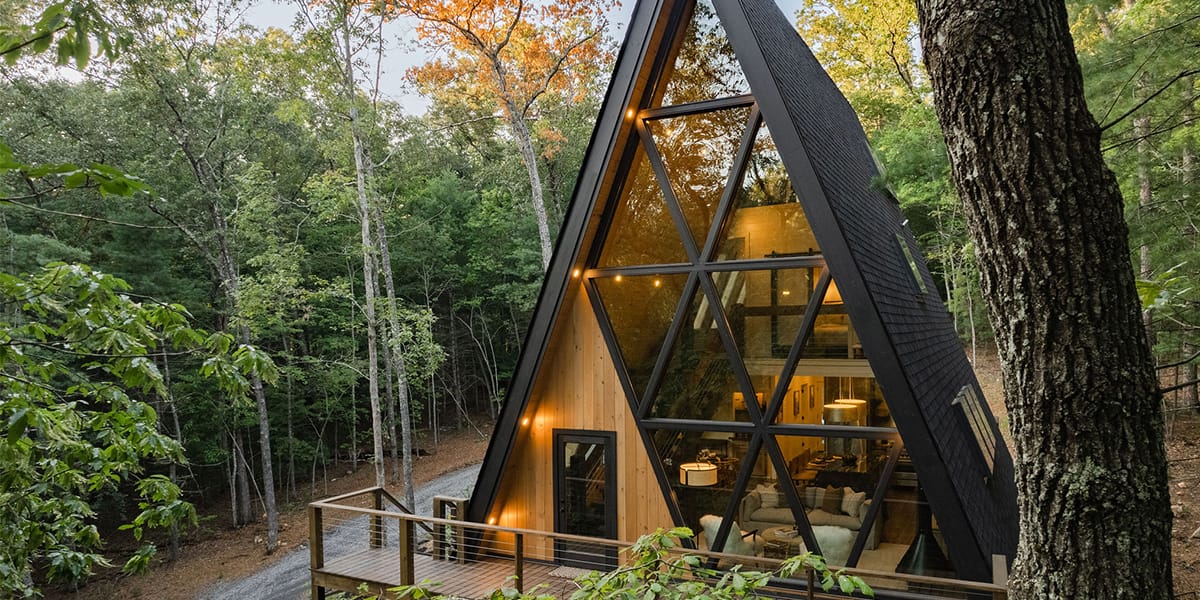 Tree houses bring you close to nature. You live above the ground and see great views. Builders use strong bolts and special materials for safety. You need insulation, weatherproofing, and solar panels for comfort all year. Tree houses use rainwater catchment and composting toilets. Safety features include guardrails, smoke detectors, and motion-sensor lights.
Strong structure with special bolts.
Insulation and double-pane windows.
Solar panels and rainwater systems.
Guardrails and safety lights.
Living in a tree house gives you a unique experience. You feel connected to nature every day.
You have many tiny house choices in 2025. Each option gives you something special. You can find the right fit for your life and budget.
Benefits of Tiny House Alternatives
Affordability
Are you worried about buying a new home? Tiny house alternatives can help you save money. In 2025, most tiny homes cost $30,000 to $80,000. A regular home in the U.S. costs about $396,900. Tiny homes are much cheaper than regular homes. This makes it easier for people to buy a home.
Tiny homes cost $30,000–$80,000.
Traditional homes cost $396,900.
Lower prices help more people own homes.
You also pay less each month for your home. Here is a table with average monthly and yearly costs:
Cost Type | Monthly Cost (Approx.) | Yearly Cost (Approx.) |
|---|---|---|
Insurance | $33 – $100 | $400 – $1200 |
Utilities | $50 | $600 |
Maintenance | $125 | $1500 |
You can use your extra money for trips, hobbies, or saving for later.
Mobility
Do you want to wake up in a new place? Many tiny house alternatives let you move your home. You can travel, explore, or move for work. You do not have to leave your house behind.
Skoolies give you space and let you travel.
Tumbleweed tiny houses have wheels for easy moving.
Cargo trailers and Kokoon tiny houses are mobile and can help you avoid debt.
Caboose park trailers do not move as much but you can still change places.
You get to pick your view and your neighbors!
Sustainability
Do you care about the earth? Tiny house alternatives have many green features. Builders use old wood and bamboo. You get energy-saving appliances and smart technology. Many homes have solar panels and furniture that does more than one thing. Big windows and natural materials help you feel close to nature.
Sustainability Feature | Description |
|---|---|
Reclaimed Materials | Uses eco-friendly wood and bamboo |
Energy-Efficient Appliances | Uses less energy and helps the planet |
Smart Home Technology | Controls lights, temperature, and safety |
Multi-Functional Furniture | Saves space and uses fewer resources |
Biophilic Design Elements | Brings in sunlight and natural materials |
Living small means you use less energy and make less trash.
Customization
Do you want a home that shows your style? Tiny house alternatives let you make your space special. Shipping containers can become homes with many rooms. Vans and trucks let you design the inside how you want. Cube homes and prefab homes can be built from the start for more choices.
Tiny House Alternative | |
|---|---|
RVs | You can change the inside; not good for cold places |
You can have many rooms and design the inside | |
Simple spaces for one person; not many changes possible | |
Trucks and Vans | You can pick the size and features |
Cube Homes | You can build them your way or pick a prefab style |
You can choose your colors, layout, and features. Your home can show who you are.
Drawbacks to Consider
Space Limitations
Living small can be fun, but space is tight. Most tiny house alternatives are under 900 square feet. You may not fit all your stuff or invite guests. Some people worry tiny homes change how neighborhoods look. They think it might hurt property values. Local rules often say how big and what style your home can be.
Evidence Description | Type of Limitation |
|---|---|
People worry tiny homes change the neighborhood and property values. | Community Impact |
Tiny homes must be under 900 square feet, so space is limited. | Size Restriction |
Local laws say tiny homes must match zoning rules. | Zoning Compliance |
Tip: Use smart storage and furniture that does more than one thing to save space.
Zoning & Legal Issues
You need to check local laws before you move in. Rules are different in every city. Here are some legal problems you might face:
Zoning laws say where you can put your tiny house.
Building codes keep homes safe but limit choices.
You need permits for building and hooking up utilities.
Property taxes depend on what kind of home you have.
Utility hookups must follow local rules.
HOA rules can limit what you do with your home.
Insurance helps protect your money and home.
Talk to local officials and read the rules before you buy or build.
Maintenance
You spend less time and money on upkeep than a regular house. Cleaning is faster, and repairs cost less. You might need special skills for some fixes, like plumbing in a van or solar panels on a cabin. Regular homes need more work because they are bigger and have more systems.
Note: Learning simple repairs can save you money and help your tiny home work well.
Resale Value
Selling a tiny house alternative can be hard. The market is growing, but prices change a lot. Tiny homes on wheels lose value like cars. Homes on foundations can go up in value, especially if you own the land. Regular homes usually get more valuable over time.
Aspect | Tiny Houses | Traditional Homes |
|---|---|---|
Resale Value Predictability | Harder to predict | Easier to predict |
Market Stability | Growing but changes a lot | Stable and steady |
Influencing Factors | Quality, location, market trends | Long-term value patterns |
Tiny homes on wheels lose value like vehicles.
Regular homes usually get more valuable over time.
Tiny homes on foundations can gain value if you own the land.
If you want to sell later, think about location, quality, and market trends before you buy.
Choosing the Right Tiny House Alternative
 Are you ready to pick your perfect small home? Let’s look at how your lifestyle, budget, and dreams can help you choose from all the tiny house alternatives out there. You want a space that fits you, so let’s break it down by what matters most to you.
For Travelers
Do you love hitting the road and seeing new places? You need a home that moves with you. Vans, skoolies, and houseboats are great picks. You get flexibility and freedom. Before you decide, think about these factors:
Factor | Description |
|---|---|
Mobile homes let you travel and live anywhere. | |
Zoning | Local rules may limit where you can park or stay. |
Limited space | You need to pack light and keep only what you need. |
Fixed vs Mobile | Decide if you want wheels or a set spot. |
Tip: Always check local laws before you park your tiny home. Some places have strict rules.
Mobile tiny houses give you freedom to change your view.
Research zoning laws so you don’t run into trouble.
For Nature Lovers
Do you want to wake up in the woods or by a lake? Cabins, yurts, tree houses, and earthships help you live close to nature. You get fresh air and peace. Look for homes with eco-friendly materials and good insulation. Solar panels and rainwater systems make your home green.
Choose natural materials like wood or straw.
Pick a spot with great views and easy access to trails.
For DIY Enthusiasts
Do you like building things yourself? Shipping container homes, cob houses, and bus conversions let you get creative. You can design your own space and save money. DIY projects need time and effort, but you get a home that shows your style.
Start with a solid plan and budget.
Learn new skills like plumbing or carpentry.
For Urban Dwellers
Do you want to live in the city? Capsule homes and modular houses fit well in small lots. You get modern design and smart features. Look for homes with good insulation and security. Make sure your choice meets city rules and building codes.
Pick a design that fits your city lifestyle.
Check for easy access to public transport and shops.
Quick tip: Write down your top needs and wants. Compare each tiny house alternative to your list. This helps you find the best match for your life.
Tiny House Alternatives Comparison
Cost
You probably want to know how much these tiny house alternatives cost. Prices can change a lot depending on what you pick. Here’s a quick look at the average costs:
Alternative | Starting Price | Typical Range |
|---|---|---|
Converted Van | $6,000 | $6,000–$50,000 |
Bus Conversion | $20,000 | $20,000–$100,000 |
$15,000 | $15,000–$80,000 | |
$25,000 | $25,000–$100,000 | |
Modular/Prefab House | $40,000 | $40,000–$150,000 |
Cabin | $30,000 | $30,000–$120,000 |
Yurt | $10,000 | $10,000–$50,000 |
Cob House | $20,000 | $20,000–$60,000 |
Earthship | $50,000 | $50,000–$150,000 |
Houseboat | $30,000 | $30,000–$100,000 |
Tree House | $25,000 | $25,000–$100,000 |
Tip: You can save money by doing some of the work yourself. DIY projects often cost less, but you need time and skills.
Comfort
Comfort matters when you choose your tiny home. Some options feel cozy and warm. Others might feel tight or simple. You should think about what makes you feel good at home.
Vans and buses give you a small space. You get a bed and kitchen, but not much room to stretch out.
Modular houses and cabins offer more space. You can add extra rooms or bigger kitchens.
Yurts and tree houses feel close to nature. You hear birds and see trees, but you might miss modern comforts.
Shipping containers and capsule homes look modern. You get smart features, but sometimes less natural light.
Ask yourself: Do you want a cozy space or more room to relax? Your answer helps you pick the right home.
Flexibility
Flexibility means you can change your home or move it. Some tiny house alternatives let you travel. Others stay in one place.
Vans, buses, and houseboats move easily. You can change your view whenever you want.
Modular homes and cabins stay put. You can add rooms or change the layout.
Shipping containers and capsule homes can move, but you need help and permits.
Yurts and tree houses are harder to move, but you can build them in new places.
If you love adventure, pick a home that moves. If you want to settle down, choose a home that stays in one spot.
You have lots of tiny house alternatives to choose from. Each one offers something special. Here’s a quick way to compare:
Want to travel? Try a van or bus.
Love nature? Pick a cabin, yurt, or tree house.
Like building? Go for a shipping container or cob house.
Need city living? Look at capsule or modular homes.
Tip: Write down your top needs and budget. Match them to the home that fits you best. Your perfect tiny home is out there—go find it!
FAQ
What is the easiest tiny house alternative to move?
A converted van or skoolie is easy to move. These homes have wheels, so you can drive them. You do not need any special tools or machines.
Do tiny house alternatives need building permits?
Most tiny house alternatives need permits. You should look up local rules before you build or park. Some cities have strict laws for tiny homes.
Can you live in a tiny house alternative year-round?
Yes, you can live in most tiny house alternatives all year. You need good insulation and heat for cold days. Many people use solar panels or wood stoves to stay warm.
How do you get water and power in a tiny house alternative?
Solar panels can give you power. Rainwater systems or water tanks help with water. Some people use city utilities when they park in one place.
Which tiny house alternative is best for families?
Alternative | Family-Friendly Features |
|---|---|
Extra rooms, safe structure | |
Cozy space, nature access | |
Bus Conversion | Large living area, flexible use |
These choices give you more space and comfort.