


11 Dec Foldable Container Homes Compared to Traditional Container Homes Pros and Cons
You can check out the table below to compare foldable container homes vs traditional container homes. Foldable container homes use shipping containers that can be opened up or folded down for easy transport and setup, while traditional container homes use containers built in a factory with fixed designs. Both foldable container homes vs traditional container homes offer modular housing and more affordable options compared to regular houses. When you look at foldable container homes vs traditional container homes, you’ll notice that container homes allow for flexible design and faster construction. However, shipping container homes can sometimes be less comfortable and not as sturdy as traditional homes, which usually have higher resale value.
Type | Pros of Shipping Container Homes | Cons of Shipping Container Homes |
|---|---|---|
Foldable Container Homes | Quick setup, modular housing, portability | Lower insulation, less durability |
Traditional Container Homes | Stronger structure, better comfort | Higher cost, less flexibility |
When considering foldable container homes vs traditional container homes, both give you choices for building a shipping container home. Modular housing makes it easy to customize your space when building a shipping container home.
Key Takeaways
Foldable container homes are fast to set up. They are easy to move. This makes them good for people who want flexibility.
Traditional container homes are more comfortable. They last longer. They look more like normal houses.
Think about your budget and needs before you choose. Pick the type that fits you best.
Both kinds of container homes can help you save money. They cost less than regular houses. Foldable homes usually cost less at first.
Learn about local zoning laws and building codes first. This is important before you buy or build a container home.
Foldable Container Homes vs Traditional Container Homes: Key Pros and Cons
Foldable Container Homes: Pros and Cons
Foldable container homes have many good points for people who want a cheap and flexible place to live. You can put these homes together fast. It is easy to move them to new places. Expandable container homes give you extra room when you need it. Many people say they are happy with how their house was built and its quality. New waterproofing helps these homes last longer.
Here are some things to think about:
Foldable container houses are quick to set up and move.
Expandable container homes let you change your house layout.
Waterproofing is important for using your home for a long time. New technology makes these homes stronger.
Many people think these homes cost less than regular houses.
Some container houses do not keep heat in well and are not as strong as normal houses.
Think about what you need before picking foldable container homes. If you want a cheap home that you can move or make bigger, these homes could work for you.
Traditional Container Homes: Pros and Cons
Traditional container homes have fixed designs. These homes are stronger and more comfortable. They often feel more like regular houses. You may find them last longer and keep heat in better. But you might have some problems when building these homes.
Here is a table with common problems for traditional container houses:
Drawback | Description |
|---|---|
Permit and Building Code Issues | Getting permits for container houses can be hard because they are different from regular homes. |
Limited Supply | It can be tough to find shipping container homes, especially new ones. |
Limited Size | Container houses are smaller than regular homes, so you may have less space. |
Possible Health Hazards | Some container houses have chemicals from before. You need good air flow and insulation. |
Construction Challenges | You might have trouble adding windows, plumbing, or electricity. Rust can also be a problem. |
Traditional container homes give you a strong and comfy house. You may pay more for these homes, but they feel more like regular houses. Think about the good and bad points before you choose which home is best for you.
What Are Container Homes and Container Houses?
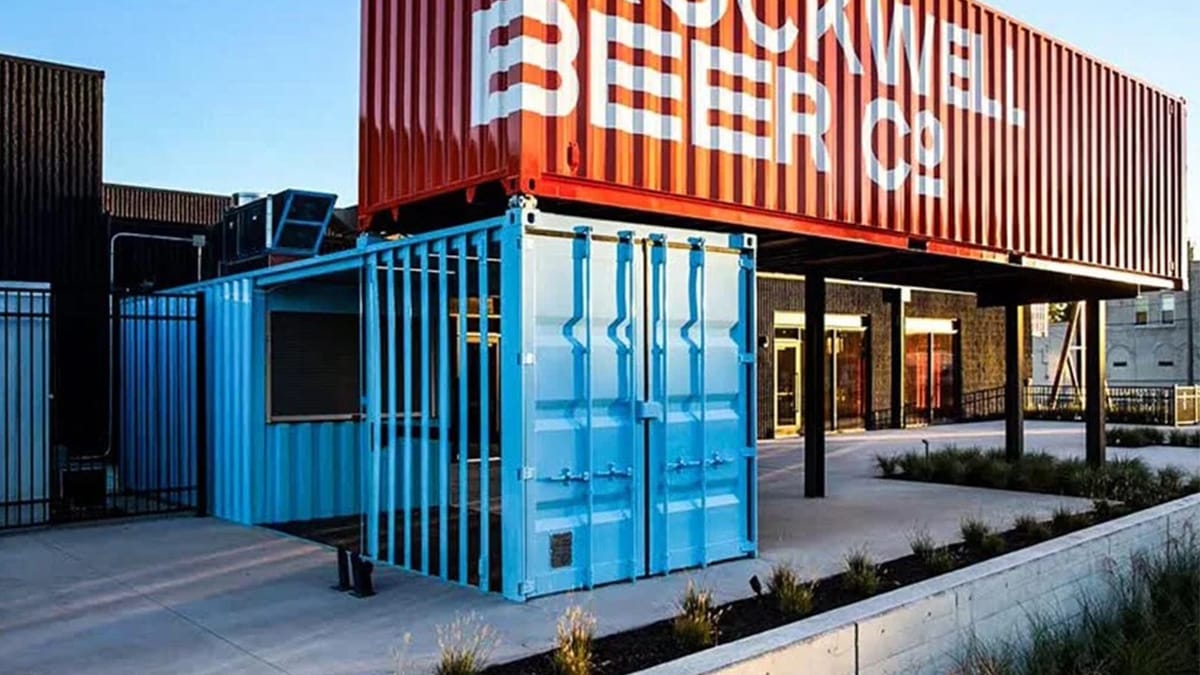
Container homes use shipping containers to build houses. You can pick foldable, expandable, or traditional styles. Each style has its own good points and ways to build. It is important to know these differences before you choose your home.
Foldable and Expandable Container Homes
Foldable and expandable container homes are flexible and fast. You can set them up quickly. Factories build these homes in an assembly line. The parts come ready to use and partly built. This saves you time and money. You can make these homes bigger for living, working, or shelter.
Here is a table with main features and how they are built:
Feature/Method | Description |
|---|---|
Assembly Line Format | Homes are made in a factory for better quality and speed. |
Pre-engineered Parts | Parts are partly built, so there is less waste and lower cost. |
Expandability | You can make the home bigger for more space or new uses. |
Fast Construction | Ready-made parts help you set up the home quickly. |
Portability | You can move these homes to new places easily. |
Versatility | Use them for living, working, or as a shelter. |
Modularity | Add or take away sections to fit what you need. |
Eco-friendly | Builders use recycled materials and can add green energy systems. |
Cost-effective | These homes usually cost less than regular houses. |
Customization | You can pick the size and features that fit your life. |
Tip: If you want a home that you can move or change, foldable and expandable container homes are a good choice.
Traditional Container Houses
Traditional container houses have fixed designs and follow strict rules. Builders must use rules from the International Building Code and International Residential Code. You get a strong home that feels like a regular house. Engineers check all changes to keep your home safe.
Here is a table with common design and building rules:
Section | Description |
|---|---|
IRC R301.1.4 | Builders must use IBC Section 3115 for container homes. |
IBC 3115.2 | Homes need strong designs for wind and snow. |
IBC 3115.3 | Licensed engineers check changes to keep the home safe. |
IBC 3115.4 | Foundations must hold heavy loads at the corners. |
IBC 3115.5 | Connections must move loads and keep the home steady. |
You should pick traditional container houses if you want a home that follows safety rules and feels permanent. These homes are good for long-term living and protect you from weather and damage.
Cost Comparison: Foldable vs Traditional Container Homes
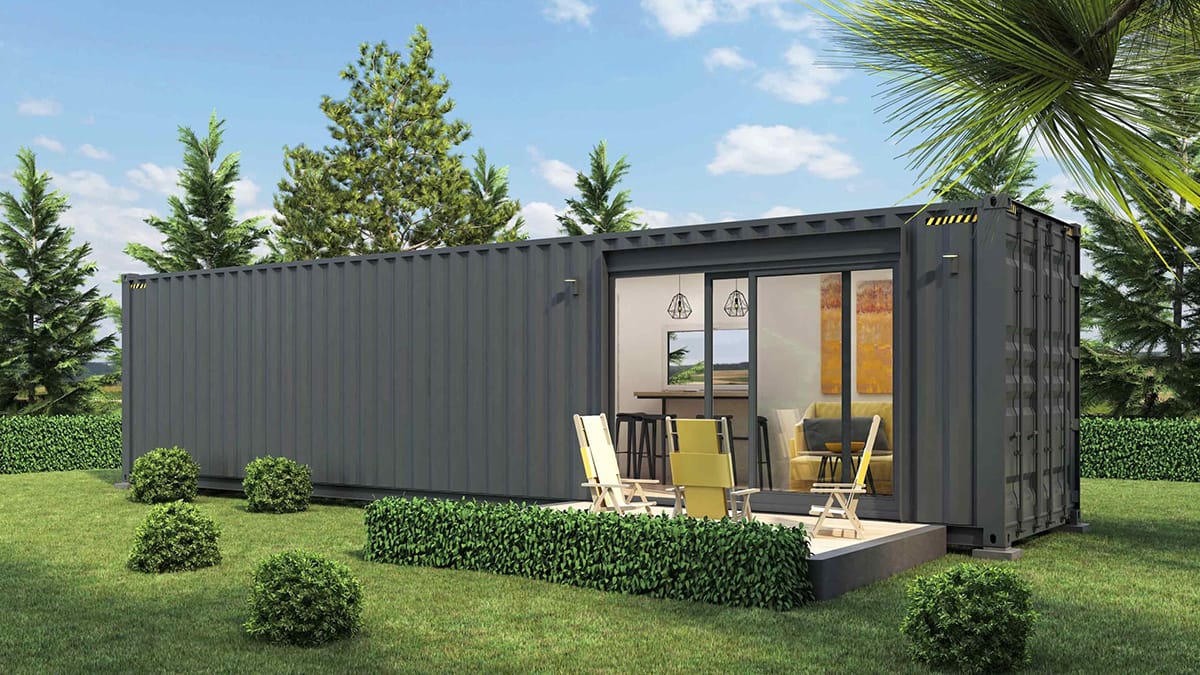
If you compare costs, you will see big changes. Container homes can help you save money. But you should know how and why you save.
Construction Costs
Container homes usually cost less to start than regular homes. Foldable container homes often have a lower price at first. You can check the table below:
Type of Home | Average Cost |
|---|---|
Foldable Container Home | |
Traditional Container Home | Costs more at the start |
Foldable container homes use parts made in factories. This means you pay less for workers and supplies. Traditional container homes need more work at the building site. This can make the price go up. You might also pay extra for permits and special bases with traditional homes.
Cost Per Square Foot
It is smart to look at the price for each square foot. Most container homes cost $150 to $350 for every square foot. Regular homes in America cost $200 to $400 for each square foot. So, you can get more space for your money with container homes.
Some styles, like two-story or cantilever container homes, save even more. Two-story homes use less land and fewer building materials. This helps you spend less and build faster. The table below shows how design choices change your costs:
Evidence Type | Description |
|---|---|
Cost-Effective Construction | Two-story container homes are cheaper because they use less framing and build faster. |
Structural Reinforcement | Adding doors or windows can cost more because you need stronger parts. |
Stacking Techniques | Stacking containers needs extra supports, which can raise costs. |
Foundation Considerations | Stronger bases are needed for safety, and this can cost more. |
Tip: To save money, pick simple designs and do not change the container too much.
Savings with Expandable Container Homes
Expandable container homes can help you save even more. You might save 30% to 50% compared to concrete homes. Many people say they save 30% to 40% in real life. These savings come from building faster, making less trash, and paying fewer workers.
Expandable container homes can save you about 30% to 50% compared to concrete homes.
Real examples show people save around 30% to 40% in different cases.
You can use the money you save for better insulation, solar panels, or other upgrades. This makes expandable container homes a good choice if you want to spend less and still have a nice place to live.
Construction Speed and Convenience
Build Time for Foldable Container Homes
Foldable container homes let you get a new home fast. You can set them up much quicker than regular houses. Most foldable container homes need only 6 to 12 weeks to build. This short time helps you move in sooner and pay less for workers. The table below shows how long each type takes:
Metric | House Containers | Traditional Construction |
|---|---|---|
6–12 weeks | 6–18 months |
Foldable container homes are ready much faster. This makes them a good choice if you need a home quickly. They work well after disasters or for short projects.
Build Time for Traditional Container Homes
Traditional container homes also save time compared to regular houses. You still get a faster build because of modular design and factory work. Many projects finish in just a few weeks. Regular homes can take months or even more than a year. Quick assembly helps when you need shelter right away. Real projects show container homes can be set up fast. This makes them smart for urgent needs.
Prefabrication and Setup
Prefabrication means most of your home is built in a factory first. This process has many good points:
Your home is strong, reusable, and recyclable.
Building uses less energy and makes less waste.
You can pick from many designs and layouts.
Construction times can be up to 80% shorter than regular ways.
You spend less on materials, moving, and workers.
Other things can change how long setup takes:
What you use your home for, like living, office, or storage.
The size and number of rooms you want.
How often you plan to move the home.
The utilities you need, like heat, plumbing, and lights.
Your budget and the features you pick.
Tip: If you want a home that is fast, flexible, and saves money, foldable and traditional container homes are great choices compared to regular houses.
Flexibility and Portability: Expandable Container Homes
Design Flexibility
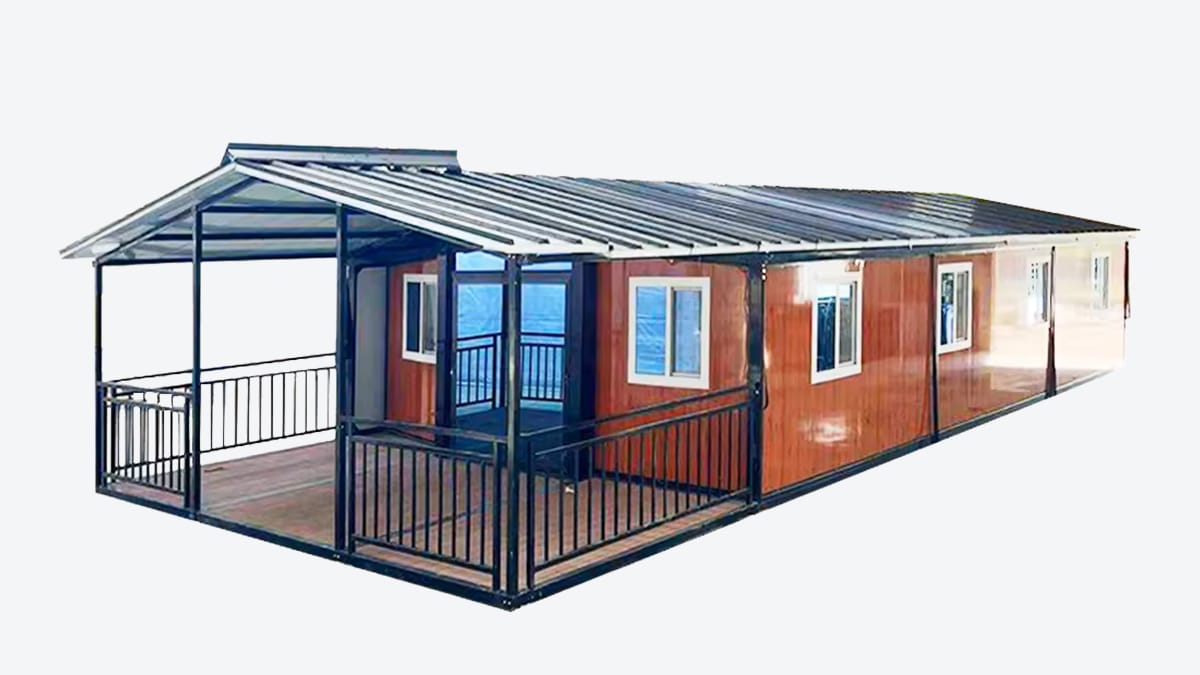
Expandable container homes let you pick how your space looks. You can change the floor plan to fit your life. If you need more space, you can add new sections. You can move walls to make rooms bigger or smaller. This helps you make a home that fits what you want.
You can make living areas larger or add new rooms.
You can decide where bedrooms, kitchens, and bathrooms go.
You can make your home bigger if your family grows.
You can add an office or playroom if you want.
You can choose finishes and features that match your style.
Traditional container homes have layouts that do not change. You cannot move rooms after building. Expandable container homes let you change things as your needs change. You get to control how your home works for you.
Tip: Pick an expandable container home if you want a house that can grow with you. You can make changes without building a new home.
Portability and Relocation
Expandable container homes are easy to move to new places. You can fold them up and take them somewhere else. This is good if you need to move a lot. You can set up your home fast in a new city or state.
Foldable container homes are made for easy moving and quick setup.
You can use them for short stays or projects.
Military families and remote workers like these homes because they can move them when needed.
You do not have to leave your home behind.
Traditional container homes are harder to move. They take more work to take apart and put back together. Expandable container homes give you more freedom to live where you want. You can bring your home with you.
Note: Expandable container homes are great for flexibility and moving. You can change your space and take your home anywhere.
Durability and Maintenance: Container Homes
Longevity of Foldable Container Homes
If you pick a foldable container home, you want it to last. Many people and builders say these homes can last many years. They may last for decades if you take care of them. How long your home lasts depends on the container’s quality, how you care for it, where you put it, and your design choices.
Most foldable container homes last from 25 to 50 years or more.
Using strong containers and doing regular care helps them last longer.
Homes in places with nice weather usually last longer than homes in rough weather.
Good building and smart design can add more years to your home.
You can help your foldable container home last longer by looking for rust, fixing leaks, and keeping it clean. If you live where it rains or snows a lot, check your home more often. Taking care of your home often helps you stop big problems and keeps your home safe.
Tip: Make a plan to check and fix small things in your foldable container home. This helps you find problems early and fix them fast.
Maintenance Needs for Traditional Container Houses
Traditional container houses need regular care to stay strong and nice. You should look at different parts of your home every year. Experts say you should use a checklist to remember what to do. Here is a table that shows the main things to check and what to do:
Maintenance Area | Key Tasks |
|---|---|
Foundation & Pier System | Look for cracks in piers and slabs; make sure supports are level; check for dirt washing away. |
Roof & Drainage System | Check the roof for damage; clear off leaves; look for leaks; make sure gutters are not blocked. |
Window, Door & Seal Maintenance | Check for gaps in frames; add new caulk if needed; oil hinges; change weatherstripping. |
Climate-Specific Maintenance | What you need to do changes by where you live; check local guides for help. |
Emergency Repair Procedures | Keep an emergency kit; write down repairs; call experts for big problems. |
Cost Analysis | Yearly care costs about $1,000 to $3,000; doing small fixes early saves money. |
Professional Tools & Equipment Guide | Use tools like wire brushes, moisture meters, and thermal cameras to help with care. |
Maintenance Documentation | Write down checks and repairs; keep receipts and photos for your records. |
Professional Services | Think about getting yearly checks for heating, plumbing, and electric systems. |
You can keep your traditional container house in good shape by following these steps. Checking and fixing things often helps you avoid big, costly problems. If you hire experts, your home will stay safe and comfy for a long time.
Note: Keeping a record of your care and repairs helps you remember what you fixed and can make your home worth more if you sell it.
Comfort and Living Experience

Space and Layout Planning
Container homes give you a special kind of space. Foldable container homes let you change how rooms look. You can make rooms bigger or move walls if you need more space. Traditional container homes have layouts that stay the same, but you can still make them feel cozy. You might use open areas for living rooms or add walls for privacy. Think about how you use each room. Put bedrooms far from noisy places. Place the kitchen close to the door so it is easy to reach. Built-in furniture helps save space. Many people use loft beds or tables that fold up. You can put storage under stairs or inside walls. If you want more sunlight, add big windows or skylights.
Tip: Draw your dream layout before you start building. This helps you see how each part will fit your life.
Insulation and Climate Control
To feel good in a container home, you need good insulation and ways to control the temperature. You want your home warm in winter and cool in summer. Foam insulation keeps out water and bugs. Blanket insulation is simple to put in and keeps heat in. Panel insulation looks nice and works well for finished walls. Some people use eco-friendly choices like sheep wool or old denim.
Batt insulation is a smart pick. It costs less and helps you spend less on heating and cooling. Use batt insulation with R 13 or R 19 ratings. This keeps your home comfy all year.
You also need ways to control the air and heat. Here are some choices:
Description | Pros and Cons | |
|---|---|---|
Window Air Conditioners | Easy to put in, not expensive | Does not cool big containers well |
Through-Wall HVAC | Strong and works well for permanent homes | Costs more, needs experts to install |
Louver Vents | Lets air in, keeps out dust and water | Not great when it is very hot or cold |
Roof Turbine Vents | Uses wind to push out hot air, good for the planet | Does not work when there is no wind |
Baseboard Heaters | Gives steady heat, good for cold places | Uses electricity, does not cool the home |
You can use different insulation and air systems together. Good planning helps your container home feel nice in every season.
Customization and Design Options
Expandable Container Homes: Design Flexibility
You get lots of choices with expandable container homes. These homes let you change your space to fit your life. You can pick open floor plans and modern styles. Smart home features are also possible. Many companies offer ways to make your home special. The table below shows what some top builders give you:
Manufacturer | |
|---|---|
Met Containers | Custom layouts, eco-friendly materials, energy-saving technology |
ROXBOX Containers | Ready-made models, custom builds, modern looks, useful features |
Container Home Pro | Special layouts, unique finishes, smart features for easy living |
Relevant Buildings | Open layouts, fancy finishes, focus on being green |
Oasis Engineering | Layouts for your needs, luxury features, strong builds |
Double Wing Custom Prefab | Expandable wings, fast setup, modern living choices |
You can add rooms or change the layout as you need. If you want a bigger kitchen or a new office, it is easy. You can pick colors, floors, and lights that match your style. This design freedom helps you make a home that feels right.
Tip: Expandable container homes are smart if you want a home that can change with you.
Traditional Container Houses: Customization
Traditional container houses let you change some things, but there are more limits. You can pick finishes, paint, and change some layouts. Big changes cost more and take longer. Walls that hold up the house can stop you from moving rooms or adding space.
You can choose finishes and some features, but big changes are tough.
Making the layout bigger or different needs extra work and money.
Smart home features are possible, but not always easy to add.
These homes have less design freedom because of how they are built.
You can still make your traditional container house feel special. Try built-in shelves, cool lights, or custom cabinets. These things help your home stand out, even if you cannot change the main layout much.
Note: Expandable container homes give you more ways to change your home than traditional ones.
Sustainability and Environmental Impact
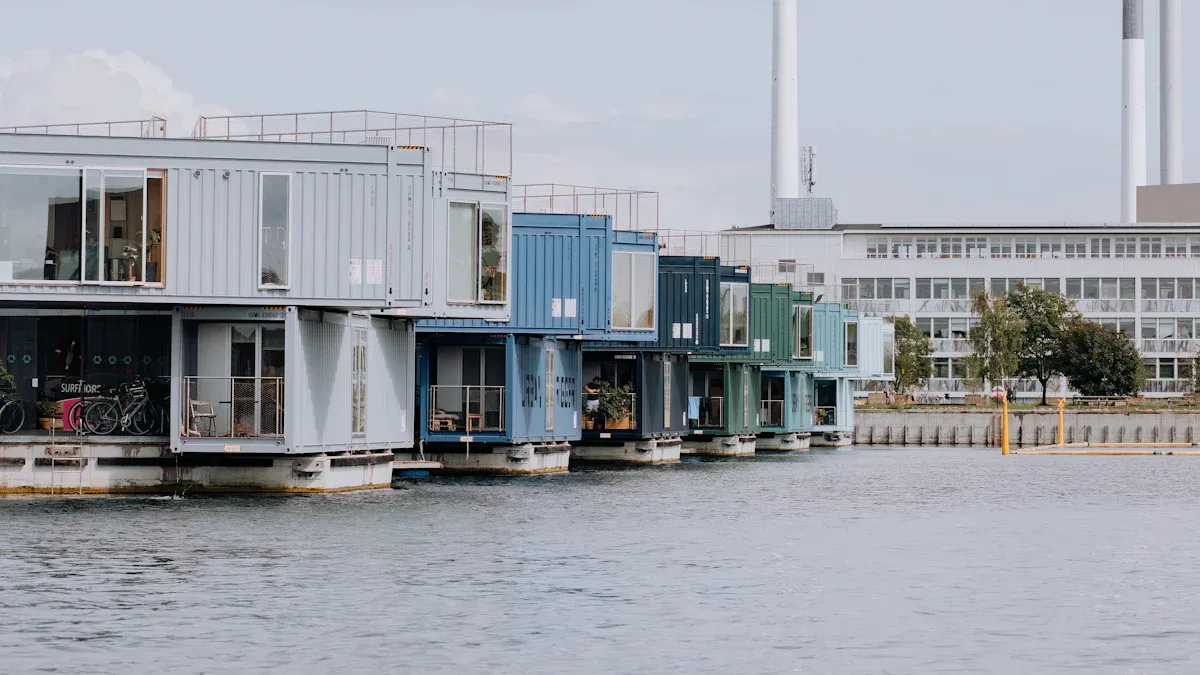
Eco-Friendly Features of Container Homes
Picking container homes with green features helps the planet. These homes use old shipping containers again. This cuts down on waste and saves resources. You do not need lots of new insulation, so you make less pollution when building. Many container homes have solar panels and systems to collect rainwater. These things help you save power and water every day.
Some container homes have green roofs and composting toilets. These help you live in a way that is better for nature. You can also get homes with windows and doors that save energy. These upgrades keep your home cozy and use less power. The table below lists some common green features:
Eco-Friendly Feature | Description |
|---|---|
Repurposed Containers | Uses old containers, reducing waste and saving resources. |
Solar Panels | Provides clean energy and lowers your environmental impact. |
Rainwater Collection | Collects water for reuse, helping conserve resources. |
Minimal Insulation Materials | Reduces the need for new materials, lowering the carbon footprint. |
Picking a container home helps you care for the earth.
Using recycled materials helps the planet.
Green roofs and rainwater systems lower your impact on nature.
Sustainability Upgrades for Traditional Homes
You can make a regular home better for the earth with upgrades. Solar panels and wind turbines give you clean energy. Paints and finishes that are safe for the air keep your home healthy. Water-saving systems like rainwater tanks and greywater recycling help you use less water.
You can pick green materials like bamboo and old wood. These choices help save trees and cut down on trash. Smart thermostats and energy trackers help you use less power. Better insulation and energy-saving windows and doors also help you use less energy.
Solar panels and other clean energy systems help the planet.
Water-saving upgrades, like low-flow faucets, help you use less water.
Using recycled and old materials is good for the earth.
Paints with low chemicals keep your air clean.
Green roofs and solar shingles help you save energy.
You can make your home greener by picking upgrades that help the earth and lower your impact.
Resale Value and Regulations
Market Value of Container Homes
You might wonder how much container homes are worth today. The market for container homes keeps growing each year. Many people now see these homes as smart investments. You can look at the table below to see how the market value has changed over time:
Year | Market Value (USD) |
|---|---|
2023 | $61.83 billion |
2024 | $64.75 billion |
2032 | $108.70 billion |
These numbers show that more buyers want container homes. If you own a container home, you may see its value rise in the future. Foldable and traditional container homes both benefit from this trend. You can expect strong resale value, especially if your home is well-kept and meets local rules.
Tip: Keeping your container home in good shape and following building codes can help you get a better price when you sell.
Zoning and Legal Considerations
Before you buy or sell a container home, you need to know about local rules. These rules can affect where you place your home and how easy it is to sell later. Here are some key points to remember:
Local zoning laws decide where you can build a container home.
Building codes set the standards your home must meet.
Rules can change a lot depending on your city, state, or climate.
You should always check with your local government before you start building. Some places welcome container homes, but others have strict rules. If you follow the right steps, you can avoid problems with permits or resale. Good planning helps you enjoy your home and protect its value.
Note: Understanding local laws makes it easier to place, live in, and sell your container home.
If you want a home that sets up fast and costs less, pick a foldable container home. If you care more about comfort and a strong house, choose a traditional container home. Traditional homes also sell for more money later. Think about how much money you have, where you want to live, and what you will use your home for. The table below shows what real estate experts say to check:
Factor | Description |
|---|---|
Quality | Ask what materials are used and if they are certified. |
Customization | Make sure you can design the space for your needs. |
Environmental | Think about how the home helps the planet in the long run. |
Certifications | Look for safety marks like ISO 9001, CE, or UL. |
Quality Control | Get a third party to check if your home matches your order. |
Decide what you need your home for and how much space you want.
Pick a safe spot and make sure the seller is honest.
Plan for things like water, power, and upgrades that fit your budget.
Tip: Always ask experts about building rules, insulation, and utilities before you buy.
FAQ
What is the main difference between foldable and traditional container homes?
Foldable container homes can be folded and moved easily. Traditional container homes stay in one place and feel more permanent. Foldable homes let you set up fast and move quickly.
How long does it take to build a foldable container home?
You can build a foldable container home in 6 to 12 weeks. This is much faster than building a regular house. Fast building helps you save time and money.
Are container homes safe in bad weather?
Container homes are made with strong steel. They protect you from wind and rain. Traditional container homes have better insulation and stronger bases for tough weather.
Can you customize a foldable container home?
You can pick layouts, finishes, and features for foldable container homes. Many builders let you add rooms or change the design. This lets you make a space that works for you.
Do container homes need special permits?
You need to check local zoning laws and building codes before building. Some places have strict rules for container homes. Always ask your city or county about permits.