

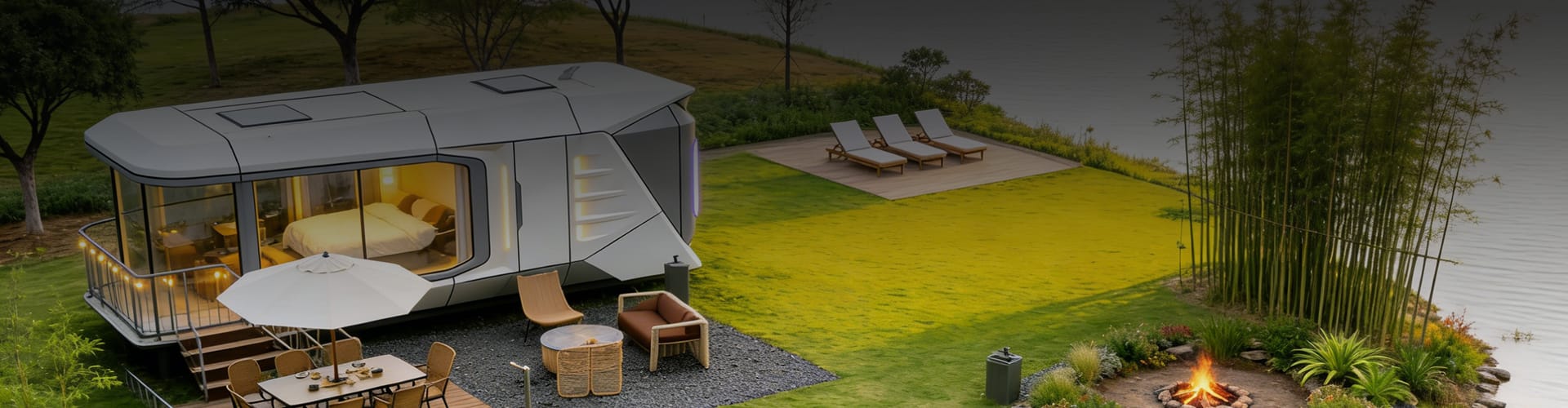
26 Apr Step-by-Step Guide to Buying a Glamping Capsule Tiny Home in 2026
You want to buy a glamping capsule tiny home in 2026. Start by checking your budget and the glamping capsule tiny home price. Next, look at what you need in a home and see which suppliers match your style. Make sure you understand the rules for your area and read about each company. Many people like capsule homes because they are modern, strong, and easy to move. Take each step with care, and you can find the right home for you.
Key Takeaways
Think about what you need before you shop. Decide how much money you can spend, how you will use the capsule home, and what features you want. This helps you pick the best capsule home for you.
Look up different manufacturers. Pick companies that people trust. Read reviews and see if they help customers well. This makes sure you buy a good capsule home.
Learn about zoning laws and permits. Check the rules in your area. This helps you avoid problems when you put your capsule home on your land.
Think about all the costs. Remember to include shipping, putting the home together, and taking care of it later. This helps you plan your money for your capsule home.
Make your capsule home special. Pick the layout, colors, and smart features you like. This makes your capsule home fit your life and style.
What Is a Glamping Capsule Tiny Home?
Key Features and Design
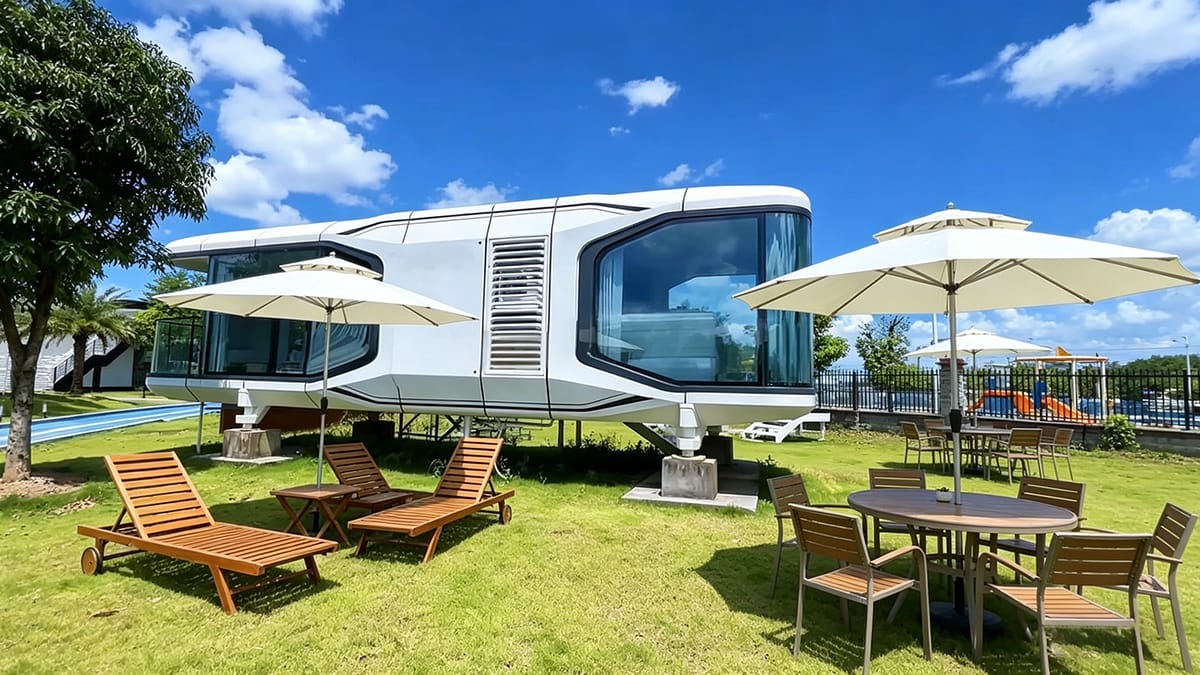
Capsule homes give you a new way to live small. When you walk in, you see a smart layout. Every space is used well. These tiny houses use modular designs to save space. They have strong insulation and use energy-saving materials. The walls are made from steel, aluminum, and light panels. Polyurethane foam helps keep the inside warm or cool. Double-glazed windows let in sunlight but block noise. The inside uses engineered wood, which looks nice and lasts long. Mineral wool helps stop fire and sound. Polycarbonate panels let in soft light. Smart building systems help control heat and energy. Solar glass panels and aerogel insulation help save power. You can see how these camping house options mix style and function.
Feature | Glamping Capsule Tiny Homes | Traditional Tiny Homes |
|---|---|---|
Width | 10.5 feet | 8 feet |
Height | 10.5 feet | 8.5-9.5 feet |
Durability | Up to 50 years | 20-30 years |
Nature Resistance | Wind speeds up to 70 m/s | Lower resistance |
Installation | One day | Longer installation time |
Energy Efficiency | Advanced insulation | Often lacks efficiency |
Smart Home Features | Yes | Limited features |
Environmental Impact | Standard efficiency |
You get a small home that stands up to wind and weather. Camping feels safe and cozy. There are many camping house options to pick from. Each capsule house design can fit your needs and style.
Why Choose in 2026?
More people want capsule homes in 2026. Living small is getting popular. You want a camping house option that lasts a long time. Capsule homes are strong and can handle bad weather. You can camp without worry. People care more about the environment now. These homes use solar power and green materials. They do not hurt nature much when built. Good insulation saves money on heating and cooling. You get a camping house option that matches what you care about.
Trend/Innovation | Description |
|---|---|
Sustainability | Eco-friendly living solutions attract buyers who care about environmental consciousness. |
Technological Advancements | New designs and materials make capsule homes more functional and appealing. |
Unique Accommodations | People want camping house options that offer a special camping experience. |
You see faster building and more choices for camping house options. Offsite building means you wait less time. You can pick a small home that fits your camping style. Capsule homes make living small easy and fun.
Tip: If you want a camping house option that is comfy, strong, and good for the planet, capsule homes are the best pick for your camping trip in 2026.
Step by Step Guide to Buying
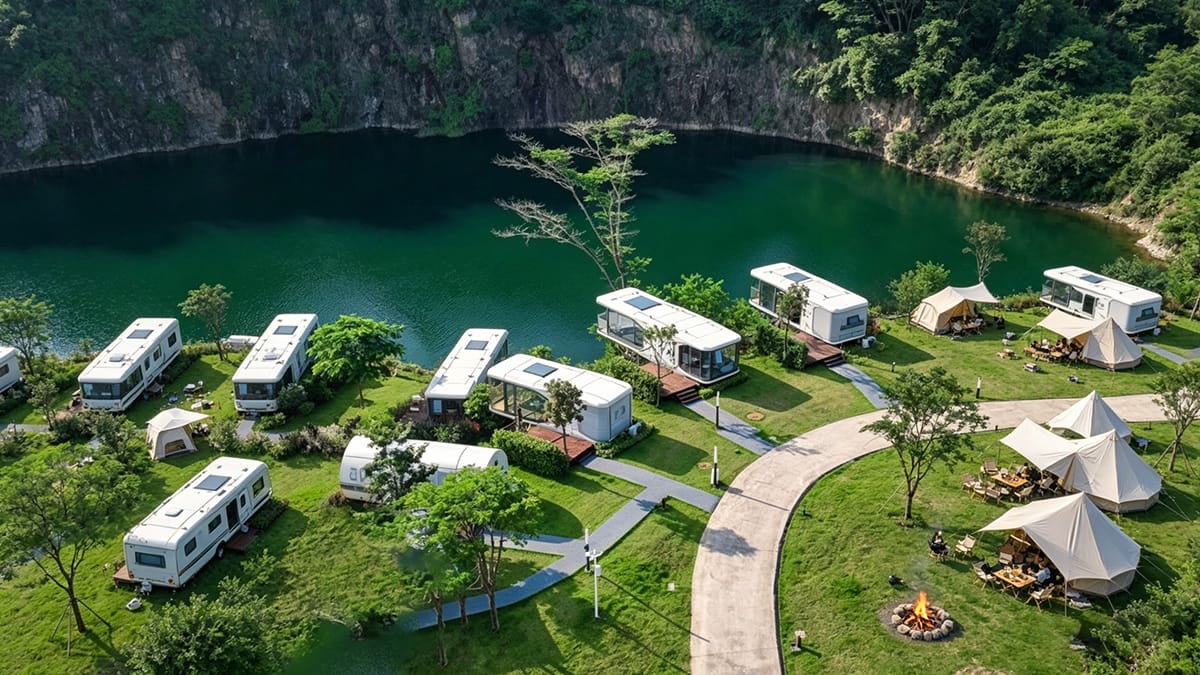
Are you excited to start with capsule homes? This guide will help you make good choices from the start. You want a small space that fits your life. You need to know what to look for and how to avoid mistakes. We will break the steps down so you can feel sure about buying a capsule house or resort capsule houses for your next trip.
Define Your Needs
You must know what you want before you look at capsule homes. Ask yourself some questions:
Will you use your compact home to live in, for weekends, as a rental, or as a workspace?
What is your budget? Remember to add delivery, foundation, permits, and furniture.
Do you know the zoning laws in your area? Check with your local office to see if you can put tiny houses or capsule homes on your land.
How much do you want to change your home? Some companies let you pick layouts, colors, or features.
Are you looking for a compact design with smart energy features like solar panels or advanced insulation?
Do you want a home that moves easily or stays in one place?
Tip: Write your answers down. This helps you compare choices and stay focused while you search.
A buyer’s guide starts with clear goals. If you know your needs, you can find capsule homes that fit your style and budget. You also save time by skipping models that do not fit your life.
Make a Manufacturer List
Now you need to find companies that build capsule homes. Start by making a list of top manufacturers. Look for those who offer compact designs, strong materials, and good customer service. Here are some of the most trusted names in 2026:
Glam Tiny House (GLAMNI): Custom tiny houses and pods with high-quality materials.
Volferda Industry Limited: Capsule homes and glamping units, known for making many homes.
Etong (Liaoning Yitong Intelligent): Budget modular units with fast setup.
SUNJ House: Futuristic pod designs for small and medium buyers.
Guose Group: Themed park pods and project services.
Vessel (303 Vessel): Luxury capsule homes for resorts.
Qingzhou Vessel Housing Technology: Affordable bulk production for big projects.
Liansheng (Qingdao Lian Sheng International): Many capsule and modular tiny houses.
Focus on companies that match your needs. For example, Volferda Industry is good for making lots of capsule homes and unique designs. If you want resort capsule houses for a business or glamping site, this company could be a good choice.
Note: Always check if the company offers the compact size and features you want. Some focus on luxury, while others offer simple, affordable options.
Research Reviews and Track Records
You do not want surprises after you buy your compact home. Take time to read reviews and check each company’s history. Here is a simple table to help you compare:
Manufacturer | Years in Business | Warranty Offered | Customization | Customer Rating |
|---|---|---|---|---|
Glam Tiny House | 10+ | Yes | High | 4.7/5 |
Volferda Industry | 8 | Yes | Medium | 4.6/5 |
Etong | 6 | Yes | Medium | 4.4/5 |
SUNJ House | 5 | Yes | High | 4.5/5 |
Guose Group | 12 | Yes | Medium | 4.3/5 |
Read what other buyers say about their compact homes. Look for comments about strength, energy savings, and customer service. A good buyer’s guide will remind you to watch for warning signs like unclear timelines or pushy salespeople. If a company has many happy customers and clear answers, you can trust them more.
Callout: Always ask for a warranty and check if the company helps with permits or installation. This can save you time and money.
By following this guide, you make sure you match your needs with trusted suppliers. You get a compact home that fits your life, whether you’re buying resort capsule houses for business or a cozy retreat for yourself. Take your time, do your research, and enjoy finding the perfect capsule homes for your future.
Capsule House Buying Guide: Comparing Models
Model Types and Layouts
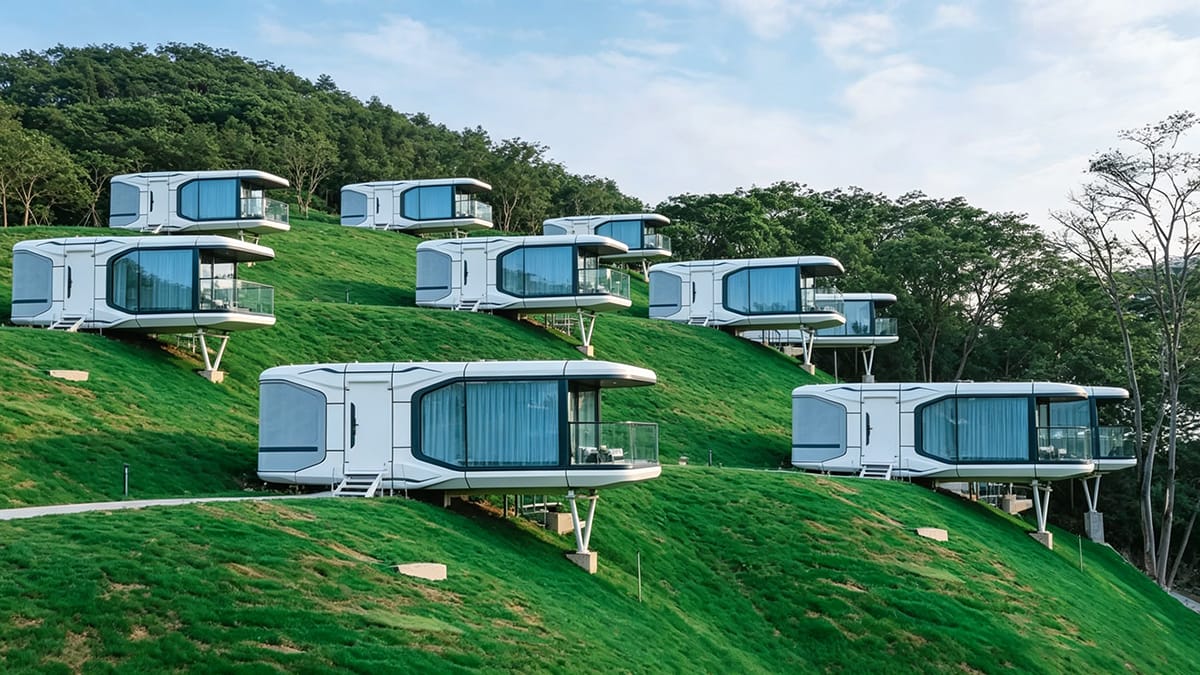
There are many capsule homes you can pick from. In 2026, space capsule designs are very popular. These small homes use strong aluminum and smart-home tools. You can choose a model that matches how you live. Nestron’s capsule homes are good for resorts and are easy to set up. There are three main types of compact units. Each type has different sizes and layouts.
Size Range | |
|---|---|
Park Model | Up to 400 sq ft |
Tiny House Pod | 301-409 sq ft |
Glamping Pod | 100-200 sq ft |
Park models give you the most room. Families like these because they have full kitchens and bedrooms. Tiny houses are a good mix of comfort and small size. Couples or small families like the queen beds and small kitchens. Glamping pods are the smallest. You get a small space for short trips with a real bed and a tiny kitchen.
Tip: Think about what you need and look at the sizes and layouts. Pick a compact home that works for your daily life.
Glamping pods are easy to move. They only need a little space for delivery. Park models need water and power hookups. Tiny houses can move without needing to stay in one spot. Compact pods give you more choices for where to put them.
Customization Options
You can make your capsule homes special. Builders let you change the size and layout. You can pick more than one level or open spaces. You choose the floors, counters, and wall colors. Smart tech makes your home easy to use. You can add lights that turn on by themselves, voice helpers, and security. Green features like solar panels and rainwater systems help save energy. You pick the outside look and window styles. Sliding walls and furniture that moves help you use every bit of space.
Customization Category | Options Offered |
|---|---|
Layout and Structural Modifications | Multi-level, open-concept, modular expansion |
Interior Design and Aesthetics | Bamboo, oak, laminate floors; granite, quartz counters; wall colors |
Smart Technology Integration | Automated lighting, voice systems, entertainment, security |
Sustainable Solutions | Solar panels, rainwater harvesting, recycled materials |
Exterior Finishes | Wood, metal cladding; color palettes; window and door choices |
Flexible Space Utilization | Sliding walls, modular furniture, convertible spaces |
Note: Customizing helps you match your home to your style and needs. You get more from your space by making smart choices.
Durability and Weather Resistance
Capsule homes in 2026 are made to last a long time. They use strong aluminum and steel. These small homes can handle wind, rain, and sun. You get insulation that keeps you warm or cool. Smart-home tools help you control energy and comfort. Space capsule designs keep your home safe from bad weather. You can camp or live in your capsule home without worry. The capsule house buying guide helps you check how strong and weatherproof each home is. You want a small home that stays strong for many years.
Callout: Always look at the size and layout for weather safety. Make sure your home can handle storms and heat.
You can find capsule homes that are stylish, comfy, and strong. You get a small home that fits your life and lasts for years.
Glamping Capsule Tiny Home Price and Costs
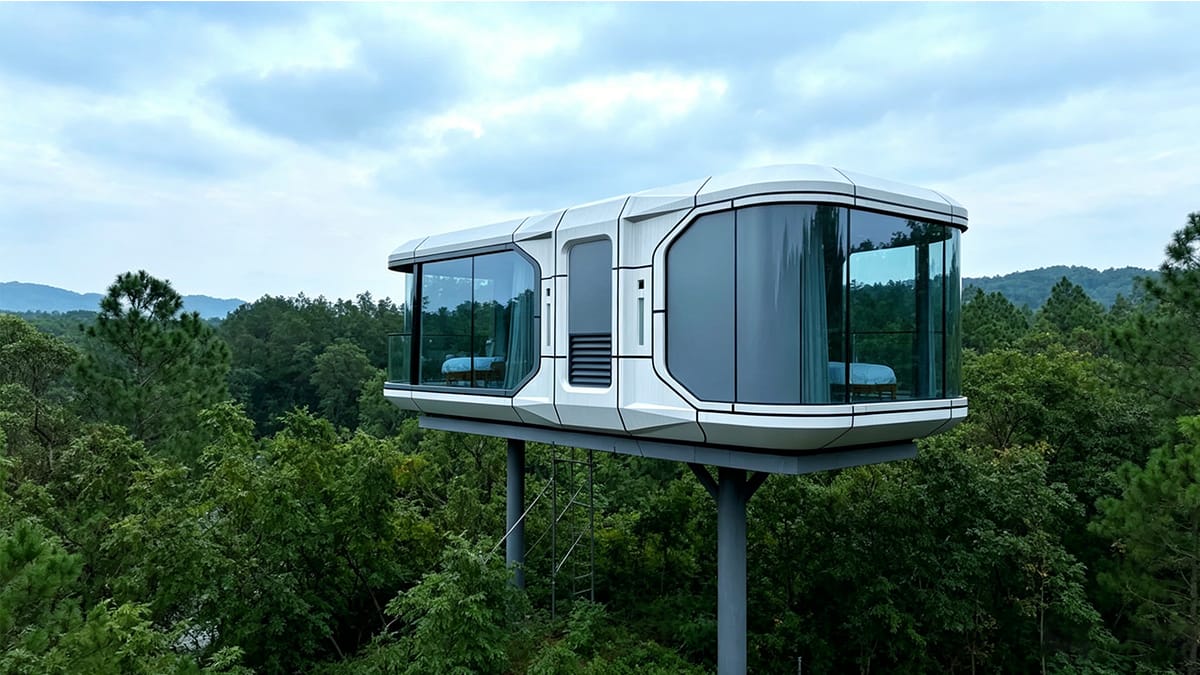
Price Range Overview
You might want to know how much a glamping capsule tiny home costs. The price changes depending on what you pick. Some capsule homes are just a shell. Others come with everything you need for daily life. If you know what you want, you can find a model that fits your budget.
Here’s a quick look at prices in 2026:
Type | |
|---|---|
Basic Capsule (shell) | $12,600 – $24,200 |
Standard Capsule House | $26,250 – $49,500 |
Premium Capsule House | $50,400 – $88,000+ |
Space Capsule House | $57,750 – $104,500+ |
A basic capsule gives you a small space with strong walls. It uses eco-friendly materials. You add your own kitchen and bathroom later. A standard capsule house has more things, like a small kitchen, a comfy bed, and a bathroom. Premium and space capsule homes have smart tech, better insulation, and fancy extras. You get more green materials, a better kitchen, and cool designs.
Tip: Decide your budget before you shop. Think about which things you need most. This helps you choose the right capsule homes for you.
Cost Per Square Foot
You may wonder how the glamping capsule tiny home price compares to other small homes. Looking at cost per square foot helps you see the value. Capsule homes use smart layouts and green materials to save money. You get a good design with all the things you need.
Here’s how the costs compare:
Type of Home | |
|---|---|
Glamping Capsule Tiny Homes | $15,000 – $30,000 |
DIY Tiny Homes | Under $20,000 |
Custom-Built Tiny Homes | $80,000 – $120,000 |
Capsule homes give you a small space with the basics for less money than custom-built tiny homes. You get a kitchen, bathroom, and a comfy bed in a smaller area. Using green materials keeps your home easy to care for. Smart insulation helps you save on heating and cooling.
Note: If you want power and water, check if your capsule homes have utility hookups. Some models need extra work to connect to these.
Hidden and Ongoing Expenses
You need to think about more than just the glamping capsule tiny home price. There are extra and ongoing costs with capsule homes. These costs can surprise you if you do not plan. Good budgeting helps you avoid problems later.
Here are some common costs you should know:
Expense Type | |
|---|---|
Shipping | $1,500–$7,000 |
Trucking | $2,000–$5,000 |
Import Tariffs | Up to 25% ($6,000–$12,000+) |
Crane Rental | $1,000–$3,000/day |
Site Preparation | Varies widely |
Utility Hookups | $2,000–$10,000 |
Permitting/Zoning Fees | $500–$5,000 |
Maintenance | $200–$2,000/year |
Insurance | $200–$600/year |
You pay for shipping and trucking to bring your home to your land. Import tariffs can make the total cost higher, especially for space capsule homes. You might need a crane to put your home in place, which costs more. Site preparation depends on your land. Utility hookups matter if you want power and water. Permitting and zoning fees change by area.
You also need to think about yearly costs. Maintenance keeps your home in good shape. Insurance protects your home. If you use green materials, repairs may cost less. Good budgeting means you plan for these costs before you buy.
Callout: Always ask your supplier about all fees. Make sure you know what is included in the glamping capsule tiny home price and what you will pay later.
Capsule homes give you a lot. You get the basics, green materials, and a small design. You can cook in your kitchen, sleep in a cozy bed, and enjoy nature. With smart budgeting, you can own a capsule home that fits your life and your money.
Legal Checks and Zoning
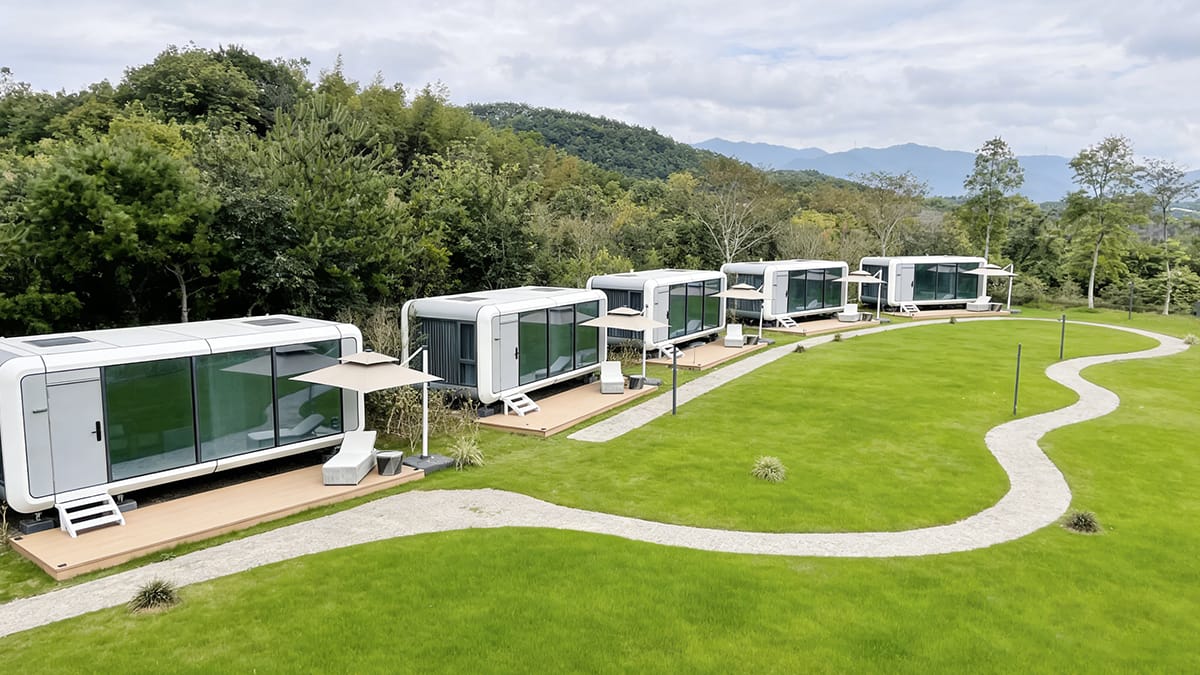
Zoning Laws and Permits
You need to check the rules before you buy capsule homes. Zoning laws tell you what you can build on your land. Some areas call capsule homes Recreational Vehicles, Accessory Dwelling Units, or Modular Construction. Each type has its own rules. You must know if your compact home can stay on your land or if you need to move it.
Here’s what you should do:
Call your local zoning office. Ask if you can put compact or modular homes on your property.
Tell them about your compact unit. Share if it needs a foundation or sits on wheels.
Ask about permits. You may need building, plumbing, or electrical permits for your compact home.
Get ready for a site check. Inspectors will look at your compact home and land for safety.
Keep all your papers. Save emails and permits for your compact home.
Tip: Zoning laws change by city and state. Always check before you buy capsule homes.
Zoning rules cover things like where you put your compact home, what you use it for, and what utilities you need. Some places have strict rules for capsule homes, so always ask first.
Shipping and Installation
Getting your capsule homes delivered is a big step. You want your compact home to arrive safe and ready to use. Here’s how the process works:
Step | Description |
|---|---|
Site preparation | Make sure your land is flat and ready. Set up water, power, and a clear path for cranes. |
Installation options | You can hire local workers who know about compact and modular homes. If you have skills, you can try to set up your compact home yourself. |
Installation timeline | Most capsule homes take 1–2 weeks to set up, finish, and connect to utilities. |
Final checks | Walk through your compact home. Make sure everything matches your order and works right. |
Note: Always check your compact home for damage after shipping. Take photos and call the company if you see problems.
Capsule homes are easy to move and set up. You can pick a compact model that fits your land and your needs.
Insurance and Warranty
You want to protect your capsule homes and your money. Insurance and warranty plans help you feel safe. Most compact homes come with a warranty. Here’s what you get:
Warranty Type | Duration | Coverage Details |
|---|---|---|
Structural Warranty | Covers the main frame and structure of your compact home. | |
Product Warranty | 1 year | Covers the compact home, but not glass, windows, or appliances. |
Support | N/A | Gives you spare parts, tech help, and setup tips for your compact home. |
Exclusions | N/A | Does not cover damage during shipping or installation. |
You can also buy insurance for your capsule homes. This covers fire, theft, and weather. Ask your agent if your compact home needs special coverage. Always read the fine print. Some plans do not cover damage during shipping or setup.
Callout: Save your warranty papers and insurance info. If you have a problem with your compact home, you will need these documents.
Capsule homes give you a smart, safe way to live. When you check the rules, plan your shipping, and get good coverage, you can enjoy your compact home with peace of mind.
Camping House Investment Tips
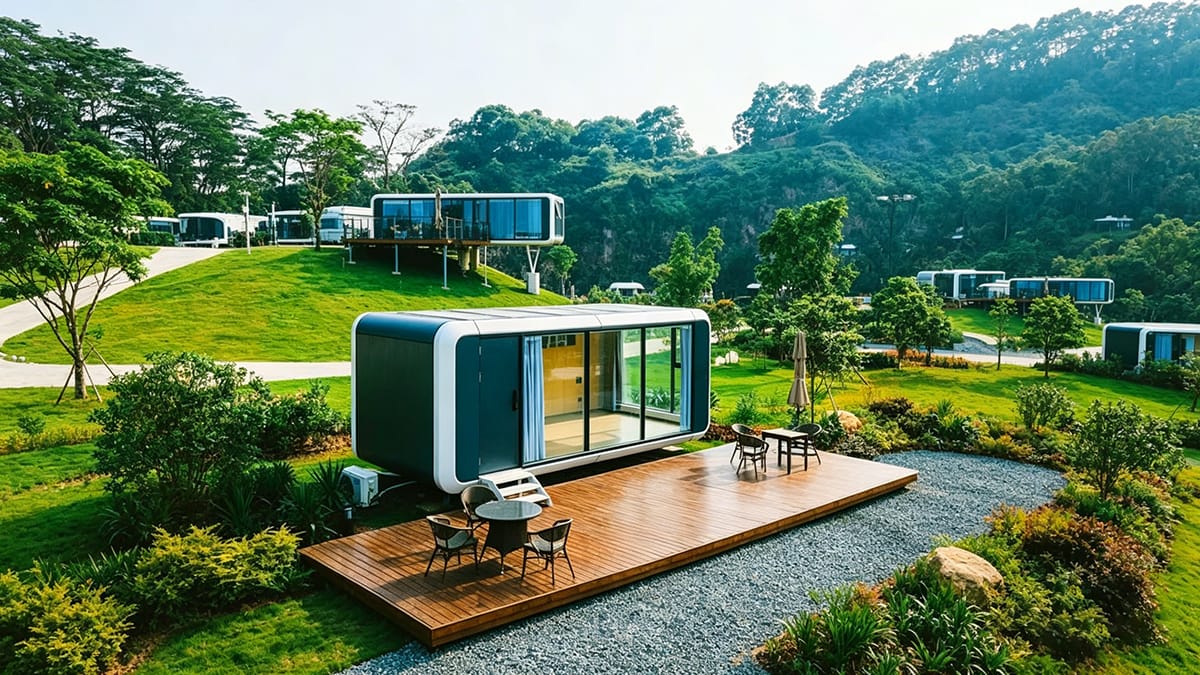
Value and Resale Potential
You want your camping house investment to grow in value. When you look at capsule homes, you see many things that can help your money work for you. These compact units go up fast and cost less to build. You save money because the factory makes most parts. You also use less energy because capsule homes have smart designs and green materials. This means your bills stay low.
Capsule homes fit many uses. You can rent them out, use them as a home office, or even set up a small shop. Young people and digital nomads love these compact spaces. The market for capsule homes keeps growing. You need to check the rules in your area before you buy. Some places have strict laws for compact homes. You may find it takes longer to sell capsule homes than a regular house. The market is smaller, but the right buyer will see the value.
Here’s a quick look at what affects your camping house investment:
Factor | Description |
|---|---|
Fast setup and lower costs for capsule homes. | |
Sustainability | Energy-saving designs and materials in compact homes. |
Flexible Use Scenarios | Capsule homes work as rentals, offices, or shops. |
Market Demand | More people want compact and modern living. |
Regulatory Considerations | Local rules can help or hurt your camping house investment. |
Resale Liquidity | Capsule homes may take longer to sell than regular houses. |
Tip: If you want your camping house investment to pay off, pick capsule homes with smart features and check the rules in your area.
Common Mistakes to Avoid
You want your camping house investment to go smoothly. Many buyers make the same mistakes with capsule homes. You can avoid these problems if you know what to watch for.
You skip checking local rules. Compact homes need the right permits. Always ask before you buy.
You forget about extra costs. Shipping, setup, and insurance add up for capsule homes.
You pick the wrong size. Compact units come in many shapes. Make sure your capsule homes fit your needs.
You do not check the builder’s record. Some companies make better capsule homes than others.
You ignore resale plans. Think about how easy it will be to sell your compact home later.
Callout: Write down your plan for your camping house investment. This helps you stay on track and avoid costly mistakes.
Capsule homes give you a smart way to invest. You get a compact space that works for many uses. If you plan well, your camping house investment can bring you comfort and profit for years.
Buying Checklist
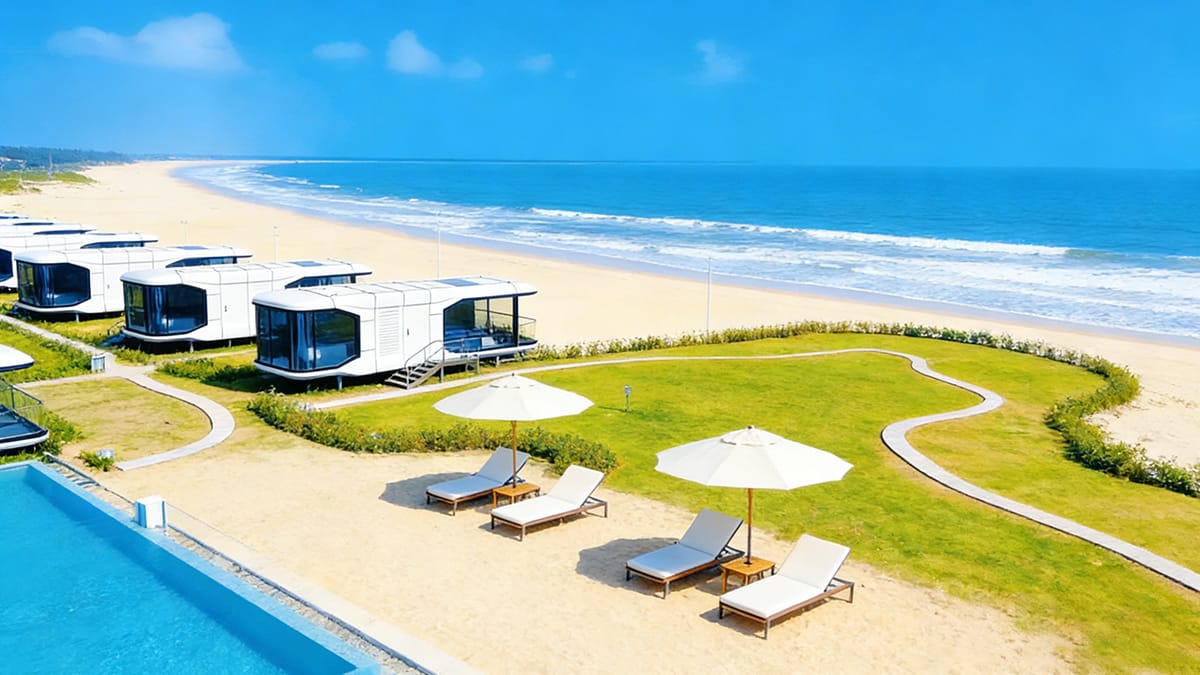
Final Steps Before Purchase
You are almost ready to make your dream of owning capsule homes come true. Before you finish, use this checklist to make sure you cover every detail. Capsule homes offer a unique way to live, but you want to avoid surprises. Here are the most important steps to take before you buy your compact home:
Set a clear budget. Think about the price of capsule homes, plus extra costs like transportation and installation for your compact unit.
Make sure your compact home matches your style. Look for capsule homes that let you pick colors, layouts, and finishes.
Choose capsule homes that fit your lifestyle. Some compact models have smart features and adjustable interiors.
Check your location and the environment. Make sure your land works for capsule homes and compact living.
Pick the right size and layout for your compact needs.
Review the materials and support from your supplier. Strong capsule homes last longer.
Look for key amenities in your compact home, like a kitchen or bathroom.
Plan your costs and how you will pay for your compact house.
Understand the legal rules and get insurance for your capsule homes.
Research the reputation of your supplier. Good compact home companies have happy customers.
Tip: Write down your answers and keep them handy. This helps you stay focused and confident as you shop for capsule homes.
Confirming Your Order
Once you pick your favorite capsule homes, you need to secure your compact house order. Follow these steps to make sure everything goes smoothly:
Get the right permits. Check with your local office to see if you need one for your compact home.
Prepare your site. Make sure the ground is solid and you have utilities ready for your capsule homes. If you do not have public water or sewer, plan for holding tanks for your compact unit.
Arrange transportation. Work with a trucking company that can move capsule homes and handle compact, oversized loads.
Book a crane service. You will need a crane with at least 25 tons of capacity to place your compact home safely.
Double-check your order details. Make sure your compact home matches what you picked for your capsule homes.
Keep all your paperwork. Save your permits, contracts, and receipts for your compact house.
Note: If you follow these steps, you will enjoy your capsule homes sooner and with less stress. Your compact home journey starts with good planning!
You now know how to buy capsule homes step by step. You save money because compact units cost much less than regular houses. Always check local rules and plan for compact costs like transport and setup. Use your checklist so you do not miss any compact details. If you want to see compact models, visit a showroom or check the Glamping Show guide. You can also find compact options on the Cool Capsule House website. Start your compact journey today—your new compact adventure is waiting!
FAQ
How long does it take to get a glamping capsule tiny home delivered?
You usually wait four to eight weeks for delivery. The timeline depends on the model and your location. Some suppliers offer faster shipping if you pick a standard design.
Can you customize your capsule tiny home?
Yes, you can! Most builders let you choose layouts, colors, and smart features. You pick what fits your style and needs. Ask your supplier about available options.
Do you need special permits for a capsule tiny home?
You need permits in most areas. Check with your local zoning office before you buy. Permits cover building, plumbing, and electrical work. Keeping your paperwork ready helps you avoid delays.
What maintenance does a capsule tiny home require?
You clean the exterior, check seals, and inspect insulation every year. Smart systems need updates. Regular care keeps your home strong and cozy.