25 Jul Capsule Houses USA Easy Tips for Smart Choices
You want to choose the best capsule house, right? Smart choices begin with clear goals. Location is very important. You need your capsule house near public transport, stores, and safe areas. Size and design matter too. A good capsule house saves space and adds value. Modern capsule houses use materials that save energy. This helps you pay less for bills. Look for smart home features and layouts you can change. Your budget decides what you can get. Prefab capsule house models often cost less and finish faster. Always check building rules and pick trusted providers. Capsule houses usa now give fast, cheap, and easy living.
Key Takeaways
Think about what you need before you shop for a capsule house. Knowing why you want it helps you pick the right things.
Look at the size of the capsule house. Think about how many people will live there. Get a small one for one person. Get a bigger one for a family.
Write a list of important features. These can be things like strong materials, good use of space, and eco-friendly stuff. This list helps you stay focused when you shop.
Find out about local rules and permits before you buy. Knowing the rules helps you not make expensive mistakes.
Choose a provider with good reviews from customers. A trusted company makes buying and installing easier.
Define Your Capsule House Needs
You should know what you want before you look at any capsule house. This step saves time and helps you not make mistakes. Let’s go through it together.
Purpose: Living, Travel, or Work
Why do you want a capsule house? Your answer changes what you need. Some people live in a capsule house full-time. Others use it for travel, work, or glamping. You might want one as a rental, a portable office, or for emergencies. Here are the main uses in the USA:
Purpose | Description |
|---|---|
Workforce Housing | Good for remote workers or seasonal staff. Saves money and gives you privacy. |
Disaster Relief | Fast shelter for emergencies. You can set up a capsule house quickly. |
Auxiliary Dwelling Units | Adds value to your property and can bring in rental money. |
Boutique Hotels & Glamping | Makes guest stays special. Many people like glamping in a capsule house. |
Portable Offices & Retail | Great for pop-up shops or remote work. Easy to move and set up. |
Real Estate Developments | Modular housing can raise property value and return on investment. |
Specialized Retreats | Good for wellness centers or luxury camps. Can help you earn more money. |
If you want a capsule house for glamping, you’ll want it cozy with a nice view. If you need a modular office, you’ll want a good workspace and internet. For long-term living, you’ll want comfort and all the basics.
Tip: Write down your main reason for buying a capsule house. This helps you pick the right features.
Occupants and Space
How many people will use your capsule house? The size you need depends on this. Capsule houses come in many sizes. Some are tiny for one person. Others are bigger for families. Here’s a quick guide:
Size Tier | Square Footage | Typical Occupancy |
|---|---|---|
Small | 96—250 sq ft | 1—2 occupants |
Medium | 251—400 sq ft | 2—3 occupants |
Large | 401—500 sq ft | Small families |
Custom | 500+ sq ft | Flexible configurations |
Single-person capsule house: You get a bed, a small desk, and storage. Sometimes there’s a bathroom. It’s simple and costs less.
Two-person capsule house: You get a double bed or two singles, a small living area, and maybe a kitchenette. There’s more space for two people.
Multi-person capsule house: These are bigger. You get more sleeping areas, a bigger living room, and a full kitchen and bathroom. Good for families or groups.
If you want a capsule house just for yourself, a small unit is fine. For a couple or friends, pick a medium size. Families or groups need a large or custom modular design.
Checklist:
How many people will live or stay in your capsule house?
Do you need extra space for guests or hobbies?
Will you use it for work, travel, or glamping?
Must-Have Features
Now, think about what you really need. Every capsule house has basics, but you can add extras. Here are the most wanted features:
Feature | Description |
|---|---|
Durability | Built to last. You want your capsule house to feel strong and safe. |
Efficient Space Usage | Smart design means you use every inch well. |
Built-in Utilities | Solar panels, rainwater systems, and more make life easier and cheaper. |
Customization Options | Pick your own kitchen, bathroom, or layout. Make it yours. |
Eco-friendly Materials | Good for the planet and your wallet. |
Most people want a capsule house that uses space well and feels nice. Built-in utilities like solar panels or rainwater systems help you save money. If you care about the planet, look for eco-friendly materials. Customization lets you add your own style or special features.
Must-have list for your capsule house:
Durability
Efficient space usage
Human-centered design
Simplicity in technology
Built-in utilities
Customization options
Eco-friendly materials
If you want a modular capsule house for long-term living, focus on insulation and strong utilities. For short-term rentals or glamping, you might want a private bathroom and a small kitchen. If you want a capsule house for work, make sure you have enough outlets and good lighting.
Pro Tip: Make a checklist of your must-have features before you start shopping. This keeps you focused and helps you compare options.
Now you are ready to start looking. When you know your purpose, how much space you need, and your must-have features, buying a capsule house is easier. You’ll find the right modular design for your life, whether you want to live, work, or enjoy glamping.
Location and Capsule Houses USA
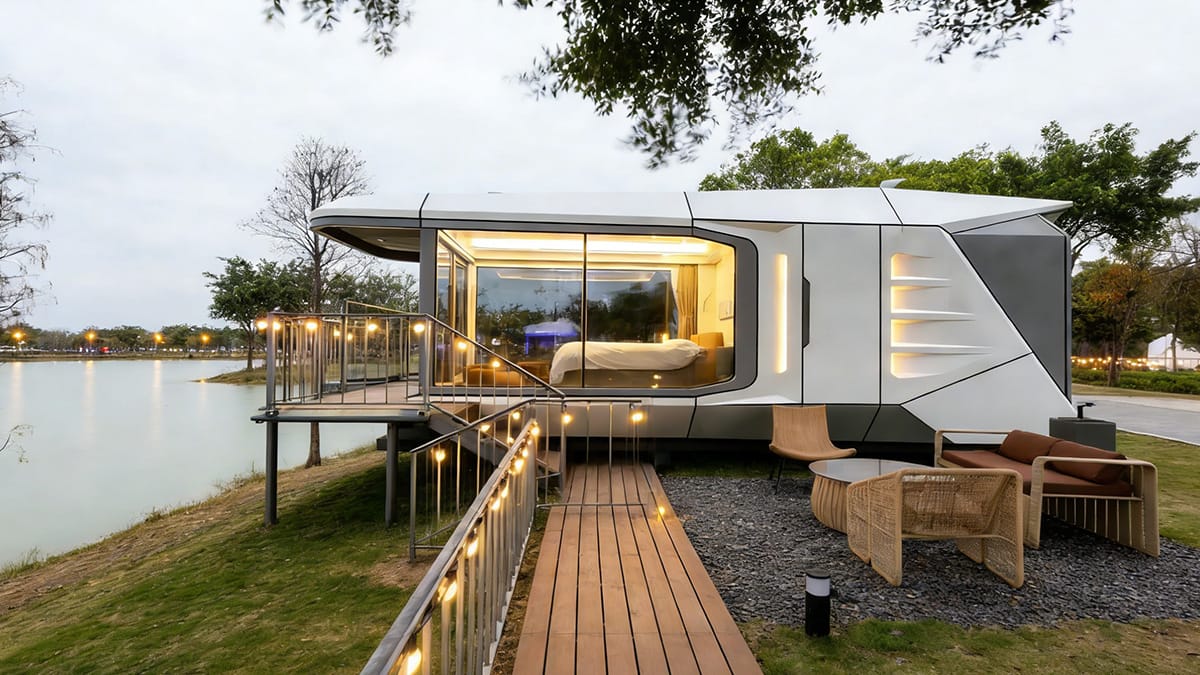
Picking where to put your capsule house is important. You need a spot that fits your life and keeps you safe. Let’s see what matters most when you think about location for capsule houses usa.
Urban vs. Rural
You may ask if city or countryside is better for your capsule house. Each has good and bad points. Here’s a table to help you compare:
Aspect | Urban Capsule Houses | Rural Capsule Houses |
|---|---|---|
Construction Costs | Higher because land costs more and rules are strict | Lower because land is cheaper and rules are fewer |
Maintenance Costs | Higher bills because bigger systems are used | Lower bills because smaller space is used |
Community Living | Less time with neighbors, more alone time | More time with neighbors, stronger community |
Privacy | More privacy, but can feel lonely | Less privacy, but more people around |
If you like busy streets and lots of shops, urban capsule houses usa may be right for you. Rural capsule houses usa give you quiet, open space, and friendly neighbors. Resorts in the country use capsule houses usa for guests who want nature and peace.
Proximity and Convenience
Think about what you want close to your home. Do you want to walk to stores or ride a bus? Urban capsule houses usa have public transport, restaurants, and fun places nearby. Rural capsule houses usa may need a car for shopping, but you get clean air and less noise. Some resorts build capsule houses usa near trails or lakes, so you can enjoy outdoor fun right outside.
Tip: Visit some capsule houses usa before you choose. You will see the area and know if it fits your needs.
Neighborhood Safety
Safety is important for everyone. In some places with many new people, like parts of Aurora, Colorado, crime rates can change fast. Violent crime does not always go up, but some apartments see sudden jumps. This happens more in areas where people have less money. Always check crime stats before you pick a spot for your capsule house. Resorts often have extra security, but you should ask about safety.
Before you buy, check local zoning laws and building rules. Some places have strict rules for capsule houses usa. Make sure you can live there without trouble.
Budgeting for a Capsule House
It is smart to plan your budget before buying a capsule house. You should look at every cost so you do not get surprised later. Let’s look at the costs together so you can plan well.
Upfront Costs
Buying a capsule house means you pay for more than just the unit. You also pay for moving it, taxes, and setting it up. Here is a table that shows the usual costs:
Cost Component | Estimated Price Range |
|---|---|
Base Unit Price | $23,000–$35,000+ |
Transportation (to nearest port) | $3,500–$7,500 |
Customs Duties & Taxes | $6,000–$12,000 |
On-Site Transportation | $2,000–$5,000 |
Crane Services | $1,000–$3,000 |
Local Installation Labor | Varies |
Total Estimated Installed Cost | $38,000–$100,000+ |
You should check prices from different modular companies. Some companies include setup in their price. Others make you pay extra for it. Always ask for a full price list so you know what you will spend.
Ongoing Costs
After you move in, you pay for things like water, power, and repairs. Modular homes usually use less energy, so bills are lower. You still pay for water, electricity, and internet. Prefab homes need regular checks to keep them working well. If you add solar panels or rainwater systems, you can save money later. Make sure your budget covers these costs every month.
Tip: Write down all your monthly bills. This helps you see where your money goes and find any hidden costs.
Financing Options
You might need help paying for your capsule house. Some modular companies let you pay over time. For example, you can use AFG if you buy for business. Some banks give loans for modular homes, but you need to check their rules. Ask each company about their payment plans. This makes it easier to plan your budget and get your capsule house sooner.
Note: Look at different payment plans and interest rates. Choose the one that works best for your money and needs.
You can make good choices by checking all costs and asking about payment plans. Planning ahead and asking questions makes budgeting for a capsule house much easier.
Key Features of a Prefab Capsule Home
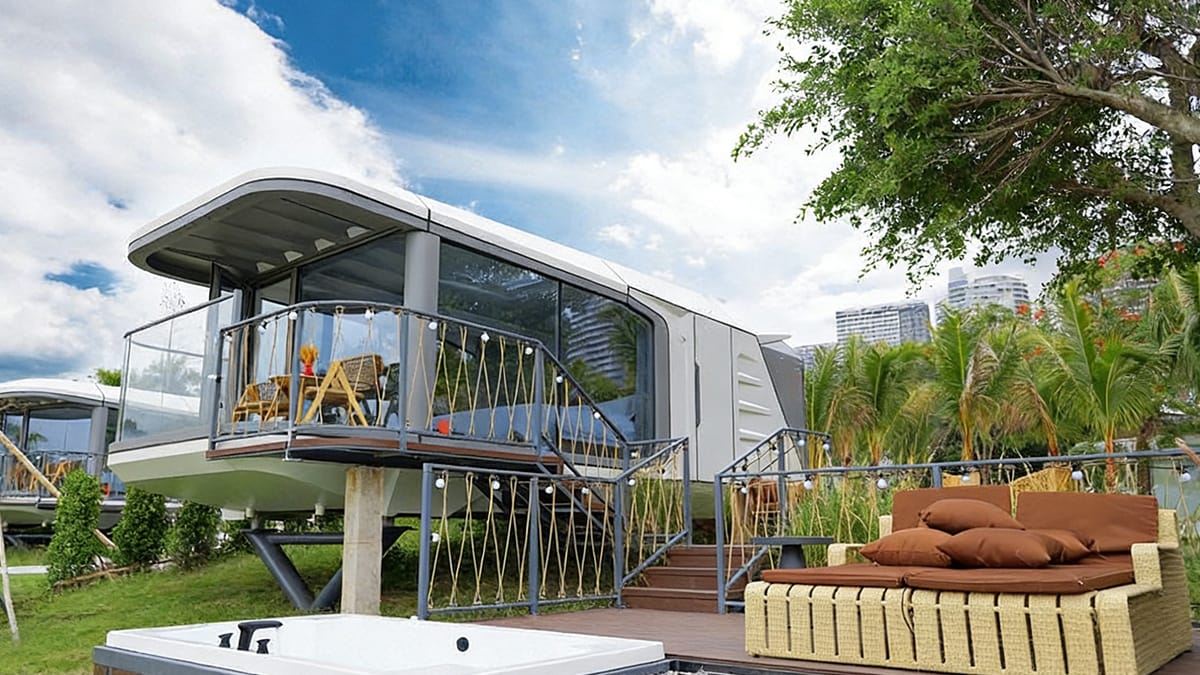
Space and Layout
You want your prefab capsule home to feel roomy and smart. These homes use modular layouts that make every inch useful. You get fold-away tables and vertical storage. Rooms can change for different needs. Cooking, eating, and relaxing all happen in one space. Here is how prefab capsule homes compare to traditional small homes:
Feature | Capsule Homes | Traditional Homes |
|---|---|---|
Space Efficiency | Made for minimalist living with foldable furniture. | Often has wasted space with bigger rooms. |
Layout Flexibility | Modular designs with spaces you can change. | Fixed layouts with less flexibility. |
Built-in Storage | Built-in storage and furniture you can convert. | Usually has separate storage areas. |
Living Area Functionality | Zones that change for different needs. | Separate rooms for each activity. |
Most modular capsule houses give you full living space in 300-600 square feet. You get more from less.
Essential Amenities
A prefab house should have what you need. Most prefab capsule home models include a kitchen, bathroom, and living area. You can find designs with washers and smart home controls. Some have projectors for movie nights. Many prefab homes have central HVAC and water heaters. You might see electric floor heating and air conditioning. Bathrooms often have glass doors and smart toilets. You get comfort and convenience in a small package.
Customization
You can make your prefab house fit your style. Many modular companies let you pick colors and materials. You can change the layout or add smart technology. Some owners add extra modules for bedrooms or offices. You can choose sliding windows and special lighting. Modular prefab homes let you create a space that matches your life.
Energy-Saving Options
Prefab capsule homes focus on saving energy. You get good insulation and airtight construction. Smart thermostats help control the temperature. Many prefab house models offer solar panels and LED lighting. Energy-efficient appliances can cut your bills by up to 65%. The compact design helps keep heating and cooling costs low. Look for solar glass and rainwater systems for more sustainability.
Tip: Always ask about energy-saving features when you shop for a prefab capsule home. They save money and help the planet.
Materials and Durability
The materials in your prefab house matter. Most prefab capsule home models use steel, aluminum, and fiberglass. Composite panels and polyurethane foam add insulation and comfort. Here’s a quick look:
Material | Benefits |
|---|---|
Steel | Strong, recyclable, and lasts a long time. |
Aluminum | Light, does not rust, and easy to care for. |
Fiberglass | Durable and easy to clean. |
Composite panels | Good for insulation and structure. |
Polyurethane foam | Keeps your home energy efficient and comfortable. |
You want your modular prefab house to last. Good materials mean less work and more durability. Always ask about the construction before you buy.
Legal and Zoning Checks
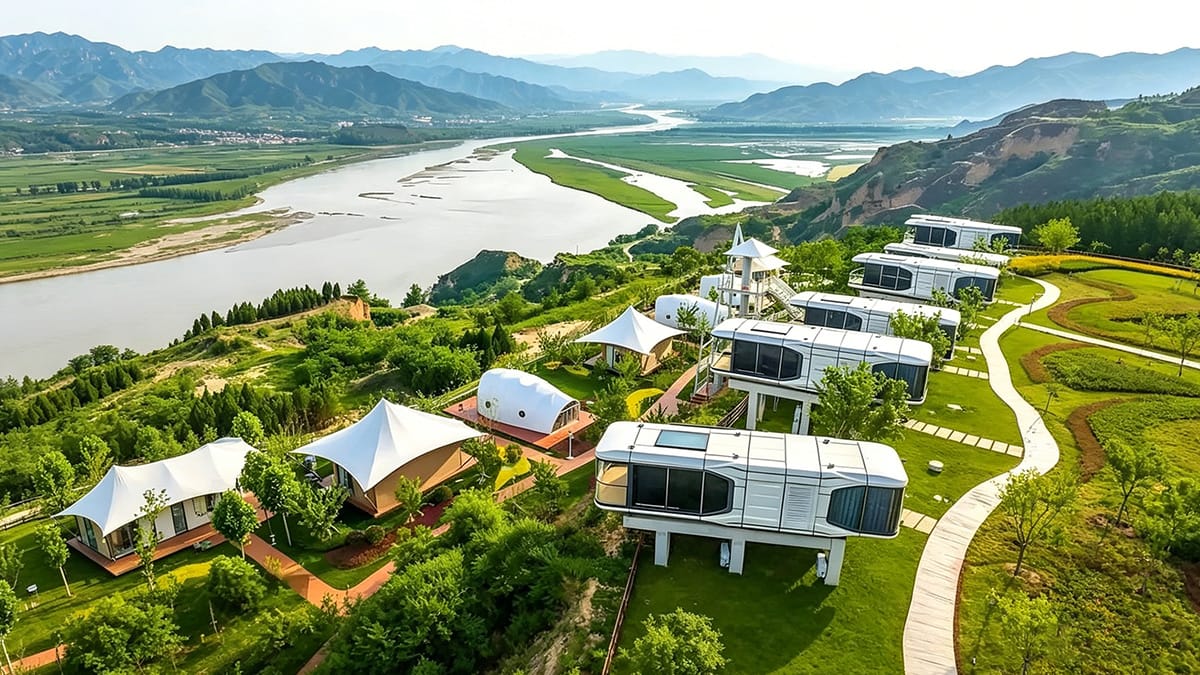
If you want to buy a capsule house, you must check the rules in your area. These rules help you stay out of trouble and finish your project. Let’s look at what you need to know.
Local Regulations
Rules are different in every city or town. You should ask your local authority before you do anything. Here are some rules you might see:
You may need planning permission. This depends on where you put your capsule house and how you use it.
You might have to talk to your local authority about what approvals you need.
If your capsule house changes the land or slopes, you need environmental permits. These permits stop erosion and protect the ground.
If you cut down trees or change the land, you need land disturbance permits.
Utility permits are needed for water, power, and sewer. Most new homes need more than one utility permit.
Zoning rules tell you where you can build. These rules are different in each city and county, so check them early.
📝 If you talk to local authorities and licensed contractors early, you can save time and money.
Permits and Approvals
You need different permits before you set up your capsule house. Here is a table to show what you need:
Type of Permit/Approval | Description |
|---|---|
Planning Permission | Makes sure your project fits local land use policies. |
Building Permits | Needed for legal construction of your capsule house. |
Zoning Laws | Decide where and how you can build based on land use zones. |
Environmental Regulations | Required if your site is near wetlands or sensitive areas. |
Utility-Related Permits | Needed for connecting electricity, water, and sewerage. |
About 35% of building projects get delayed because of permit problems. If your land is close to wetlands or special areas, you must get environmental approval. If you learn about zoning laws early, you can avoid expensive changes later.
HOA Rules
If you live in a place with a homeowners association (HOA), you must follow their rules. HOAs often have rules about how your capsule house looks and where you put it. They may want your home to look like other homes in the area. If you break HOA rules, you could get fined or told to move your house.
HOA rules can limit where you put your house and how it looks.
You must check local rules so you do not have problems with tiny homes.
👍 Always read HOA rules before you buy or set up a capsule house. This step keeps your project safe and legal.
Choosing a Capsule House Provider
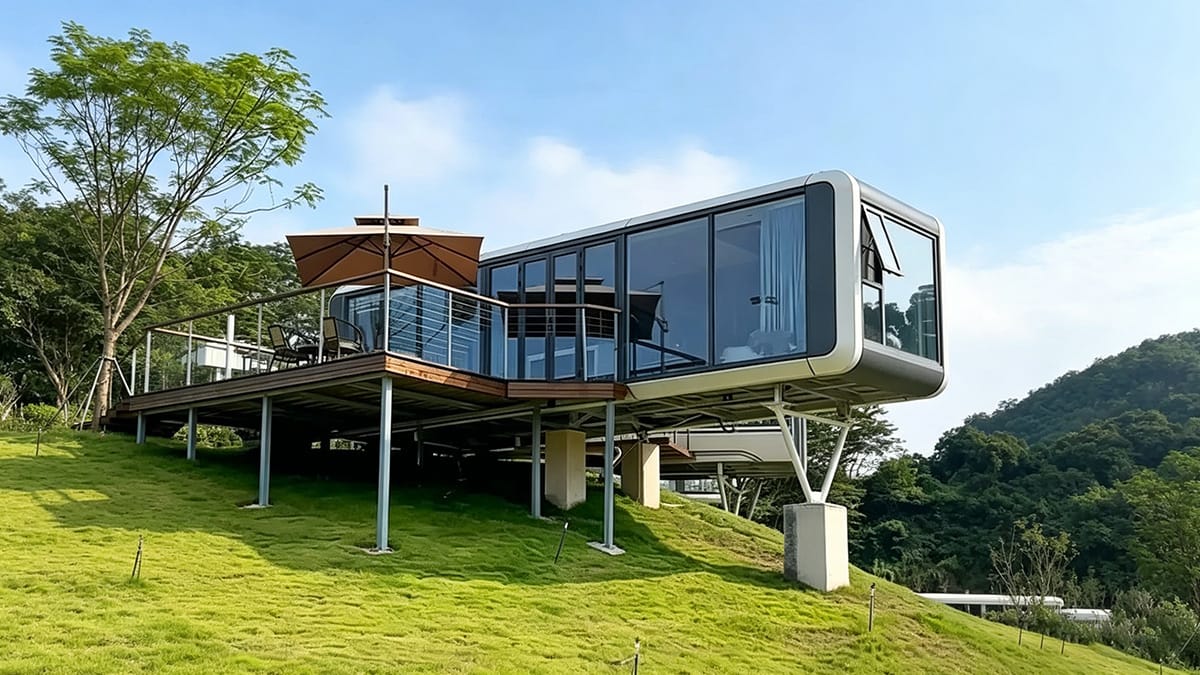
Picking a good capsule house provider makes everything easier. You want things to go well from start to finish. Let’s look at what you should know.
Reputable Manufacturers
You should find trusted companies when shopping for a capsule house. Some names are popular in the USA. Here are the main providers you will see:
Volferda (65% market visibility)
Capsule Castle (18% market visibility)
Space Capsule (10% market visibility)
Luxmedium (4% market visibility)
Luban Cabin (3% market visibility)
Big companies often have more experience. But you should compare them. High visibility does not always mean the best service. You want a provider who listens to you and delivers on time.
Customer Reviews
Read what other buyers say before you decide. Customer reviews show how the provider treats people. Look for stories about buying, delivery, and fixing problems. Happy guest comments are a good sign. Reviews also show if the provider helps hospitality businesses or personal projects.
Tip: Ask for references or photos from past buyers. This helps you imagine your own experience.
Warranty and Support
A good provider gives strong support. You get help with setup, repairs, and upgrades. Most companies offer a warranty for the home’s structure and features. If you have questions, customer service answers quickly. This support makes things easy, whether you use your home for hospitality or as a guest retreat.
Installation Process
Installing a capsule house is simple. First, you need flat ground. Next, make sure water, sewer, and electricity are ready. The provider delivers your capsule house almost finished. Local workers connect everything using clear drawings. Most homes take 4–6 weeks to build and 1–3 days to set up after delivery. You can move in fast and start your new experience right away.
Note: Always ask your provider for a step-by-step guide. This keeps your capsule house project on track and your hospitality plans running smoothly.
Common Mistakes to Avoid
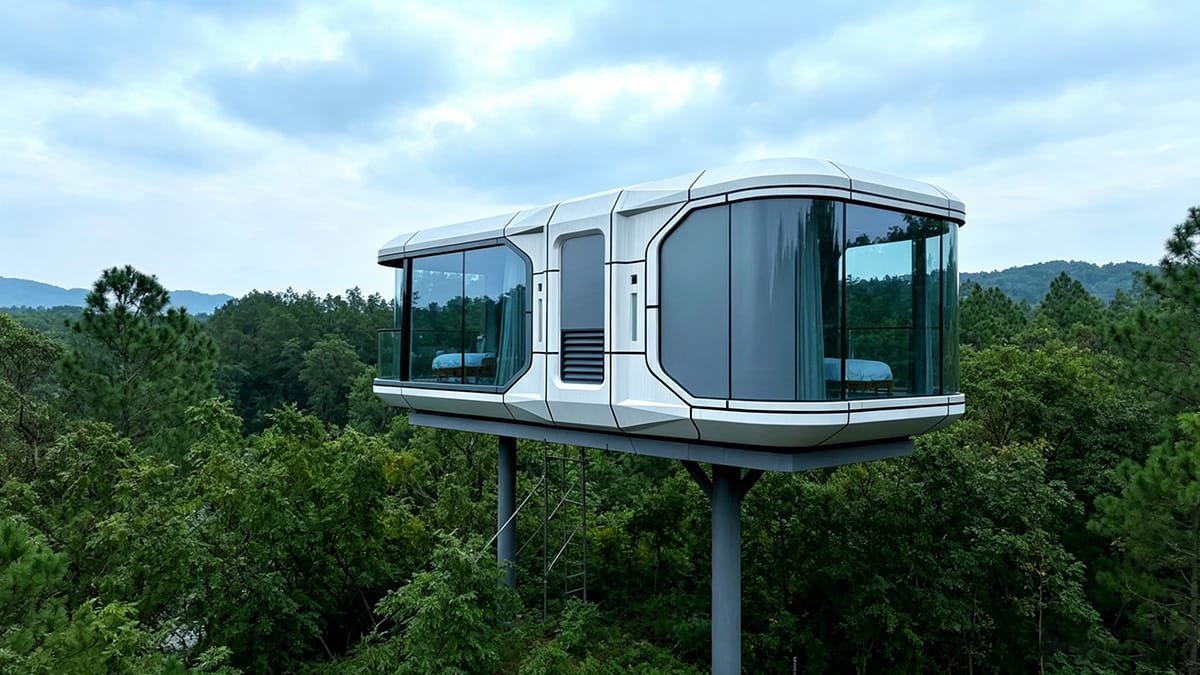
When you look for a capsule house, you want to avoid common mistakes that can lead to stress or extra cost. Let’s talk about the biggest ones so you can make smart choices.
Hidden Costs
You might think you know the total cost, but many buyers get surprised by extra fees. Watch out for these common hidden costs:
Legal and permitting fees can add up fast. You need to pay for zoning, building permits, and inspections.
Moving your capsule house to your land and setting it up costs more than you expect. Transportation and installation are not always included in the price.
Buying land and getting it ready for your capsule house is another big cost. You may need to clear trees or level the ground.
Hooking up water, power, and internet can cost a lot. Utility connections and on-site integration are easy to forget.
If you want to add special touches or upgrades, customization options can raise the price.
Many people who buy capsule houses for glamping or to use at resorts run into these extra costs. Always ask for a full price breakdown before you buy.
Ignoring Regulations
If you skip checking local rules, you could face serious trouble. Cities and towns have strict zoning laws for capsule houses. Ignoring these rules can lead to big problems:
Legal Consequence | Description |
|---|---|
Fines | You might pay thousands of dollars for each violation. |
Property Condemnation | The city can condemn your property if you break zoning laws. |
Lawsuits | Local authorities may take legal action against you. |
Demolition | The city can make you tear down your capsule house, which costs even more. |
Criminal Charges | If you keep breaking the rules, you could even face criminal charges. |
Resorts and glamping sites must follow these rules too. Always check with your local office before you set up your capsule house.
Skipping Inspections
You might want to move in fast, but skipping inspections is risky. Inspections help you find problems before they get worse. If you miss this step, you could face leaks, wiring issues, or safety hazards. Resorts that use capsule houses for glamping always do inspections to keep guests safe and happy. You should do the same for your own peace of mind.
Tip: Take your time and check everything. A little extra work now saves you from big costs later.
You now know the best tips for choosing a capsule house in the USA. Use your checklist to help you stay organized and sure of yourself. Planning ahead stops surprises and keeps your project moving forward. Look at this table for easy planning steps:
Key Consideration | Description |
|---|---|
Total Cost Analysis | Checks all costs, so you do not spend too much. |
Financing Exploration | Helps you find the best way to pay. |
Timeline Development | Sets dates to keep your project on schedule. |
Regulatory Navigation | Makes sure you follow all the local rules. |
Contingency Planning | Gets you ready for anything that might happen. |
😊 Remember, making smart choices and planning well will help you enjoy your capsule house!
FAQ
What makes capsule houses a good choice for eco-resorts?
Capsule houses fit well with nature and use less land. They do not need many resources to build. Eco-resorts like them because they cost less to make. They also help keep the environment safe.
Can I use a capsule house at glamping resorts?
Yes, you can use capsule houses at glamping resorts. Many glamping places pick them for special guest stays. Guests like the cool look and cozy feel. You get comfort and style in a small area.
How do capsule houses balance interior experience with small size?
Capsule houses make small spaces feel nice inside. They use smart layouts and built-in storage. Flexible furniture helps you use space better. These things make the inside feel open and comfy.
Are capsule houses affordable to build?
Capsule houses do not cost much to build. You spend less on materials and workers. Many people pick them to save money and move in sooner.
Why is there a growing demand for land-efficient lodging?
More people want land-efficient lodging because land is expensive. Cities and resorts look for smart ways to use space. Capsule houses let you fit more homes in less land.