

15 Dec What Is a Collapsible Container House and How Does It Function
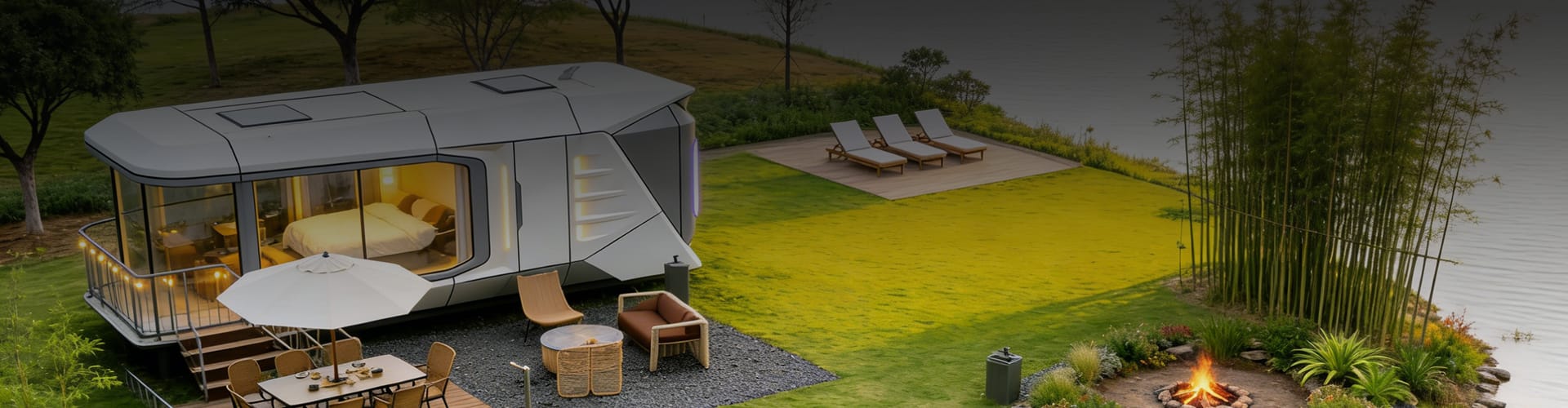
When you hear “what is collapsible container house,” you learn about a movable home made from changed shipping containers. These homes are quick to put together and easy to move. This makes them popular as portable container homes. Many people pick collapsible container houses because they help the environment and save space. The worldwide market for these homes is getting bigger. It is worth billions of dollars and grows fast every year.
Key Takeaways
Collapsible container houses are homes you can move. They are made from changed shipping containers. You can set them up easily. This makes them good for many uses.
These homes are good for the environment. They use recycled materials. They also use less energy. This helps lower your carbon footprint. They meet strict green rules.
You can set up these homes very fast. You get a working space in a few hours. You can move them without big machines. You do not need a large team to move them.
Collapsible container houses cost less than regular mobile homes. They are a cheap way to get flexible living or work spaces.
These homes use strong materials and smart design. They last a long time and keep you safe. They are comfortable in different weather.
What Is Collapsible Container House
Definition and Structure
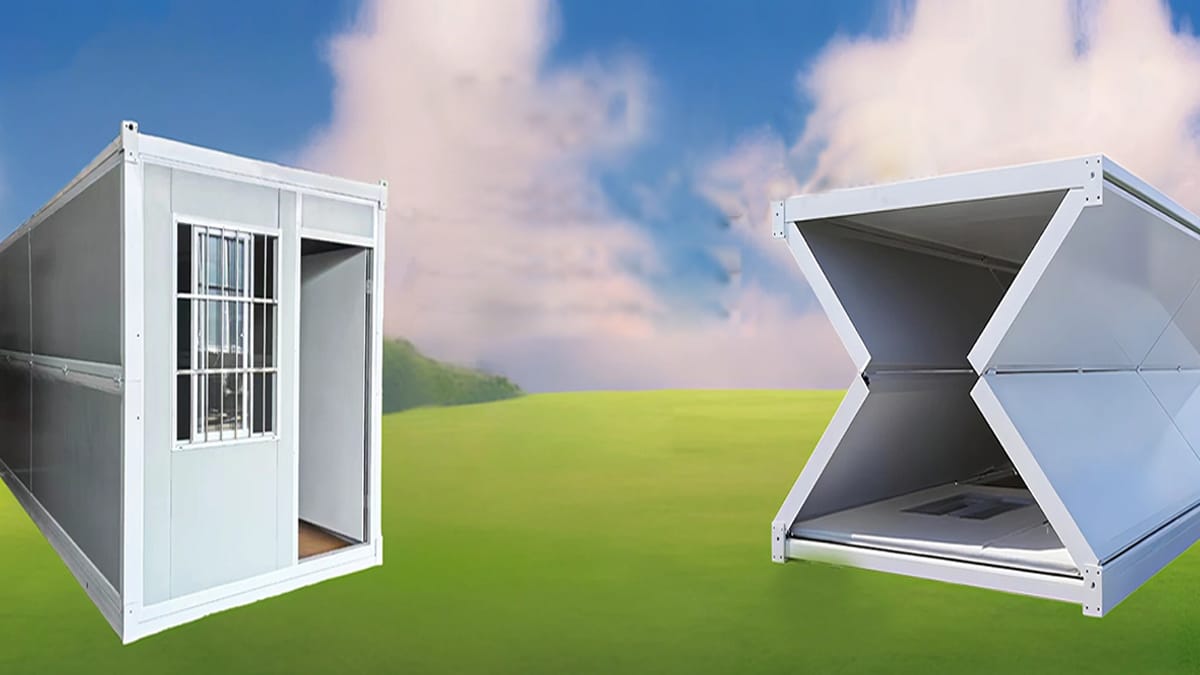
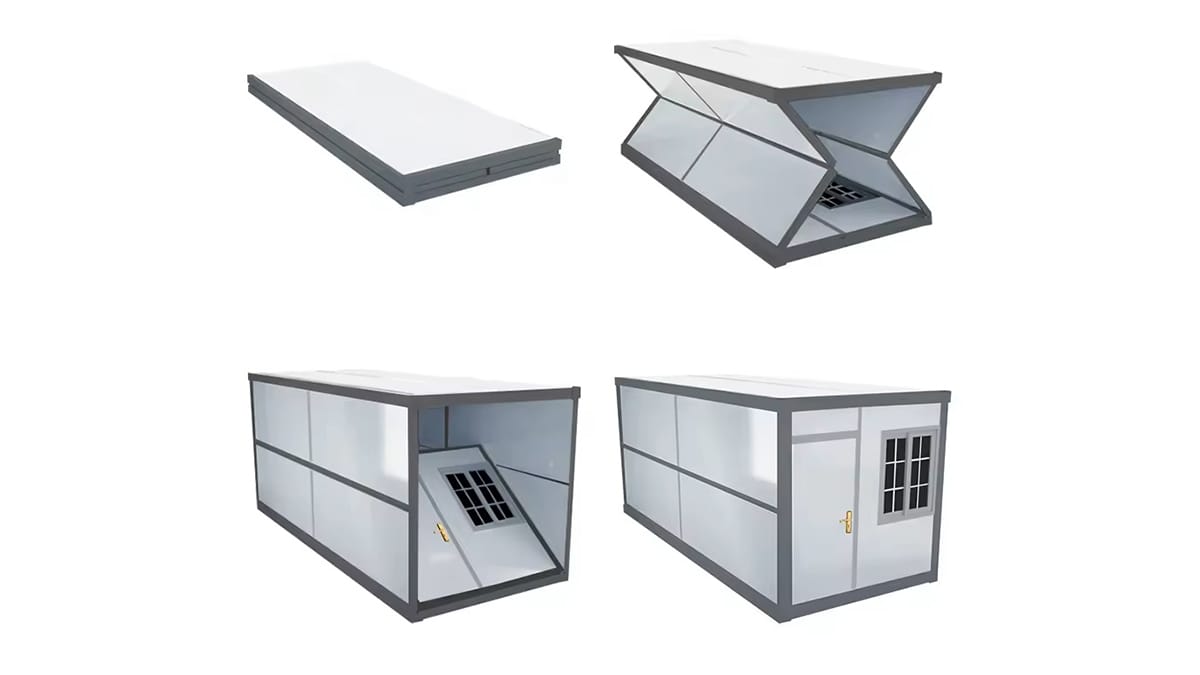
If you ask about collapsible container houses, you learn they are a new way to live. These homes can fold up and unfold, so you can move them and store them easily. They start as shipping containers but have special hinges and light materials. You can fold the house into a small size to move it. When you arrive, you unfold it and have a nice place to live or work.
Experts say folding container houses are made from shipping containers that can collapse. This makes them easier to move and store. Hinges and modular pieces help you fold the house small. When you need it, you unfold it and set up a space to use. This design lets you move fast and save money. You can use these houses for offices, shelters, or homes.
Collapsible container houses use strong and tough materials. The table below lists the most common materials you find in these homes:
Material Type | Description |
|---|---|
Steel Framework | Made from galvanized or corten steel, providing a strong and rust-resistant foundation. |
Aluminum Composite Panels | Lightweight and rust-resistant, used for external cladding to enhance aesthetics and protection. |
Glass Wool | Common insulation material, offering thermal resistance and fire-retardant properties. |
Polyurethane | High R-value insulation, ensuring comfort in varying climates. |
Marine-grade Plywood | Used for flooring, known for strength and moisture resistance. |
Drywall | Finishing material for interior walls, customizable for aesthetics. |
Corrugated Metal Sheets | Lightweight roofing material, designed for efficient water drainage. |
Insulation Layer | Typically glass wool, placed beneath roofing for energy efficiency. |
Windows and Doors | Metal-framed options for durability and customization. |
Protective Coatings | Treatments like electro-galvanization to enhance corrosion resistance. |
These materials help collapsible container houses stay safe and strong. You get a home that lasts a long time and works in many places.
How It Differs from Standard Container Homes
You might wonder how collapsible container houses are different from regular container homes. The biggest difference is the folding design. You can move collapsible container houses easily and set them up fast. Regular container homes do not fold, so they take more time and work to install.
The table below shows the main differences:
Feature | Collapsible Container Houses | Traditional Container Homes |
|---|---|---|
Mobility | Highly mobile, ready to use upon unfolding | Less mobile, requires more setup |
Installation Speed | Fast installation with three people (800 sqm/day) | Slower installation with four people (150 sqm/day) |
Environmental Impact | Operations not limited by environment | Highly affected by environmental conditions |
Service Life | More than 10 years, high reuse rate | About 6 years, low reuse rate |
Structural Resistance | Windproof and waterproof, withstands level 8 winds | Slightly inferior wind and earthquake resistance |
Collapsible container houses are easier to move and set up. You can build a big space in one day with a small team. You do not have to worry much about weather or ground. These homes last longer and protect you better from wind and water.
Collapsible container houses are good for people who need quick homes. You can use them for offices, help after disasters, or as mobile homes. They give you more choices than regular container homes. You also help the planet by reusing shipping containers and using materials that save energy.
If you want a home that moves with you and sets up quickly, you should think about collapsible container houses. You get a strong, safe, and green choice. That is why many people like collapsible container houses in the prefab housing market.
Features of Collapsible Container Houses
Mobility and Portability
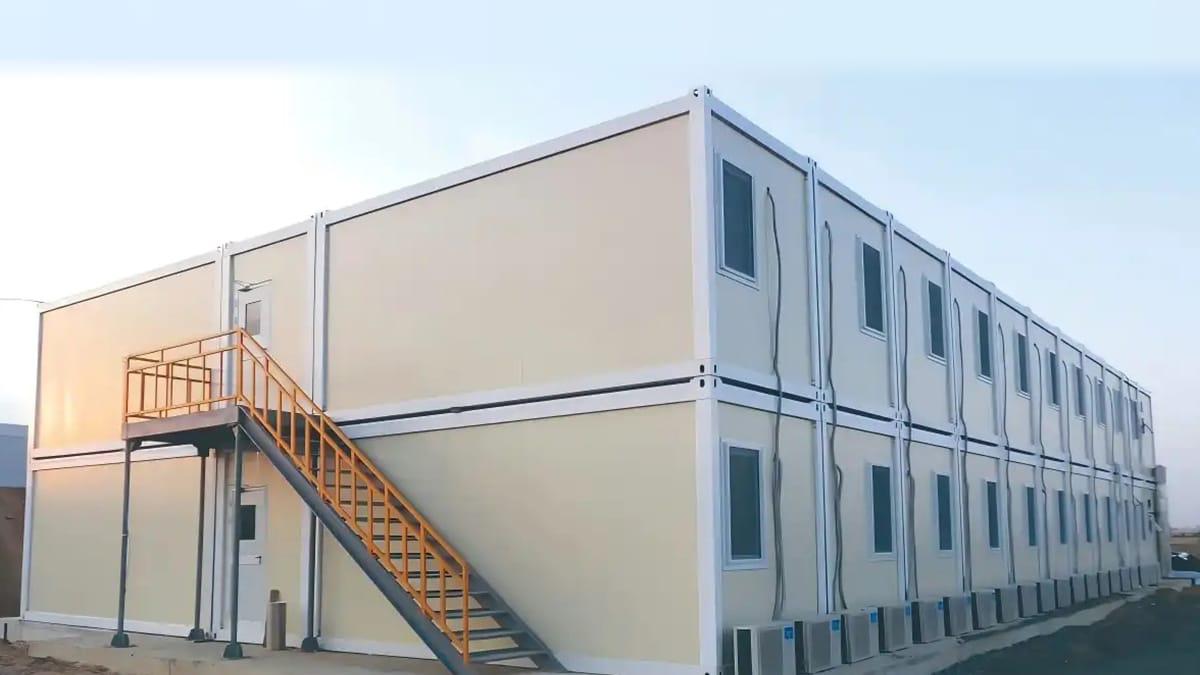
You can take collapsible container houses almost anywhere you want. These prefab homes are easy to move for living or working. You do not need big machines or a large team. You can move these houses by truck, train, or ship. When you get there, you unfold the house and use it right away.
Collapsible container houses save space when you move them. You can stack many units together for easy shipping and storage. Many people use these prefab homes for disaster relief, offices, or remote work sites. You get flexible homes that fit your needs.
You can move collapsible container houses fast.
You can keep many units in a small space.
You can use them for homes, offices, or shelters.
Folding and Unfolding Mechanism
Collapsible container houses use smart systems to fold and unfold. You do not need special training to set up these prefab homes. Two people can unfold a house in less than three hours. You save time and work compared to regular building.
The folding system uses strong steel frames and hinges. You get a tough house that lasts a long time. The house has weather-resistant materials and insulation panels. You stay warm or cool in any weather. Some models have smart home features, so you can control lights and temperature with your phone.
Here is a table that shows the main systems and technologies:
Mechanism/Technology | Description |
|---|---|
Folding Mechanism | Lets you fold the house for travel and open it for quick use. |
High-Strength Steel Frame | Makes the house strong and stable. |
Insulating Panels | Keeps the house energy efficient and cozy. |
Weather-Resistant Materials | Protects the house in all kinds of weather. |
Smart Home Technology | Lets you control things with your phone or voice. |
Expandable Modules | Adds more space when you need it. |
You get a prefab home that is simple to set up and take down. You can make the living space bigger if you need more room. You do not have to worry about bad weather or rough ground. Collapsible container houses give you flexible homes for many uses.
Eco-Friendly Benefits
Collapsible container houses help the environment. You use old shipping containers, which lowers your carbon footprint. These prefab homes use less energy and fewer materials than regular buildings. Making them off-site cuts building waste by up to 90 percent. You also lower greenhouse gas emissions by about 30 percent.
You save money on heating and cooling. Yearly HVAC energy use drops by 54 to 72 percent. The carbon break-even time is within six years. You get your money back in four to twenty-two years. Collapsible container houses meet strict green standards. Many models have ISO, CE, UL, and CSC certifications. You can trust your prefab home is safe and good for the planet.
Certification | Purpose | Scope | Importance |
|---|---|---|---|
ISO Certification | Makes sure homes are safe and high quality | Structure, materials, systems | Needed for worldwide approval |
CE Marking | Shows homes meet EU health and safety rules | Needed for EU and EEA sales | Required for legal sales in Europe |
UL Certification | Proves homes meet safety standards | Electrical, fire resistance, structure | Needed for North American approval |
CSC Certification | Makes sure containers are safe for shipping | Structure for transport | Needed for international shipping |
Local Building Codes | Follows local rules and laws | Changes by country | Needed for building and selling |
You help the planet when you pick collapsible container houses. You cut down on waste and energy use. You get a prefab home that meets high safety and green standards. You make a smart choice for the earth and your future.
Assembly and Use
Quick Setup Process
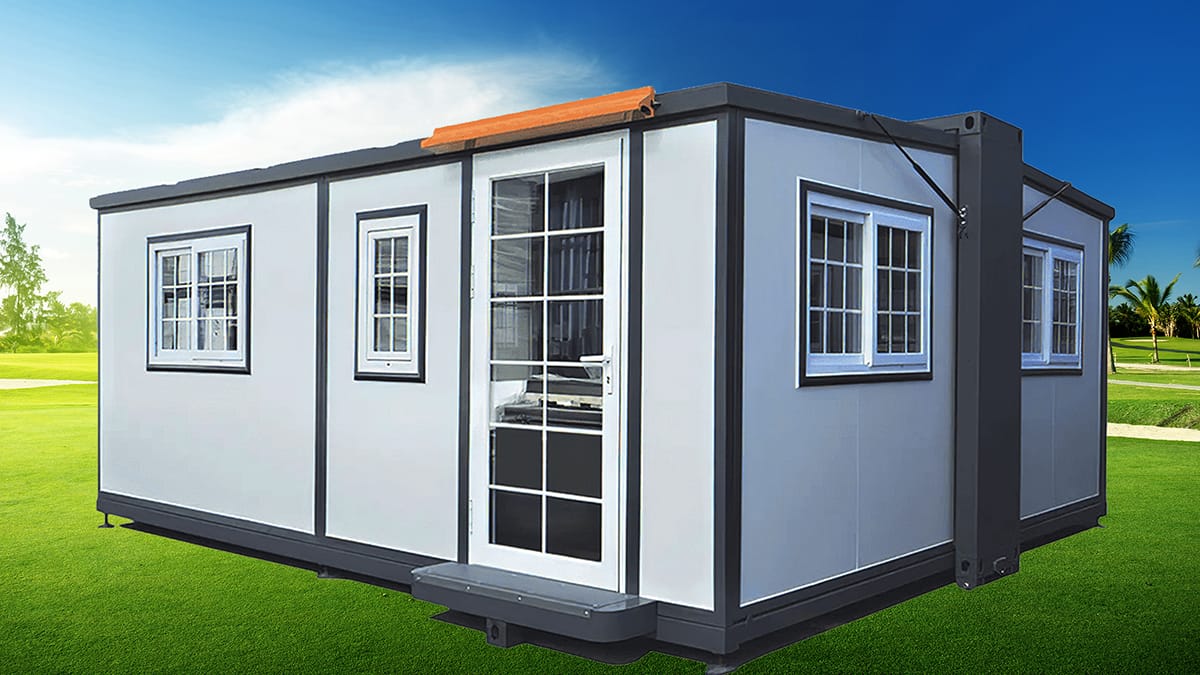
You can set up collapsible container houses with ease. These homes arrive at your site ready to unfold. You do not need heavy equipment or a large crew. The design makes them quick to install, so you save time and effort. You can move the house to a new location and have it ready for use in just a few hours. This process works well for mobile offices, temporary shelters, or remote work sites. You get a flexible space that fits your needs.
Tip: Always check the ground before you start. A level surface helps you set up your mobile home faster.
On-Site Construction Time
Collapsible container houses stand out because they are quick to install. You do not have to wait months for your home to be ready. Some models, like those from UVO, use a prefabricated system. You can finish the setup in weeks, not months. This speed helps you meet tight deadlines and start using your mobile space sooner. Compared to standard prefab homes, you spend less time on site and more time enjoying your new home or office.
Type of Home | Typical On-Site Construction Time |
|---|---|
Collapsible Container Houses | Weeks |
Standard Prefab Homes | Months |
Maintenance and Longevity
You want your mobile home to last for years. Collapsible container houses can serve you for 25 to 50 years or more if you take care of them. With proper maintenance, your home stays strong and safe for several decades. Here are some steps you can follow to keep your home in good shape:
Schedule regular inspections to spot wear or rust.
Apply rust-preventive coatings and treat any rust quickly.
Make sure insulation works well to control temperature.
Keep air moving to stop moisture from building up.
Clean the outside often and check for problems.
Inspect the roof for rust and make sure water drains away.
Check the foundation for settling or damage.
Use pest control to protect your home.
You can enjoy your mobile home for many years if you follow these steps. Collapsible container houses give you a strong, long-lasting, and quick to install solution for living or working wherever you need.
Mobile Prefab Houses Comparison
Collapsible vs. Mobile Prefab Houses
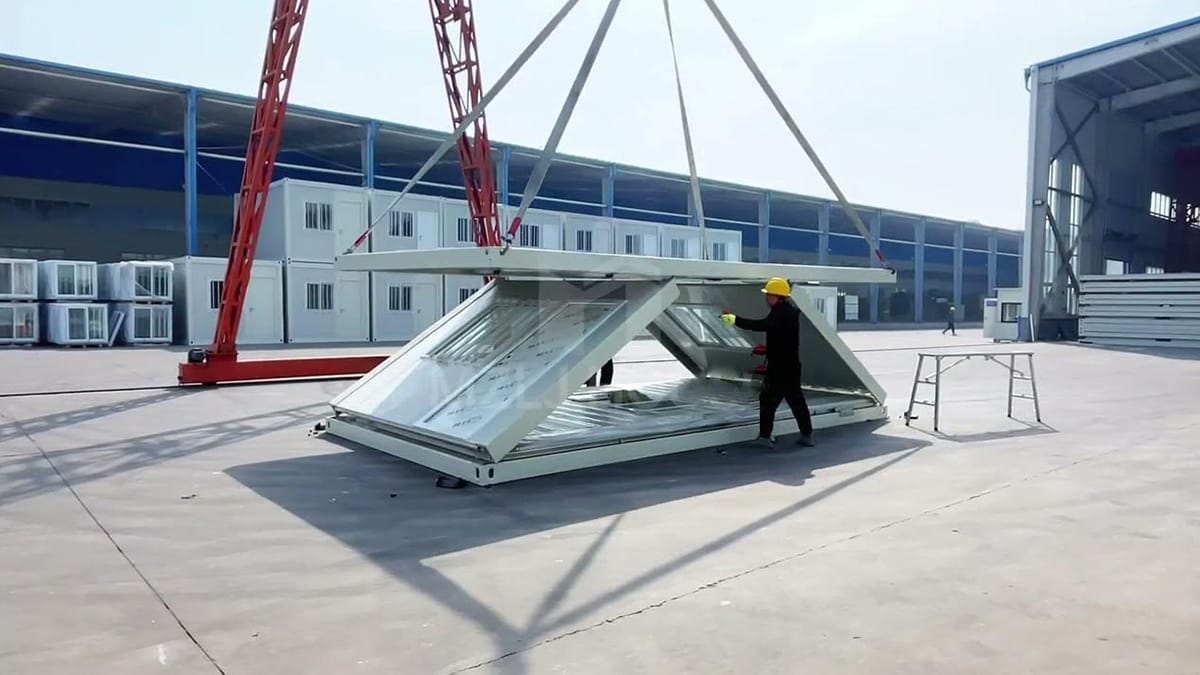
If you want a flexible home, you may look at collapsible container houses and mobile prefab houses. Both types are prefab homes you can move and set up fast. But collapsible container houses are quicker to build and easier to move. Three people can set up 800 square meters in one day. Mobile prefab houses need four people and only cover 150 square meters each day. You can work in the rain with collapsible container houses. Mobile prefab houses often stop if the weather is bad. Collapsible container houses only need a flat spot to sit on. Mobile prefab houses need a special cast foundation.
Type of House | Assembly Time (per day) | Installation Team Size | Environmental Impact | Foundation Requirements |
|---|---|---|---|---|
Collapsible Container Houses | 800 square meters | 3 | Minimal, can work in rain | Simple, flat surface |
Mobile Prefab Houses | 150 square meters | 4 | Highly affected by weather | Requires casting |
Collapsible container houses also help you save money. They cost between $25,000 and $250,000 or more. Mobile prefab houses usually cost from $180,000 to $360,000. Collapsible container houses give you a cheaper way to get a home.
Collapsible container houses cost less.
Mobile prefab houses are more expensive for the same space.
Collapsible container houses are faster and easier to set up.
Collapsible vs. Tiny Houses and RVs
You might also think about tiny houses or RVs for a mobile home. Tiny houses are small prefab homes, but you often need special land and permits. RVs let you travel, but they are not as strong or comfy. Collapsible container houses are tough and keep out bad weather. You can set them up almost anywhere. You do not need a big piece of land or a fancy foundation. You get more room and better insulation than most tiny houses or RVs.
Note: Collapsible container houses use recycled materials and save energy. You help the earth and get a flexible prefab home.
Collapsible container houses use land better. You can stack them or make your space bigger. Mobile prefab houses, tiny houses, and RVs cannot do this as well. You get a home that fits your needs and changes with your life.
Collapsible container houses are strong and easy to move. They are good for living or working. You can use them as homes or rentals. They work well for emergency shelters and remote jobs. Mobile offices also use these houses. People like their safe design and flexible layouts. These homes set up quickly. They last in bad weather.
You help the earth when you pick recycled materials and save energy. As cities get bigger, collapsible container houses will be used more for smart and green living.
FAQ
How long does it take to set up a collapsible container house?
Most collapsible container houses are ready in a few hours. The design lets you unfold and build the home fast. You do not need big machines or lots of people.
Can you customize the interior of a collapsible container house?
You can pick different layouts, finishes, and features. Many companies let you choose floors, wall colors, and built-in furniture. You can make the space work for you.
Are collapsible container houses safe in bad weather?
Collapsible container houses have strong steel frames and tough materials. They protect you from wind, rain, and snow. Many models meet safety rules for storms and earthquakes.
What maintenance does a collapsible container house need?
You should look for rust, clean the outside, and check insulation. Taking care of your home helps it last longer. Plan inspections and fix any problems right away.