

04 May Unpacking the Main Factors Behind Capsule House Price Changes
Capsule house prices change because many things affect them, like size, materials, design, location, and technology. If you check the average cost for a capsule house, you might see prefab models cost between $30,000 and $60,000. Custom versions can go up to $100,000. Picking steel or wood matters, because materials and design make the final price different. These money factors can change your budget if you want to buy a capsule house for building. By learning how these costs compare to regular and prefab homes, you can feel more sure when looking at the capsule house market.
Key Takeaways
Capsule house prices change because of size, materials, design, and location. Knowing these things helps you plan your money better.
Picking better materials costs more at first. But it can help you save on repairs and fixing things later.
Customization choices can make your capsule house cost more. Simple designs cost less. Special features can make the price go up a lot.
Local land prices and building costs change your total budget. Look up prices in your area to make smart choices.
Watch market trends and inflation to guess price changes. This helps you plan your buy in a smart way.
Key Cost Factors in Capsule House Price
Size and Living System
Size is a big reason why capsule house prices change. Bigger capsule houses usually cost more money. The living system inside also matters a lot. Some capsule houses only have simple things. Others have smart controls, kitchens, and full bathrooms.
Basic capsule houses cost from $8,000 to $20,000.
Models with more features can cost over $50,000.
The price difference is often 1.5 to 3 times more.
If you want more comfort or technology, you will pay extra. These things can change your budget and your choice. Always check what comes with the living system before you buy.
Material Types and Quality
Materials are very important for capsule house prices. Better materials cost more at first, but they save money later. Capsule houses use many kinds of materials. Each one has its own price and good points. Many builders use eco-friendly materials because they are popular now.
Here is a table that shows how common materials compare:
Material Type | Cost Implication |
|---|---|
High-strength steel | High starting price but saves money later because it lasts longer and needs less fixing. |
Engineered wood | Costs a lot at first, but people pick it because it is strong and lasts a long time. |
You should also see how material quality changes how long your house lasts and how much you fix it:
Material Type | Key Properties | Impact on Durability and Maintenance |
|---|---|---|
Aerospace-Grade Aluminum Alloy | Stays strong after 10 years and does not rust easily. | Makes the house stronger and last longer, so you fix it less. |
Carbon Fiber Composites | Stays good in sunlight and bad weather; can last up to 50 years. | Lasts a long time, so you do not need to fix it often. |
Polycarbonate Panels | Stays clear and does not turn yellow for 10 years. | You do not need to replace it often, so you save money. |
Nano-Coated Steel Plates | Cleans itself, so you only need to fix it every 3–5 years. | You fix it less, which saves you money. |
If you pick better materials, you pay more at first. But your capsule house will last longer and need fewer repairs. This helps you save money over time.
Sourcing and Supply Chain
Getting materials and moving them can change prices fast. If it takes longer to get materials, prices can go up. If materials cost more, the house price goes up too. Things like inflation and supply and demand also matter. When more people want capsule houses or there are not enough materials, prices rise.
You should watch what is happening in the market. If more people want capsule houses or shipping is slow, prices can go up. Prefabrication helps keep some costs steady, but not all. Where you build also changes how easy it is to get materials, which changes the price.
Tip: You can save money if you buy from local suppliers and watch for changes in supply and demand. This helps you avoid big price jumps and keeps your project going.
Knowing these cost factors helps you make smart choices. You can plan your budget and not get surprised when you buy or build a capsule house.
Design Complexity and Customization Factors
Design Complexity
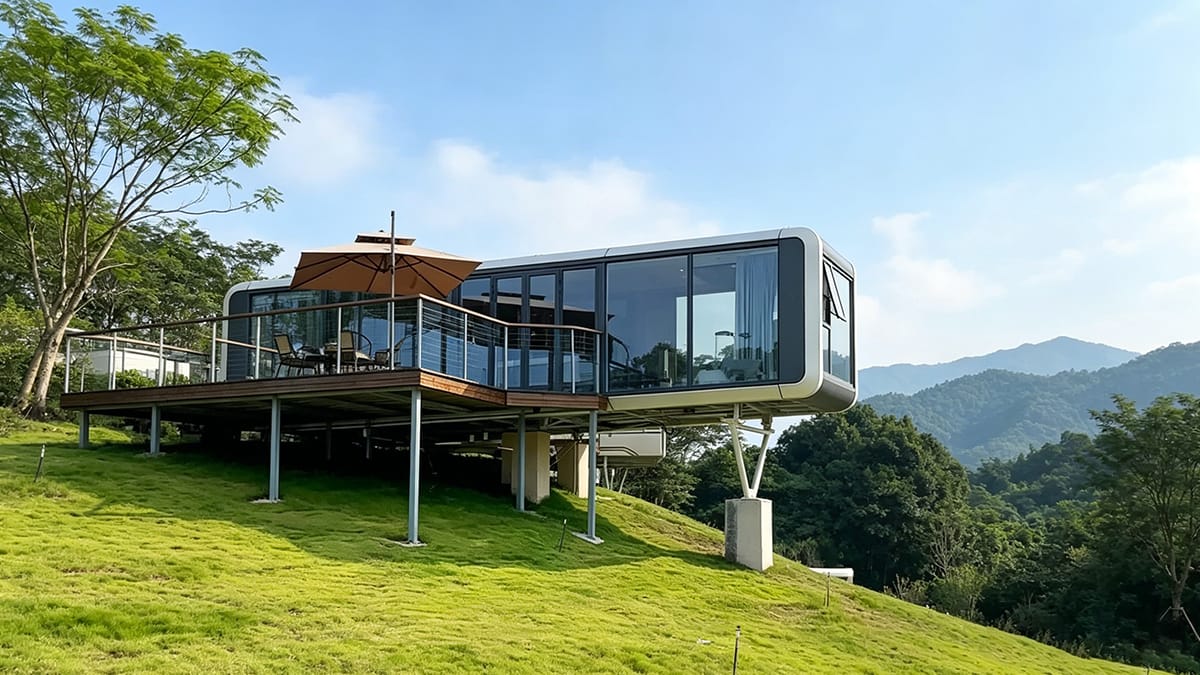
When you look at capsule houses, the design can change the price a lot. If you pick a house with cool shapes or special finishes, it will cost more. Fancy features also make the price go up. Builders need more time and skill for these details. This means you pay extra for work and materials.
Here is a table that shows how design choices affect the price:
Factor | Description |
|---|---|
Design & Complexity | Special shapes and custom details make the price higher. |
Building Materials | Eco-friendly or strong materials cost more but last longer. |
Internal Systems | Fancy plumbing or smart systems make the house cost more. |
If you want a simple house, you can save money. If you want something special, you will pay more.
Customization Options
Capsule houses let you pick what you want. You can choose a basic model, add some features, or make a custom design. Each choice changes the price. Basic models are cheaper because they use set plans. If you add features, the price goes up a little. Custom designs cost the most because they need special work.
Typical Cost Increase | |
|---|---|
Standard Configurable Options | 5–15% |
Bespoke Design and Structural Modifications | 15–30% or more |
Most people want to save money but also want their house to look nice. You might want your house to be unique, but you also want to stay on budget. Custom features can make the price go up by 20% to 50%, depending on what you pick.
Tip: Talk to your design team to get the best deal. Small changes can make your house special without spending too much.
Space Efficiency
Space efficiency is important in capsule house design. Smart layouts help you use all the space. Things like loft beds, foldable tables, and built-in storage make small homes feel bigger. These ideas help you live better and save money.
Feature | Impact on Cost and Usability |
|---|---|
Makes your home look nice and feel cozy | |
Smart spatial use | Lets you fit more things in less space |
Cost efficiency | Saves time and cuts down on wasted materials |
Lowers your bills with good insulation and systems |
Prefabrication helps with space too. Factories build parts that fit together well, so you waste less space and materials. This makes your house cheaper and easier to take care of.
Location and Site-Related Capsule House Cost
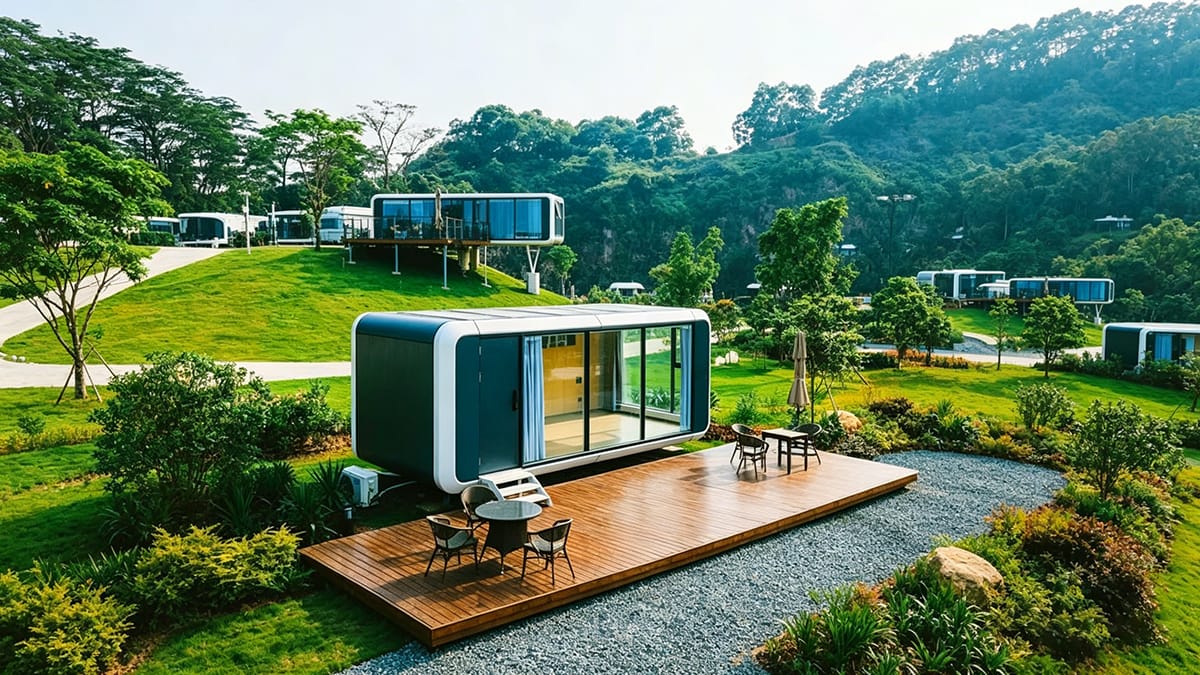
Land and Accessibility
Land prices change a lot based on where you build. In cities, land costs more because many people want to live there. There is not much space in cities. In rural areas, land is cheaper since there is more space. Fewer people want to buy land in the country. The local economy and government rules also change the price. Nearby services like shops and schools can make land cost more.
Land in big cities costs more because many people want it.
Rural land is cheaper since there is more space and less competition.
Local rules and good roads can change how much you pay.
Shops, schools, and hospitals nearby can make land cost more.
When you pick a place, check how easy it is to get there. Good roads and utilities help you save time and money.
Site Preparation
You need to get the land ready before you put your capsule house there. Site preparation has many steps that add to the cost:
Clearing and grading the land
Putting in a foundation like a concrete slab or piers
Connecting water, power, sewer, and internet
Getting permits
How much you pay depends on your land. If your land is flat and has utilities, you pay less. If your land is far away or on a hill, you pay more for extra work. Planning helps you avoid problems and keeps your project going.
Local Construction Costs
Local construction costs are important for capsule house prices. Labor and materials can cost different amounts in different places. Some places have cheaper labor but materials are hard to find. Other places cost more for both labor and materials, especially in busy areas.
Tip: Ask builders near you for prices before you start. This helps you know the real cost and plan your budget.
By thinking about land, site work, and building costs, you can make smart choices. You will know where to build and how much you need to spend.
Regulatory and Zoning Factors
Local Regulations
You must pay attention to local rules when you plan a capsule house. Every area has its own set of rules. Some places have strict zoning laws. These laws say where you can build. Other places have rules that are not as strict. These rules can change how long your project takes. They can also change how much you pay. If you do not follow the rules, you might have to wait longer. You could also pay extra fees. Here is a table that shows some common barriers you might see:
Barrier Type | Description |
|---|---|
Regulatory Compliance | You need to follow many different rules and laws. This can be hard and needs good planning. |
If you know about these rules early, you can avoid problems. Always check with your local government before you start building.
Permitting and Approvals
Permits and approvals are very important for capsule house projects. You must get the right permits before you build. Getting permits can take a long time. It can also cost more money. You should talk to local leaders and builders early. They can tell you what you need to do. The table below shows how permits can change your project:
Aspect | Details |
|---|---|
Early Consultation | You should talk to local leaders and builders early. |
Compliance Requirements | You must follow all the rules for your state, county, and city. |
Building Codes | You need to follow building codes, and these can be different in each place. |
Impact on Timeline and Costs | Getting permits can make your project take longer and cost more. |
If you plan ahead, you can finish your project on time. You can also avoid paying extra money.
Environmental Standards
Environmental standards are important for capsule houses. Many places want you to use good materials that are safe for the planet. These rules help keep the earth clean. They also make your home better. You may need to use materials that save energy or make less trash. These rules can make your house cost more. But you get a safer and nicer home. Always ask about local rules for the environment before you pick your materials.
Note: Following these rules helps the planet. It also makes your capsule house worth more.
Technology and Innovation in Capsule House Prices
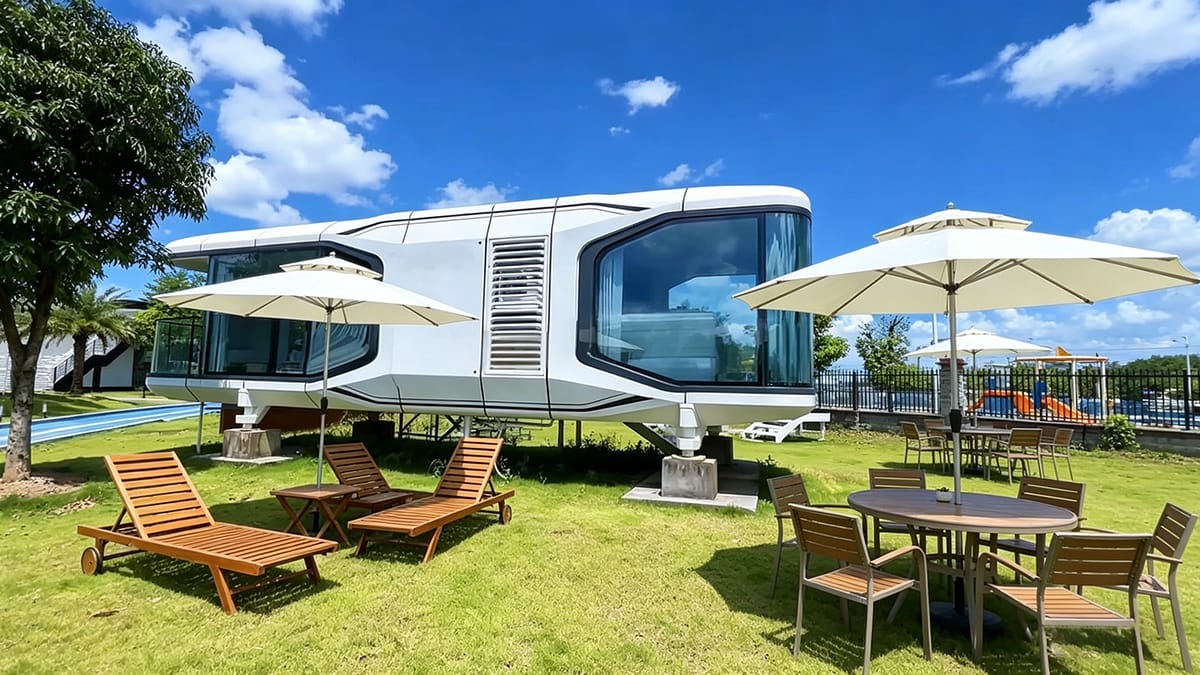
Smart Features
Modern capsule houses have many smart features. You can control lights and temperature with your phone. You can also use your voice to manage security. If you pick smart technology, you pay more at first. Later, you save money because smart systems use less energy. Your bills go down over time. Capsule houses are small, so the starting price stays low. You get a home that is easy to use. It also saves you money as time goes on.
Energy Efficiency
Capsule houses are made to use less energy. Good insulation keeps your home warm or cool. Smart thermostats and LED lights help you save power. Using less energy means you pay less each month. Many capsule houses use eco-friendly materials. These materials keep your home comfortable in any season. They last longer and need fewer repairs. You get a home that is good for the planet and your wallet.
Note: Energy-efficient capsule houses sell for more money. Buyers like homes that save money and help the environment.
Modern Construction Methods
New ways of building change how capsule houses are made. Factories use 3D printing and modular design to make parts fast. AI machines can build the main frame in one day. These methods lower labor costs and cut down on waste. You get your house faster and with better quality. Factory settings help each part meet high standards. These savings make capsule houses cost less for you.
Factories use eco-friendly materials to build strong homes.
Quick assembly lets you move in sooner and pay less for labor.
Better quality control gives you a safer home that lasts longer.
You get benefits from these new ideas. Capsule houses are faster to build, cheaper to own, and better for the environment.
Market Trends and Capsule House Prices
Supply and Demand
Supply and demand affect capsule house prices a lot. More people want capsule houses because they save space and money. Cities have the most people looking for these homes. Suburbs are also seeing more interest now. Experts think demand will go up by 10–15% each year. When more people want something, prices usually rise. You can look at the table to see what is happening with prices:
Trend | Details |
|---|---|
Rising Popularity | More buyers choose capsule houses in urban areas. |
Growth Projections | Demand may rise 10–15% every year. |
Price Increase Forecast | Prices could go up 15–20% by 2025. |
Regional Variations | Metro prices: $300,000–$700,000; Suburbs: $200,000–$400,000. |
Smart Home Integration | IoT features add value but may raise costs. |
Cost Reduction Technologies | 3D printing can lower construction costs by 30%. |
Inflation and Price Fluctuations
Inflation makes capsule house prices change over time. In the last five years, prices went up because materials and workers cost more. The table shows how inflation changes the price of capsule houses:
Type | 2025 Est. Range | Projected 2026 Increase | 2026 Price Forecast |
|---|---|---|---|
Basic Capsule (shell) | +5–10% | $12,600 – $24,200 | |
Standard Capsule House | $25,000 – $45,000 | +5–10% | $26,250 – $49,500 |
Premium Capsule House | $48,000 – $80,000+ | +5–10% | $50,400 – $88,000+ |
Space Capsule House | $55,000 – $95,000+ | +5–10% | $57,750 – $104,500+ |
Note: Remember to think about price changes when you plan your budget.
Comparison to Traditional and Prefab Homes
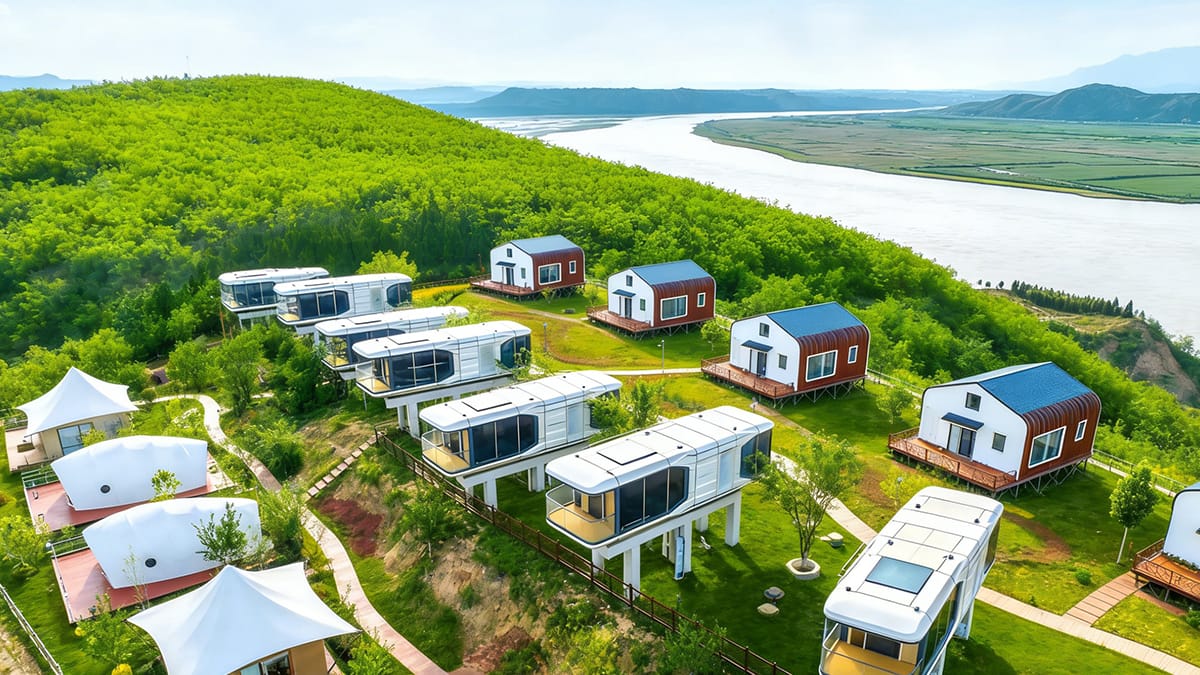
Capsule houses usually cost less than regular homes. They also help you save money on repairs and bills. Prefab homes can be cheaper too, but new technology can change their prices. Here is a table that compares them:
Aspect | Capsule Houses | Traditional Houses |
|---|---|---|
Initial Construction | Higher (modular) | Lower |
Long-term Savings | Lower maintenance | Higher maintenance |
Market Price | $270,000 average | |
Average Price | $190,000 | $270,000 |
Trends and the economy change how much capsule houses cost. If you keep up with these changes, you can make better choices when buying a home.
When you buy a capsule house, you must think about many things. These things change how much you pay in the end. Here is a table that shows what matters most:
Cost Factor | Description |
|---|---|
Land Acquisition | Price changes by location |
Zoning Laws and Permitting | Local rules and permits add to your budget |
Construction Labor | Prefab or custom work changes what you pay |
Building Materials | Eco-friendly choices may cost more but last longer |
Utilities and Systems | Connecting water, power, and HVAC can be expensive |
Furnishings | Interior and exterior items add to your total spend |
You can make smarter choices if you know about market trends. Many people pick capsule homes because they are smart and cost less. To save money, look up builders, plan your budget, and check local rules before you begin.
FAQ
What makes capsule houses cheaper than regular homes?
You pay less for capsule houses because builders use fewer materials and faster methods. Factories make many parts ahead of time. This saves money and time. You also spend less on repairs and energy bills.
Can you customize a capsule house?
You can pick layouts, colors, and features. Some builders let you add smart systems or eco-friendly materials. Custom options cost more, but you get a home that fits your needs.
How long does it take to build a capsule house?
You can move in faster. Most capsule houses take 2 to 8 weeks to build. Factory work and simple assembly speed up the process.
Do capsule houses hold their value?
Capsule houses keep value if you use good materials and care for them. You may see higher resale prices in cities with strong demand.